What an EP Fabric Core Conveyor Belt Is
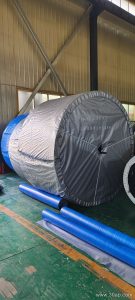
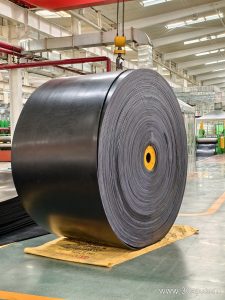
An EP fabric core conveyor belt is a rubber belt whose tensile strength comes from layers of polyester and nylon warp and weft fabric. The “EP” stands for polyester warp and polyamide (nylon) weft, which is why the product is also called a polyester nylon conveyor belt. The fabric plies carry the load, while the rubber covers protect the carcass from abrasion, impact and moisture. In a mine, a coal preparation plant, a cement kiln line, a power station coal yard or a sand and gravel pit, this belt is often the working surface that moves material from the crusher or stockpile to the next stage.
How the Belt Is Built
The carcass is the structural heart of an EP belt. Common constructions use two to six fabric plies, depending on the duty and the required tensile strength. Each ply is skim-coated with rubber, then the plies are bonded together and covered with top and bottom rubber covers. Cover thickness is usually described as a pair of numbers, such as 3+1.5, 4+2, 5+2, 6+2 or 8+3 mm, where the first figure is the top cover and the second is the bottom cover. The top cover faces the material and takes most of the wear, so it is usually thicker on abrasive ores or sharp stone.
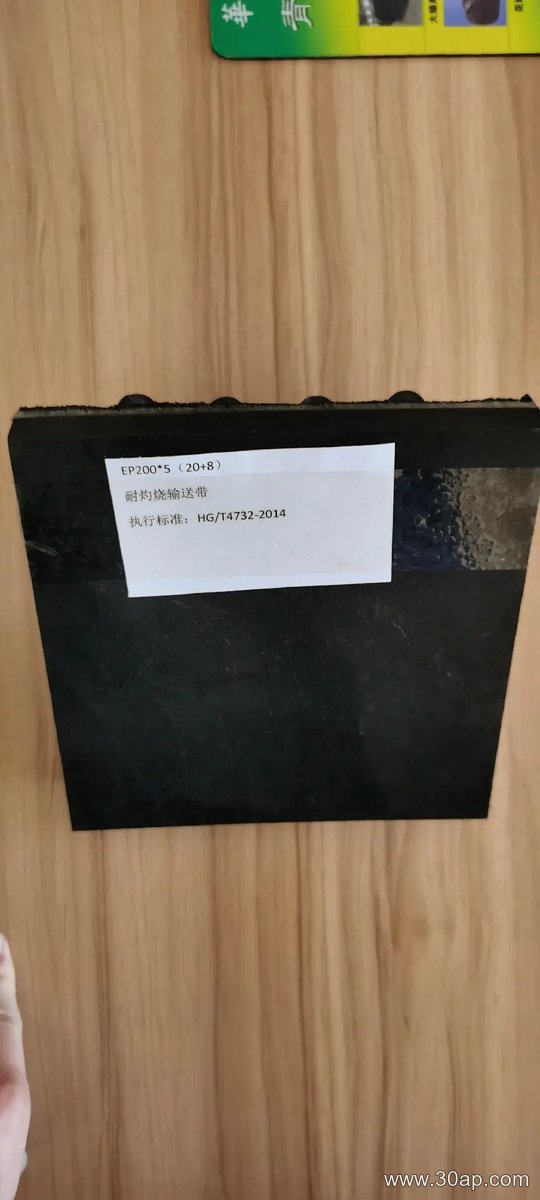
Strength grades are written with an EP prefix and a number, and typical grades include EP200, EP315, EP400, EP500, EP630, EP800, EP1000, EP1250, EP1600 and EP2000. A higher number means a higher breaking strength per unit width, so a long incline or a high-tonnage line usually needs a higher grade than a short transfer belt. Belt width is chosen together with the conveyor layout; common widths include B500, B650, B800, B1000, B1200, B1400, B1600, B1800 and B2000. The belt width and the pulley face should be matched by the conveyor designer, and one belt width can work with more than one pulley diameter.
Common Types and Working Conditions
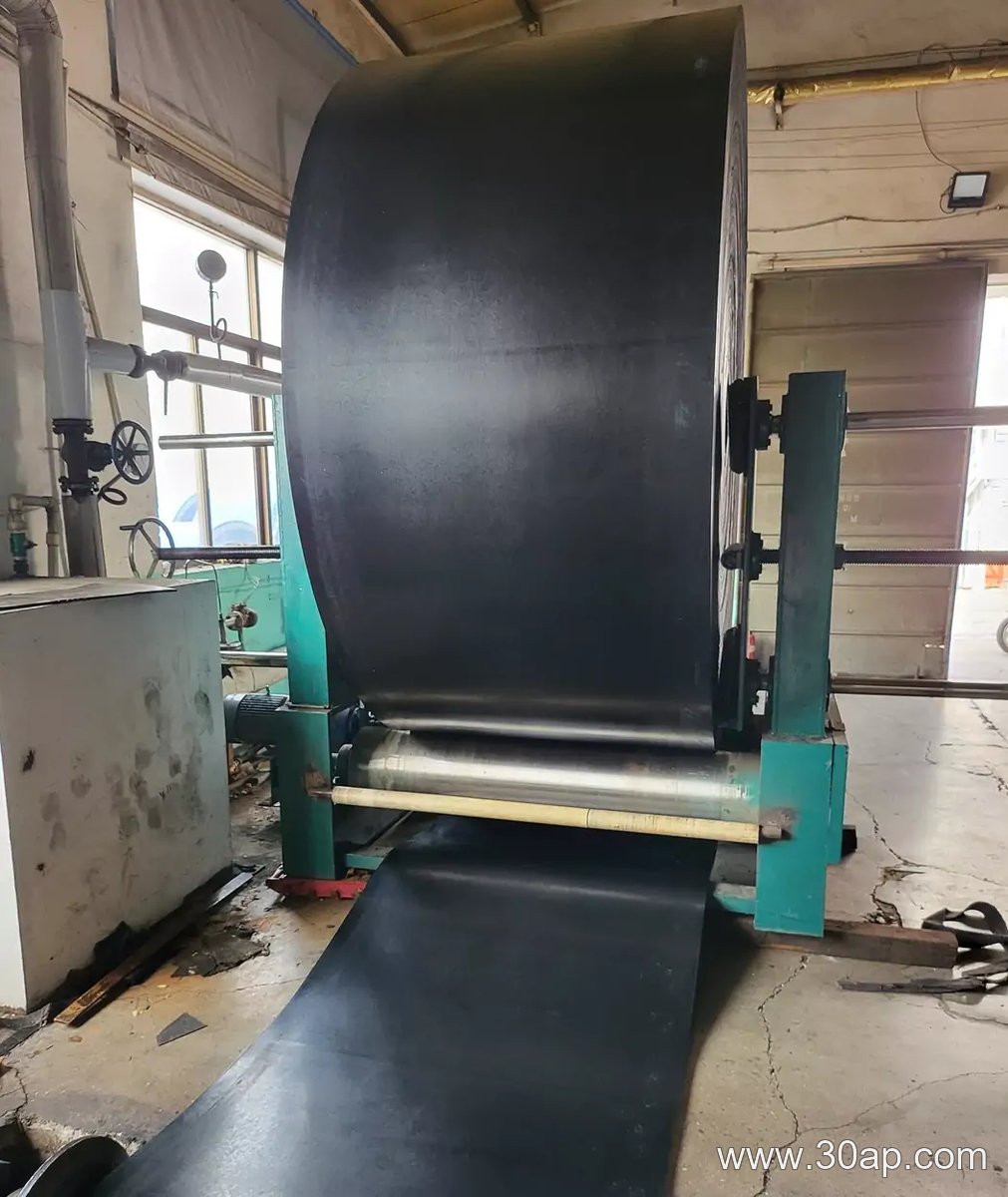
Beyond the standard EP belt, the same carcass can be paired with different rubber compounds or surface forms. Flame-retardant and antistatic versions are used in coal mines and other places where fire risk matters. Heat-resistant grades suit cement clinker, sinter and similar hot materials. Oil-resistant, acid and alkali resistant, and cold-resistant compounds cover chemical plants, fertilizer handling and cold outdoor yards. Patterned surfaces such as chevron or herringbone, and sidewall belts, help on steep inclines or where material would otherwise slide back.
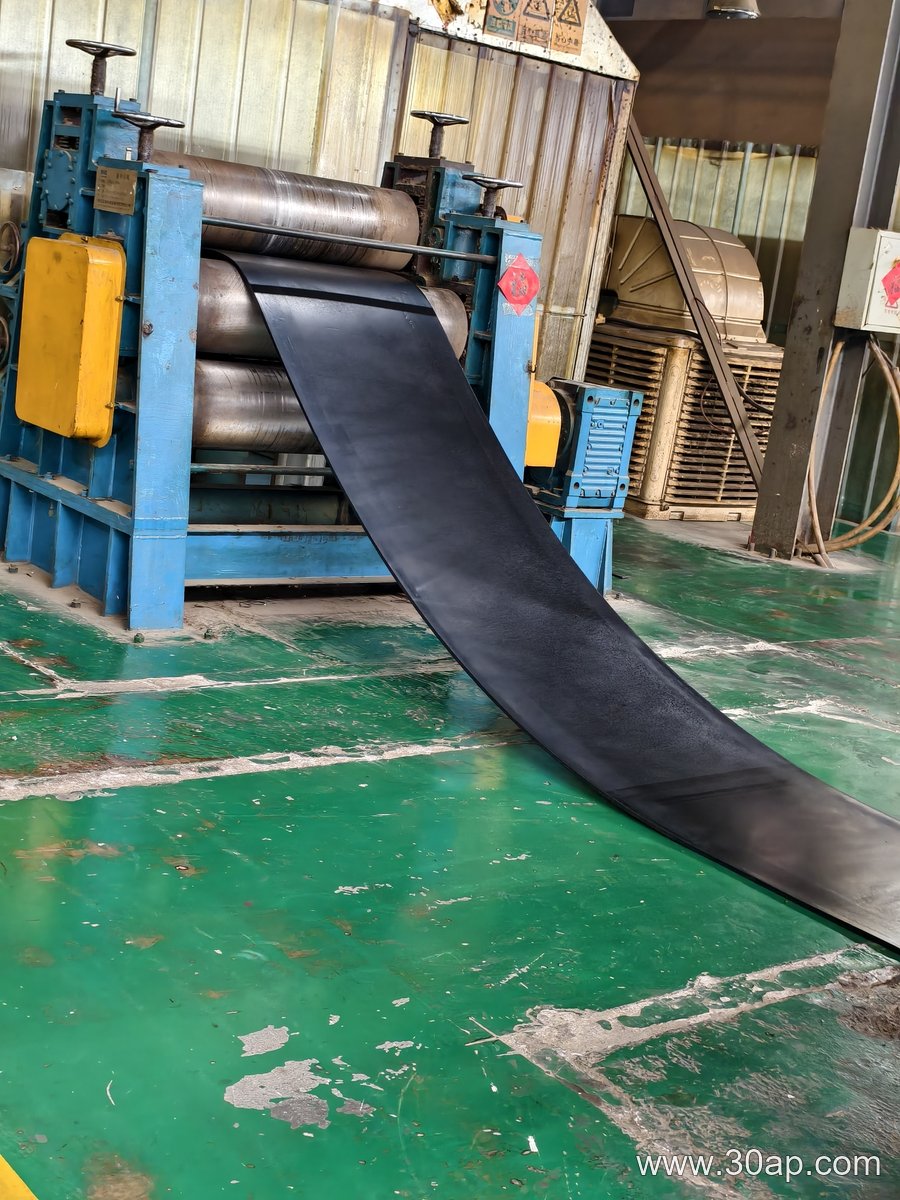
A buyer should compare the EP belt with other carcass types only where the job calls for it. NN nylon conveyor belt is another fabric type, and steel cord belt is used for very long, high-tension lines. Neither replaces the EP belt for ordinary mining, coal, cement, power and aggregate duty.
Where It Fits on the Conveyor
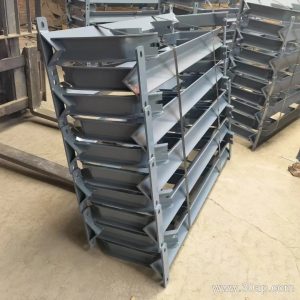
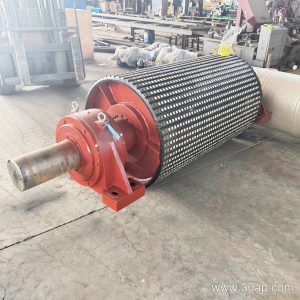
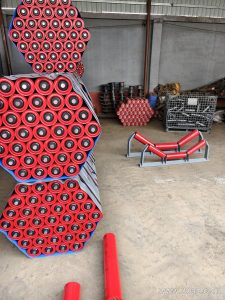
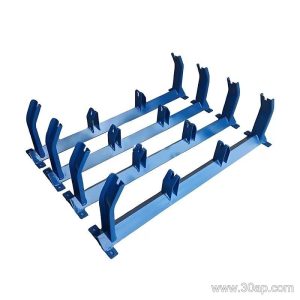
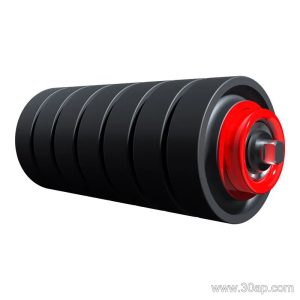
An EP fabric core belt runs over a head or drive pulley, a tail pulley and bend pulleys, and it is supported by idler rollers along the carrying side. Return idlers support the empty side. A conveyor pulley and an idler roller are not the same thing: the pulley transmits drive or changes direction, while the idler roller supports the belt and the load. A conveyor bracket holds the idler frame or the pulley bearing housing in place, so alignment and structure quality affect belt tracking and belt life.
Good installation practice includes checking that the belt is square, that pulleys and idlers are aligned, and that the load is centered. Material spillage, off-center loading and seized idlers are frequent causes of edge damage and premature cover wear. In dusty coal or cement areas, keeping the belt reasonably clean also reduces buildup on the return side.
Selection and Maintenance Notes
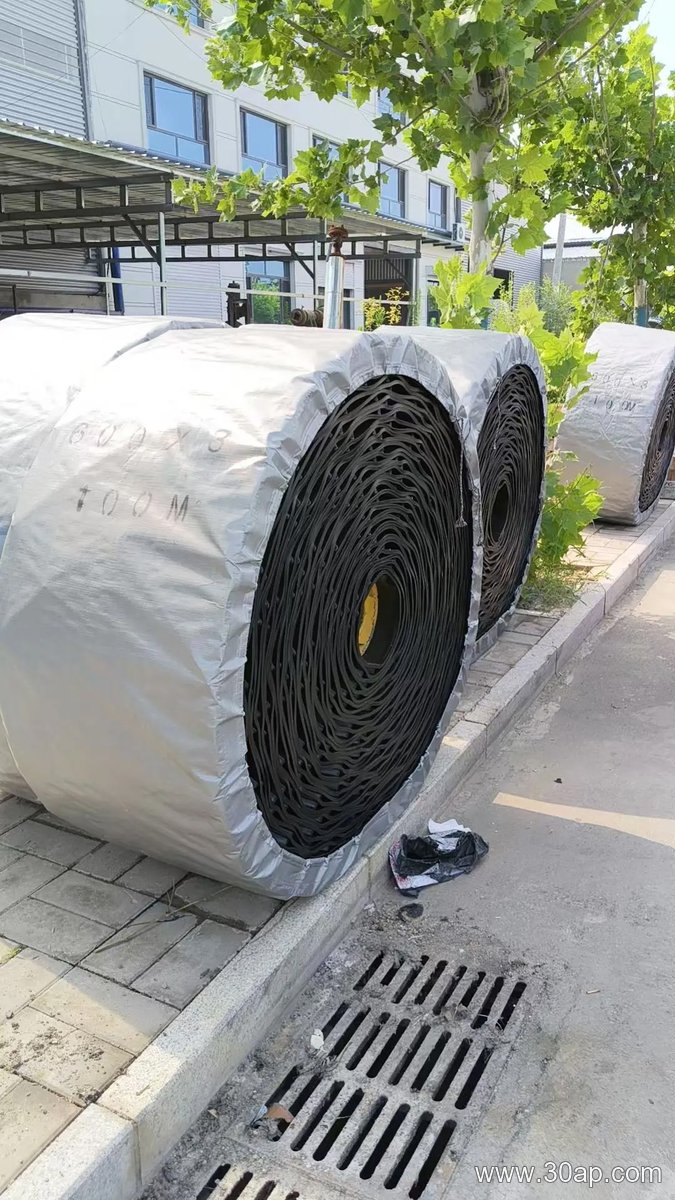
When choosing an EP fabric core conveyor belt, the main data to confirm are the material type, lump size, capacity, incline angle, ambient and material temperature, and the presence of oil, chemicals or fire risk. From these, the designer sets the belt width, ply number, strength grade and cover thickness. The tables below show common reference values, not fixed supply promises.
| Parameter | Common reference values |
|---|---|
| Strength grade | EP200, EP315, EP400, EP500, EP630, EP800, EP1000, EP1250, EP1600, EP2000 |
| Belt width | B500, B650, B800, B1000, B1200, B1400, B1600, B1800, B2000 |
| Cover thickness | 3+1.5, 4+2, 5+2, 6+2, 8+3 mm |
| Carcass plies | usually 2 to 6 layers |
On the maintenance side, regular inspection of the belt surface, edges and splices helps catch small damage before it grows. Checking idler rollers for rotation and checking pulley lagging for wear also protect the belt. A spare splice kit and a trained crew are useful in remote mine or quarry sites. For long-term cost control, the belt, pulley and idler roller should be treated as one system rather than as separate items.