What a Mining Trough Idler Does on the Line
A mining trough idler is the set of rollers that supports the loaded run of a conveyor belt and shapes it into a trough. In hard-rock mines, coal preparation plants, sand and gravel pits, cement works, and power station coal yards, this idler group carries the weight of the belt and the material while keeping the belt centered enough to travel without spilling. The troughing idler is not the same as a drive pulley, tail pulley, or bend pulley. Those pulleys transmit power or change belt direction; the trough idler only supports and guides the belt on the carrying side.
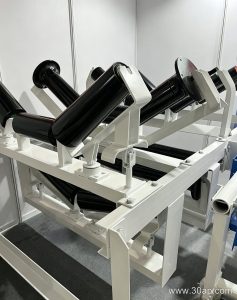
Because the belt is pressed into a curved profile, the material sits deeper and is less likely to roll off the edges. That simple geometry is the reason three-roll trough idlers are so common on high-capacity lines, even though a single-roll or two-roll arrangement can still be found in lighter duties.
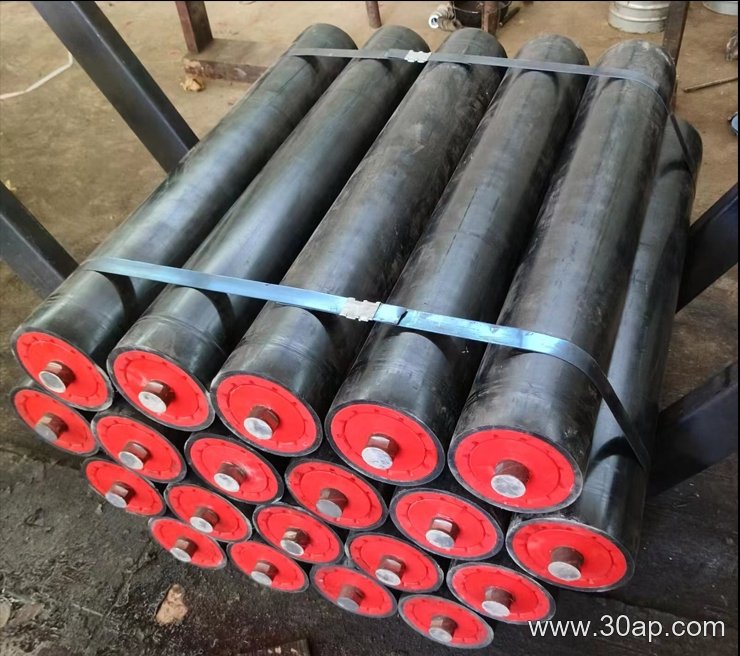
How the Idler Group Is Built
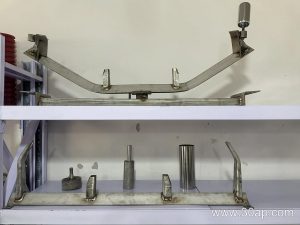
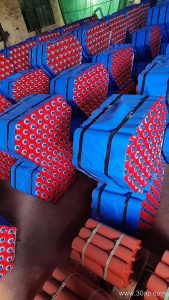
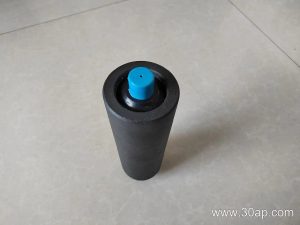
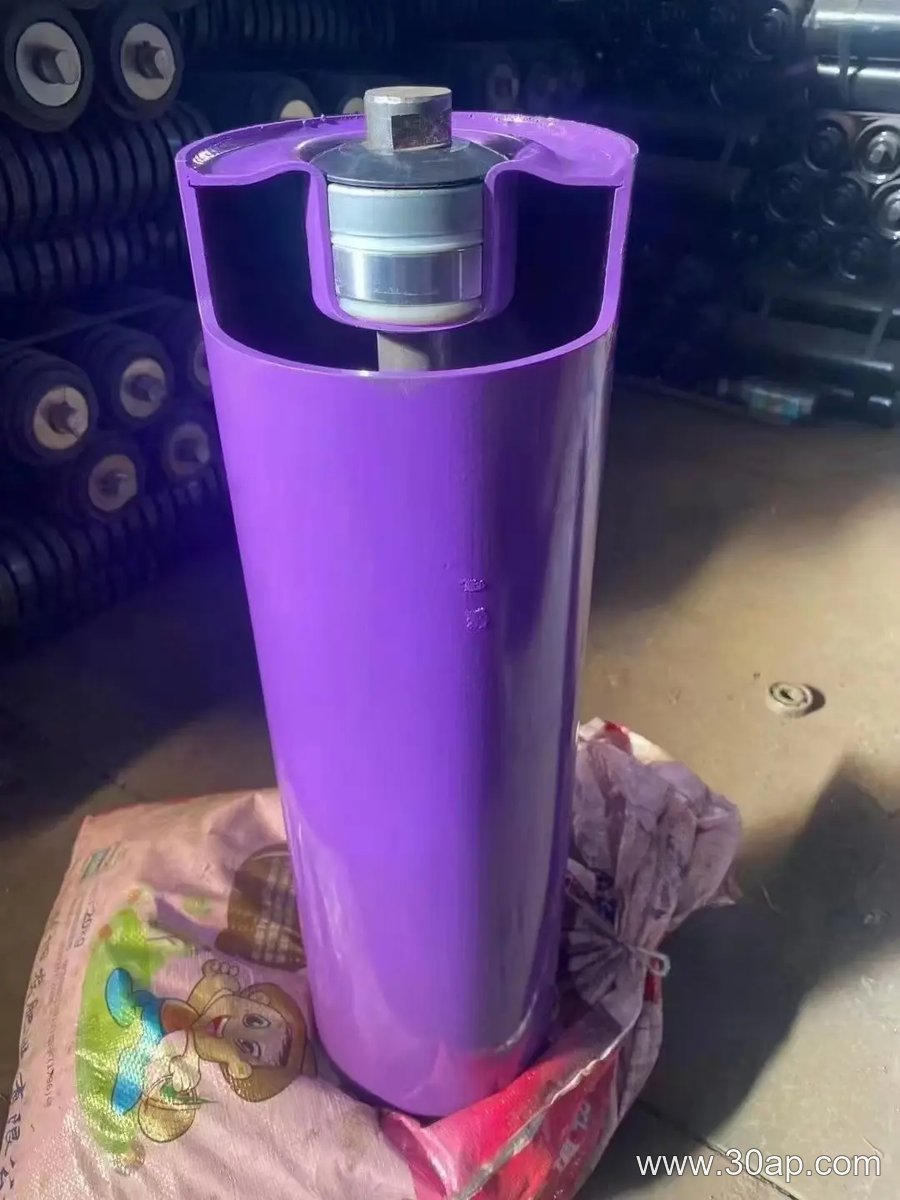
A typical troughing idler group includes a set of idler rollers, a shaft, bearing housings, seals, and a frame that bolts to the conveyor bracket or stringer. The rollers are usually made from steel tube with a protective finish, but nylon, ceramic, and rubber-covered versions also exist for special duties. The bearing set is protected by a labyrinth or contact seal, and the choice of bearing depends on load, speed, and expected service life rather than on belt width alone.
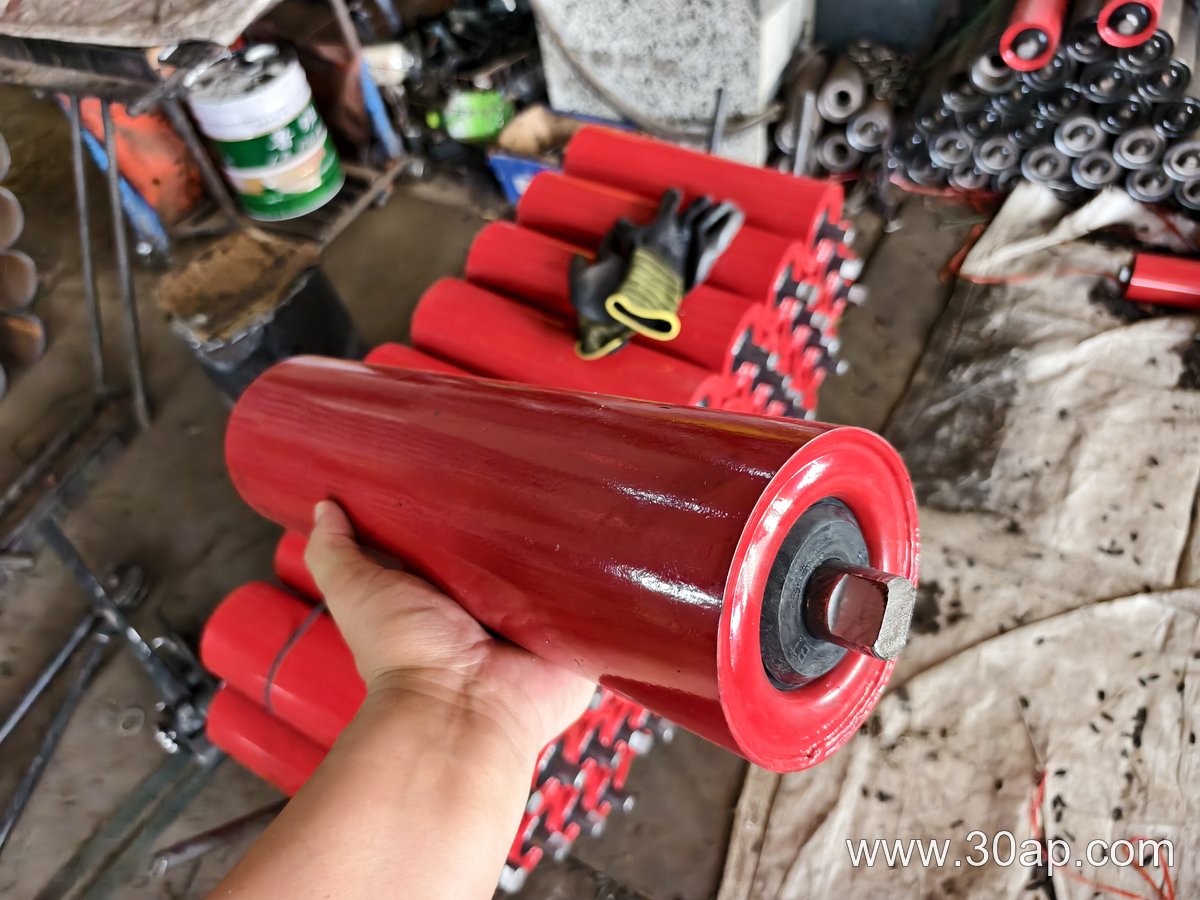
Common roller diameters include 63 mm, 76 mm, 89 mm, 102 mm, 108 mm, 127 mm, 133 mm, 159 mm, 178 mm, 194 mm, and 219 mm. A 108 mm or 133 mm roller is often seen in medium-duty mining conveyors, while larger diameters such as 159 mm or 178 mm may be selected for heavier loads or longer spans. These are general reference values, not a fixed rule. The roller length also changes with belt width, trough angle, and the number of rolls in the group.
Common Trough Idler Reference Data
| Item | Typical Range | Notes |
|---|---|---|
| Roller diameter | 63 mm to 219 mm | Selected by load and speed |
| Belt width | B400 to B2400 | Match to conveyor design |
| Trough angle | 20, 30, 35, 45 degrees | Higher angle for deeper material bed |
| Roll arrangement | Single, two-roll, three-roll | Three-roll is common for mining duty |
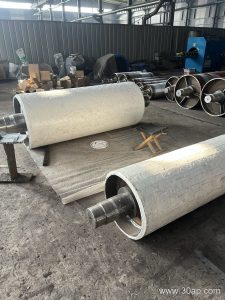
| Roller surface | Steel, nylon, ceramic, rubber ring | Rubber ring used for impact zones |
For a three-roll troughing set, a B500 belt might use side rollers around 200 mm long, B800 around 315 mm, B1000 around 380 mm, B1200 around 465 mm, and B1600 around 600 mm. The center roll can differ from the side rolls. These figures are common examples only and should always be confirmed against the actual conveyor drawing.
Where Mining Trough Idlers Are Used
In a coal preparation plant, trough idlers carry raw coal from the crusher to the wash box. In a limestone quarry or aggregate line, they support crushed stone on the main haul conveyor. In a copper or iron ore concentrator, they keep the feed belt stable before the mill. The same product family appears in tunnel muck removal, cement clinker transport, and port bulk handling.
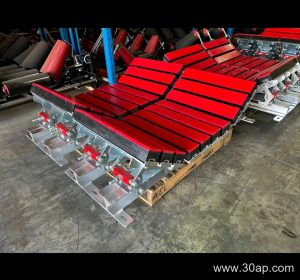
Not every position on the conveyor uses the same idler. The loading zone may need a rubber-ring impact idler to absorb falling material, while the return run often uses a flat or V-shaped return idler. A self-aligning idler with tapered rolls can help correct belt drift on long overland lines. These are related idler types, not replacements for the mining trough idler itself.
What Buyers Should Check Before Ordering
- Belt width and trough angle: Confirm B400, B650, B1000, B1400, or another width, and state whether the frame is 20, 30, 35, or 45 degrees.
- Roller diameter and length: Give the required roller diameter and the roller length for the center and side rolls. Do not assume one belt width locks in one pulley diameter or shaft size.
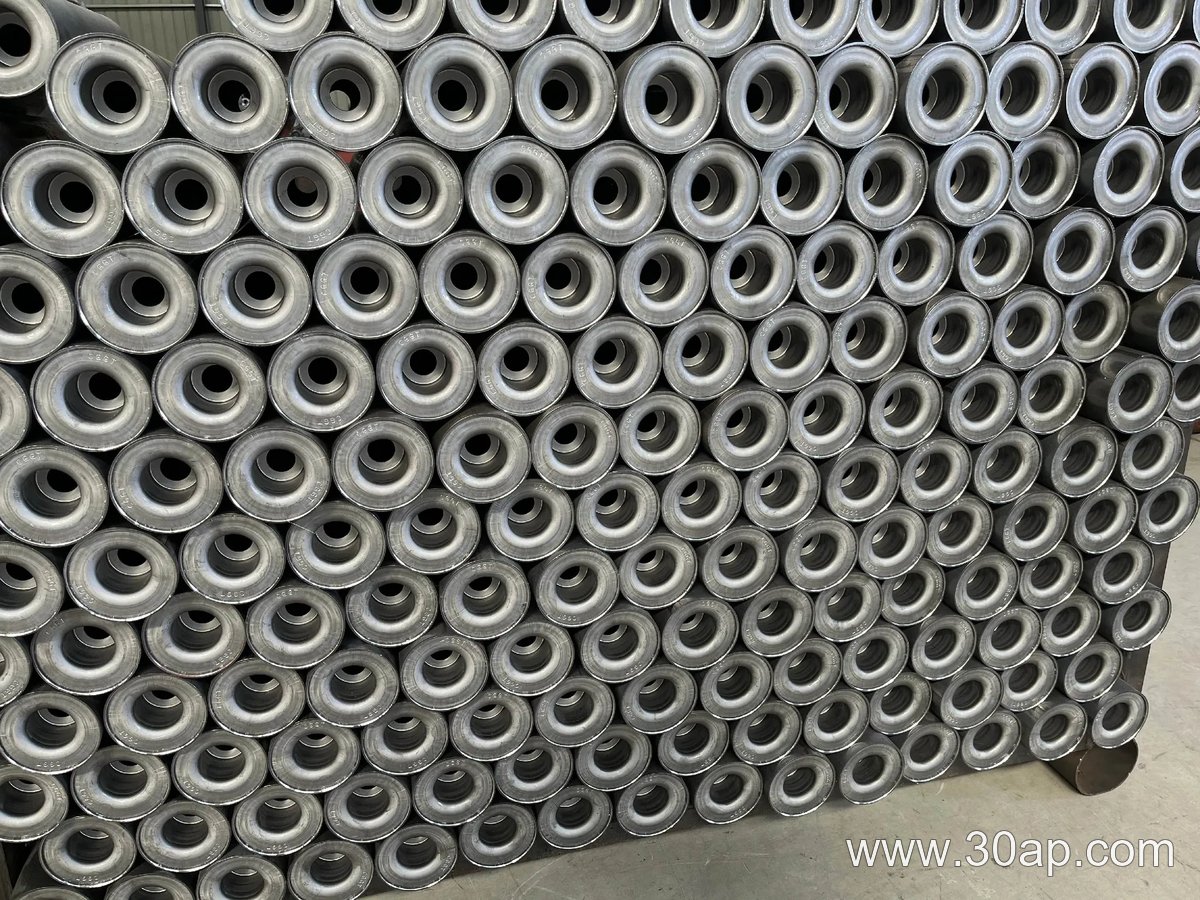
- Bearing and seal: Bearings such as 6204, 6205, 6305, 6306, 6308, or 6310 may be offered, but the correct choice depends on the duty. A good seal matters in dusty mining air.
- Frame and bracket: Check hole spacing, mounting height, and whether the idler fits the existing conveyor bracket or stringer.
- Material and surface: Steel rollers are standard, but nylon, ceramic, or rubber-ring surfaces may suit wet, abrasive, or impact-heavy conditions.
Buyers should also ask how the idler is balanced, how the shaft is retained, and whether the roller can be replaced without removing the whole frame. On a busy mining conveyor, quick roller changeout reduces downtime. Spare parts should match the original roller diameter, bearing type, and seal arrangement.
Keeping Trough Idlers in Service
Inspect trough idlers during normal belt stops. Listen for a dry bearing, look for a seized roller, and check for material build-up on the frame. A worn roller can damage the conveyor belt and increase power draw. Replace rollers in sets where possible, and keep the trough angle and alignment consistent along the line. A well-matched mining trough idler helps the belt run true, protects the belt cover, and keeps material moving from the mine face to the stockpile.