What a Galvanized Conveyor Bracket Does
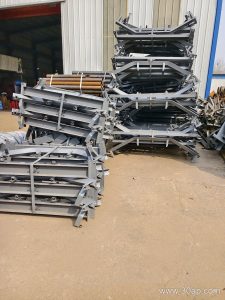
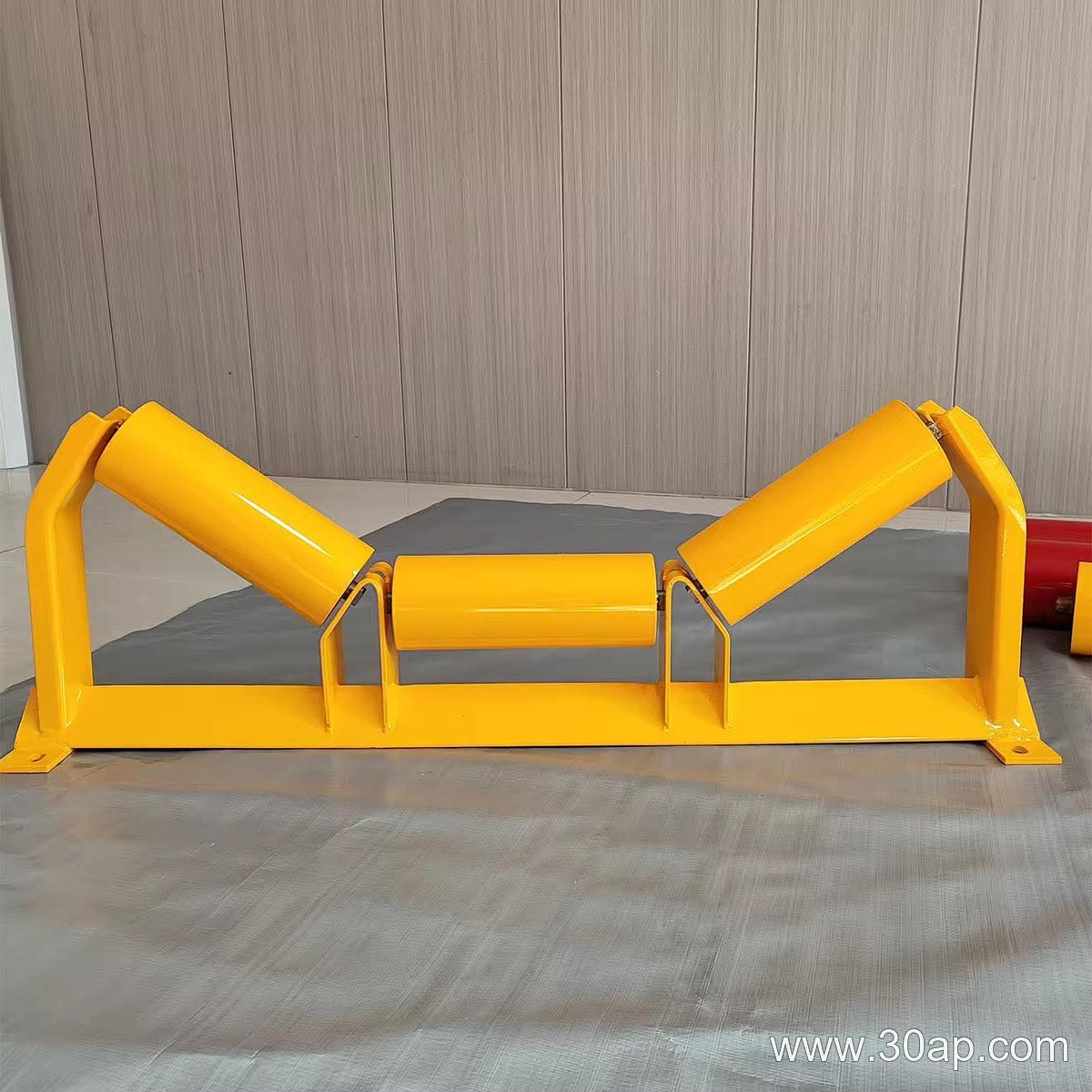
A galvanized conveyor bracket is the support component that holds idler rollers in position along a belt conveyor. It connects the roller shafts to the conveyor frame and sets the trough angle that shapes the conveyor belt into a curve. Because it sits close to moving material and often outdoors or in damp conditions, the zinc coating matters as much as the steel underneath. The bracket is sometimes called a galvanized roller support bracket, and both names describe the same part.
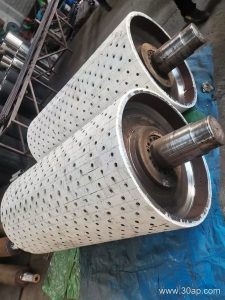
It is not a pulley. A conveyor pulley drives, returns, or bends the belt at the ends of the conveyor, while a bracket supports rollers along the carrying and return runs. The two work on the same machine but are not interchangeable.
How It Is Built
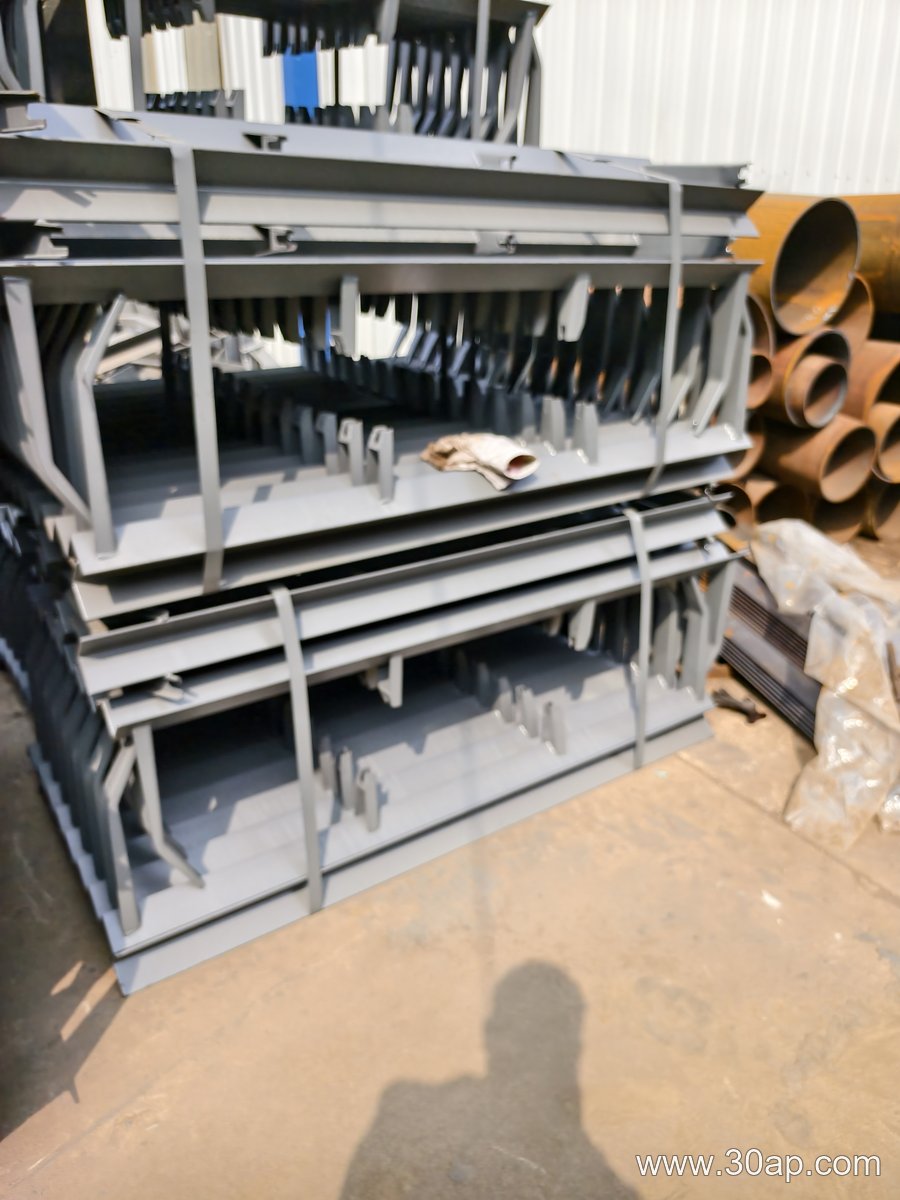
Most brackets start as angle steel, channel steel, or folded steel plate. After cutting and drilling, the parts are galvanized to resist rust. The finished bracket usually includes mounting holes, roller seats, and a cross beam whose length follows the belt width and trough angle.
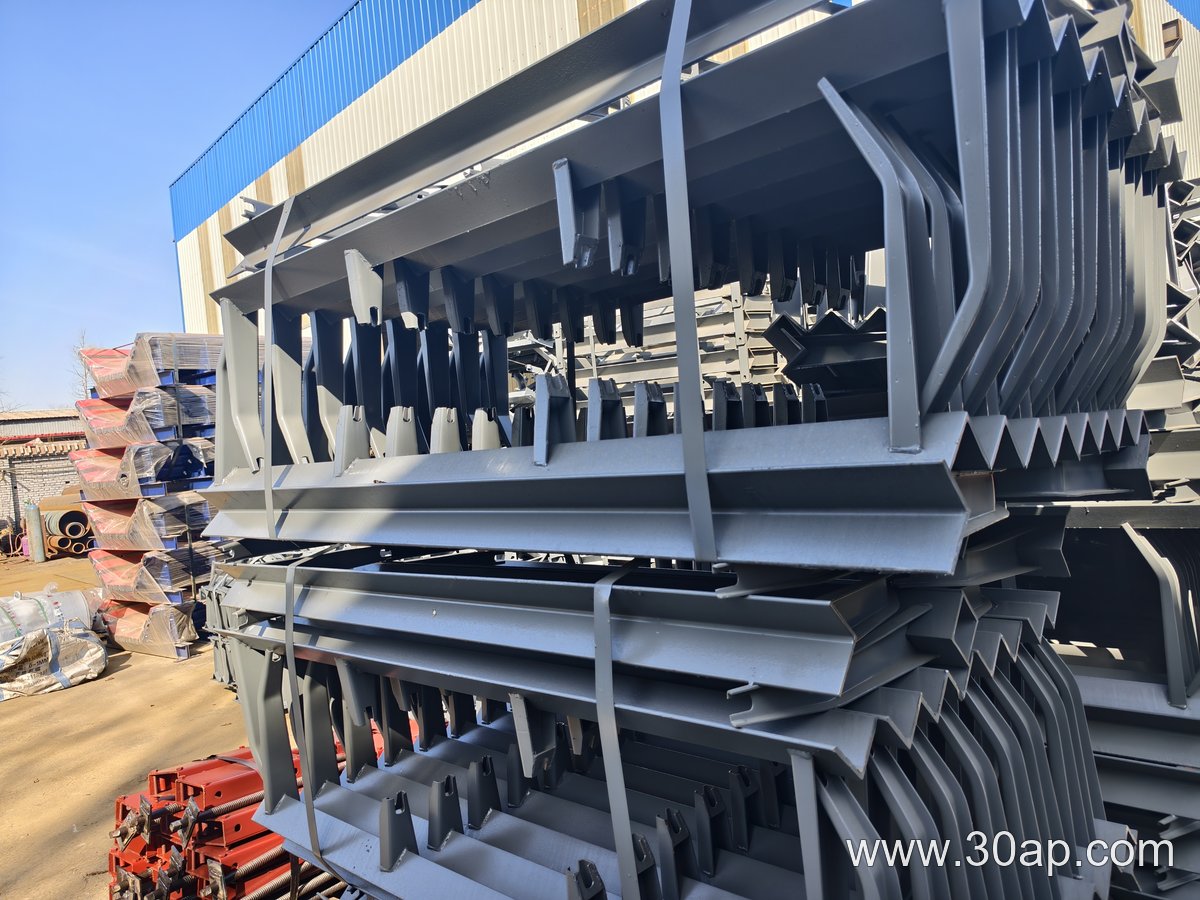
Common material and finish choices include:
- Angle steel with hot dip galvanizing
- Channel steel with hot dip galvanizing
- Folded steel plate with a zinc coating
Installation hole spacing and beam length are not fixed. They change with belt width, trough angle, and frame design, so a buyer should confirm the drawing rather than assume a standard layout.
Where It Is Used
These brackets appear in many bulk handling sites. In a crushed stone line, they carry the conveyor belt through the loading zone and along the incline. In a coal washing plant, they support idler rollers on both the carrying side and the return side, where wet material and wash water make corrosion resistance useful. A galvanized finish is often chosen for outdoor conveyors, tunnels, and areas with regular washdown.
Types and Trough Angles
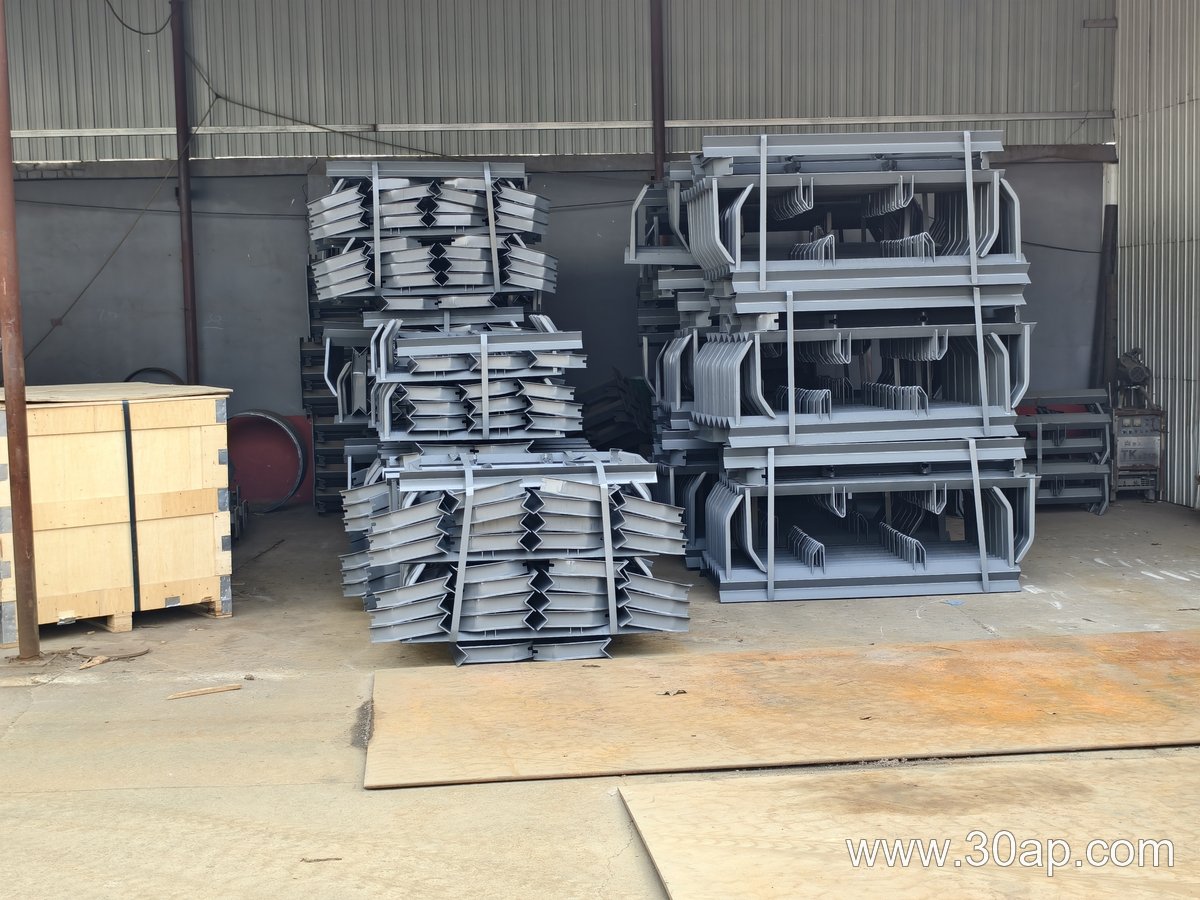
The bracket type should match the job on that section of the conveyor. Common forms include trough brackets, transition brackets, return brackets, V-return brackets, impact brackets, self-aligning brackets, forward-tilt brackets, and adjustable brackets. Each one has a different role, so they should not be treated as direct replacements for one another.
Trough angles are usually selected from 20 degrees, 30 degrees, 35 degrees, and 45 degrees. An adjustable bracket can be set between these angles during installation. Forward tilt is often about 1.5 to 2 degrees, which helps guide the belt. The correct angle depends on material, belt width, and capacity, not on a single fixed rule.
Common Reference Combinations
The table below shows example combinations that appear in project drawings. These are reference points, not fixed pairings.
| Belt width | Trough angle | Roller diameter |
|---|---|---|
| B500 | 20 degrees | Ø89 |
| B650 | 30 degrees | Ø89 |
| B800 | 35 degrees | Ø108 |
| B1000 | 35 degrees | Ø108 |
| B1200 | 45 degrees | Ø133 |
| B1400 | 45 degrees | Ø159 |
| B1600 | 45 degrees | Ø159 |
| B1800 | 45 degrees | Ø194 |
A wider belt does not automatically require one specific roller diameter. Several diameters can work if the load, speed, and frame allow it. The same is true of trough angle. Use the table as a starting point and confirm with the conveyor design.
What a Buyer Should Check
Before ordering, confirm the belt width, trough angle, roller diameter, and mounting hole spacing. Check whether the bracket is for the carrying side or the return side, and whether it is fixed or adjustable. Ask about the galvanizing method and coating thickness if the conveyor runs outdoors or in a wet plant. Also check that the bracket fits the existing frame and roller shaft.
Matching a galvanized conveyor bracket to the conveyor belt and idler roller is the practical way to avoid belt misalignment, premature roller wear, and unnecessary downtime. A bracket that fits correctly keeps the belt stable and lets the rollers do their job.