What a 2400mm Conveyor Belt Is
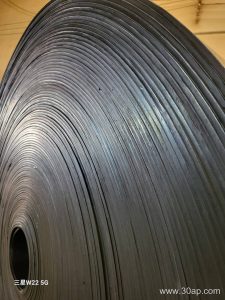
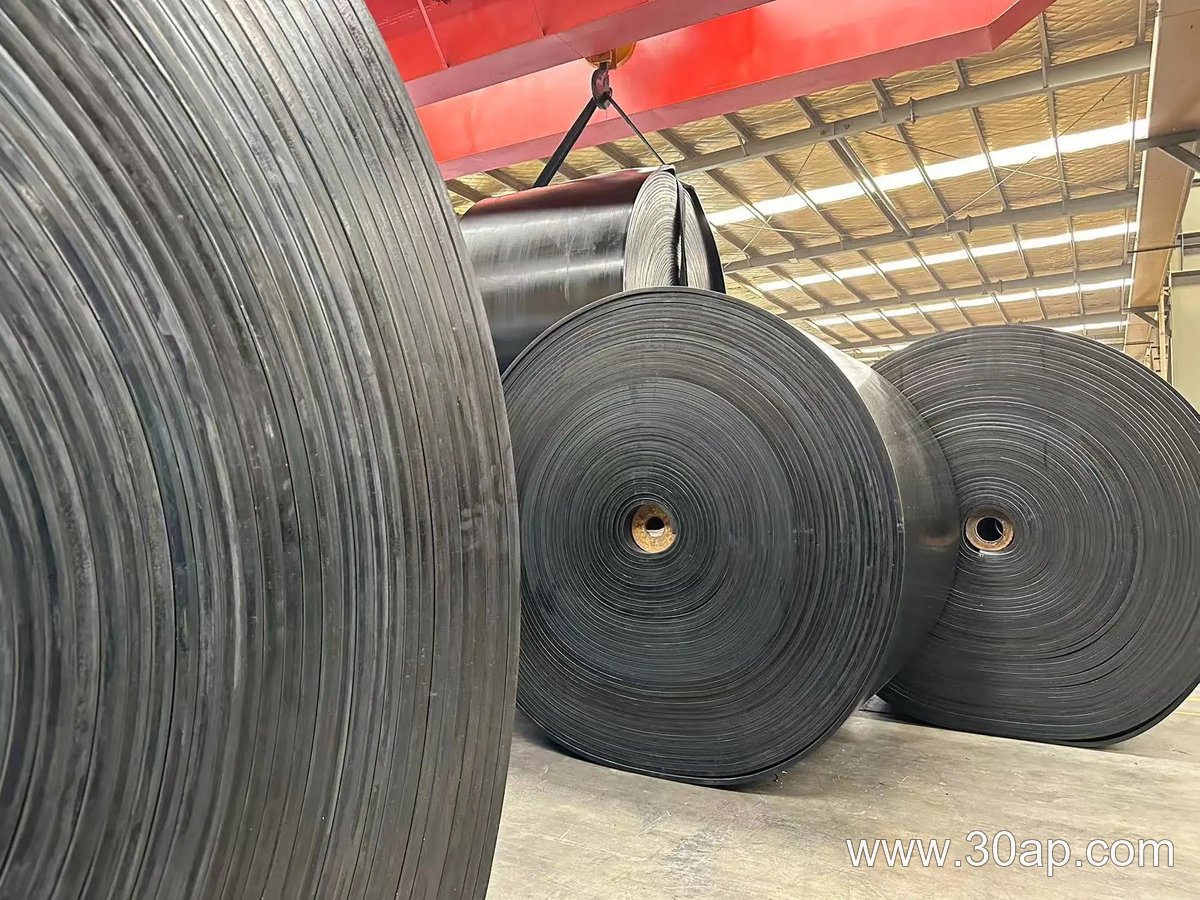
A 2400mm conveyor belt is a wide-format rubber or polymer belt with a nominal width of 2400 millimeters. In the trade, it is also called a 2.4 m wide belt or a 2400 mm wide conveyor belt. This width places it among the widest standard belt formats used in bulk material handling. It is not a specific compound or reinforcement type; rather, the 2400mm dimension defines the belt’s crosswise size, while the carcass, cover grade and surface form are chosen separately for each application.
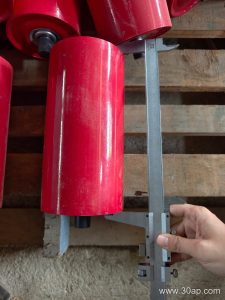
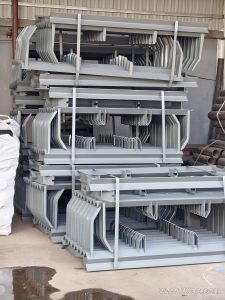
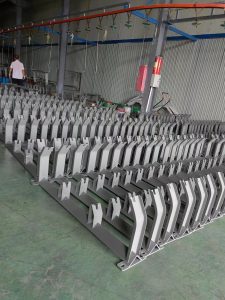
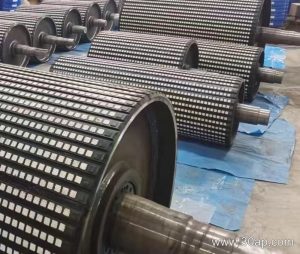
Because of its large surface area, a 2400mm conveyor belt is typically paired with matching wide pulleys, idler rollers and support frames. The belt, pulley, roller and bracket set must be engineered together. A 2400 mm belt should not be expected to run on any single pulley diameter; the drive pulley, tail pulley and bend pulley are sized by the system designer based on tension, wrap angle and space.
How a 2400mm Wide Belt Is Built
The construction follows the same layered logic as narrower belts, scaled up. A typical build includes:
- A top cover and bottom cover, often expressed as a combined thickness such as 6+2 mm or 8+3 mm.
- A carcass of 2 to 6 plies, depending on the required strength.
- Reinforcement options such as EP fabric, NN nylon fabric or steel cord.
- Edge protection, which becomes more important as width increases.
Common strength grades for fabric belts include EP200, EP315, EP400, EP500, EP630, EP800, EP1000, EP1250, EP1600 and EP2000. A 2400mm belt may use any of these, but the final choice depends on the load, the incline and the center distance. Cover compounds can be selected for abrasion resistance, heat resistance, oil resistance, flame resistance, anti-static behavior, cold resistance or acid and alkali exposure. Surface forms such as smooth, patterned, chevron or corrugated sidewall are also available when the duty requires them.
Where It Is Used
The 2400mm conveyor belt is found in operations that move large volumes of loose material across a wide path. Examples include bulk terminals, large crushing and screening plants, stockyard systems and heavy mineral or aggregate transport. In these settings, a wide belt can reduce the number of parallel conveyor lines needed for a given tonnage, although it also demands larger pulleys, heavier idler rollers and stronger conveyor brackets.
Width alone does not decide the application. A 2400 mm belt running at low speed on a short transfer behaves very differently from the same width on a long inclined trunk conveyor. The designer balances belt width, belt speed, capacity, incline and material lump size.
Specification Reference
The table below lists common reference values. These are typical ranges, not fixed universal specifications. Actual values are confirmed by the belt manufacturer and the conveyor designer.
| Parameter | Common reference values |
|---|---|
| Belt width | 2400 mm (also written B2400) |
| Carcass type | EP fabric, NN nylon fabric, steel cord |
| Strength grade | EP200 to EP2000, or equivalent steel cord grade |
| Number of plies | 2 to 6 |
| Cover thickness | 3+1.5, 4+2, 5+2, 6+2, 8+3 mm |
| Cover property | Abrasion, heat, oil, flame, anti-static, cold, acid and alkali resistant options |
| Surface form | Smooth, patterned, chevron, corrugated sidewall |
Other belt widths in the same family include B500, B650, B800, B1000, B1200, B1400, B1600, B1800 and B2000. A 2400 mm width is not mandatory for every conveyor; it is one option within a wider range.
What a Buyer Should Check
Before ordering a 2400mm conveyor belt, clarify the following points with the supplier and the conveyor designer:
- Required tensile strength and ply count for the actual load and center distance.
- Cover grade and thickness for the material being carried.
- Belt edge condition and whether a special edge is needed for tracking.
- Compatibility with the drive pulley, tail pulley and bend pulley diameters in the system.
- Idler roller spacing and conveyor bracket dimensions, since a wide belt needs adequate support to avoid sag.
- Splice method, because a 2400 mm wide belt requires a long, well-controlled joint.
Do not assume that a given belt width automatically matches a given pulley diameter or shaft size. Those values come from the conveyor design, not from the belt width alone. A 2400mm conveyor belt is a capable format for high-volume flow, but it works best when the whole conveyor, including rollers, pulleys and brackets, is selected as one system.