What a Rust-Resistant Idler Roller Is and Why It Matters
A rust-resistant idler roller is a conveyor belt idler built with materials and coatings that slow down corrosion when the conveyor works in damp, humid, or chemically exposed conditions. In many bulk handling operations, the difference between a standard painted roller and a corrosion-protected idler is not the basic shape but the surface treatment, bearing seal, and shell material. The idler still does its main job: support the conveyor belt, keep it tracking, and reduce friction along the carrying and return runs.
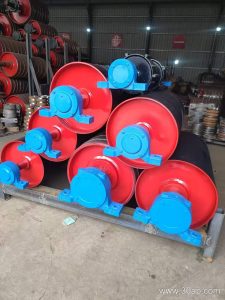
This product is often called a corrosion-resistant conveyor idler or a moisture-resistant idler roller. Those names describe the same item. It is not a drive pulley, a tail pulley, or a bend pulley. Those are conveyor pulleys with different duties. A rust-resistant idler belongs to the roller family and is selected by roller diameter, belt width, trough angle, and the specific station where it will sit.
How the Rust-Resistant Construction Works
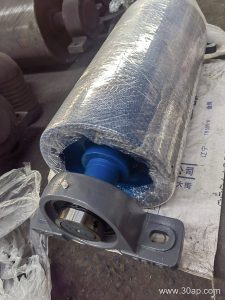
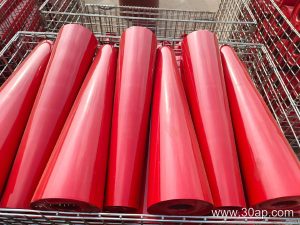
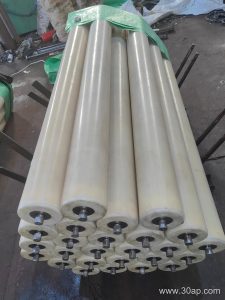
Corrosion protection usually starts with the roller shell. Common surface forms include a steel tube with a protective coating, a nylon shell, a ceramic-coated surface, or a rubber ring buffer version for impact zones. The choice depends on whether the main risk is water, fine wet dust, mild chemicals, or abrasive material sticking to the roller. The end caps and bearing housings are typically sealed with labyrinth or contact seals to keep moisture and grit away from the bearings.
Bearing sizes are matched to the roller diameter and load, not to a single fixed rule. Common bearing numbers in conveyor idlers include 6204, 6205, 6305, 6306, 6308, and 6310. A larger roller diameter does not automatically mean a specific bearing, and a given belt width does not dictate one shaft diameter. The design engineer matches the bearing, shaft, and seal system to the actual load and environment.
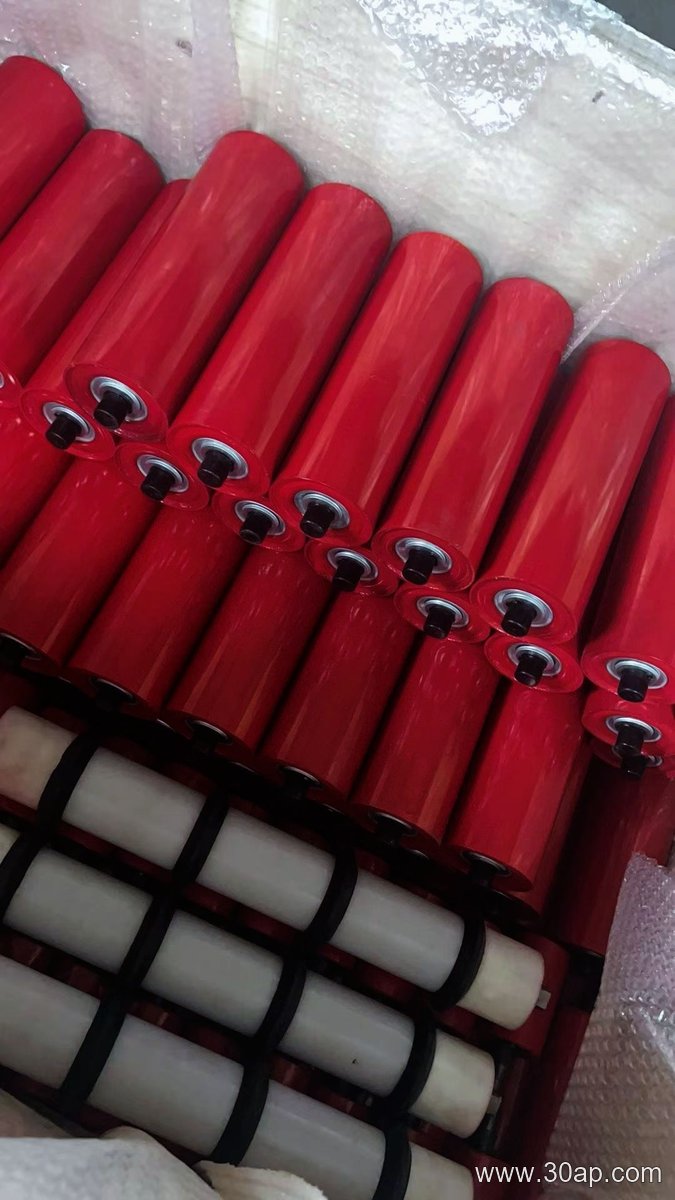
Typical roller diameters for this product family include Ø63, Ø76, Ø89, Ø102, Ø108, Ø127, Ø133, Ø159, Ø178, Ø194, and Ø219. Smaller diameters are often used on lighter conveyors or return runs, while larger diameters appear on wider, heavier belts. These are reference values, not universal requirements.
Where Rust-Resistant Idlers Are Used
These idlers make sense in places where ordinary rollers would rust quickly. One common site is a wash plant or coal preparation facility, where the conveyor belt carries wet material and the air stays humid. Another is a port handling bulk cargo, where salt air and frequent rain exposure shorten the life of unprotected steel. In both settings, a rust-resistant idler roller helps keep the belt running smoothly and reduces the chance of seized rollers that can damage the conveyor belt.
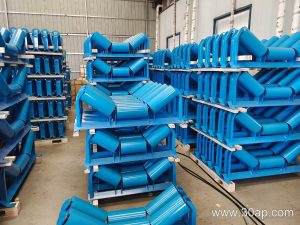
They are also used in fertilizer plants, where fine dust and moisture can be aggressive, and in tunnel spoil removal, where water and grit are constant companions. The exact station matters. A rust-resistant troughing idler may be used on the carrying side, while a rust-resistant return idler supports the empty belt on the way back. A buffer idler with rubber rings may be chosen at the loading point, not because of rust alone, but because impact and moisture often appear together.
Types and Configurations to Consider
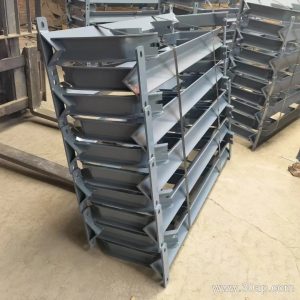
The rust-resistant feature can be applied to several idler types. The main types include troughing idlers, upper idlers, transition idlers, return idlers, flat return idlers, V-return idlers, impact idlers, rubber ring impact idlers, spiral idlers, self-aligning idlers, friction self-aligning idlers, conical self-aligning idlers, and comb idlers. A self-aligning idler is not a replacement for a troughing idler; it is a different function. Likewise, a V-return idler and a flat return idler are both return-side rollers but they are not the same design.
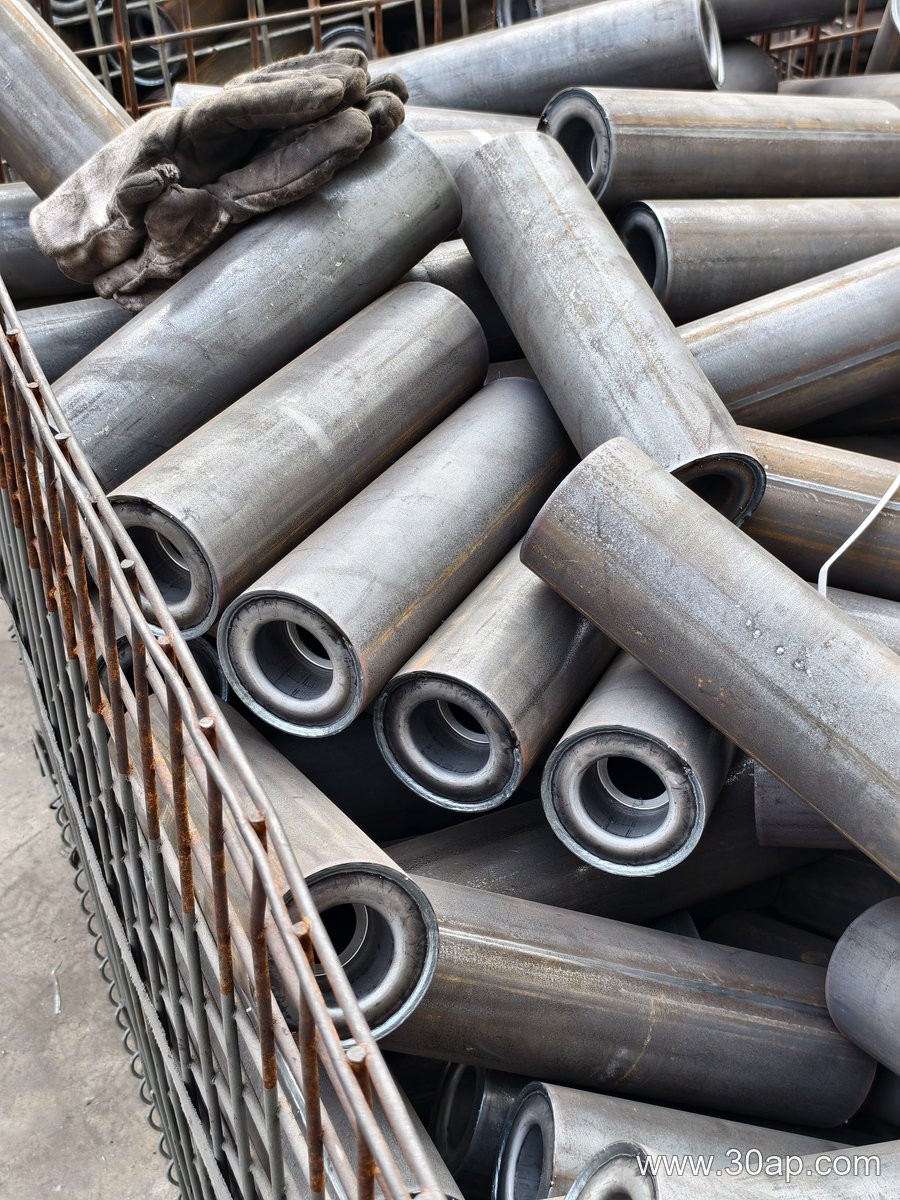
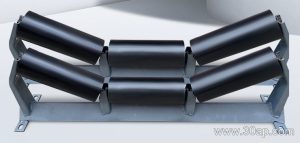
Idler sets can be single-roller, two-roller, or three-roller troughing arrangements. Trough angles commonly include 20 degrees, 30 degrees, 35 degrees, and 45 degrees. A forward tilt of about 1.5 to 2 degrees is sometimes used on self-aligning or training idlers, but it is not a universal feature. The roller length changes with belt width, trough angle, and set form. For example, a three-roller troughing set may use roller lengths around 200 mm for B500, 250 mm for B650, 315 mm for B800, 380 mm for B1000, 465 mm for B1200, 530 mm for B1400, 600 mm for B1600, 670 mm for B1800, and 750 mm for B2000. These are common examples only. Side rollers and center rollers can differ, and no single belt width is locked to one pulley diameter.
What a Buyer Should Check
Before ordering a rust-resistant idler, confirm the belt width, the roller diameter, the trough angle, and the station type. Check whether the roller will be used on the carrying side or return side, and whether impact or self-aligning behavior is needed. Ask about the shell material, coating, seal type, and bearing number. A rust-resistant idler roller is not automatically suitable for every wet or corrosive environment; the seal and bearing protection often matter as much as the coating.
Also consider the conveyor bracket and mounting dimensions. A roller that fits the bracket but has the wrong shaft or seal can still fail early. If the conveyor has a history of rusted rollers, note whether the problem is standing water, washdown, fine wet dust, or chemical exposure. That information helps narrow the choice between a coated steel roller, a nylon roller, a ceramic surface, or a rubber ring buffer design.
Used correctly, a rust-resistant idler helps extend service life, reduce maintenance stops, and protect the conveyor belt from unnecessary wear. The right choice depends on the actual site conditions, not on a single size chart.