What a High Strength Conveyor Belt Is
A high strength conveyor belt is a heavy-duty rubber belt designed to carry large loads over long distances without excessive stretch or premature failure. Instead of relying on a single layer of fabric, it uses multiple plies or steel cords embedded in rubber to achieve high tensile strength. Common trade names include EP conveyor belt, NN nylon conveyor belt, and steel cord conveyor belt. These are not different product families in a marketing sense; they are accurate ways to describe the same load-bearing belt when the carcass material or construction is specified.
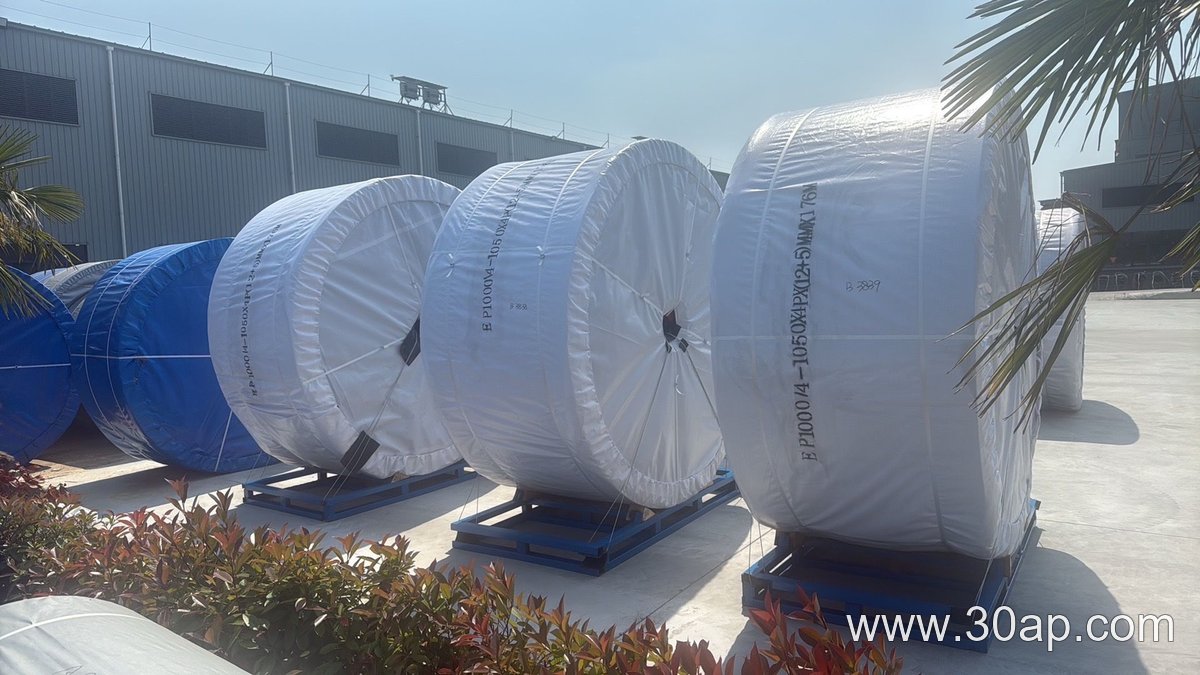
The word “high strength” usually refers to the breaking strength of the carcass. In practice, buyers see grades such as EP200, EP315, EP400, EP500, EP630, EP800, EP1000, EP1250, EP1600, and EP2000. The number indicates the nominal tensile strength per unit width, and the final selection depends on the duty, belt width, and pulley arrangement.
How the Belt Is Built
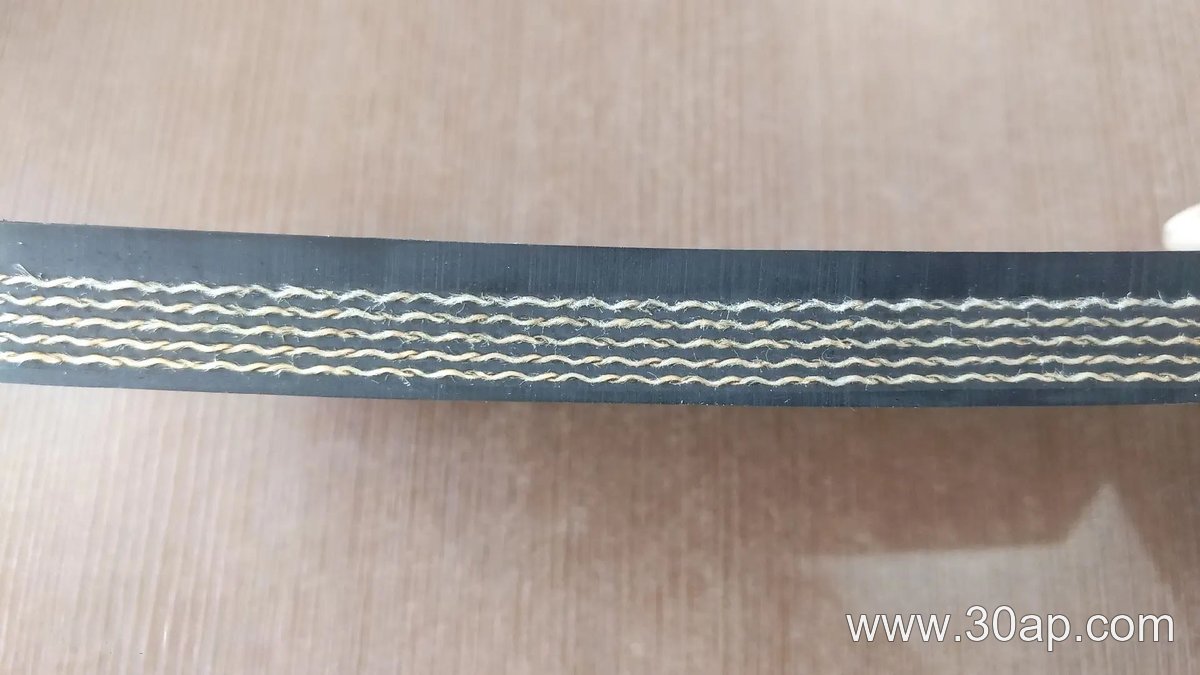
The construction has three main parts: the carcass, the cover rubber, and the edge protection.
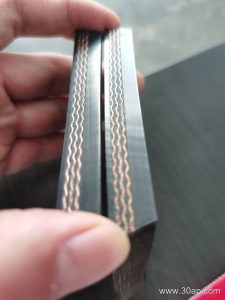
- Carcass: EP (polyester warp, nylon weft) or NN (nylon warp, nylon weft) fabric plies, usually 2 to 6 layers. Steel cord belts use parallel steel wires instead of fabric plies.
- Cover rubber: Top and bottom covers protect the carcass. Common thickness combinations include 3+1.5 mm, 4+2 mm, 5+2 mm, 6+2 mm, and 8+3 mm.
- Special grades: Wear-resistant, heat-resistant, oil-resistant, flame-retardant, antistatic, cold-resistant, and acid-alkali-resistant covers are available for specific environments.
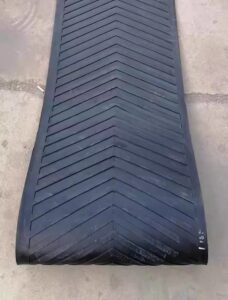
- Surface forms: Smooth, patterned, chevron (herringbone), and corrugated sidewall belts for inclined or material-retaining duties.
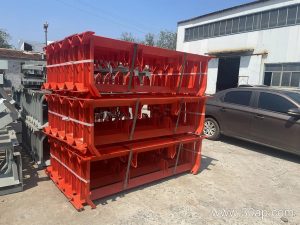
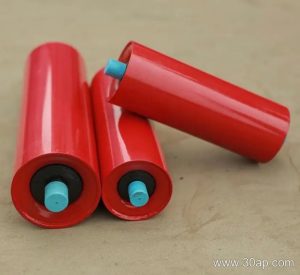
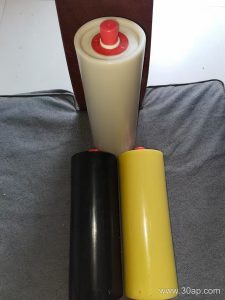
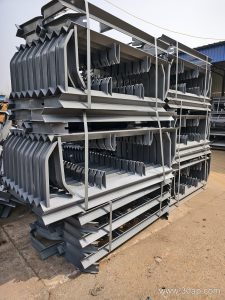
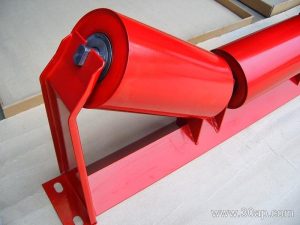
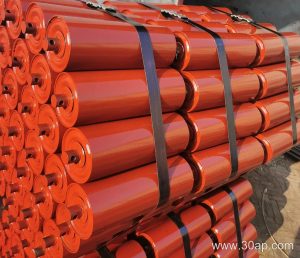
An idler roller supports the belt along the carrying run, while a conveyor pulley drives or redirects it. A conveyor bracket holds the idlers and pulleys in alignment. These components work together, but the belt remains the load-bearing element.
Where It Is Used
High strength belts appear in bulk material handling where tonnage and distance are significant. Examples include coal and ore transport, cement plants, port loading systems, steel mills, and large quarries. A steel cord belt is often chosen for very long overland conveyors because it stretches less and needs fewer splices. An EP or NN belt is common in medium-duty plants where flexibility and easier splicing matter.
For inclined transport, a chevron or corrugated sidewall version can prevent material rollback. For hot clinker or sinter, a heat-resistant cover is used. For underground or dusty areas, flame-retardant and antistatic grades are specified. The choice is driven by the material, the environment, and the conveyor geometry, not by a single universal belt.
Widths and Pulley Relationships
Belt widths are usually quoted as B500, B650, B800, B1000, B1200, B1400, B1600, B1800, and B2000. A wider belt does not automatically mean a larger drive pulley, tail pulley, or bend pulley. These are different components with separate design rules. The drive pulley transmits torque, the tail pulley returns the belt, and the bend pulley changes direction. They are not interchangeable names, and one belt width can match more than one pulley diameter depending on tension, wrap angle, and space.
Similarly, shaft diameter cannot be derived from belt width alone. It depends on the pulley load, the bearing arrangement, and the conveyor design. Buyers should provide the full duty data rather than a single dimension.
What a Buyer Should Check
- Tensile grade and number of plies or steel cord construction
- Cover thickness and rubber grade for abrasion, heat, oil, or fire resistance
- Belt width and whether the existing idlers and pulleys can support it
- Belt speed, lump size, and impact conditions at the loading point
- Splice method and whether the belt will be vulcanized or mechanically joined
- Ambient temperature and any antistatic or flame-retardant requirement
Ask for the manufacturer’s data sheet and compare the stated values with the actual operating conditions. The right high strength conveyor belt is the one that matches the carcass strength, cover compound, and width to the conveyor, not simply the highest number on a price list.