What a Return Idler Set Does
A return idler set is the group of rollers mounted under the carrying run of a conveyor belt. Once the belt has dumped its load at the head end, it travels back to the tail in a loose, empty condition. The return idler set supports that empty strand, keeps it from sagging between frames, and helps the belt track reasonably straight. Without it, the belt would drag, flap, and wear against the structure. In everyday plant language the same assembly is often called a return roller set or lower idler set, and those names refer to the same product.
How the Assembly Is Built
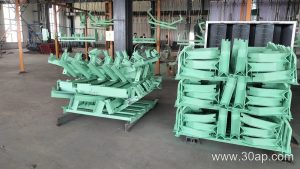
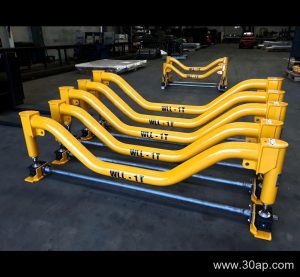
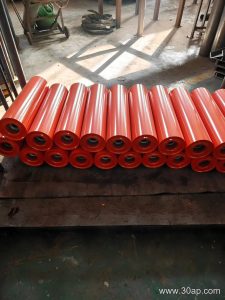
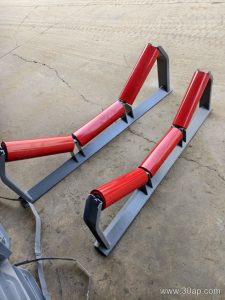
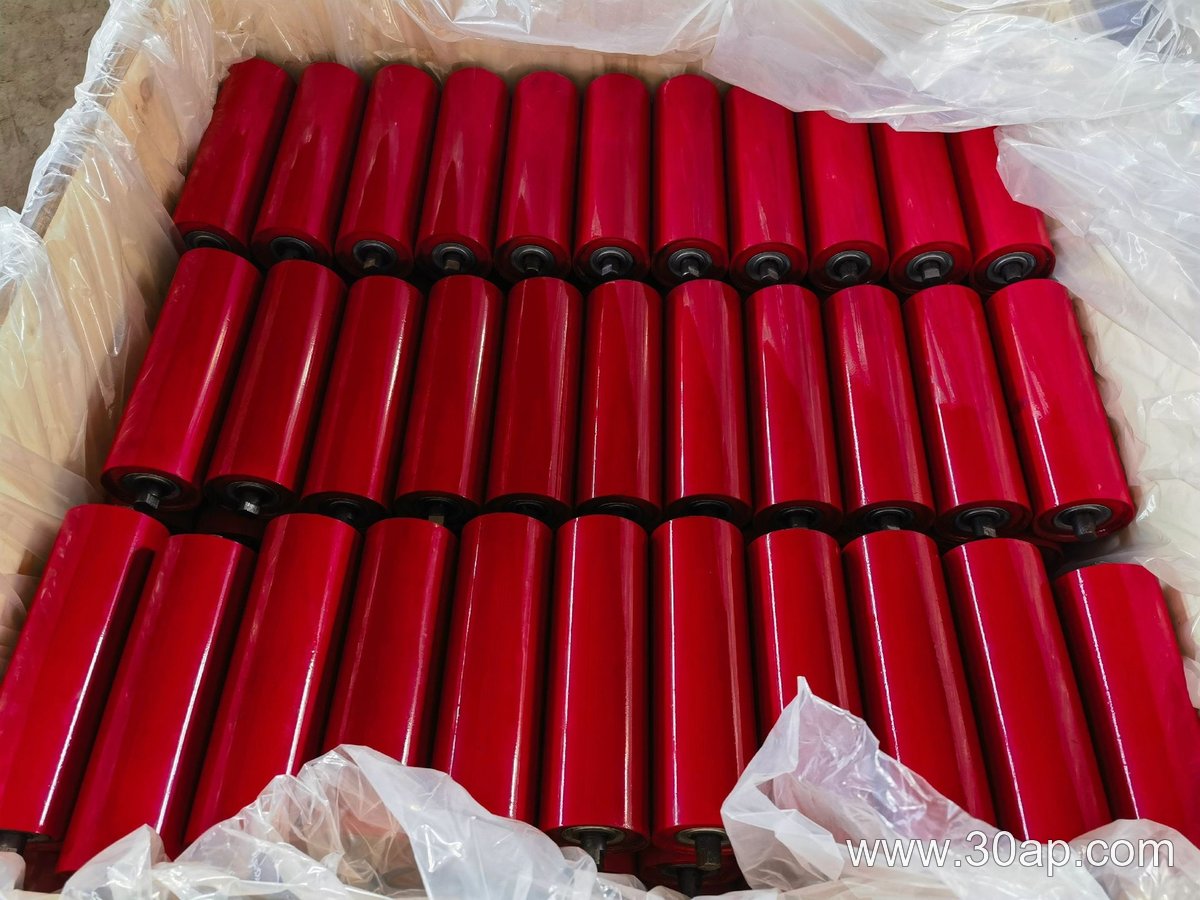
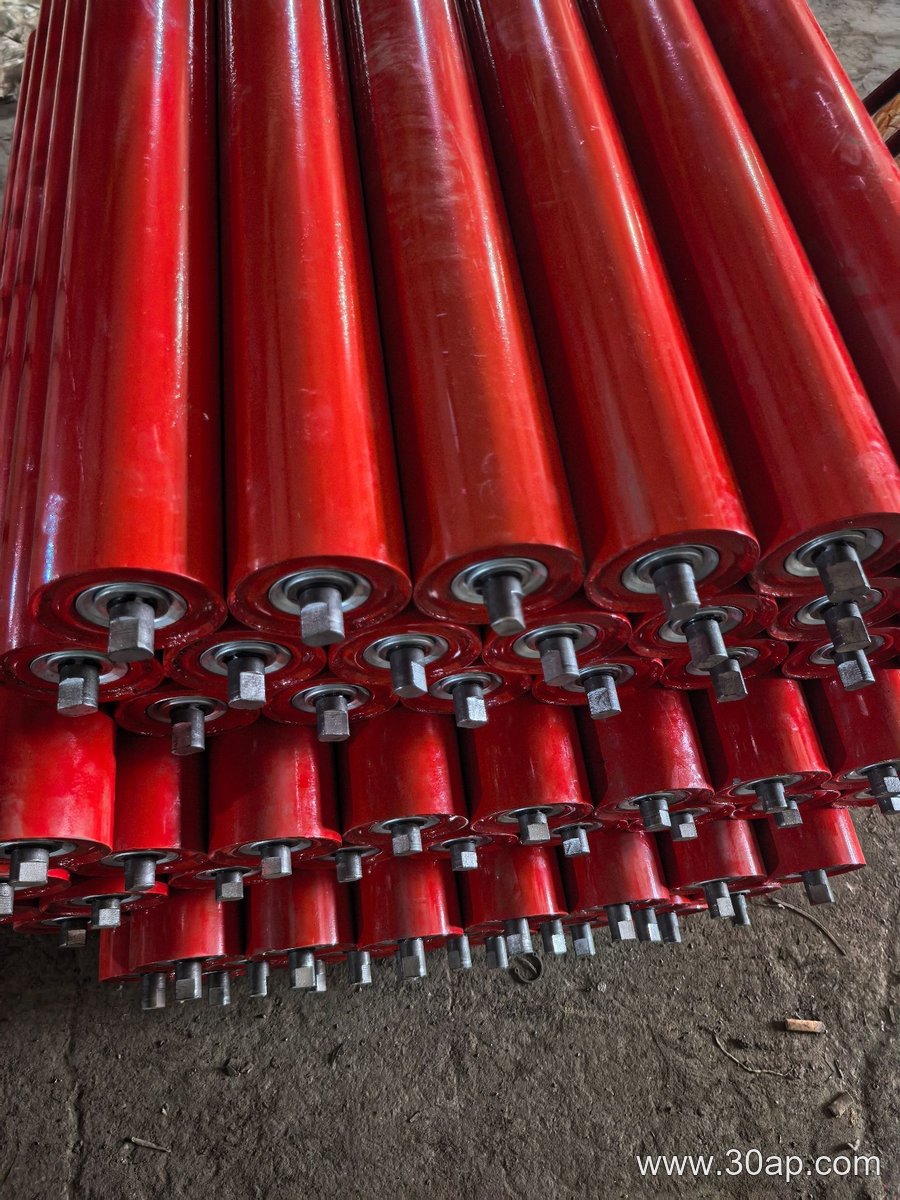
A typical set is made of one or more idler rollers, a shaft, bearing housings, seals, and a frame or bracket that bolts to the conveyor stringer. The roller shell is usually steel tube, though nylon, rubber-covered, and ceramic-faced versions exist for special duties. Bearings such as 6204, 6205, 6305, 6306, 6308, or 6310 are common, and the choice depends on load and speed rather than on belt width alone. Sealing matters more than many buyers expect: fine dust and water are what shorten roller life in most plants. The frame is often a simple flat bar or an angle section, and it connects to the conveyor bracket with standard bolts.
Common Forms and Sizes
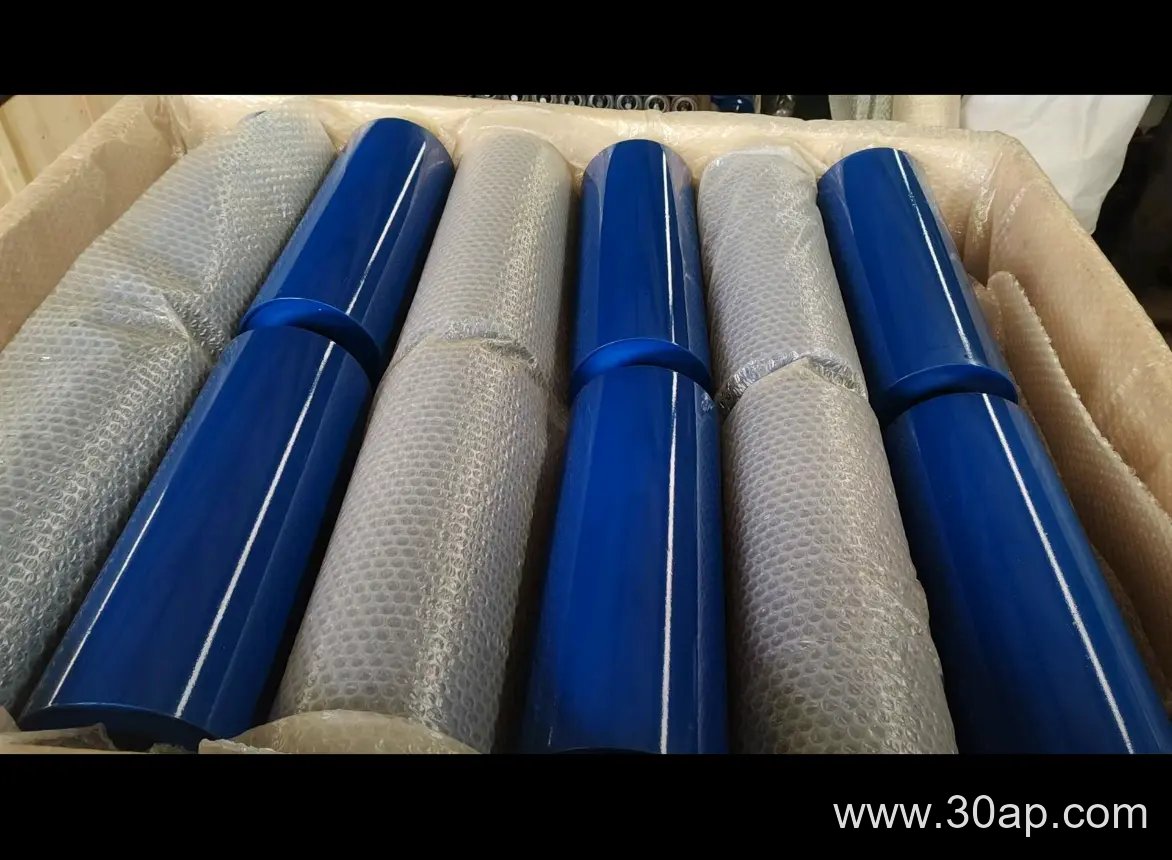
Flat return sets use a single roller. V-shaped return sets use two rollers set at an angle, which helps center a wandering belt. Spiral or helical rollers shed sticky material, and rubber-disc rollers absorb impact in the return path. Below are common reference values; they are examples, not fixed pairings, and the final selection follows the conveyor design.
- Roller diameters often seen: Ø63, Ø76, Ø89, Ø102, Ø108, Ø127, Ø133, Ø159, Ø178, Ø194, Ø219 mm
- Belt widths commonly covered: B400, B500, B650, B800, B1000, B1200, B1400, B1600, B1800, B2000, B2200, B2400
- Roller lengths for three-roll troughing sets, as a rough guide: about 200 mm at B500, 250 mm at B650, 315 mm at B800, 380 mm at B1000, 465 mm at B1200, 530 mm at B1400, 600 mm at B1600, 670 mm at B1800, 750 mm at B2000
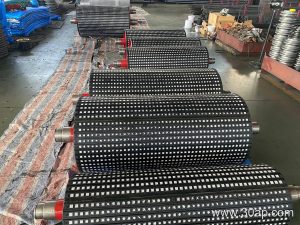
- Roller surface options: steel tube, nylon, ceramic, rubber rings
- Frame and mounting: fixed bracket, adjustable bracket, or sliding frame
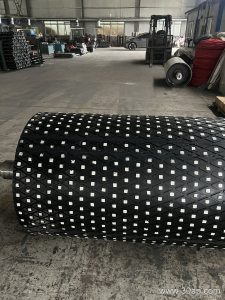
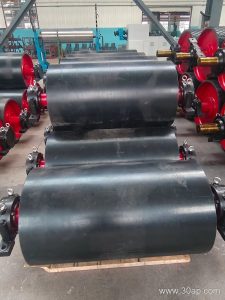
Note that return rollers and troughing rollers are different products serving different belt runs. A three-roll troughing set carries the loaded belt, while a return set carries the empty side. Drive pulleys, tail pulleys, and bend pulleys are also separate items and are never interchangeable with an idler set.
Where These Sets Are Used
Return idler sets appear on almost every belt conveyor, but the working conditions vary a lot. In a quarry or an aggregate crushing and screening line, abrasive dust and uneven loading are the main concerns, so durable seals and thicker shells help. In a coal handling plant at a power station, sticky fines and moisture can build up on plain rollers, and spiral rollers are sometimes preferred for that reason. The same product also runs in cement plants, ports, steel works, and sand and gravel yards.
What a Buyer Should Check
Before ordering, confirm the belt width, the roller diameter, the shaft ends, and the mounting hole spacing on the frame. Ask whether the set is flat, V-shaped, or spiral, because that choice affects belt training and material discharge. Check the bearing size and the seal type, since these drive service life more than the shell thickness in most cases. Finally, remember that the roller length, shaft diameter, and bracket pattern are all design decisions. A given belt width does not lock the conveyor into one roller diameter or one shaft size, and no single specification fits every machine.