What an 800mm Conveyor Belt Actually Means
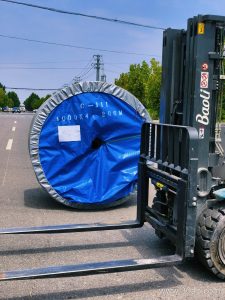
An 800mm conveyor belt is a belt with a nominal width of 800 millimeters, often written as B800 in technical documents. The width is measured across the full belt, not the carrying surface alone, and it sets how much material can be transported per unit of time at a given belt speed. This size sits in the middle of the common range, above narrower B500 and B650 belts and below wider B1000 and B1200 designs.
Width is only one part of the specification. A complete description of an 800mm conveyor belt also includes the carcass type, tensile strength, cover grade, cover thickness, and any special surface form. Buyers should treat the width as the starting point, not the whole story.
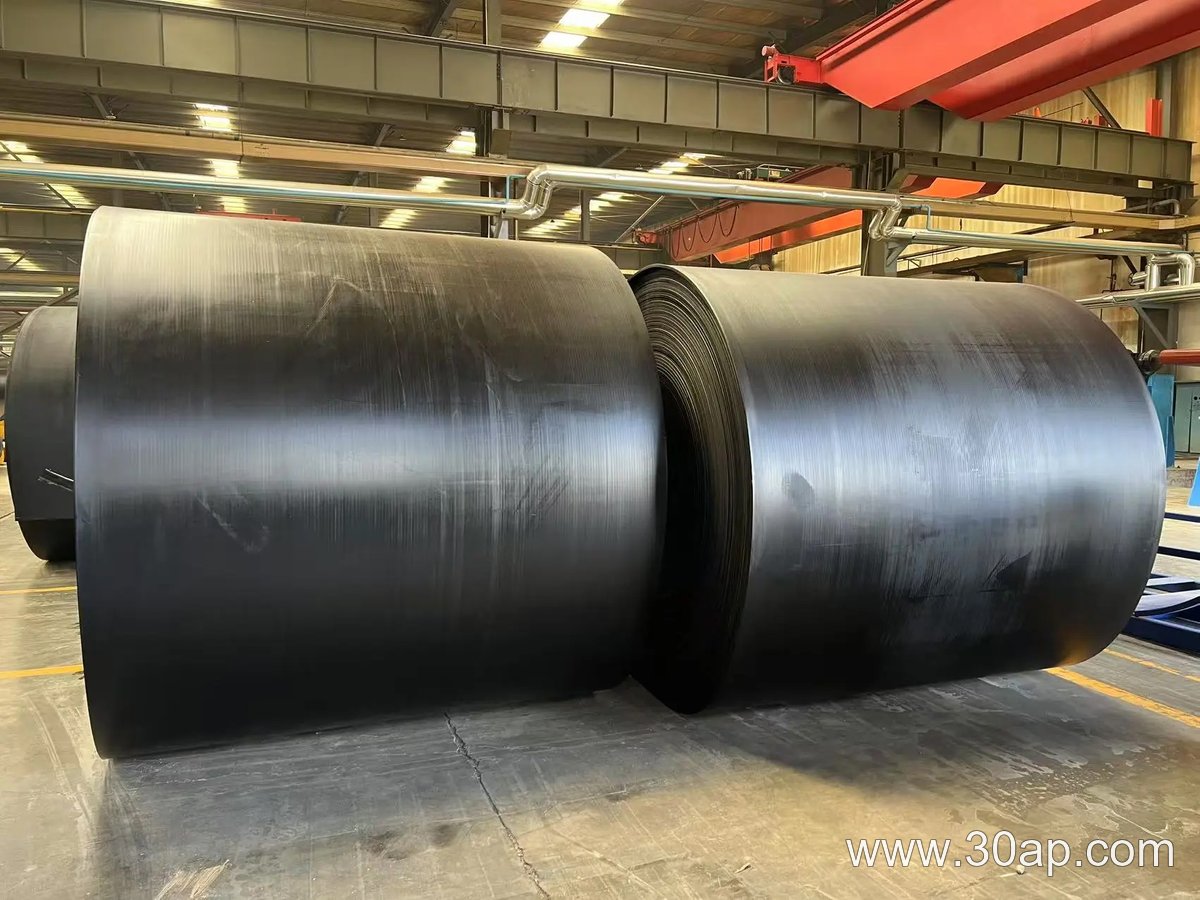
Construction of a B800 Belt
The belt is a composite structure. A textile or steel carcass provides tensile strength and resistance to stretching under load, while rubber or PVC covers protect the carcass from abrasion, impact, and moisture. Common carcass options include EP fabric, NN nylon, and steel cord, each suited to different tension and impact conditions.
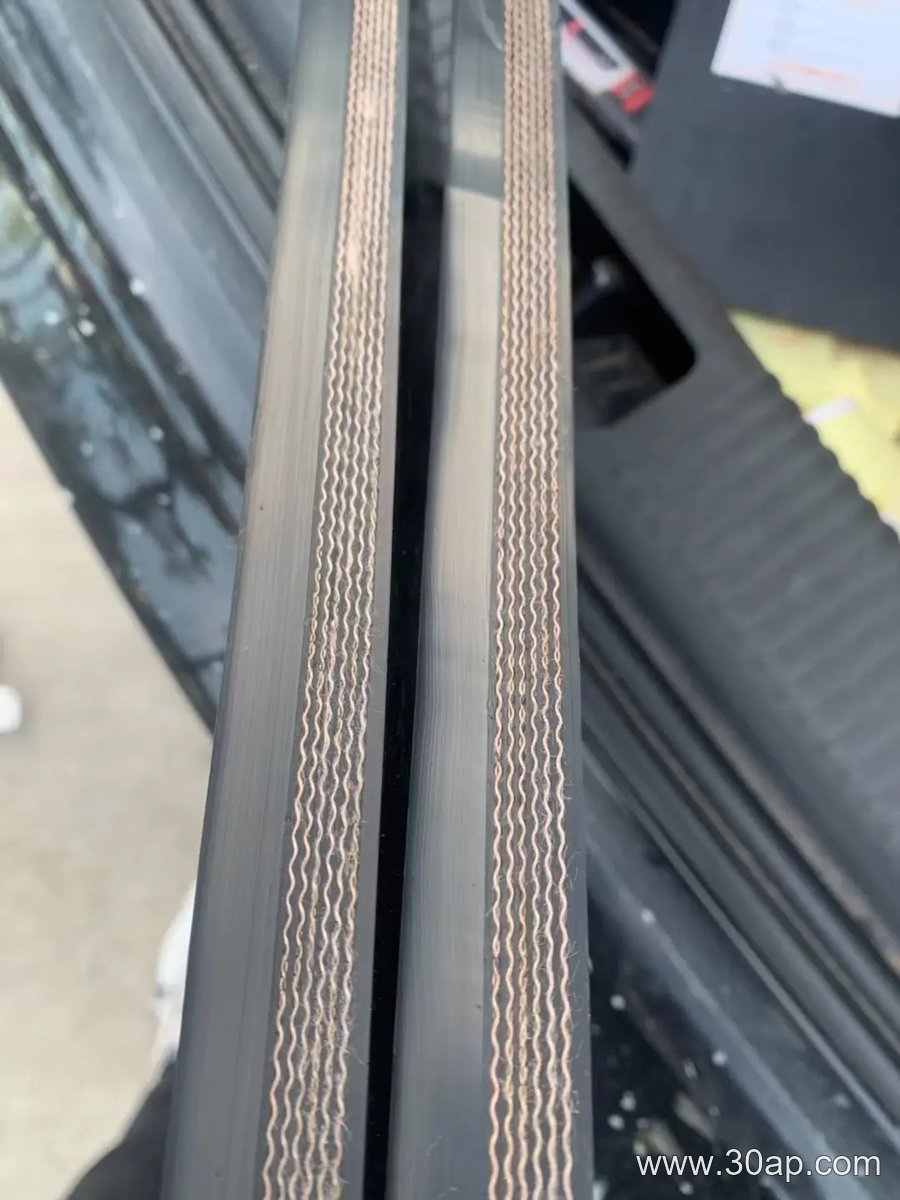
For an 800mm belt, typical constructions use two to six fabric plies depending on the required strength. Cover rubber is usually specified as a top and bottom thickness pair, for example 4+2 mm or 5+2 mm, with heavier covers used in abrasive or high-impact service. The belt edges may be cut or molded, and the surface may be smooth, patterned, or fitted with sidewalls.
Width-Related Hardware and the Misconception to Avoid
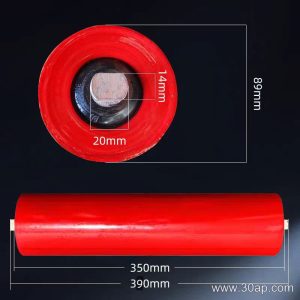
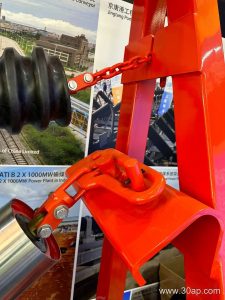
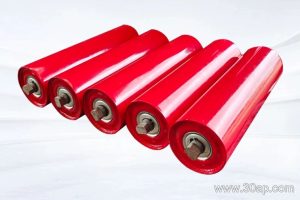
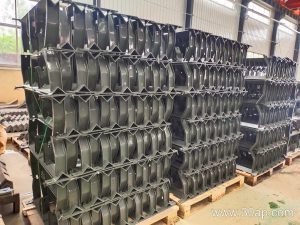
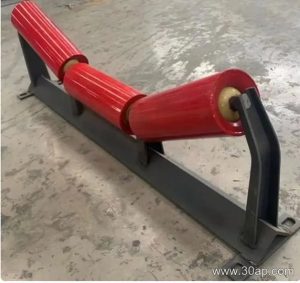
An 800mm conveyor belt runs on a conveyor system that includes idler rollers, a conveyor pulley, and a conveyor bracket supporting the structure. The belt width influences the length of the idlers and the face width of the pulleys, but it does not dictate a single pulley diameter.
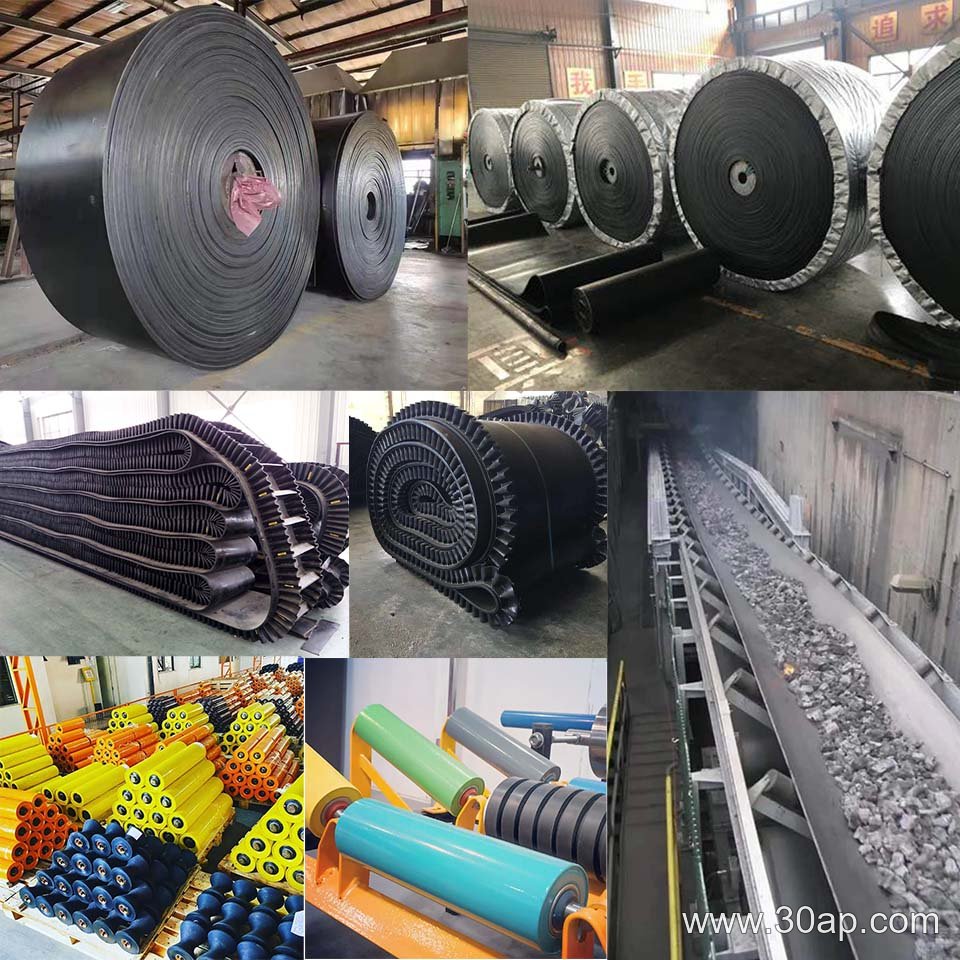
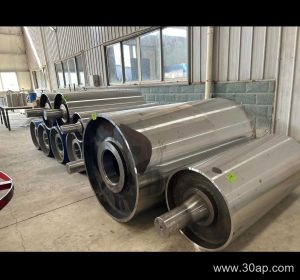
A common mistake is assuming that one belt width can only match one pulley diameter. In practice, the drive pulley, tail pulley, and bend pulley are selected by different criteria. The drive pulley diameter depends on the required torque, the belt tension, and the carcass type. The tail pulley and bend pulley are chosen for belt tracking and bending fatigue rather than for the belt width alone. Drive, tail, and bend pulleys are distinct components and are not interchangeable names for the same part. A fabric belt may run on a smaller pulley than a steel cord belt of the same width. Shaft diameter is determined by the load and the pulley design, not by the belt width on its own.
Where an 800mm Belt Is Used
This width is common in medium-capacity bulk handling and general conveying. Typical applications include crushed stone, sand and gravel, coal, fertilizer, grain, and packaged goods. It also appears in recycling lines, foundries, and quarry plants where a balance between capacity and equipment size is needed.
For harsh conditions, the belt may be specified as wear-resistant, heat-resistant, oil-resistant, flame-retardant, antistatic, cold-resistant, or acid and alkali resistant. Patterned surfaces such as chevron or herringbone help on inclines, while corrugated sidewall belts contain material on steep or vertical routes. These are variations of the same product family, not replacements for the 800mm width itself.
Selection Data a Buyer Should Check
When specifying an 800mm conveyor belt, the following values should be confirmed against the actual conveyor design and the supplier’s data sheet. They are reference categories, not fixed universal combinations.
| Parameter | Common options | Notes |
|---|---|---|
| Belt width | B800 (800 mm) | Nominal width, not carrying width alone |
| Carcass type | EP, NN nylon, steel cord | Chosen for tension and impact |
| Tensile strength | EP200 to EP2000, etc. | Match to calculated belt tension |
| Number of plies | 2 to 6 | Depends on strength class |
| Cover thickness | 3+1.5, 4+2, 5+2, 6+2, 8+3 mm | Top + bottom, by duty |
| Cover grade | Wear, heat, oil, flame, antistatic, cold, chemical | Based on environment |
| Surface form | Smooth, chevron, corrugated sidewall | For incline or containment |
Also confirm belt speed, trough angle, and the maximum lump size. A larger lump size may require a wider belt or a different carcass even if the tonnage is low. The idler roller spacing and the pulley dimensions should be reviewed together with the belt data, because a mismatch can cause edge damage or mistracking.
Installation and Maintenance Points
Correct alignment matters more on an 800mm belt than on very narrow belts because there is more surface to track. Check that the idlers are square to the belt centerline and that the conveyor pulley faces are parallel. Keep the belt tension within the recommended range; too little tension causes slip, while too much accelerates splice and carcass fatigue.
- Inspect the belt edges for fraying or impact damage.
- Check the splice regularly for open seams or step wear.
- Clean the return side to prevent material buildup on pulleys.
- Verify that skirt rubber and chute liners do not pinch the belt.
An 800mm conveyor belt is a versatile, widely used size. Success comes from matching the carcass, cover, and strength to the actual duty, and from choosing pulleys, idlers, and brackets as a system rather than assuming that width alone determines every other dimension.