What a Conveyor Idler Frame Does
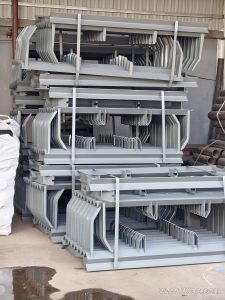
A conveyor idler frame is the structural unit that holds idler rollers in position along a belt conveyor. Sometimes called a roller bracket assembly or idler support frame, it keeps each roller at the correct spacing, height and angle so the conveyor belt runs smoothly under load. The frame does not carry the material itself. It transfers the weight of the belt and cargo into the conveyor structure, while allowing the rollers to turn freely.
A typical frame combines a crossbeam, mounting slots or holes for the roller shafts, and fixing points for attachment to the conveyor stringer. Many designs use angle steel, channel steel or folded steel plate. The frame must resist vibration, belt wander and occasional impact without bending or loosening.
Main Types and Where They Sit
Frames are usually grouped by their position and function on the conveyor.
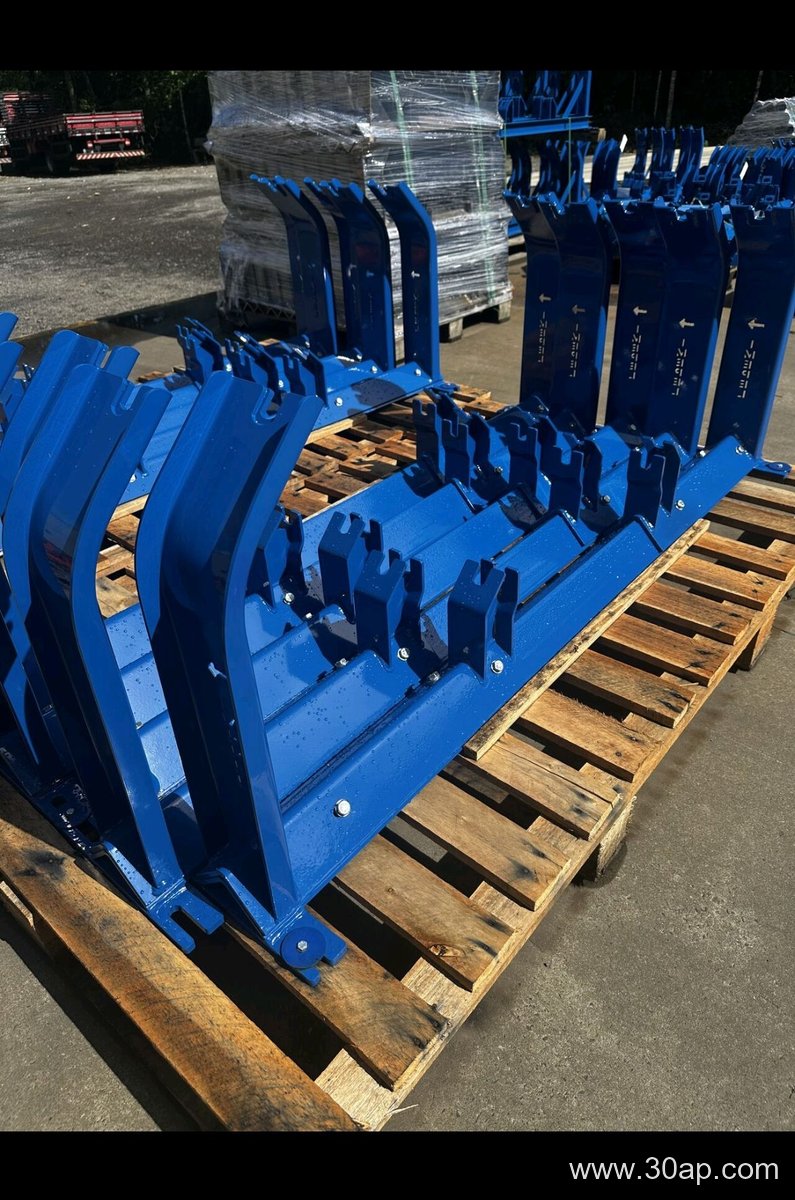
- Troughing frames support the carrying side, holding three or more rollers in a trough shape.
- Transition frames sit between the tail pulley and the first full troughing set, guiding the belt gradually into its trough profile.
- Return frames support the empty belt, often as a flat return or V-shaped return arrangement.
- Impact frames use cushioning rollers under the loading point to absorb falling material.
- Self-aligning frames help correct belt tracking by allowing small lateral movement or rotation.
- Adjustable frames let maintenance staff change the trough angle within a range.
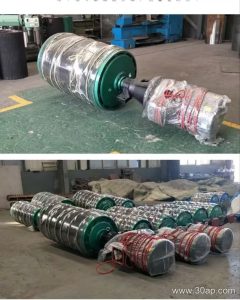
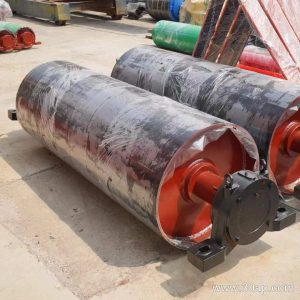
Drive pulleys, tail pulleys and bend pulleys are separate components that transmit motion or change belt direction. They are not part of the idler frame family and should not be ordered as substitutes.
How Trough Angle, Belt Width and Roller Diameter Relate
Trough angle, belt width and roller diameter are related design choices, but they are not locked into a single combination. A wider belt often uses a larger roller diameter and a deeper trough angle, yet the final selection depends on material, speed and load. Common trough angles include 20, 30, 35 and 45 degrees. Adjustable frames can move between some of these angles. Forward-tilted frames usually lean about 1.5 to 2 degrees to help belt tracking.
Roller diameters often seen in conveyor idler frames include Ø89, Ø108, Ø133, Ø159 and Ø194. Belt widths range from B500 and B650 up to B2000 and B2200. For example, a B800 frame with 35-degree trough and Ø108 rollers is a familiar mid-duty arrangement. A B1200 frame with 45-degree trough and Ø133 rollers suits heavier loading. A B650 frame with 30-degree trough and Ø89 rollers fits lighter duty. These are examples, not fixed rules. The same belt width can accept different trough angles and roller diameters.
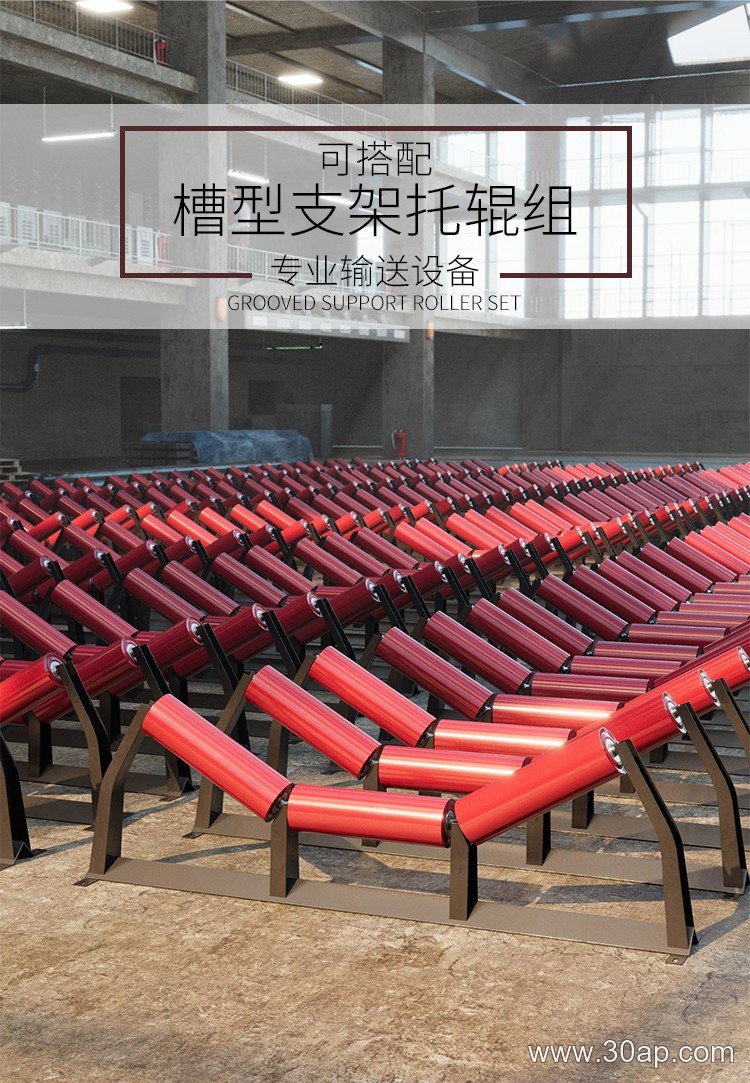
Materials and Construction Details
Most frames are made from angle steel, channel steel or folded steel plate. The crossbeam length and mounting hole spacing change with belt width and trough angle, so they are not universal. Welded frames need clean joints and consistent hole alignment. Bolted frames allow easier replacement in the field. A conveyor bracket that connects the frame to the stringer should match the hole pattern and load rating of the conveyor structure. When a frame is installed, the idler roller shafts should sit level and rotate without binding.
Where These Frames Are Used
Conveyor idler frames appear in many bulk handling settings. In a quarry or limestone mine, they support belts that carry crushed rock from the crusher to the stockpile. In a coal washing plant or power station coal yard, they handle abrasive and wet material. The same frames are used in sand and gravel lines, cement plants, steel mills, fertilizer plants and grain silos. Each location affects the choice of frame type, roller diameter and trough angle, but the basic job stays the same.
What Buyers Should Check
Before ordering, confirm the belt width, trough angle, roller diameter and mounting hole spacing. Check whether the frame is fixed or adjustable, and whether it is for carrying, return, impact or transition duty. Ask about the material thickness and surface treatment. A frame that is too light may flex under load, while an oversized frame may not fit the existing stringer. If the conveyor uses a specific conveyor pulley arrangement, keep those pulleys separate from the idler frame order. For maintenance, keep spare frames and idler rollers on hand so a damaged unit can be replaced without stopping the whole line.