What a Power Plant Conveyor Idler Does
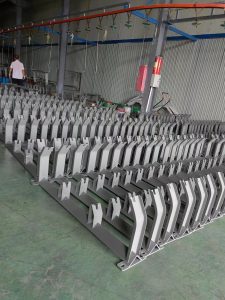
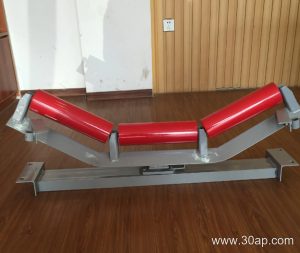
A power plant conveyor idler is the rotating support that carries the conveyor belt along the coal handling path. In a typical plant, these idlers sit under the loaded belt, on the return side, and at transition points where the belt changes shape. Their job is simple in principle: keep the belt moving smoothly, reduce friction, and protect the belt from excessive sag. In practice, the power plant environment adds heat, dust, and continuous duty, so the idler must be built for reliability rather than low cost alone.
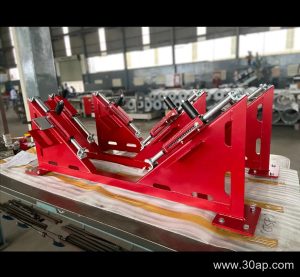
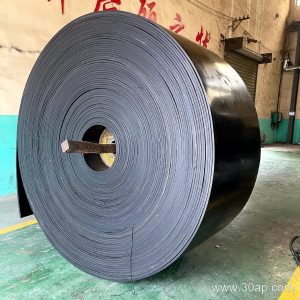
The idler roller is not a drive component. It does not pull the belt. That task belongs to the conveyor pulley, such as the drive pulley or tail pulley. The idler simply supports and guides. A conveyor bracket holds the idler assembly to the conveyor frame, and the belt rides on the roller surface.
How a Power Plant Conveyor Idler Is Built
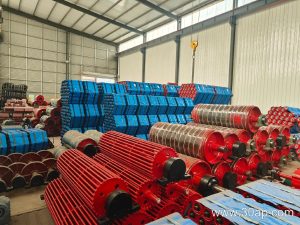
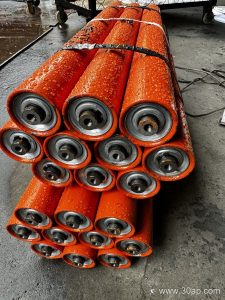
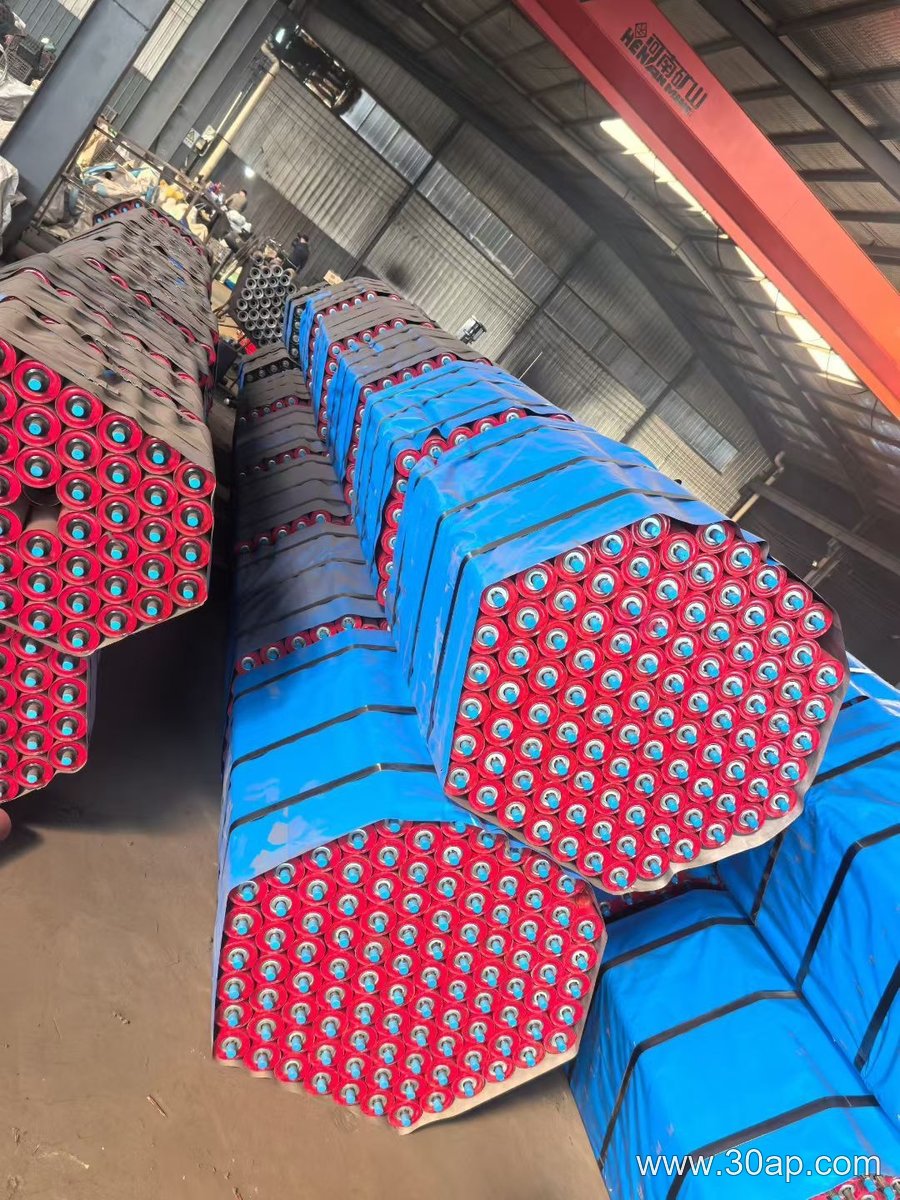
A standard idler has a steel tube shell, a shaft, bearing housings, seals, and a bearing arrangement. The shell may be plain steel, nylon-coated, ceramic-covered, or fitted with rubber rings for impact zones. The bearing size is matched to the load and speed, with common sizes including 6204, 6205, 6305, 6306, 6308, and 6310. These bearings are not tied to one specific roller diameter. A 102 mm roller and a 133 mm roller can both use the same bearing family if the design allows.
Sealing matters more in a power plant than in many other applications. Fine coal dust and ash can enter a poorly sealed bearing and cause early failure. A good power plant conveyor idler uses multiple labyrinth seals or felt seals with grease retention. The shaft may be cold-drawn or turned, and the end caps are usually pressed or welded to the tube.
Common Roller Diameters and Belt Widths
Roller diameter and belt width are selected together with the conveyor design. Typical roller diameters include Ø63, Ø76, Ø89, Ø102, Ø108, Ø127, Ø133, Ø159, Ø178, Ø194, and Ø219 mm. Belt widths commonly range from B400 to B2400. A wider belt does not automatically require a specific roller diameter, and a given belt width can work with more than one diameter depending on load, speed, and idler spacing.
| Belt Width | Typical Three-Roll Troughing Idler Roll Length (Example) |
|---|---|
| B500 | About 200 mm |
| B650 | About 250 mm |
| B800 | About 315 mm |
| B1000 | About 380 mm |
| B1200 | About 465 mm |
| B1400 | About 530 mm |
| B1600 | About 600 mm |
| B1800 | About 670 mm |
| B2000 | About 750 mm |
These figures are common examples, not fixed rules. Side rollers and center rollers can differ in length. The trough angle, usually 20, 30, 35, or 45 degrees, also changes the geometry.
Where Power Plant Conveyor Idlers Are Used
In a coal-fired power plant, idlers appear along the entire coal handling system: from the unloading area to the crusher house, transfer towers, and bunker bay. The most demanding locations are impact zones under the loading point, where a buffer idler with rubber rings absorbs the falling coal. On the return side, a V-shaped return idler or flat return idler keeps the belt aligned and supports its weight.
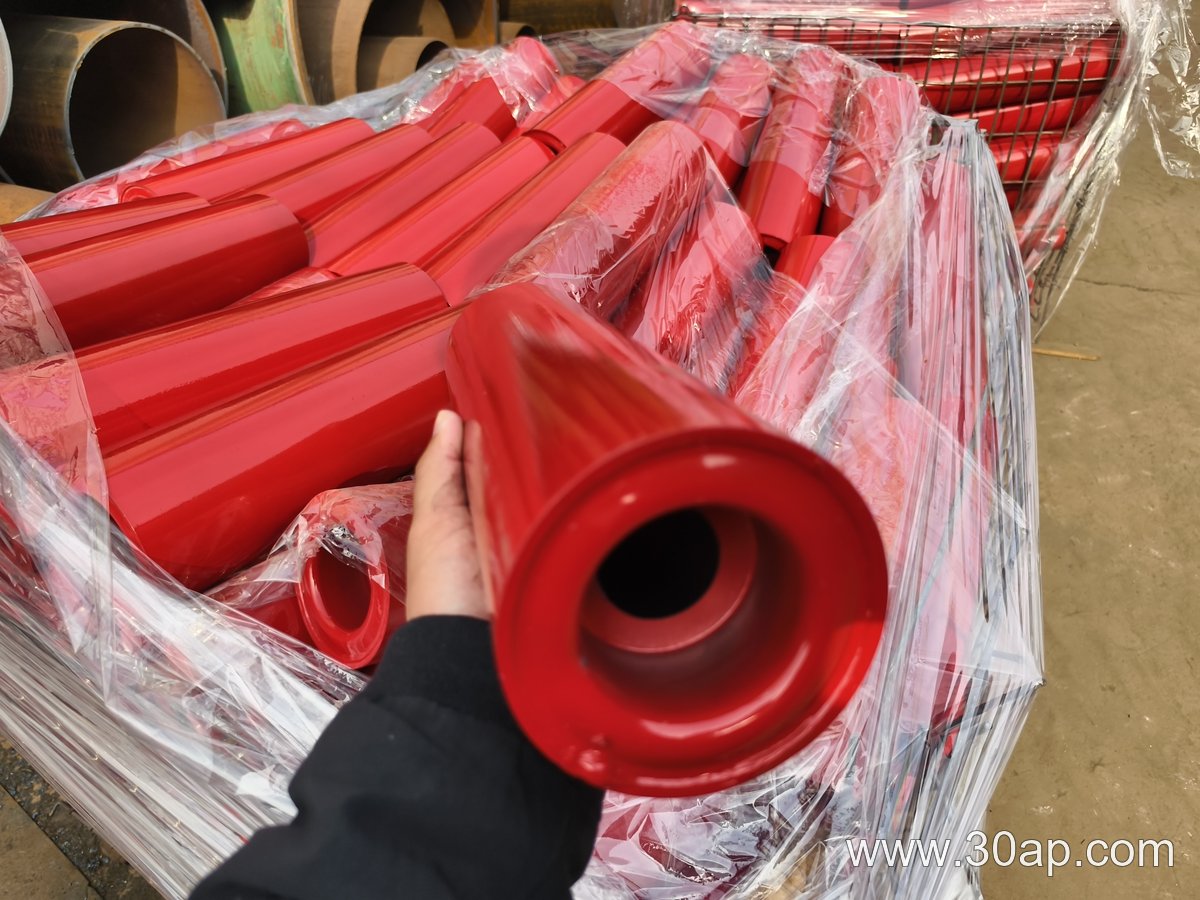
Self-aligning idlers, including friction and tapered types, help correct belt drift on long conveyors. A spiral idler can reduce material buildup on the return strand. These are not replacements for the main troughing idler; they solve specific problems in specific locations.
What a Buyer Should Know
When specifying a power plant conveyor idler, ask for the roller diameter, shaft diameter, bearing size, seal type, and roller surface. Do not assume that one belt width matches only one pulley diameter or one shaft size. The drive pulley, tail pulley, and bend pulley are separate components with their own diameters and lagging. The idler selection should follow the conveyor’s load, speed, and environmental conditions.
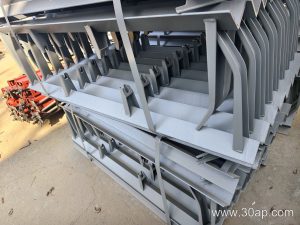
Also consider the frame connection. A conveyor bracket must fit the existing stringer spacing and bolt pattern. If the bracket is wrong, even a well-made idler will not sit correctly. For replacement, measure the old idler and compare the load rating, not just the outside diameter.
Finally, keep spare idlers in stock for critical conveyors. A failed idler can damage the conveyor belt and stop coal flow. Regular inspection of roller rotation, seal condition, and bracket tightness is a practical way to extend service life.