What a 1200mm Conveyor Belt Is
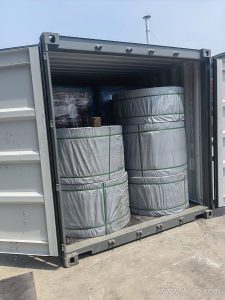
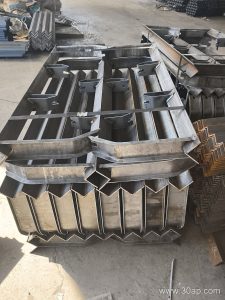
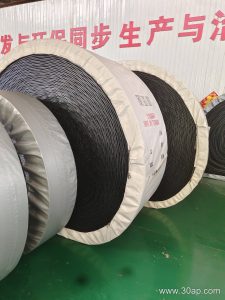
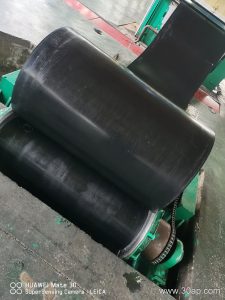
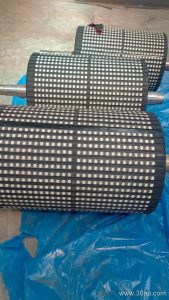
A 1200mm conveyor belt is a wide-format belt with a nominal width of 1,200 millimetres, often written as B1200 in technical documents. It sits in the upper-middle range of standard belt widths, wider than common B800 or B1000 belts and narrower than B1400 or B1600 constructions. This width is chosen when a single stream of bulk material needs high volumetric capacity without making the conveyor structure excessively large. The belt itself is the load-carrying element, but it works together with idler rollers, conveyor pulleys, and conveyor brackets to form a complete conveying line.
Construction and Material Options
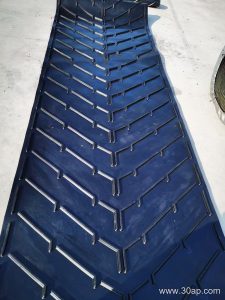
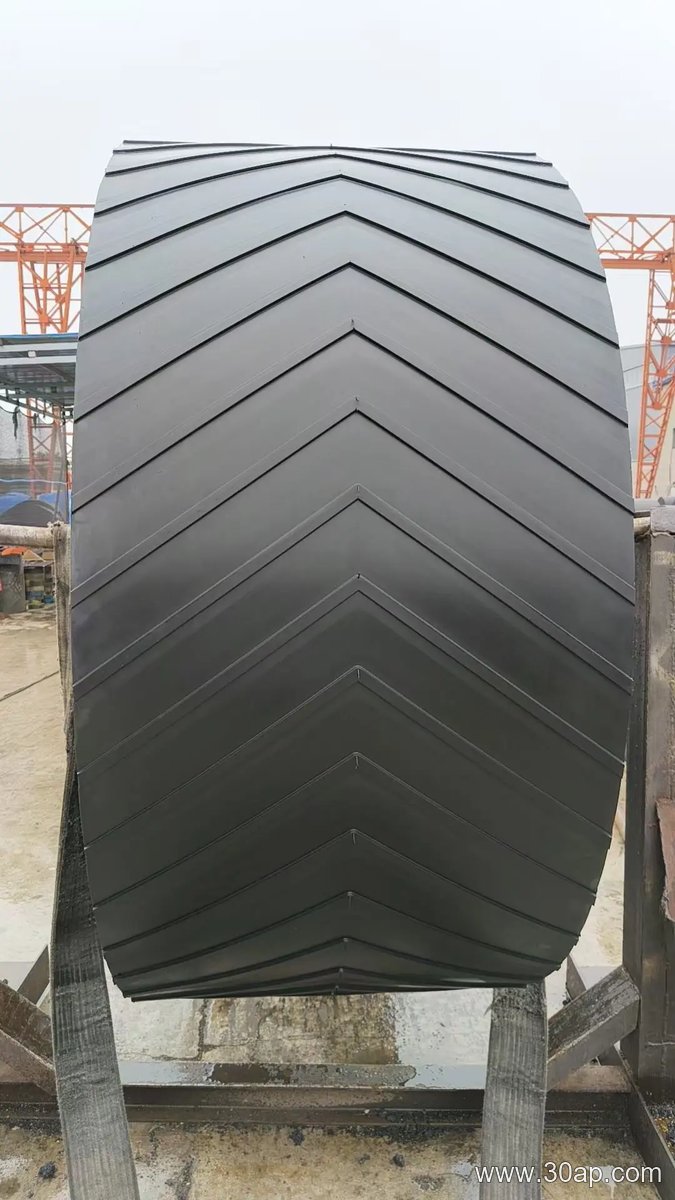
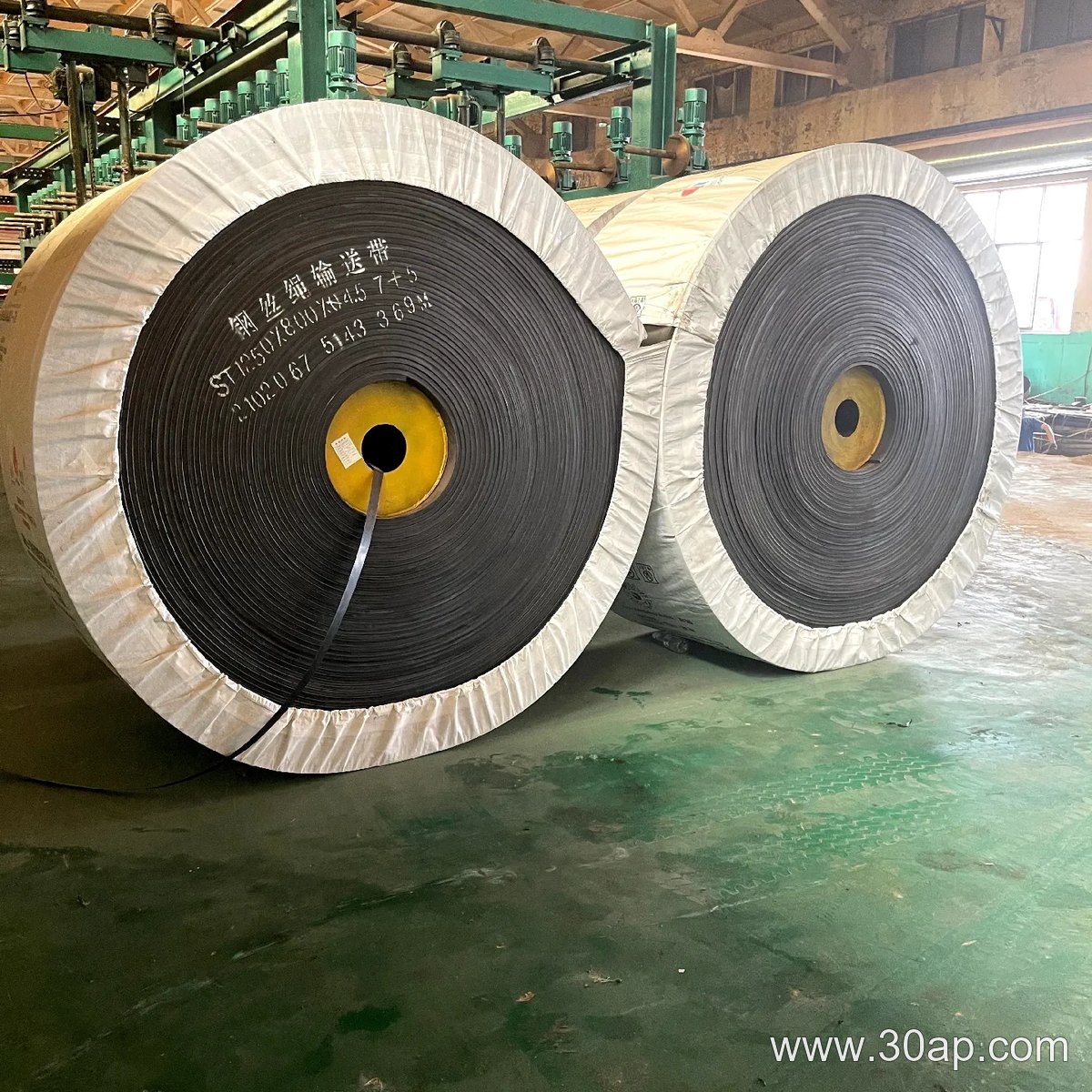
The 1200mm belt is built around a tension-carrying carcass covered with rubber or polymer on both faces. Common carcass types include EP fabric, NN nylon, and steel cord. EP and NN belts are usually supplied with two to six plies, while steel cord belts use a single layer of parallel cords for very long runs or high tension. Cover compound selection depends on the duty: abrasion-resistant, heat-resistant, oil-resistant, flame-retardant, antistatic, cold-resistant, and acid-alkali-resistant grades are all available. Surface forms such as smooth, patterned, chevron, and corrugated sidewall can be applied when the application calls for extra grip or material containment.
Typical Specification Ranges
Strength grades for a 1200mm belt commonly range from EP200 up to EP2000, with steel cord options for higher demands. Cover thickness is often expressed as top plus bottom, for example 3+1.5 mm, 4+2 mm, 5+2 mm, 6+2 mm, or 8+3 mm. These values are reference figures; actual selection depends on the conveyor design, material lump size, and operating conditions.
| Parameter | Common Range |
|---|---|
| Belt width | B1200 (1,200 mm) |
| Fabric strength grades | EP200, EP315, EP400, EP500, EP630, EP800, EP1000, EP1250, EP1600, EP2000 |
| Carcass plies | 2 to 6 layers |
| Cover thickness | 3+1.5, 4+2, 5+2, 6+2, 8+3 mm |
| Surface forms | Smooth, patterned, chevron, corrugated sidewall |
Where a 1200mm Belt Fits
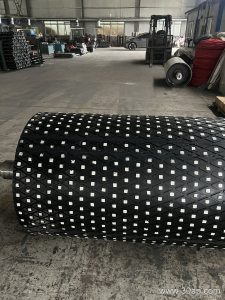
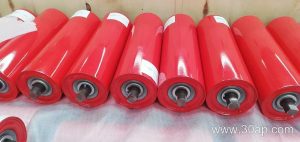
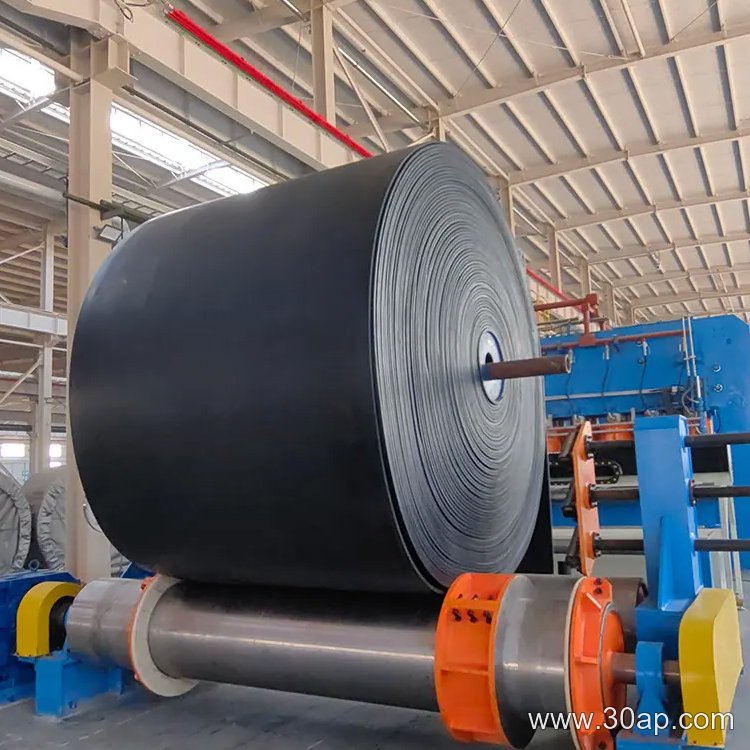
This width is common in aggregate plants, coal handling, ore transport, cement production, and large-scale bulk terminals. It can carry crushed stone, sand, gravel, clinker, and similar materials at high tonnage. The belt also appears in recycling lines and some heavy manufacturing plants where wide, continuous feed is required. In these systems, the belt runs over idler rollers that support the load, around a drive pulley that moves it, and a tail pulley that returns it. Bend pulleys may be used to redirect the belt in the return run. Conveyor brackets hold the idlers and pulleys in alignment, so their spacing and strength matter as much as the belt itself.
Selection Points for Buyers
Before ordering a 1200mm conveyor belt, clarify the material being carried, its density, lump size, temperature, and whether it is oily, abrasive, or chemically active. Confirm the required tensile strength and the number of plies, then match the cover grade to the environment. The pulley diameters are decided by the belt construction and the manufacturer’s recommendation, not by belt width alone. A wider belt does not automatically require a specific shaft diameter, and one belt width can be paired with different pulley sizes depending on tension and wrap angle. Buyers should also check the troughing angle, idler roller spacing, and transition distance, because these affect belt training and edge wear.
Installation and Maintenance Notes
- Align the conveyor pulleys squarely so the belt does not drift to one side.
- Inspect idler rollers for seizure or missing rollers, which can damage the belt edge.
- Keep the belt tension within the design range; too much tension shortens splice life.
- Check the conveyor brackets and frame for corrosion or looseness during routine inspections.
- Store spare belts away from direct sunlight, ozone sources, and extreme temperatures.
A 1200mm conveyor belt is a practical choice when capacity and stability matter. The right carcass, cover, and surface form, combined with properly sized pulleys, idlers, and brackets, determine how well it performs in a given duty. Buyers should treat catalogue values as starting points and confirm final specifications with the belt supplier and conveyor designer.