What a 500mm Conveyor Belt Is
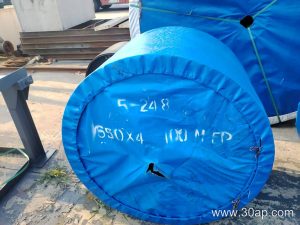
A 500mm conveyor belt is a belt with a nominal width of 500 millimetres, often written as B500 in technical documents. It is a mid-narrow belt size used on conveyors where the material load is moderate and the available frame width is limited. The same product is also described as a 500 mm wide conveyor belt or a 20-inch conveyor belt, and those names refer to the same belt width rather than to different belt types.
Width alone does not define the belt. Two belts with the same 500mm width can differ greatly in carcass, cover compound, tensile strength and surface pattern. Buyers should treat width as one dimension among several, not as a complete specification.
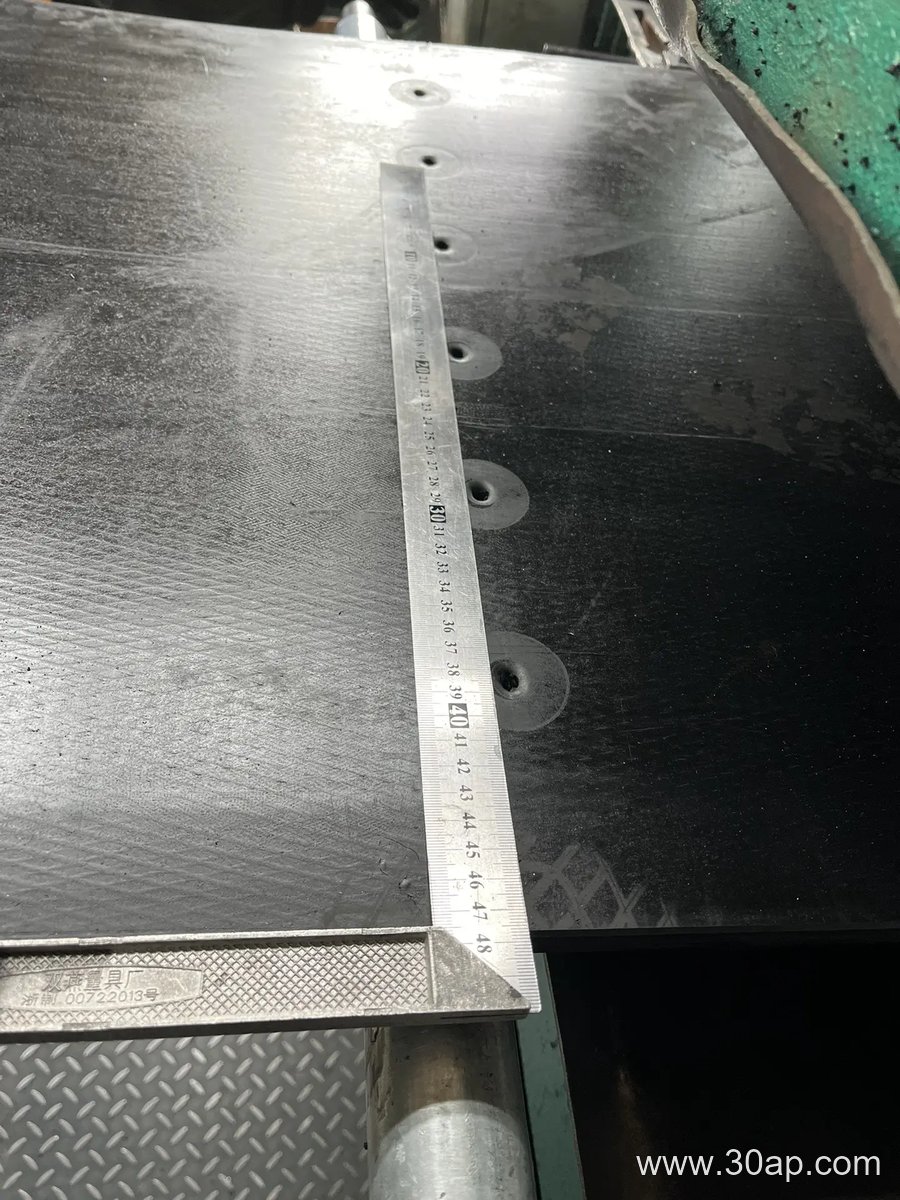
How the Belt Is Built
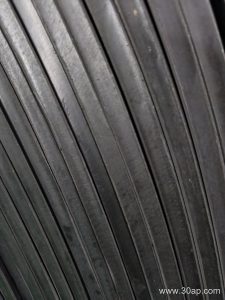
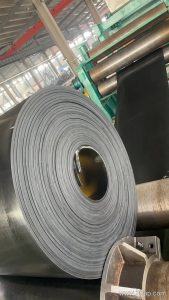
A typical 500mm conveyor belt consists of a carcass, top cover and bottom cover. The carcass carries the tension and may be made of EP fabric, NN nylon fabric or steel cord, depending on the duty. Cover compounds are selected for abrasion, heat, oil, flame resistance, antistatic behaviour or cold service.
Cover thickness is usually written as a pair, for example 3+1.5 mm or 5+2 mm, where the first figure is the top cover and the second is the bottom cover. Carcass plies commonly range from 2 to 6 layers, but the exact construction follows the design load and the manufacturer’s data.
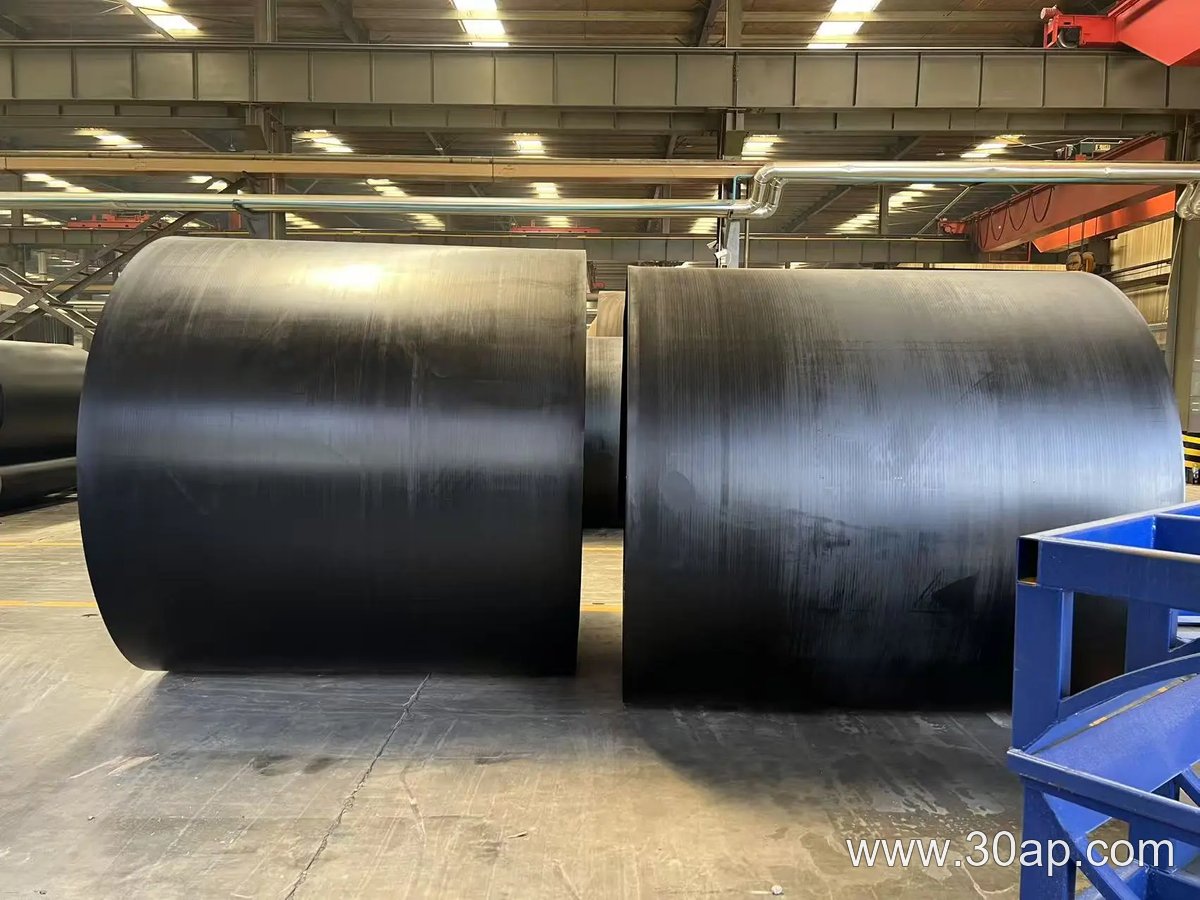
Common Belt Specifications
The table below lists reference values that may appear in supplier literature. They are examples, not mandatory combinations, and a 500mm belt does not have to use any single row.
| Item | Common reference values |
|---|---|
| Belt width | B500 (500 mm) |
| Fabric types | EP, NN nylon |
| Strength grades | EP200, EP315, EP400, EP500, EP630 |
| Cover thickness | 3+1.5, 4+2, 5+2, 6+2 mm |
| Carcass plies | 2 to 6 layers, by design |
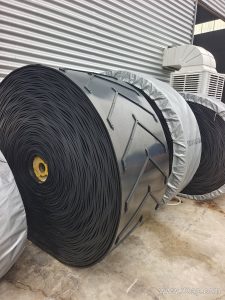
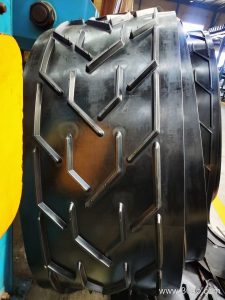
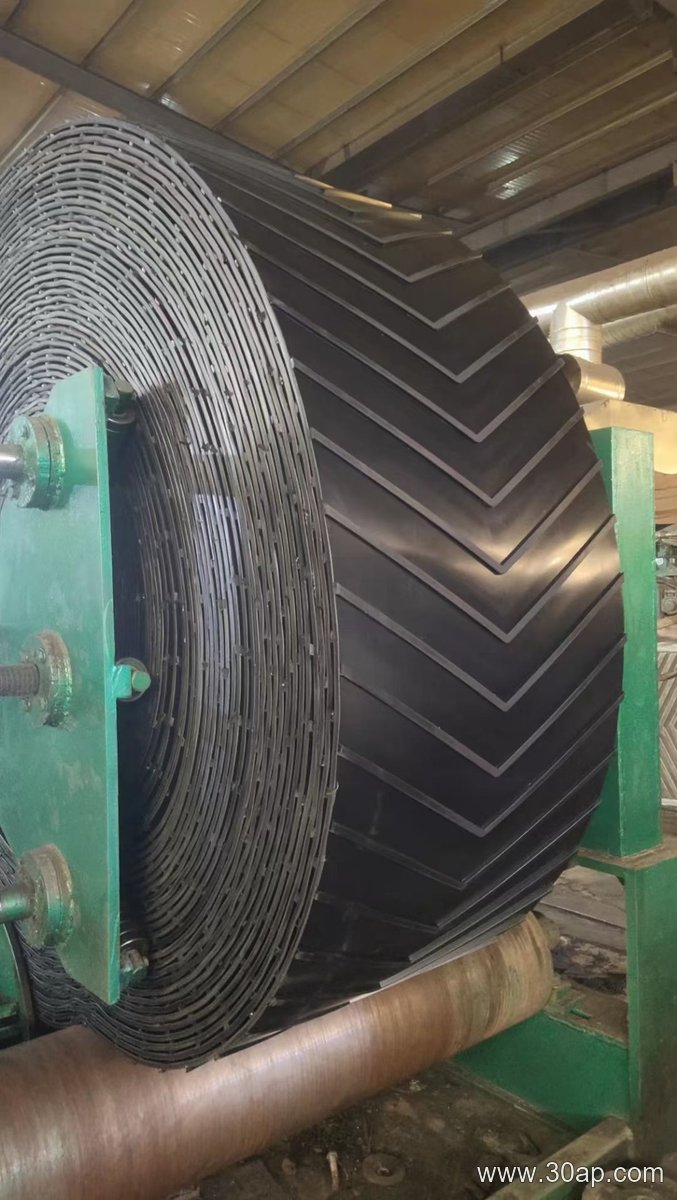
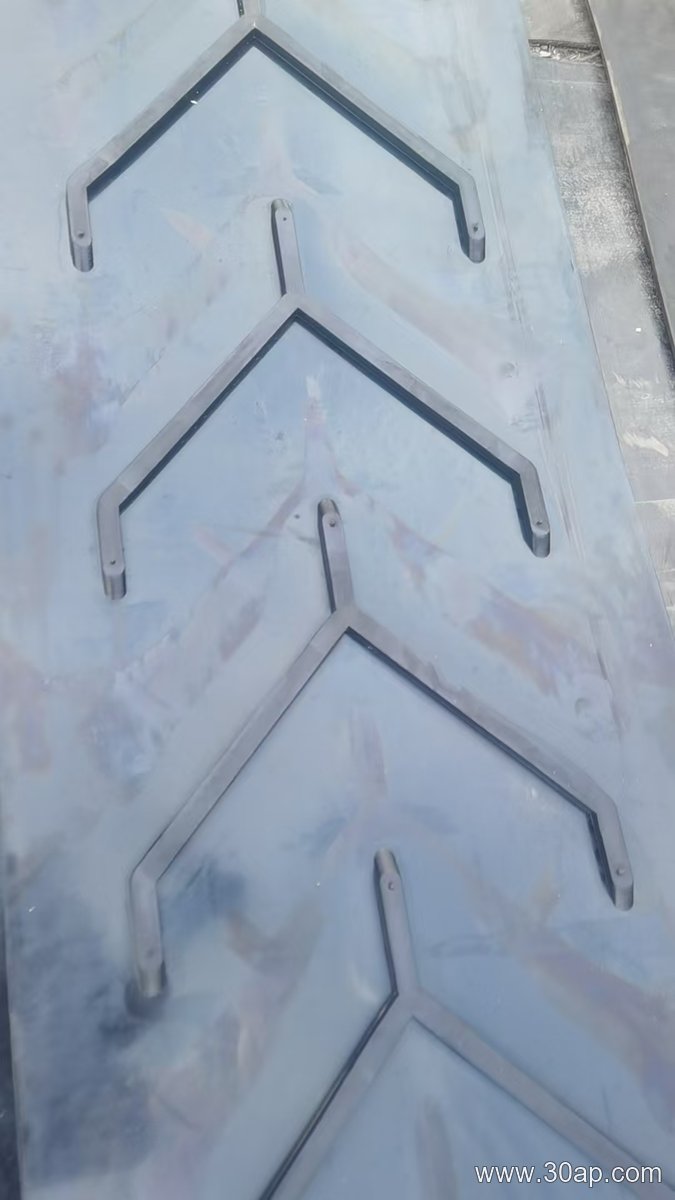
| Surface forms | smooth, chevron, patterned, sidewall |
Special grades such as wear-resistant, heat-resistant, oil-resistant, flame-retardant, antistatic, cold-resistant and acid-alkali-resistant belts are available in this width when the application calls for them.
Where This Belt Width Fits
A 500mm belt is often chosen for light to medium conveying duties. Examples include bag handling, small-parts transfer, food and packaging lines, recycling sorters, and short feeder conveyors. It also suits mobile or compact equipment where a wider belt would not fit the frame.
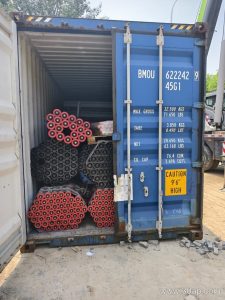
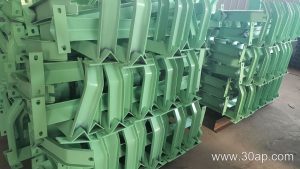
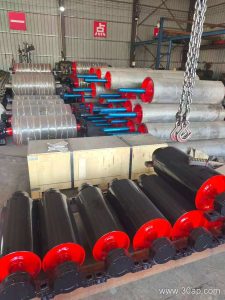
On such conveyors, the belt runs over idler rollers on the carrying side and return side, and around a head pulley and a tail pulley. A bend pulley may be used to change direction where the route requires it. These pulleys are separate components with separate duties and are not interchangeable with each other. A conveyor bracket or frame supports the rollers and pulleys, and its dimensions must match the belt width and the pulley face.
Choosing the Right Belt
Selection starts with the material being carried. Consider lump size, density, temperature, moisture, oil content and whether the material is abrasive or sharp. Then review the conveyor layout, including length, incline, load per hour and the smallest pulley diameter on the system.
The belt must be wide enough to contain the load without spillage, yet not so wide that it exceeds the frame or the pulley face. Tension rating, number of plies and cover thickness follow the calculated working tension and the abrasion level. For inclined lines, a chevron or patterned surface may help hold material, while a smooth cover is often preferred for general transfer.
Points for Buyers
- Confirm the exact width, for example B500, and state whether it is the belt width or the overall conveyor width.
- Ask for the carcass type, ply count and strength grade rather than width alone.
- Check the top and bottom cover thickness and the compound grade needed for the duty.
- Match the belt to the smallest pulley diameter recommended by the belt maker; belt width and pulley diameter are separate design choices.
- State the splice method, whether mechanical fasteners or vulcanised, and the required endless length.
- Consider the operating environment, including temperature, oil exposure and static risk.
When the application is clear, a 500mm conveyor belt can be specified with the right carcass and cover to give reliable service on compact and medium-duty conveyors.