What an Underground Coal Mining Conveyor Belt Is
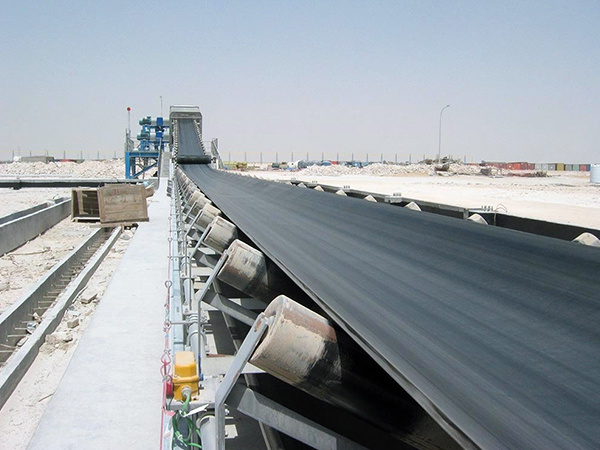
An underground coal mining conveyor belt is the continuous load-bearing element in a haulage system designed to move raw coal from the working face to the surface or to a transfer point. Unlike a general-purpose conveyor belt used on the surface, this belt must operate in confined galleries, often with limited space, dust, moisture, and the constant risk of flammable gas. The belt itself is a composite structure: a tension-bearing carcass embedded in rubber or PVC covers. The carcass may be fabric-reinforced, such as EP or NN nylon, or steel cord. The cover compounds are selected for flame resistance and antistatic behaviour, because underground coal regulations typically demand both.
The same product is also called a fire-resistant conveyor belt for coal mines or a flame-retardant coal conveyor belt. Those terms describe the same article when the application is underground coal haulage, not a different subtype.
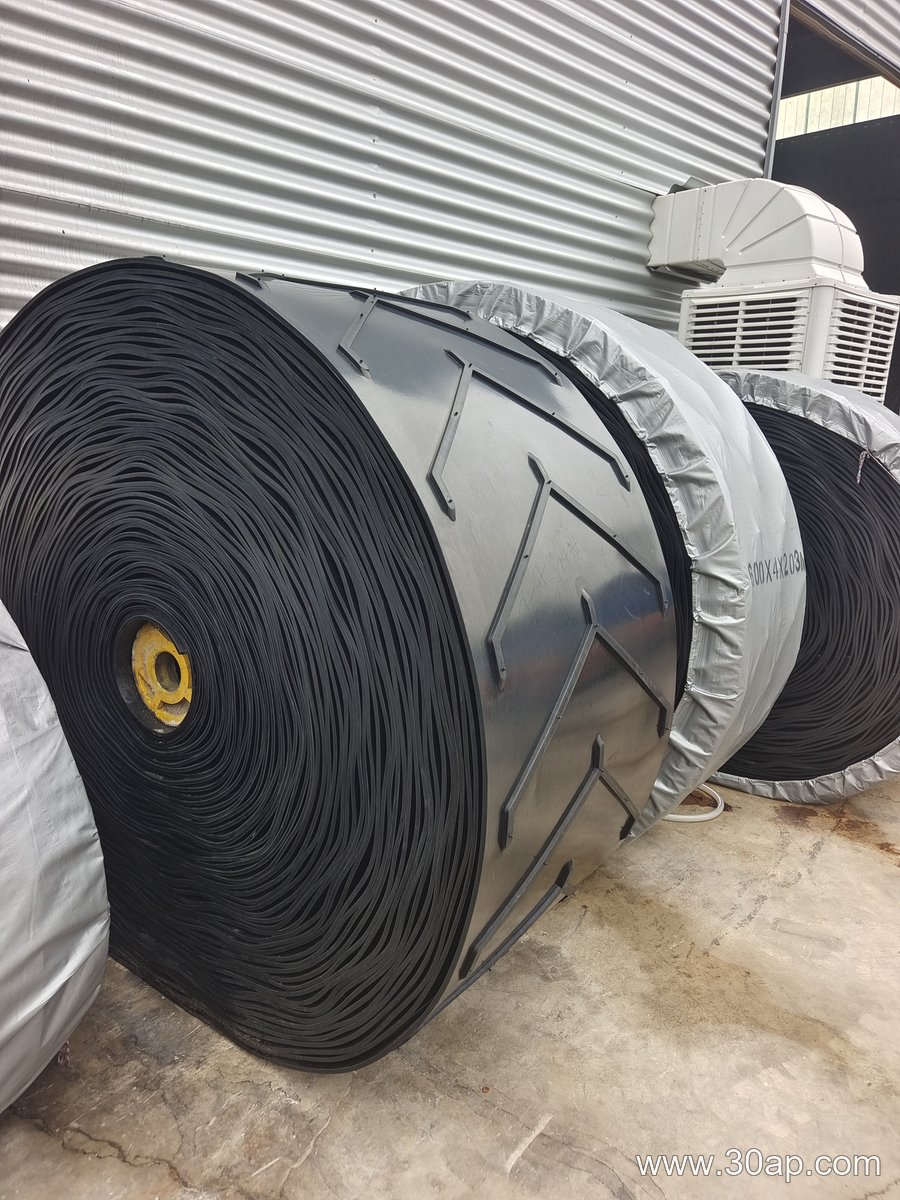
Construction and Key Components
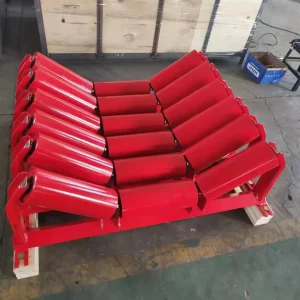
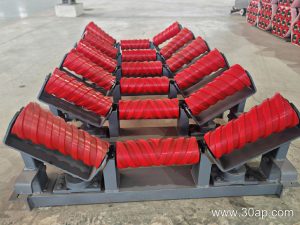
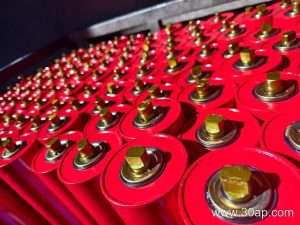
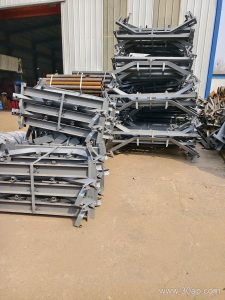
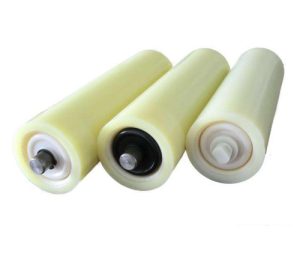
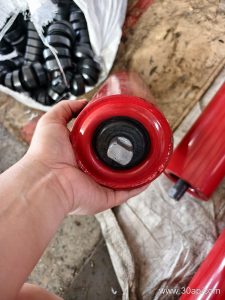
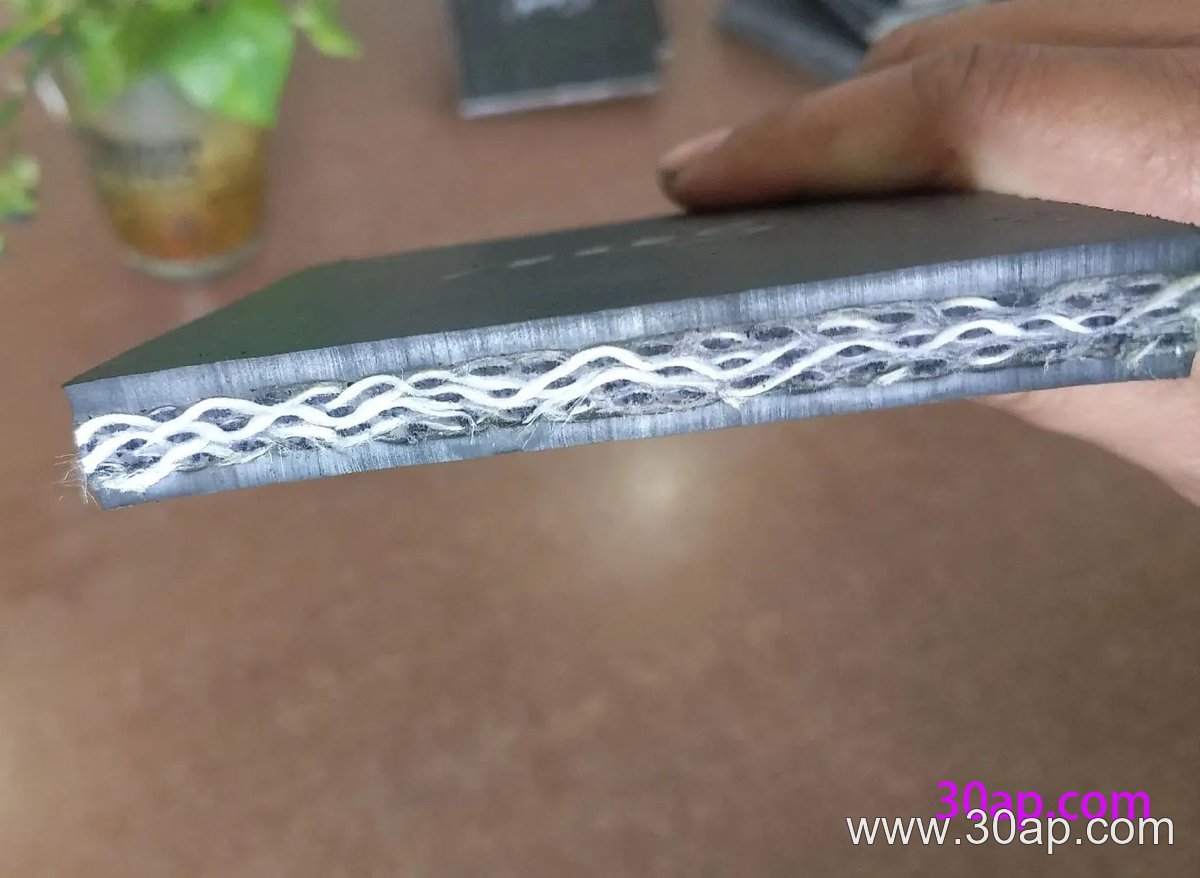
A typical belt consists of a top cover, a bottom cover, and a carcass. Cover thickness is often expressed as a pair, for example 4+2 mm or 6+2 mm, where the first number is the top cover and the second is the bottom cover. The carcass may have 2 to 6 fabric plies, or steel cords for higher tension. For underground coal, PVC or PVG covers are common because they can pass fire resistance tests more readily than plain rubber. The belt runs over a conveyor pulley at the drive end and a tail pulley at the return end. Between them, idler rollers support the belt and maintain its trough shape, while a conveyor bracket holds the idlers in alignment. A bend pulley may be used to change the belt path, but it is not the same as a drive or tail pulley and should not be treated as a substitute.
Where It Is Used
These belts are found in longwall gate roads, room-and-pillar sections, and main drift conveyors. They handle lump coal, fines, and sometimes wet or sticky material. Because the belt travels through narrow tunnels, splices must be strong and low-profile. The belt also needs to resist abrasion from sharp coal edges and impact at transfer points. In some mines, a single flight can be several kilometres long, so the belt tension and pulley diameter must be matched to the load. That is why a belt width such as B1000 or B1200 is not automatically paired with one specific pulley diameter; the drive pulley diameter depends on the belt construction, the number of plies, and the required tension.
Common Specifications and Reference Data
The following values are typical reference points, not universal requirements. Different manufacturers and mine designs vary.
- Type examples: EP conveyor belt, NN nylon conveyor belt, steel cord conveyor belt, PVC conveyor belt, PVG conveyor belt.
- Strength grades often seen: EP200, EP315, EP400, EP500, EP630, EP800, EP1000, EP1250, EP1600, EP2000.
- Belt widths: B500, B650, B800, B1000, B1200, B1400, B1600, B1800, B2000.
- Cover thickness examples: 3+1.5 mm, 4+2 mm, 5+2 mm, 6+2 mm, 8+3 mm.
- Fabric plies: usually 2 to 6 layers.
When a mine requests a flame-retardant antistatic belt, the cover compound and the carcass both matter. A belt with a fire-resistant cover but a non-fire-resistant carcass may not meet the full requirement. Similarly, a wear-resistant belt for coal may not be suitable for hot material; heat-resistant and oil-resistant belts are separate variants and should not be used interchangeably.
What a Buyer Should Know
First, define the operating conditions: coal lump size, belt speed, incline angle, and whether the belt will carry wet coal. Second, confirm the required fire resistance and antistatic properties. Third, match the belt strength to the calculated tension, not to a guess. Fourth, consider the pulley and idler arrangement. A drive pulley with a smooth surface may need lagging, while a bend pulley may be plain. Tail pulleys often have a self-cleaning wing. These are different components with different roles.
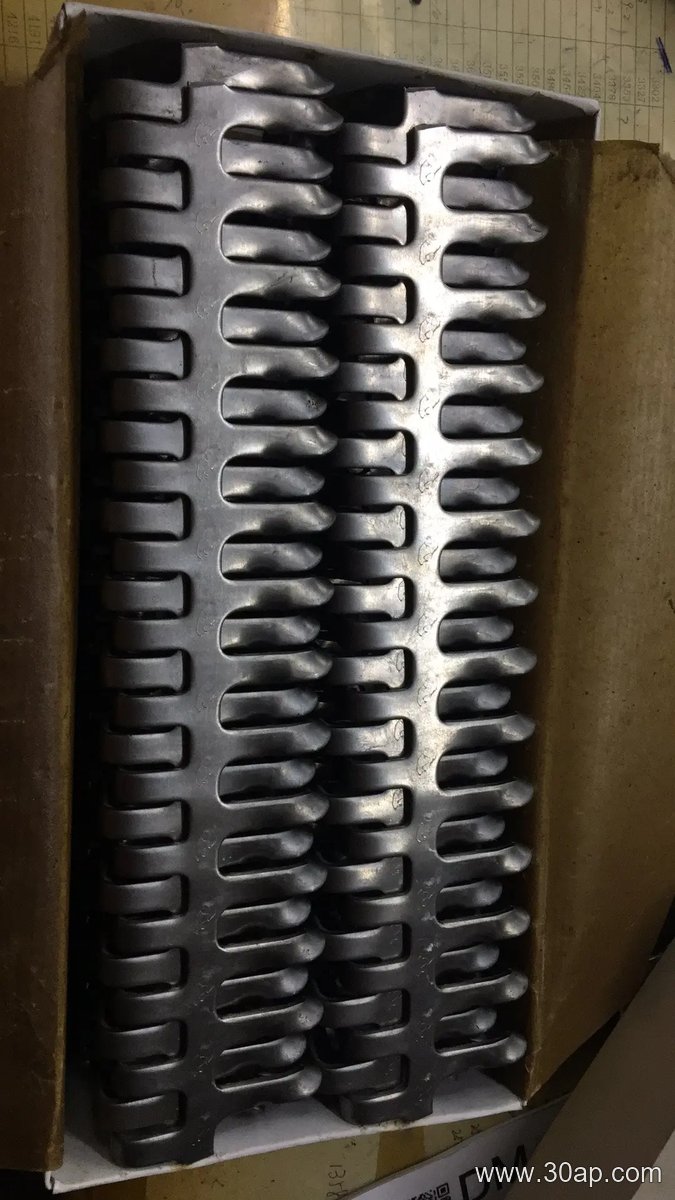
Fifth, think about maintenance. A belt that runs off-centre can damage the edge and shorten life. Proper idler roller alignment and bracket condition help keep the belt centred. Splicing method also affects performance: vulcanised splices are stronger than mechanical fasteners, but they require time and equipment. For underground coal, a poor splice can be a safety risk.
Finally, do not assume that one belt width fits all pulley diameters. The relationship is not fixed. A B800 belt may run on a smaller drive pulley in one system and a larger one in another. The correct selection comes from the conveyor design, not from a single number. Buyers should ask for the belt’s full data sheet: type, strength, cover thickness, ply count, and fire resistance rating. That way, the underground coal mining conveyor belt will match the system and the site conditions.