What a Conveyor Bracket Is and Why It Drives Cost
A conveyor bracket is the steel support that holds a conveyor idler roller at the correct height, angle, and spacing along the carrying or return side of a belt conveyor. When buyers ask about conveyor bracket price, they are usually comparing a fabricated steel assembly, not a single commodity part. The price reflects material, bending and welding work, hole positions, coating, and the number of units required. Because the bracket sits under the belt and carries the roller, small design differences can change both the quotation and the long-term behavior of the line.
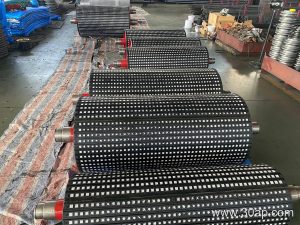
It helps to separate the bracket from the parts around it. A conveyor pulley drives or redirects the belt at the ends of the machine, while a conveyor bracket supports idler rollers in the middle section. Drive, tail, and bend pulleys are not interchangeable, and none of them replaces a bracket. The bracket is a structural item that connects the roller to the conveyor frame.
How the Bracket Is Built
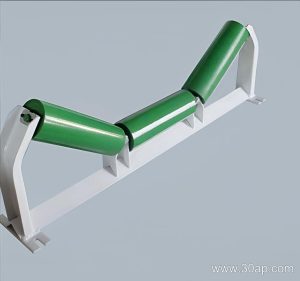
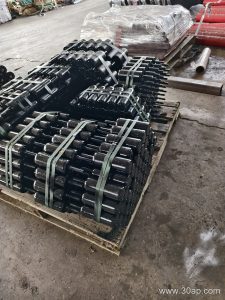
Most brackets are made from angle steel, channel steel, or folded steel plate. A simple troughing bracket may be a single bent piece with three roller seats. A heavier adjustable bracket may include slotted holes, a pivoting arm, or separate side and center supports. The manufacturing steps usually include cutting, drilling or punching, bending, welding, and surface treatment such as painting or galvanizing.
Several details influence conveyor bracket price:
- Steel thickness and grade, since a thicker section resists bending under load.
- Fabrication method, because welded assemblies take more labor than simple folded plate.
- Hole pattern and tolerance, because accurate mounting holes speed installation.
- Surface finish, as hot-dip galvanizing or a multi-layer paint system adds cost.
- Order quantity, because setup and tooling are spread across more pieces.
Material choice should follow the duty. A light bracket made from folded plate can suit a small sand or grain conveyor, while a quarry or iron ore line may need a heavier welded bracket that keeps its shape under impact and continuous load.
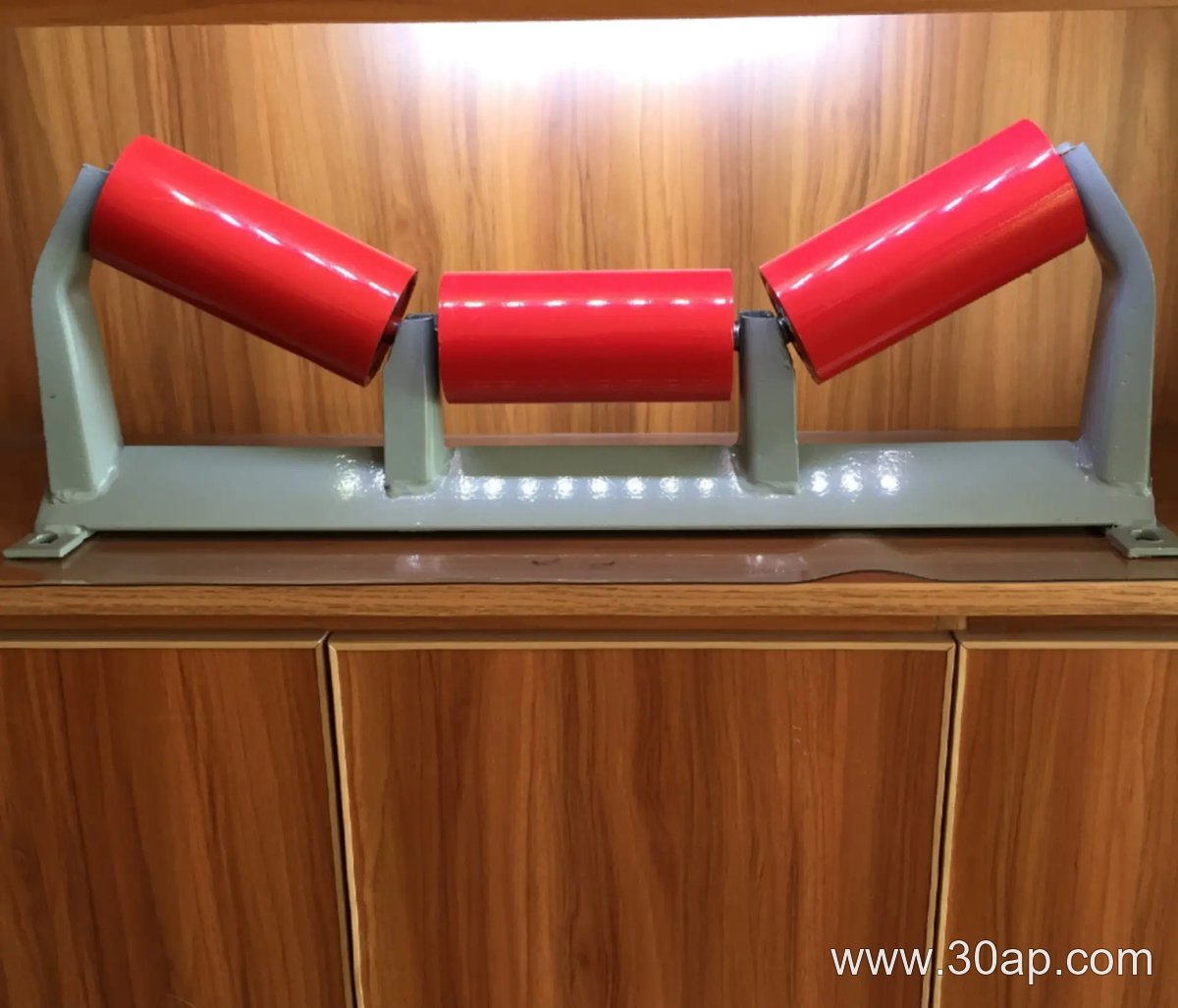
Where These Brackets Are Used
Brackets appear wherever a belt conveyor changes direction, receives material, or carries it over a long distance. In a crushing and screening plant, troughing brackets hold the rollers that form the belt into a trough so material stays centered. In a coal washing plant, return brackets support the empty side of the belt and help control belt sag. The same idea applies in a cement plant, a power station coal yard, or a tunnel muck removal system, though the dust, moisture, and impact conditions differ.
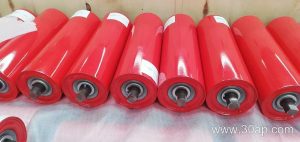
The bracket also works with the idler roller and the conveyor belt as a set. If the bracket is weak or the mounting holes are inaccurate, the roller may sit out of line, the belt may track poorly, and the roller may wear faster. That is why a low unit price is not always the cheapest choice over the life of the conveyor.
Types and Adjustability
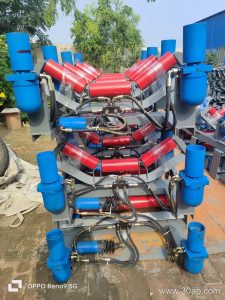
The main families include troughing brackets, upper troughing brackets, transition brackets, return brackets, flat return brackets, V-return brackets, impact brackets, self-aligning brackets, forward-tilt brackets, spiral bracket sets, hanging brackets, and adjustable brackets. Each one has a different job, so they should not be treated as direct substitutes for one another.
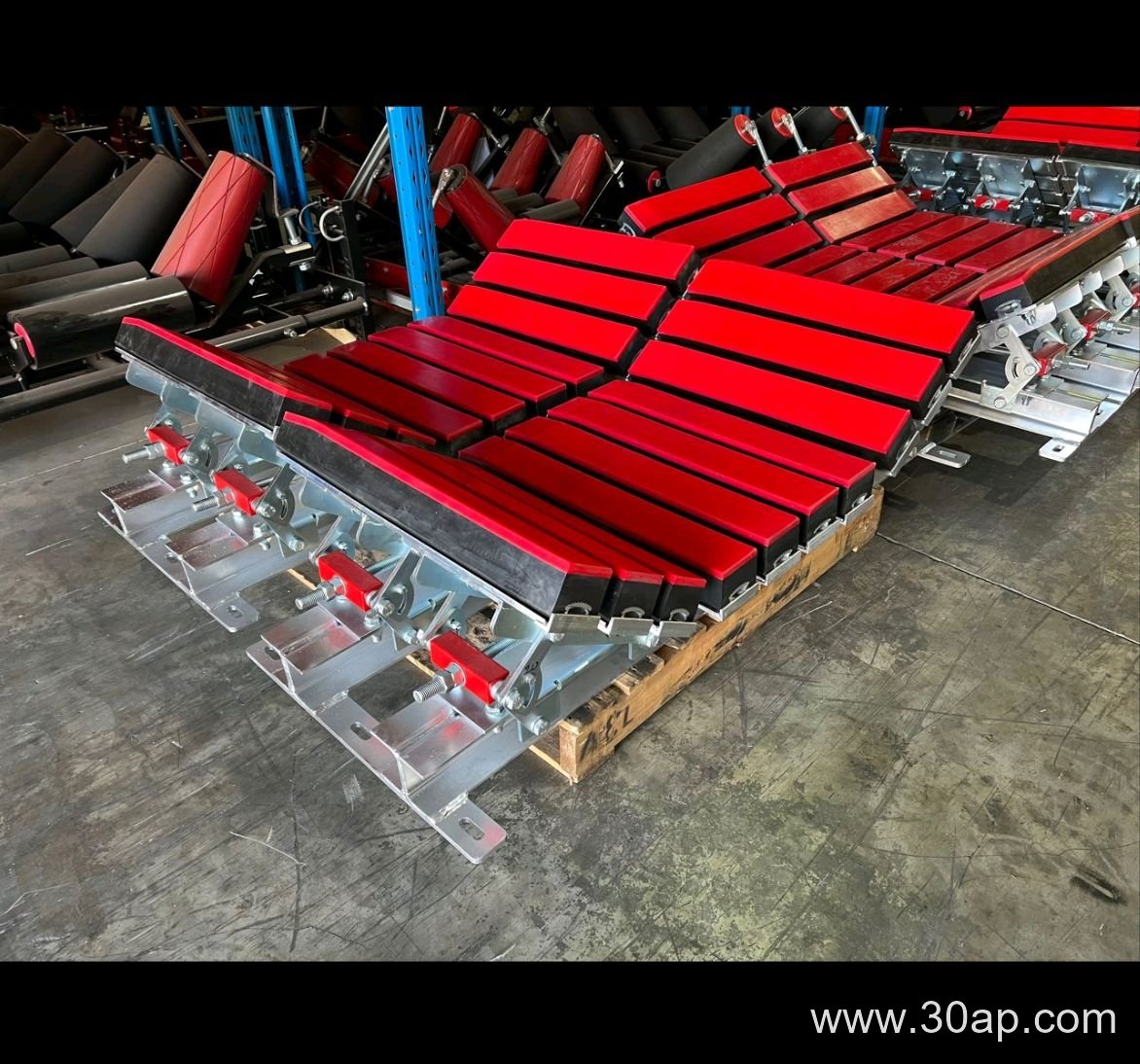
An adjustable bracket is useful when the trough angle needs to be changed or fine-tuned. Common trough angles include 20, 30, 35, and 45 degrees, and an adjustable design can move between some of these positions. A forward-tilt bracket often uses a small tilt of about 1.5 to 2 degrees to help the belt center itself. Fixed brackets are simpler and usually less expensive, but they cannot be re-set on site.
Matching Brackets to Belt Width and Roller Diameter
Belt width and roller diameter both affect the bracket design, but they do not lock a buyer into one combination. A B800 belt may run with a 35 degree trough and Ø108 rollers on one conveyor, while a different B800 line may use a 30 degree trough and a different roller diameter. Similarly, a B1200 conveyor might use a 45 degree trough with Ø133 rollers, but that is a design choice, not a rule.
Common belt widths in conveyor work include B500, B650, B800, B1000, B1200, B1400, B1600, B1800, B2000, and B2200. Common roller diameters include Ø89, Ø108, Ø133, Ø159, and Ø194. The mounting hole spacing and crossbeam length usually change with belt width and trough angle, so these should be confirmed from the conveyor drawing rather than assumed.
What to Check Before Requesting a Price
To get a useful conveyor bracket price, prepare a short but complete description:
- The bracket type, such as troughing, return, impact, or adjustable.
- Belt width and the required trough angle.
- Roller diameter and the roller seat style.
- Mounting hole spacing and crossbeam length from the drawing.
- Material and surface treatment expected for the site conditions.
- Quantity per conveyor and total order quantity.
When these points are clear, suppliers can quote the same item instead of guessing. A bracket that fits the frame, the roller, and the belt will usually give better service than a cheaper part that needs rework on site. The right price is the one that matches the actual duty and the real mounting dimensions.