What a Belt Conveyor Ceramic Lagged Pulley Is
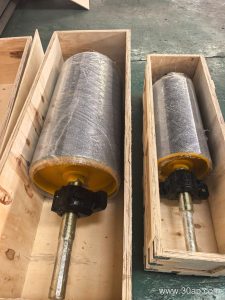
A belt conveyor ceramic lagged pulley is a conveyor pulley whose outer shell carries a rubber layer embedded with small ceramic tiles. The ceramic surface is the reason for the name. This type of pulley is also called a ceramic rubber lagged drum, and both terms describe the same component. The ceramic tiles sit slightly proud of the rubber, so the belt contacts hard, wear-resistant islands rather than a smooth rubber face.
The purpose is simple. When a conveyor belt carries heavy material up an incline or starts under load, the drive pulley must transfer torque without slipping. A plain steel shell can polish and lose grip. A ceramic lagged pulley keeps a rough, stable friction surface for a much longer time.
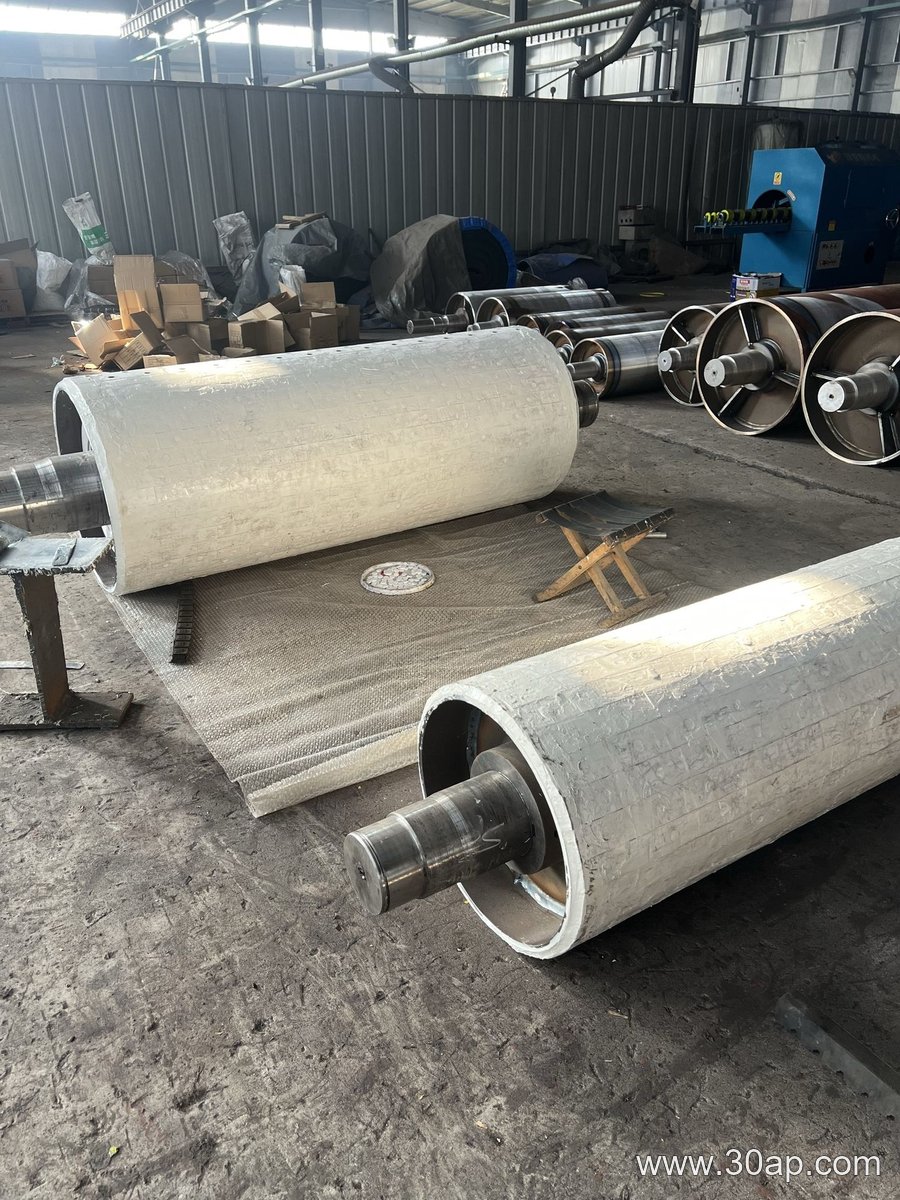
How the Ceramic Lagging Is Built
The pulley body is usually a welded steel drum with end discs and a shaft. Lagging is applied in a few common ways.
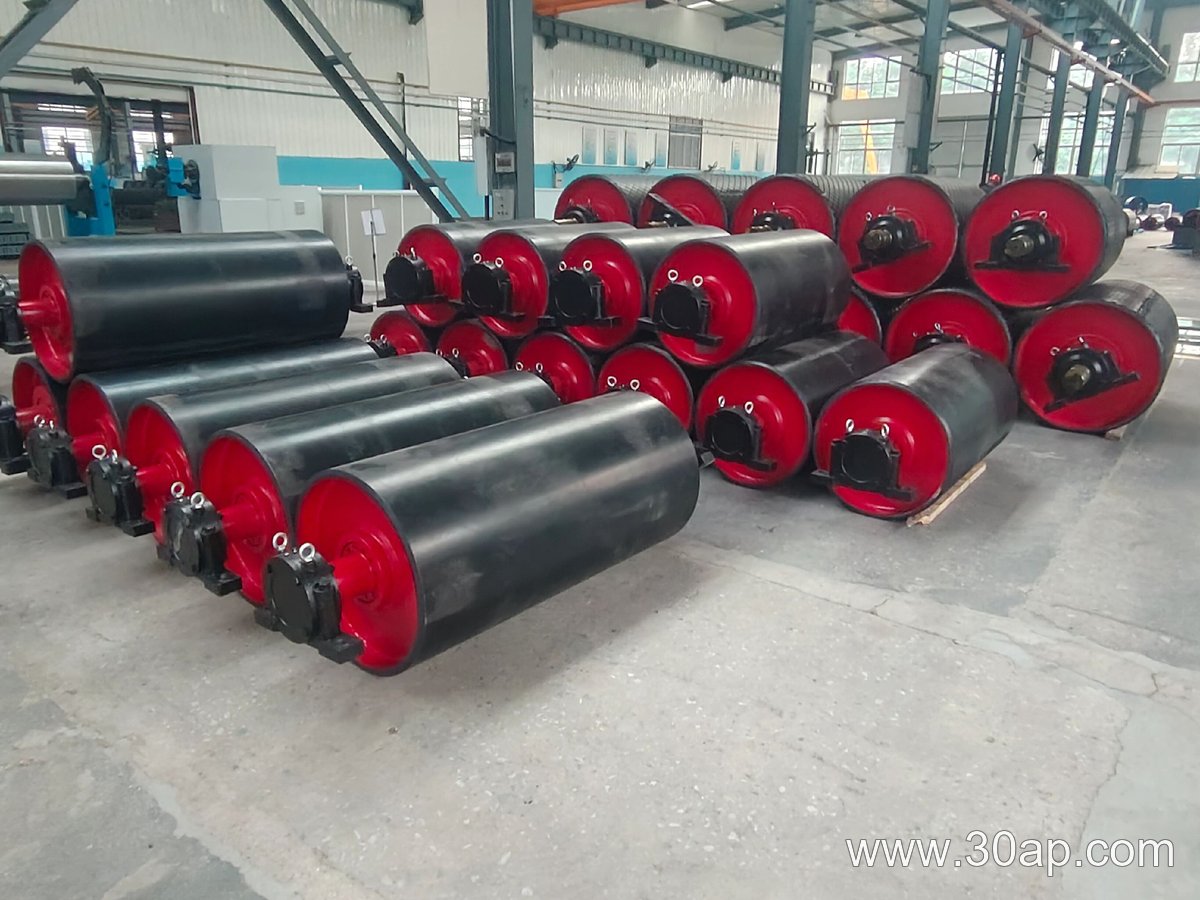
- Rubber sheet with ceramic tiles bonded to the outer surface, then wrapped and cured onto the shell.
- Ceramic tiles set directly into a rubber compound that is vulcanized to the drum.
- Interlocking ceramic segments that form a continuous wear layer, often with a raised pattern.
Common lagging thickness ranges are 8 mm, 10 mm, 12 mm, 15 mm and 20 mm. The right thickness depends on the duty, the pulley diameter and the belt tension. Ceramic tile shape and spacing also matter. Diamond and herringbone rubber patterns are used on other pulleys, but the ceramic version is chosen when abrasion and slip risk are both high.
Where It Fits on the Conveyor
A ceramic lagged pulley is most often used as the drive pulley at the head of the conveyor, where the belt wraps the drum and leaves to discharge. It can also serve as a tail or tension pulley in some layouts, but the drive position is where grip matters most. A bend pulley, by contrast, only changes belt direction and does not transmit drive torque, so it usually carries a lighter lagging or none at all.
Typical sites include a limestone quarry feeding a crusher, a coal handling system in a power plant, and an aggregate line moving crushed stone. In these places the belt may be wet, dusty or oily, and a smooth drum would lose traction quickly. The ceramic surface continues to bite through mild contamination.
Sizes and Selection Notes
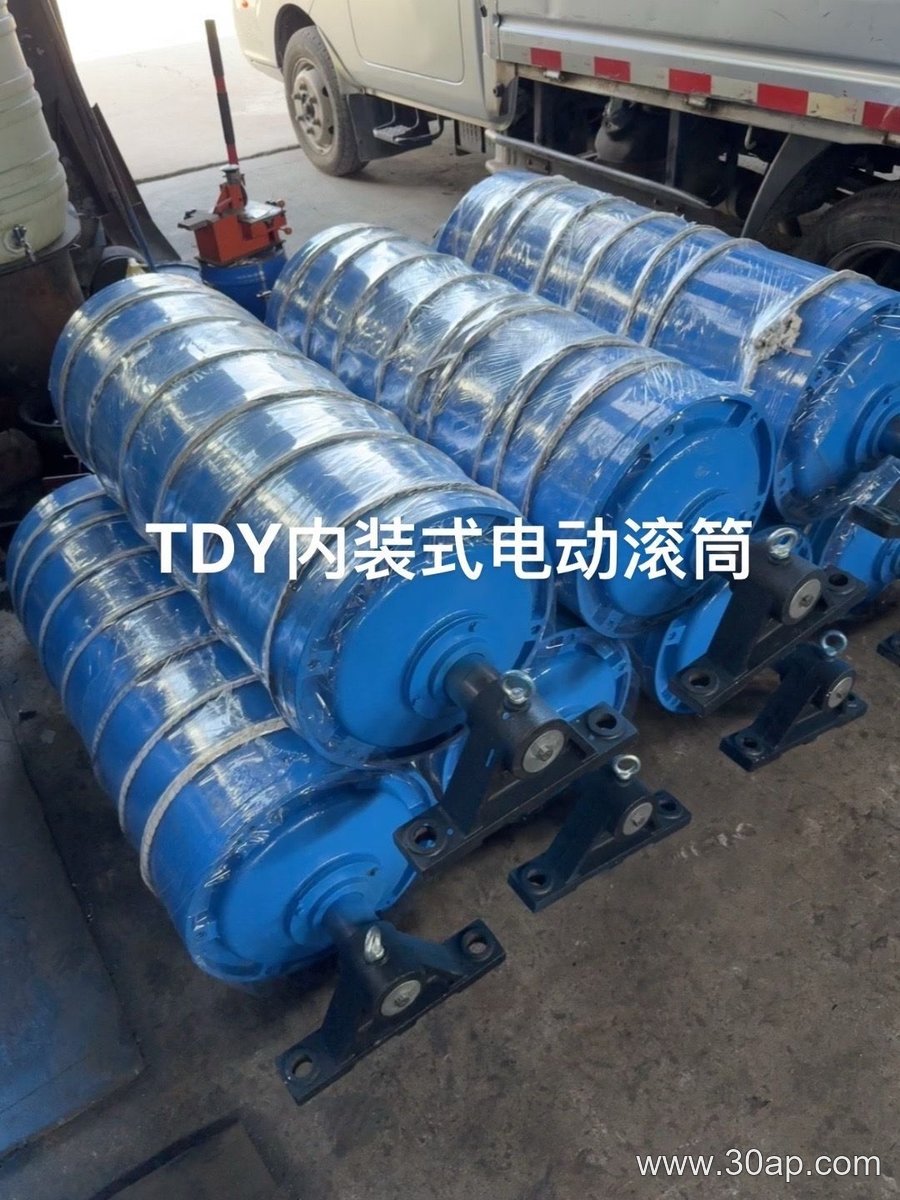
Ceramic lagged pulleys are made in many sizes. Common belt widths include B500, B650, B800, B1000, B1200, B1400 and B1600. Common pulley diameters include Ø250, Ø315, Ø400, Ø500, Ø630, Ø800 and Ø1000. A pairing such as B800 × Ø500 or B1200 × Ø1000 is a normal example, but no single belt width is locked to one diameter. The pulley diameter is set by belt tension, wrap angle and the required torque, not by the belt width alone.
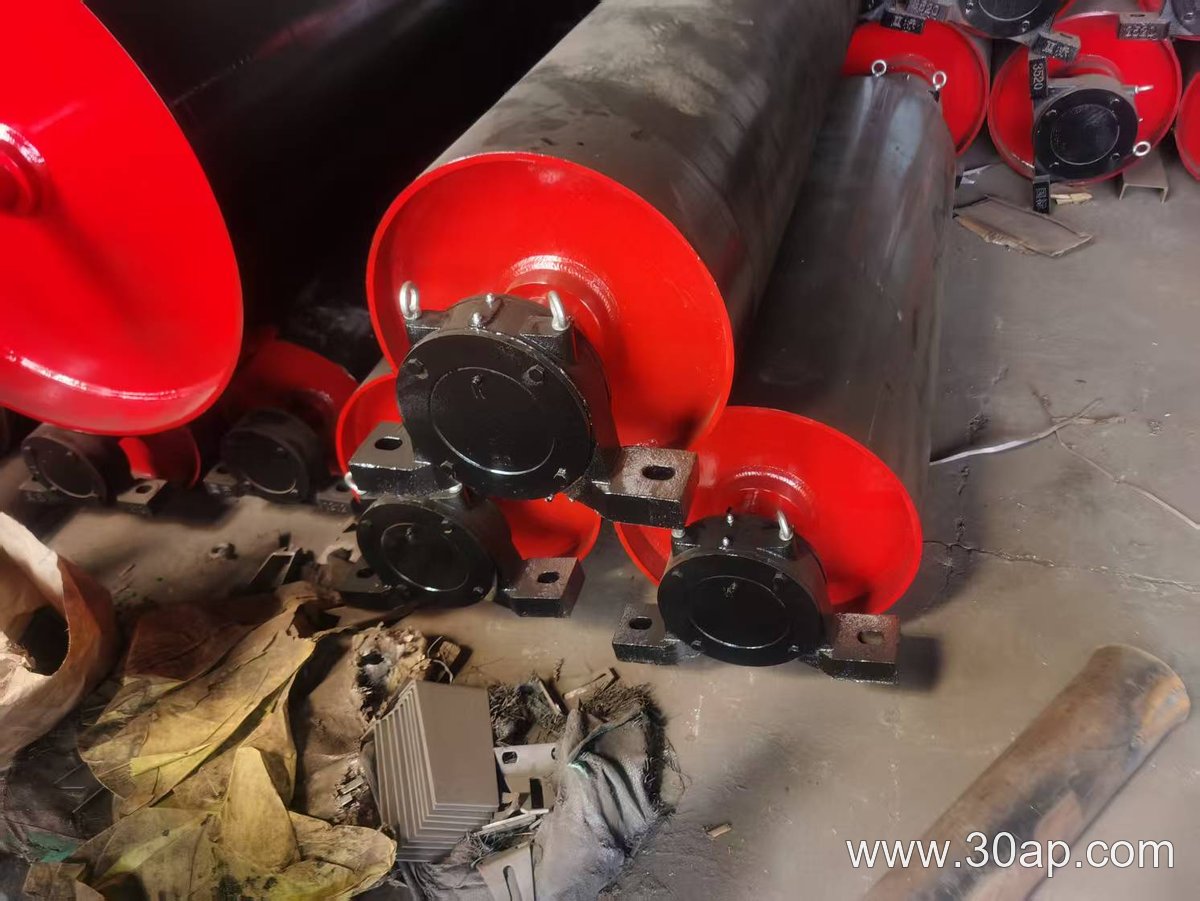
The shell face is usually wider than the belt. For instance, a B400 belt often runs on a pulley face near 500 mm, and a B1000 belt on a face near 1150 mm. These are typical reference figures, not a supply promise. Shaft diameter is determined by torque and load, with common values such as Ø80, Ø100, Ø120 and Ø160. A buyer should not assume a shaft size from belt width.
What a Buyer Should Check
Before ordering, confirm the pulley role. A drive pulley, tail pulley and bend pulley are not interchangeable names, and each has a different load case. Ask for the belt width, the required face width, the shaft diameter, the lagging thickness and the ceramic pattern. Also confirm the bearing type, the locking element and the conveyor bracket interface.
Installation and maintenance also affect life. Keep the belt tracking straight so the ceramic edges do not wear unevenly. Check that the conveyor belt is not over-tensioned, because extra tension shortens bearing and lagging life. Worn ceramic tiles can be replaced in some designs, while badly damaged lagging may need a full re-lag. A ceramic lagged pulley costs more than a plain rubber one, but in wet or high-torque drive positions it often lasts longer and reduces belt slip.