What an EP1000 Conveyor Belt Is
An EP1000 conveyor belt is a heavy-duty rubber belt built with a polyester and polyamide (EP) fabric carcass and a rated tensile strength of 1000 N/mm. In the EP belt family, which also includes lower strengths such as EP200 and EP630, the EP1000 grade sits in the higher-strength range for demanding conveying duties. It is often described as a polyester-nylon conveyor belt, and the two names refer to the same product.
The carcass is the load-bearing part. EP fabric combines low elongation in the warp direction with good resistance to fatigue in the weft, so the belt can handle long center distances, high tensions, and repeated flexing over pulleys. Rubber covers protect the carcass from abrasion, impact, and moisture.
Construction and Standard Build
A typical EP1000 belt has two to six fabric plies, with the exact ply count selected according to the duty, pulley diameters, and required safety factor. Cover rubber is usually specified as top thickness plus bottom thickness, for example 4+2 mm, 5+2 mm, or 6+2 mm. Heavier covers such as 8+3 mm are available for high-abrasion conditions. The belt width can range from B500 up to B2000, and the correct width depends on the tonnage, material lump size, and troughing angle of the conveyor. These values are common reference data rather than fixed pairings, so a given width does not dictate a specific pulley diameter, and shaft size must be calculated from the actual load case.
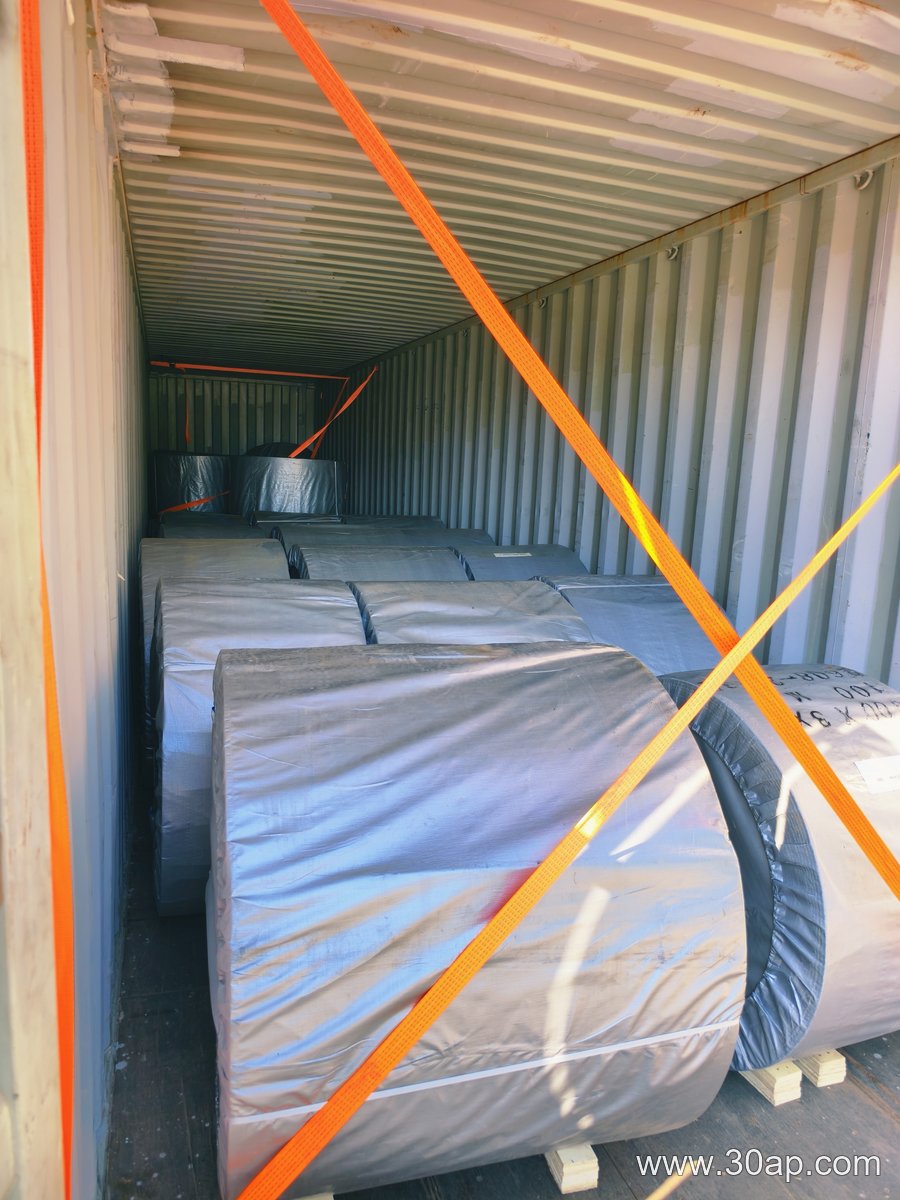
Edge construction matters as well. Cut edges are common for general service, while molded edges offer better protection where the belt is heavily loaded or misaligned. For special environments, the cover compound can be formulated for heat, oil, flame resistance, antistatic behavior, cold, or acid and alkali exposure.
Where EP1000 Belts Are Used
This grade is frequently chosen for bulk material handling in mines, quarries, cement plants, ports, power stations, and steel works. It suits primary and secondary crushing circuits, stockyard conveyors, and long overland systems where the belt must run at high tension without excessive stretch. It can also appear in package handling and process lines when a robust, low-elongation belt is required.
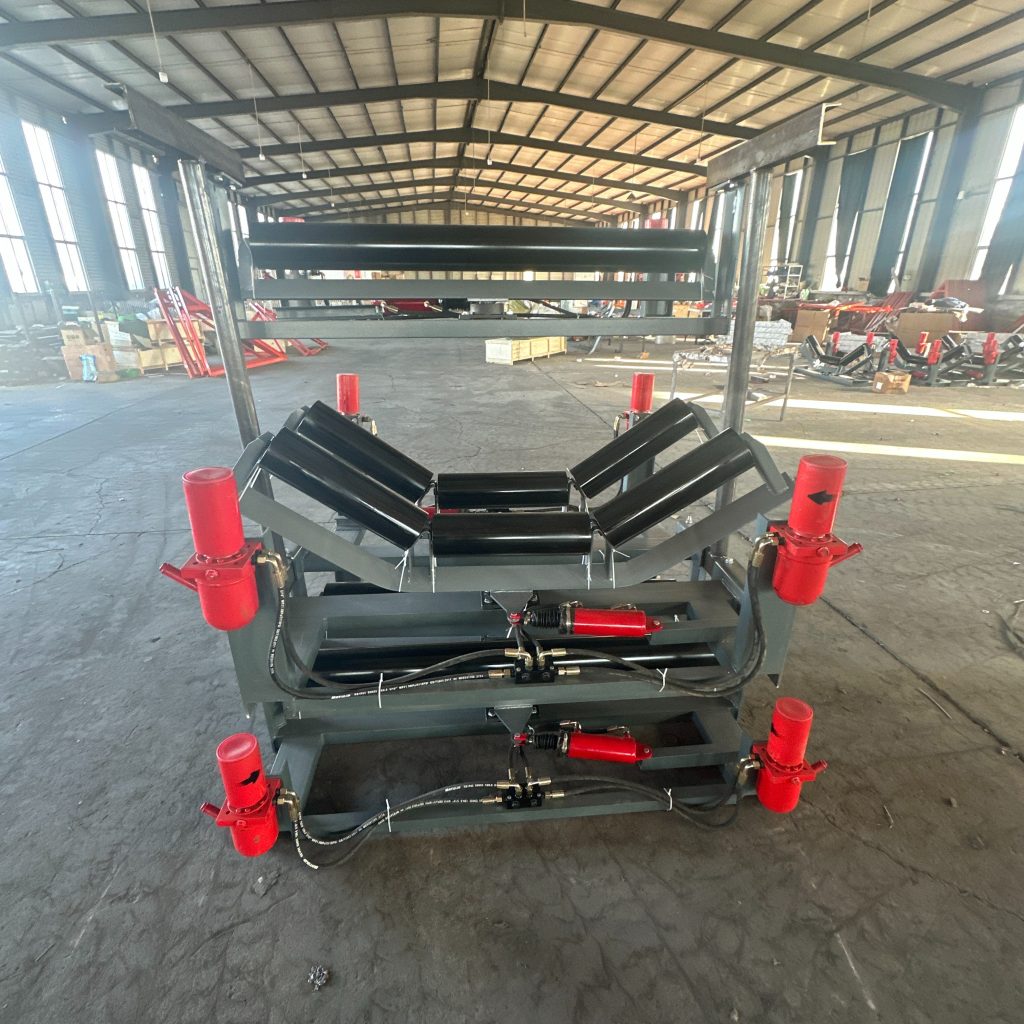
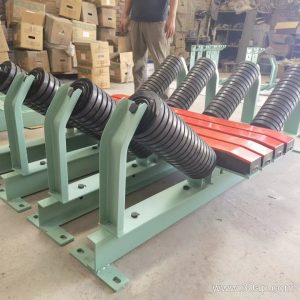
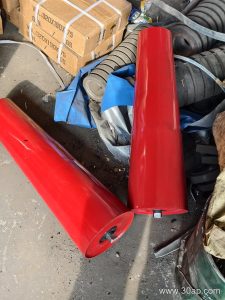
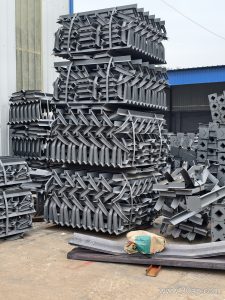
A complete conveyor uses this belt together with other components: idler rollers support the loaded belt, a conveyor pulley drives or redirects it, and a conveyor bracket holds the rollers or pulleys in position. Drive pulleys, tail pulleys, and bend pulleys each perform a different function and are not interchangeable. The belt itself must match the pulley diameters, trough shape, and take-up arrangement of the whole system.
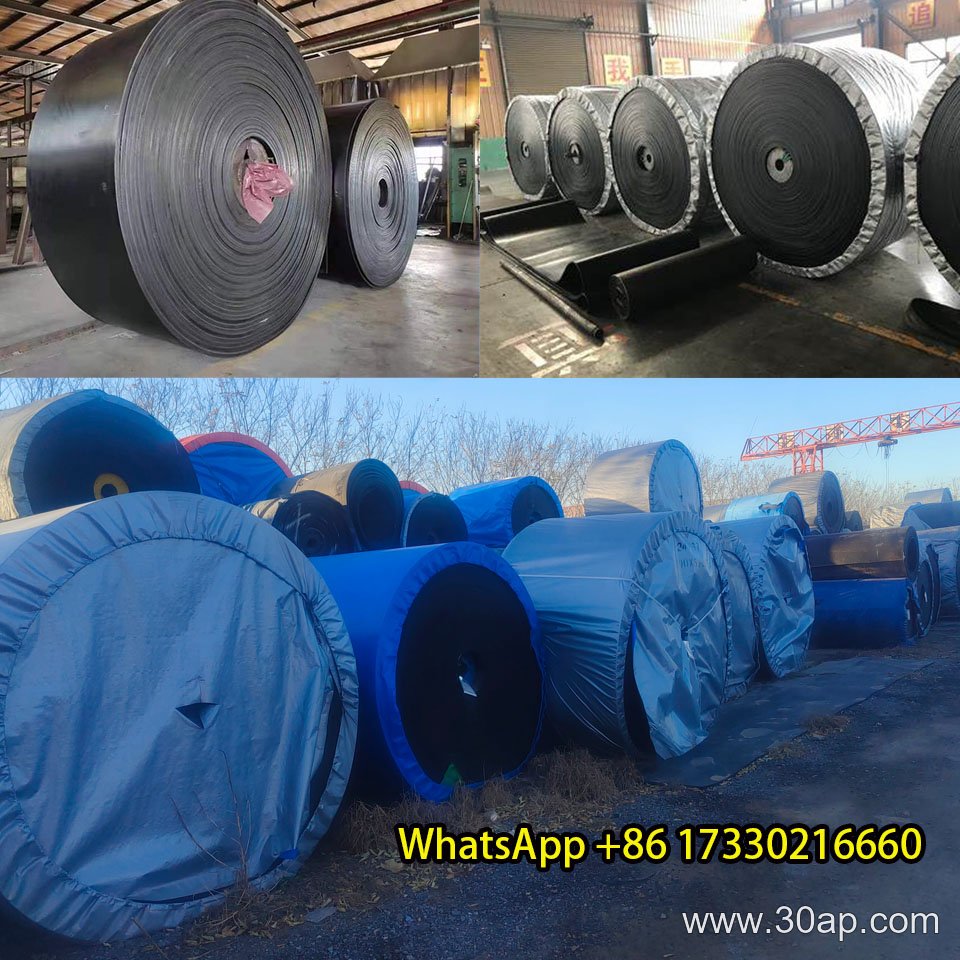
Special Surface Forms and Comparisons
When the application calls for it, an EP1000 belt can be supplied with a patterned surface such as a chevron or herringbone profile to prevent material from sliding back on inclines. A corrugated sidewall version is used where material must be contained on steep or vertical sections. These are variants of the same belt construction, not different product families.
For comparison, an NN nylon conveyor belt uses nylon in both warp and weft, which gives higher elongation under load. A steel cord conveyor belt uses steel cables instead of fabric plies and is chosen for extremely high tensions and very long distances. PVC and PVG belts use plastic or blended covers and are common in underground coal mining and food handling. Each type has its place, but the EP1000 belt remains a practical choice when a balance of strength, elongation, and cost is needed.
Buyer Checklist
- Confirm the required tensile grade and safety factor rather than assuming EP1000 is always correct.
- State the material, lump size, density, temperature, and any oil or chemical exposure.
- Specify belt width, ply count, and cover thickness based on the actual conveyor design.
- Check the minimum pulley diameters recommended for the selected carcass and ply count.
- Decide whether a plain, patterned, or sidewall surface is needed.
- Ask for the splice method, since vulcanized or mechanical joints affect belt performance.
An EP1000 conveyor belt is not a universal answer for every conveyor. It is a defined strength class within the EP fabric belt range, and its successful use depends on matching the carcass, covers, and belt dimensions to the conveyor layout and the material being carried. Buyers who provide complete duty information usually receive a more accurate recommendation and fewer surprises during installation and operation.