What a Steel Pulley Does on a Conveyor
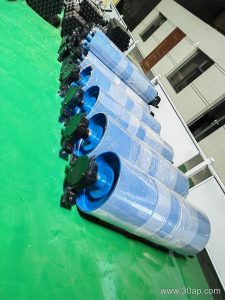
A steel pulley is the rotating cylindrical component that carries and guides the conveyor belt at key points along a conveyor system. It is often simply called a conveyor pulley, and in many layouts it works together with an idler roller and a conveyor bracket to keep the belt tracking smoothly. The pulley itself is not just a drum; it is an engineered assembly that transmits motion, changes belt direction, or maintains tension depending on where it sits.
Unlike a drive pulley, which powers the belt, a tail pulley or bend pulley serves a different role. These subtypes are not interchangeable names. A drive pulley is the powered unit, usually at the head end. A tail pulley is typically at the opposite end and may be used for tensioning or direction change. A bend pulley redirects the belt without driving it. Understanding these differences matters when specifying a replacement or designing a new conveyor.
How a Steel Pulley Is Built
Most steel pulleys consist of a cylindrical shell, two end discs, and a shaft. The shell is usually made from seamless steel tube or rolled and welded plate. The shaft is sized by torque and load, not by belt width alone. Common shaft diameters include Ø50, Ø60, Ø70, Ø80, Ø90, Ø100, Ø120, Ø140, Ø160, Ø180, and Ø200, but the final choice depends on the drive power, belt tension, and bearing arrangement.
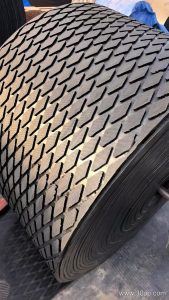
The shell surface can be plain or covered with a rubber lagging. Surface forms include smooth, cast rubber, cold-bonded rubber, hot-vulcanized rubber, diamond lagging, herringbone lagging, ceramic lagging, and plain rubber sheet. Lagging thickness often ranges from 8 mm to 20 mm, with 8, 10, 12, 15, and 20 mm being common. The right surface helps grip the belt, reduce slippage, and protect the shell from wear.
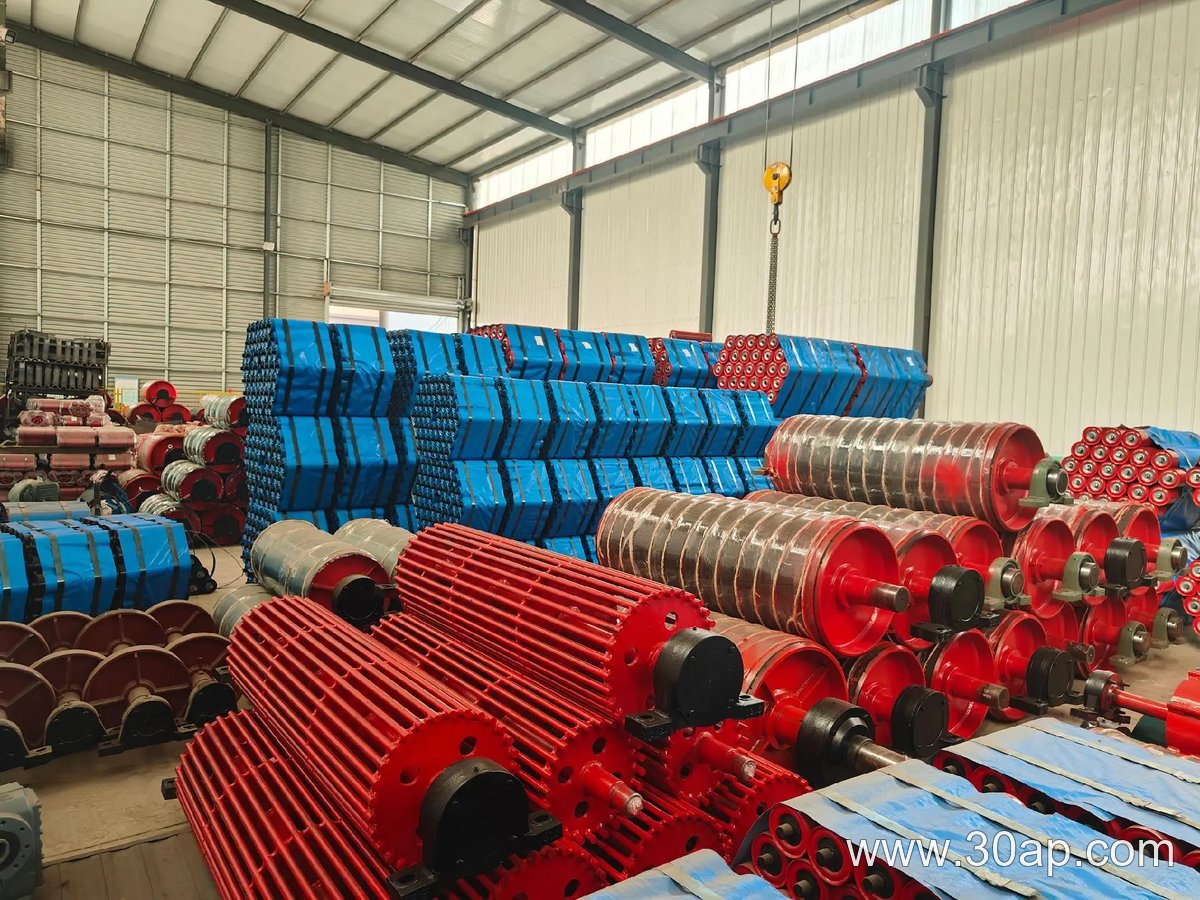
Bearing housings, locking elements, and end caps complete the assembly. For lighter duty, an electric pulley with an internal motor may be used, but that is a separate subtype and not a direct replacement for a standard steel pulley in every application.
Where Steel Pulleys Are Used
Steel pulleys appear in many bulk material handling settings. In a limestone quarry, a head pulley drives the conveyor that carries crushed rock to the next stage. In a coal preparation plant, a tail pulley keeps the belt aligned while a bend pulley routes it around a transfer point. In a sand and gravel line, a steel pulley works with the conveyor belt and idler rollers to move aggregate across screens and crushers.
Other common locations include cement clinker handling, power plant coal feeding, and fertilizer granulation lines. In each case, the pulley must match the belt width, the load, and the environment. A dusty or wet site may call for a lagged surface, while a clean, light-duty line might use a plain finish.
Choosing the Right Size and Surface
Belt width and pulley diameter are related but not locked together. A B800 belt might run on a Ø500 pulley in one conveyor and a larger diameter in another, depending on the wrap angle, belt tension, and space available. Common combinations like B1200 × Ø1000 or B1400 × Ø800 are seen in practice, but they are not universal rules. The pulley face width is usually wider than the belt; for example, a B400 belt often uses a face around 500 mm, while a B1000 belt may use about 1150 mm.
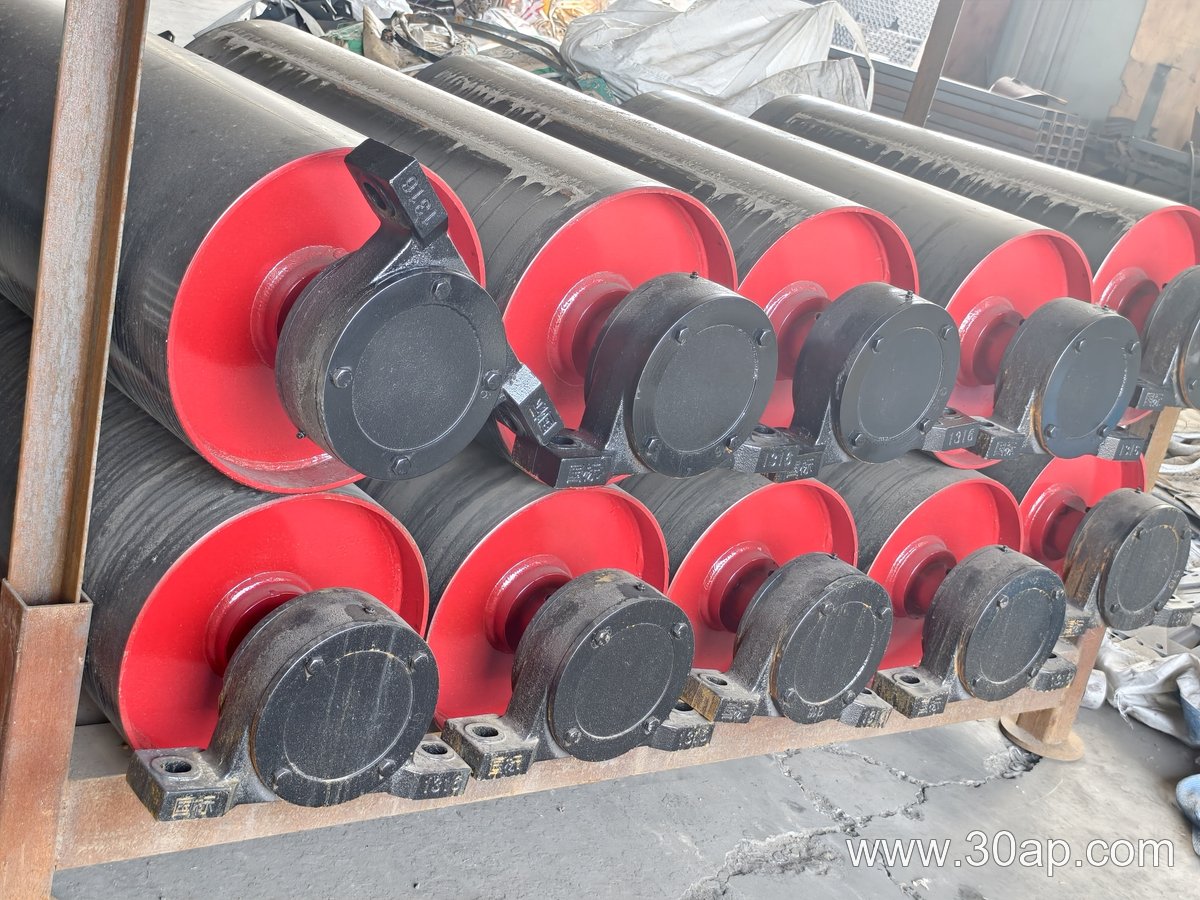
When selecting a steel pulley, consider the following:
- Duty and position: drive, tail, bend, or tensioning
- Belt width and pulley face width
- Shaft diameter based on torque and load
- Lagging type and thickness for grip and wear
- Environmental conditions such as dust, moisture, or temperature
Do not assume that one belt width can only match one pulley diameter. The correct size comes from the conveyor design, not from a single dimension. A qualified engineer should confirm the shaft, bearing, and lagging choices before ordering.
Maintenance and Buyer Checks
Inspect the lagging for wear, cracking, or missing segments. Check the shaft for runout and the bearings for noise or heat. Keep the pulley aligned with the conveyor belt and the idler rollers to avoid edge damage. A worn drive pulley may slip, while a damaged tail pulley can cause belt mistracking.
Buyers should ask for the pulley type, shell diameter, face width, shaft diameter, lagging specification, and balancing grade. A clear drawing and material certificate help confirm the steel pulley meets the application. With the right specification, a steel pulley supports reliable conveyor operation for years.