What a Fire Resistant Conveyor Belt Is
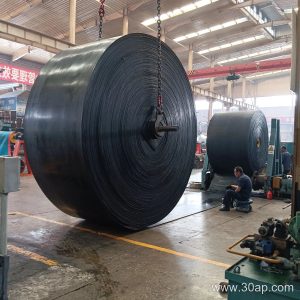
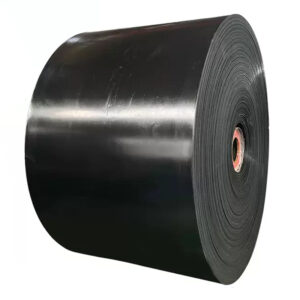
A fire resistant conveyor belt is a rubber-covered belt designed to resist ignition and limit flame spread when it is exposed to heat, friction, or a small ignition source. It is the same product often called a flame retardant conveyor belt, and it is specified where the conveyed material or the surrounding environment creates a real fire risk. The belt does not make a conveyor fireproof. It reduces the chance that the belt itself will become the fuel that spreads a fire along the line.
Because conveyors move material continuously through enclosed galleries, transfer towers, and processing buildings, a belt that keeps burning after a local ignition can carry flames far from the source. A flame retardant belt is therefore chosen for underground mines, coal handling, power plants, biomass yards, and similar duties. It is a working belt, not a special-purpose item kept in storage.
How the Belt Is Built
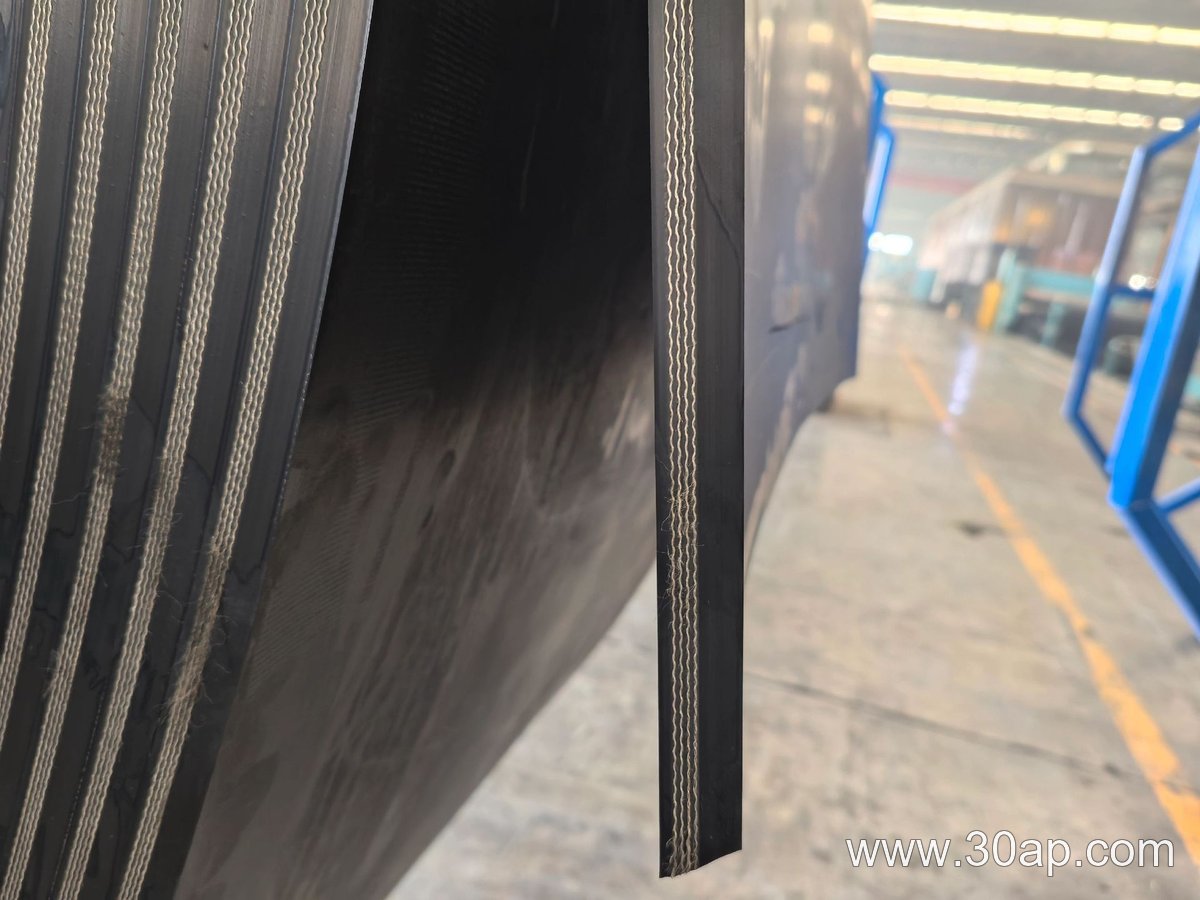
The construction starts with a carcass that carries the load. Common options include EP fabric, NN nylon, and steel cord. The cover compounds are formulated to resist flame propagation while still providing the wear and cut resistance the duty requires. Cover thickness is usually stated as a top and bottom pair, such as 4+2 mm or 6+2 mm, and the carcass may have two to six fabric plies depending on the required strength.
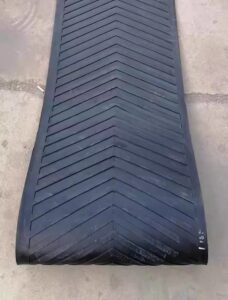
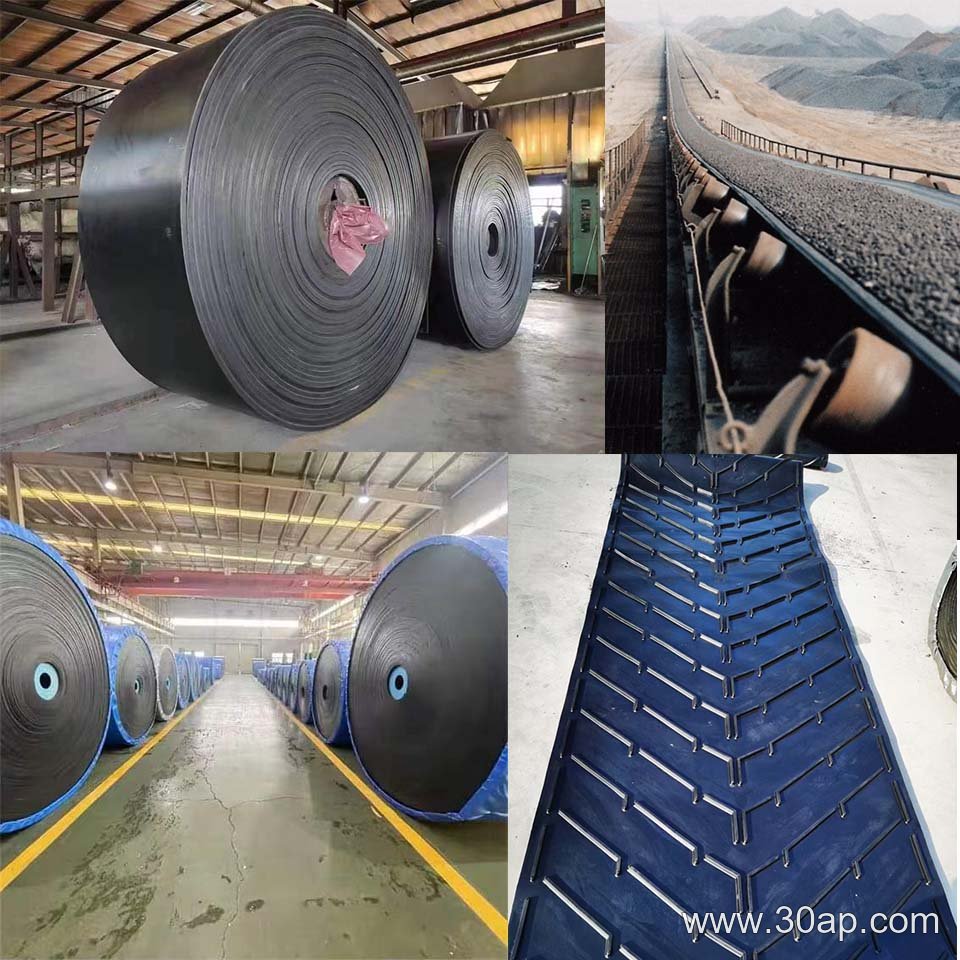
Anti-static behavior is frequently built into the same compound, because static discharge can ignite dust or gas in some operations. Fire resistance and anti-static performance are related but not identical, and a buyer should confirm both if the site requires them. The belt may also be produced with a patterned surface for inclined conveying, but the flame retardant property belongs to the compound, not to the pattern.
Where It Is Used
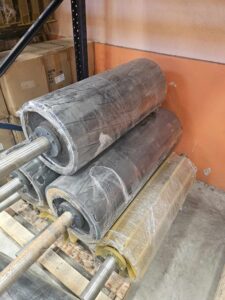
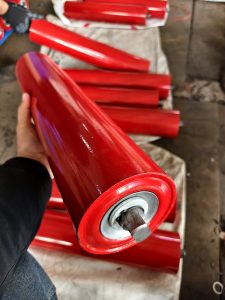
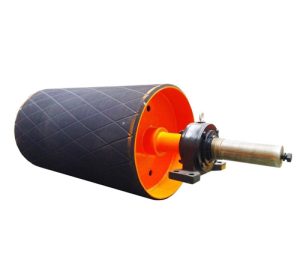
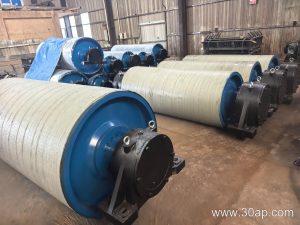
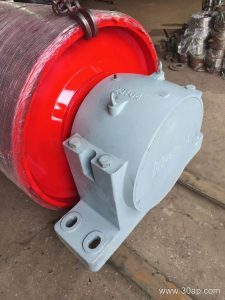
Typical applications include coal preparation plants, underground haulage, coke and sinter handling, foundry sand systems, and waste-to-energy feed lines. In these places the belt runs over idler rollers and around conveyor pulleys, and the drive, tail, and bend pulleys each perform a different job. A drive pulley transmits power, a tail pulley returns the belt, and a bend pulley changes its direction. They are not interchangeable, and the belt must be able to flex over each one without cracking or opening at the edges.
Supporting equipment matters as well. A damaged conveyor bracket or a seized idler roller can create friction heat, which is one of the few ways a conveyor belt can be ignited in normal service. Good alignment and free-turning rollers reduce that risk more effectively than any compound alone.
Selection Points for Buyers
Start with the material being carried and the environment around the belt. A coal conveyor and a hot clinker conveyor place different demands on the cover. The required tensile strength is usually expressed with grades such as EP200, EP315, EP400, or higher, and the belt width may be B650, B800, B1000, B1200, or another value determined by the conveyor design. These are reference ranges, not fixed pairings. A wider belt does not automatically require a specific pulley diameter, and shaft size follows the conveyor design rather than the belt width alone.
- Confirm the flame resistance standard the site actually applies.
- Check whether anti-static properties are also required.
- Match cover thickness and carcass strength to the load and impact.
- Review the smallest pulley in the system for adequate belt flexibility.
- Ask how the belt will be spliced, since the joint must preserve the fire resistant behavior.
Installation and Maintenance Notes
The splice is often the weakest point in a fire resistant conveyor belt. A mechanically fastened joint or a poorly cured vulcanized splice can expose the carcass and reduce the belt’s ability to resist flame. For that reason, the splicing method should be agreed before the belt is ordered, and the joint should be inspected during routine shutdowns.
During operation, keep the belt centered and the idler rollers turning. Spillage that builds up around the tail pulley can rub the belt and generate heat, and a bent conveyor bracket can push the belt into a structure. Cleaning, alignment, and lubrication checks are simple tasks that protect an investment in a flame retardant belt. When the cover is worn down to the carcass, the belt should be replaced rather than patched indefinitely, because the exposed fabric no longer provides the same protection.
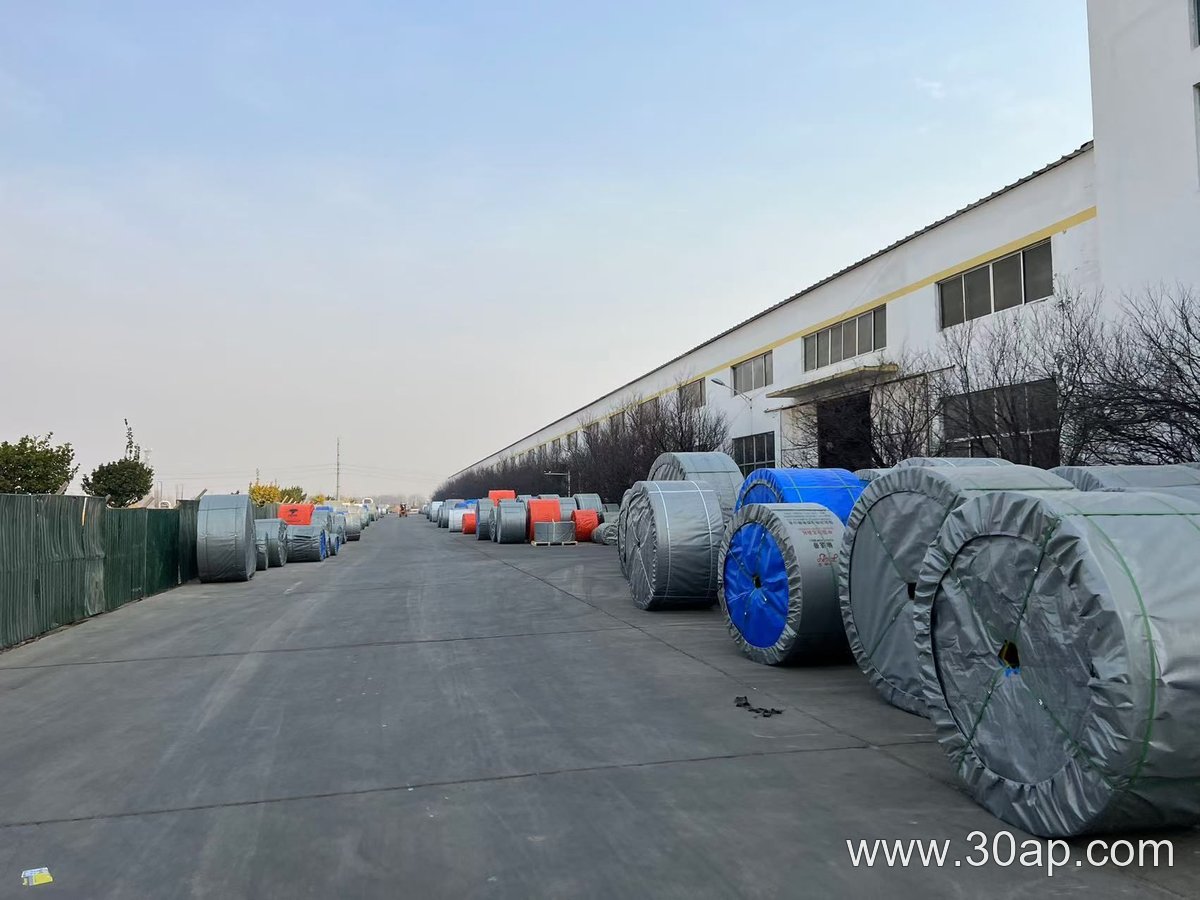
Finally, store spare belting away from direct flame, welding activity, and strong sunlight. A fire resistant conveyor belt is a durable industrial product, but it is still a rubber article, and reasonable storage and handling keep its properties intact until it is installed.