What a 630mm Diameter Conveyor Pulley Is
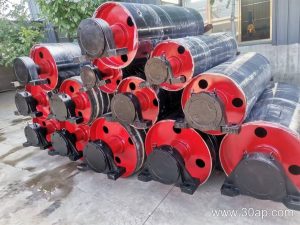
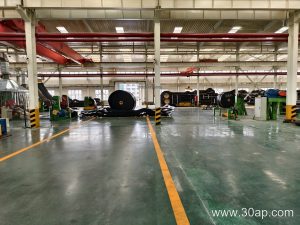
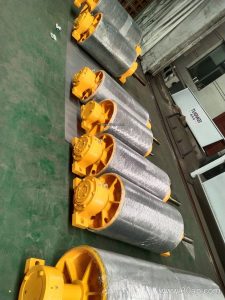
A 630mm diameter conveyor pulley is a heavy-duty drum component used to support and drive the conveyor belt on bulk material handling systems. With a nominal drum diameter of Ø630, this size sits in the mid-to-large range of standard pulley diameters and is commonly selected for main haulage conveyors in quarries, iron ore operations, coal preparation plants and cement clinker lines. The pulley works together with the conveyor belt, idler roller sets and conveyor bracket assemblies to keep the belt tracking correctly and transmitting torque without slippage.
In practice, the same product may be described as a Ø630 conveyor drum, a 630mm belt conveyor pulley or a 630mm head pulley, depending on its position in the conveyor frame. These are accurate equivalent names for the same item; the function, however, is fixed by where it is installed.
Construction and Surface Options
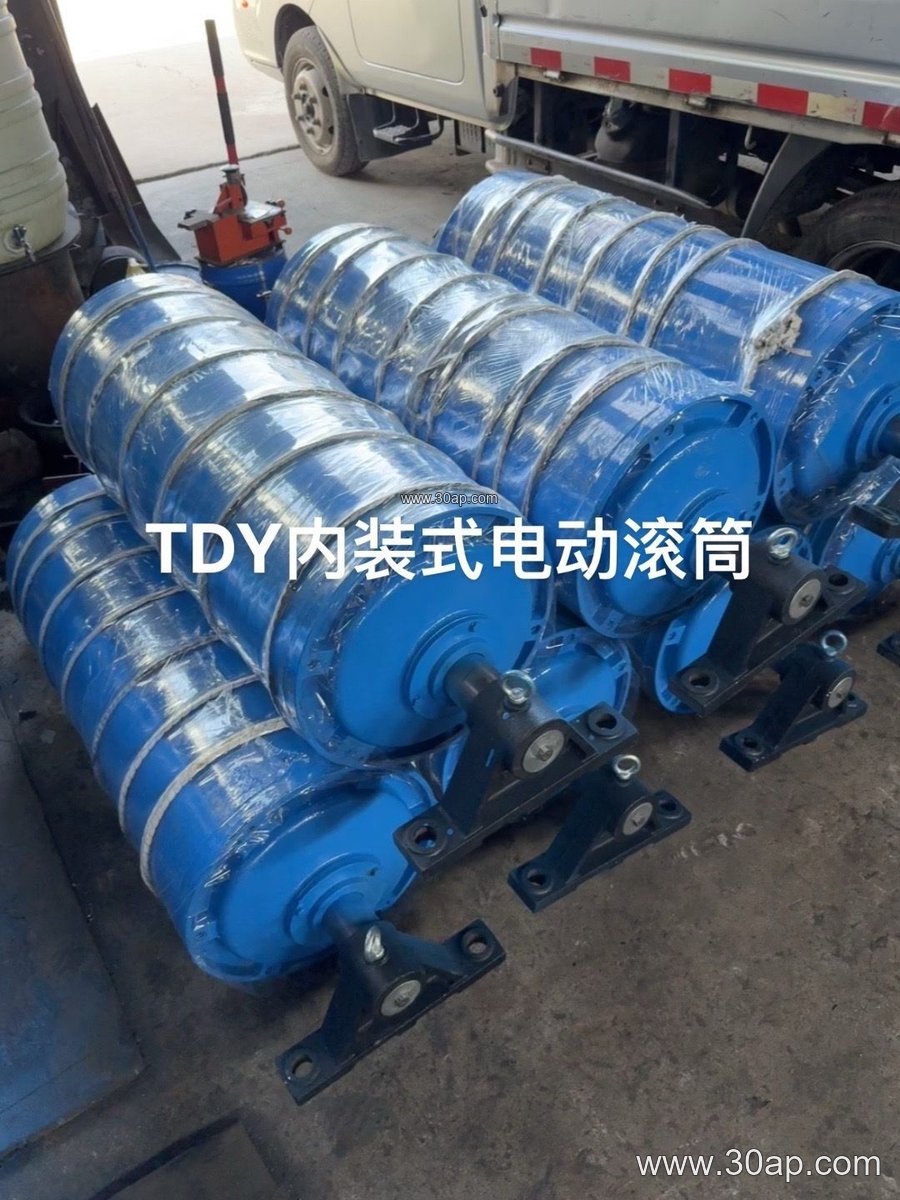
The drum body is usually fabricated from rolled steel plate with welded end discs and a machined hub. Shafts are sized by torque and radial load rather than by belt width alone, with common shaft diameters in the Ø100 to Ø200 range for this drum size. Surface treatment is chosen to match the duty:
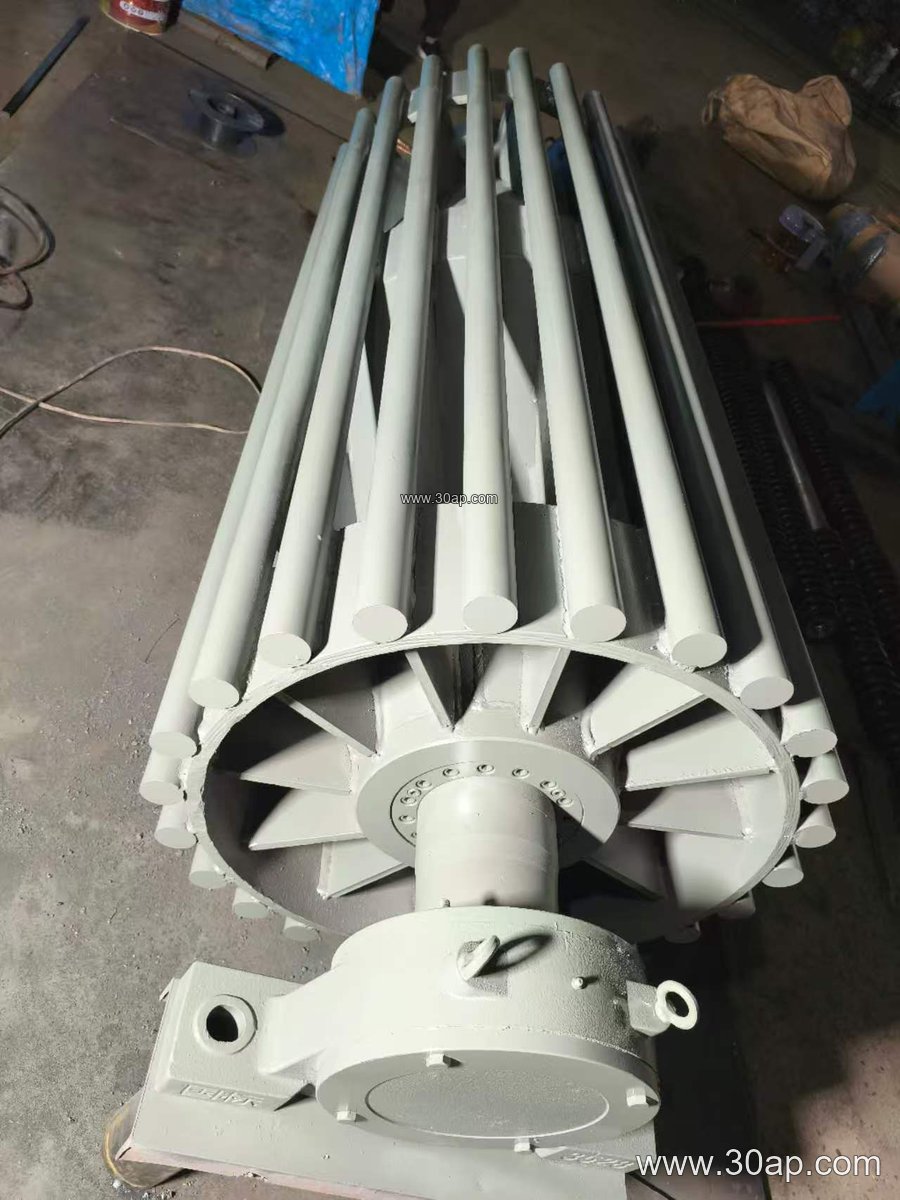
- Plain machined face for non-drive positions where friction is not critical
- Hot vulcanized rubber lagging in 10, 12 or 15 mm for general drive duty
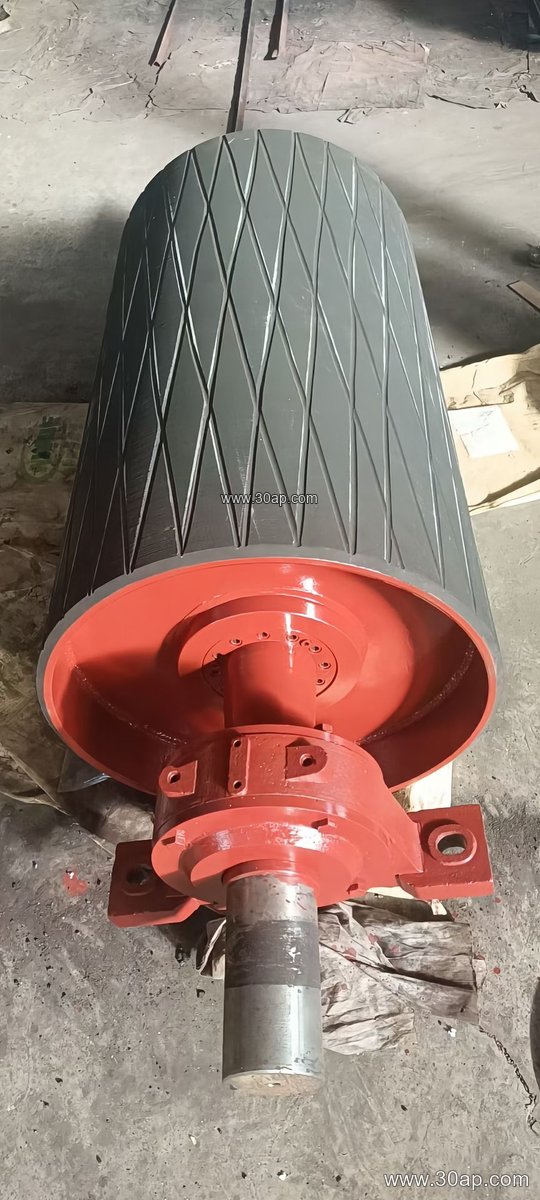
- Diamond or herringbone grooved lagging to improve grip and shed water
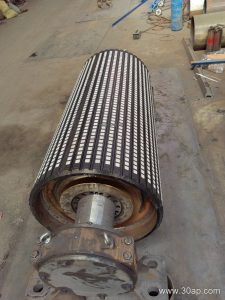
- Ceramic lagging for high-abrasion service such as iron ore or copper ore conveyors
Lagging thickness commonly ranges from 8 mm to 20 mm. A 630mm drum is often paired with belt widths from about 1000 mm to 1400 mm, but the correct match depends on belt tension, wrap angle and load, not on a fixed rule. Drum face width is normally slightly wider than the belt, for example about 1150 mm for a B1000 belt and about 1600 mm for a B1400 belt.
Where It Fits in the Conveyor
At the head end, a Ø630 pulley frequently serves as the drive or head pulley on a primary crusher conveyor in a stone crushing line or a sinter feed conveyor at a steel plant. At the tail end, the same diameter can be used as a tail pulley to return the belt and maintain tension. In long overland systems, a bend pulley of this size may redirect the belt around a curve or into a transfer tower.
Drive, tail and bend pulleys are not interchangeable names. A drive pulley transmits power through lagging friction; a tail pulley guides and tensions the return strand; a bend pulley changes belt direction without driving. Selecting the wrong role for a given drum leads to belt slip, tracking problems or premature lagging wear.
Belt Compatibility and Related Components
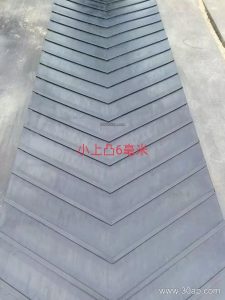
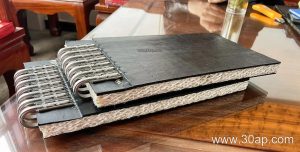
The pulley must suit the belt it carries. An EP conveyor belt or multi-ply fabric core belt is common on medium-duty lines, while a steel cord conveyor belt is typical where high tension and long distance demand it. In coal mining, a flame retardant conveyor belt or PVG conveyor belt is often specified alongside anti-static properties. Abrasion resistant conveyor belt grades are used in quarry and aggregate service, and heat resistant conveyor belt grades appear in cement and power plant applications.
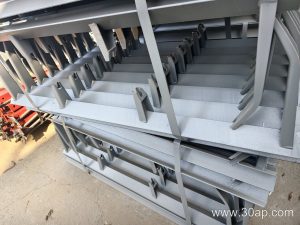
Belt cleanliness also matters. A worn skirted conveyor belt or corrugated sidewall conveyor belt can cause material buildup on the drum face, so lagging grooves and adequate belt cleaners help protect the 630mm pulley. Matching idler roller spacing and conveyor bracket alignment keeps the belt centered on the drum.
Specification Reference
The following values are typical reference data, not universal specifications. Final dimensions are confirmed by the conveyor designer.
| Parameter | Common Range |
|---|---|
| Drum diameter | Ø630 mm |
| Belt width examples | B1000, B1200, B1400 |
| Drum face width examples | about 1150 mm, 1400 mm, 1600 mm |
| Shaft diameter examples | Ø100, Ø120, Ø140, Ø160, Ø180 |
| Lagging thickness | 8, 10, 12, 15, 20 mm |
| Surface forms | plain, rubber lagged, diamond, herringbone, ceramic |
Buyer Checklist
- Confirm the pulley role: drive, tail, bend, take-up or snub.
- Provide belt width, belt type and maximum operating tension.
- State lagging type and thickness, plus groove pattern if required.
- Specify shaft diameter, keyway and bearing arrangement from the design load.
- Check balancing class and runout for high-speed drives.
- Plan inspection of lagging wear, bearing temperature and belt tracking after commissioning.
For inquiries about a 630mm diameter conveyor pulley, include the conveyor layout, belt specification and expected tonnage so the drum can be matched to the duty. Related components such as the conveyor belt, idler roller and conveyor bracket should be reviewed together, since pulley life depends on the whole system working in balance.