What an Adjustable Conveyor Bracket Actually Does
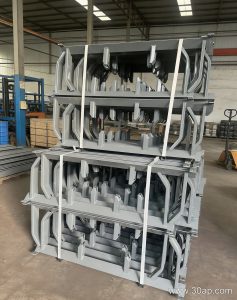
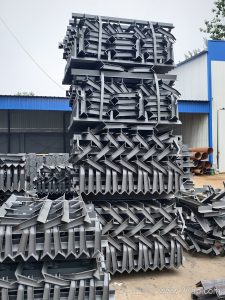
An adjustable conveyor bracket is a support component that holds idler rollers at a chosen trough angle rather than locking them into one fixed position. Instead of a welded, single-angle frame, the bracket uses slotted holes, pivoting arms, or bolt-on angle plates so maintenance crews can change the trough shape as the duty changes. It is still a conveyor bracket in the ordinary sense, but its mounting points move. That single feature separates it from a fixed troughing bracket and makes it useful on lines where the material, belt loading, or roller size is expected to evolve.
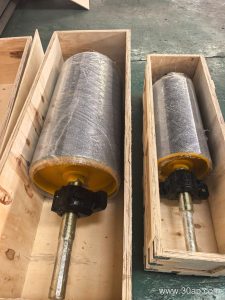
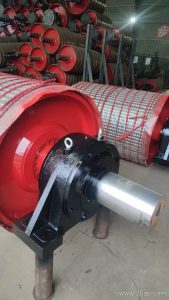
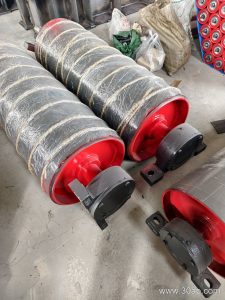
The name is sometimes shortened in workshops to adjustable bracket or adjustable idler bracket, but the product described here remains the same item. Drive pulleys, tail pulleys, and bend pulleys are different components entirely and should not be confused with this support hardware.
How the Bracket Is Built
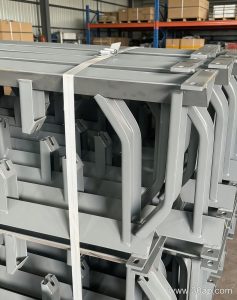
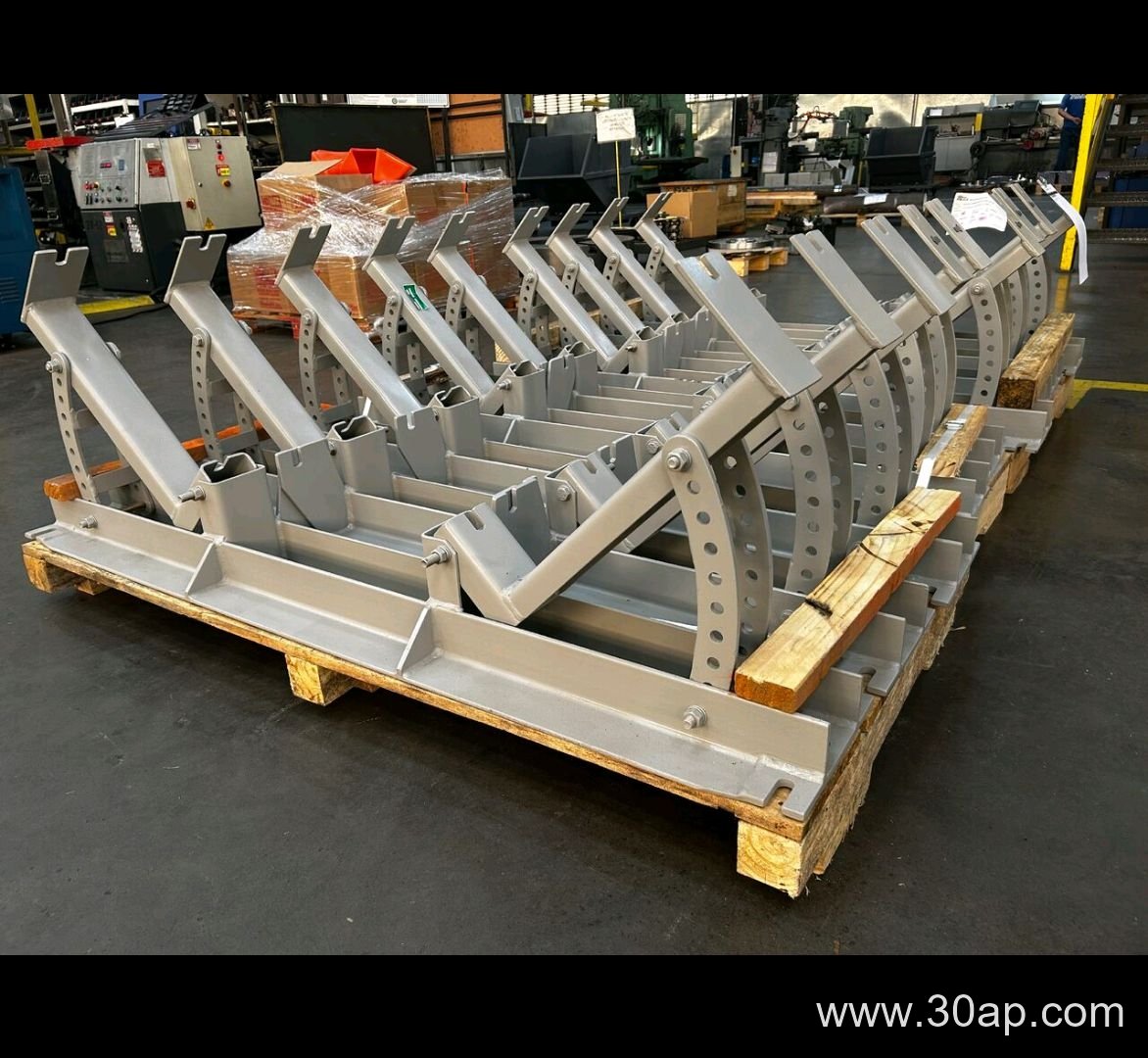
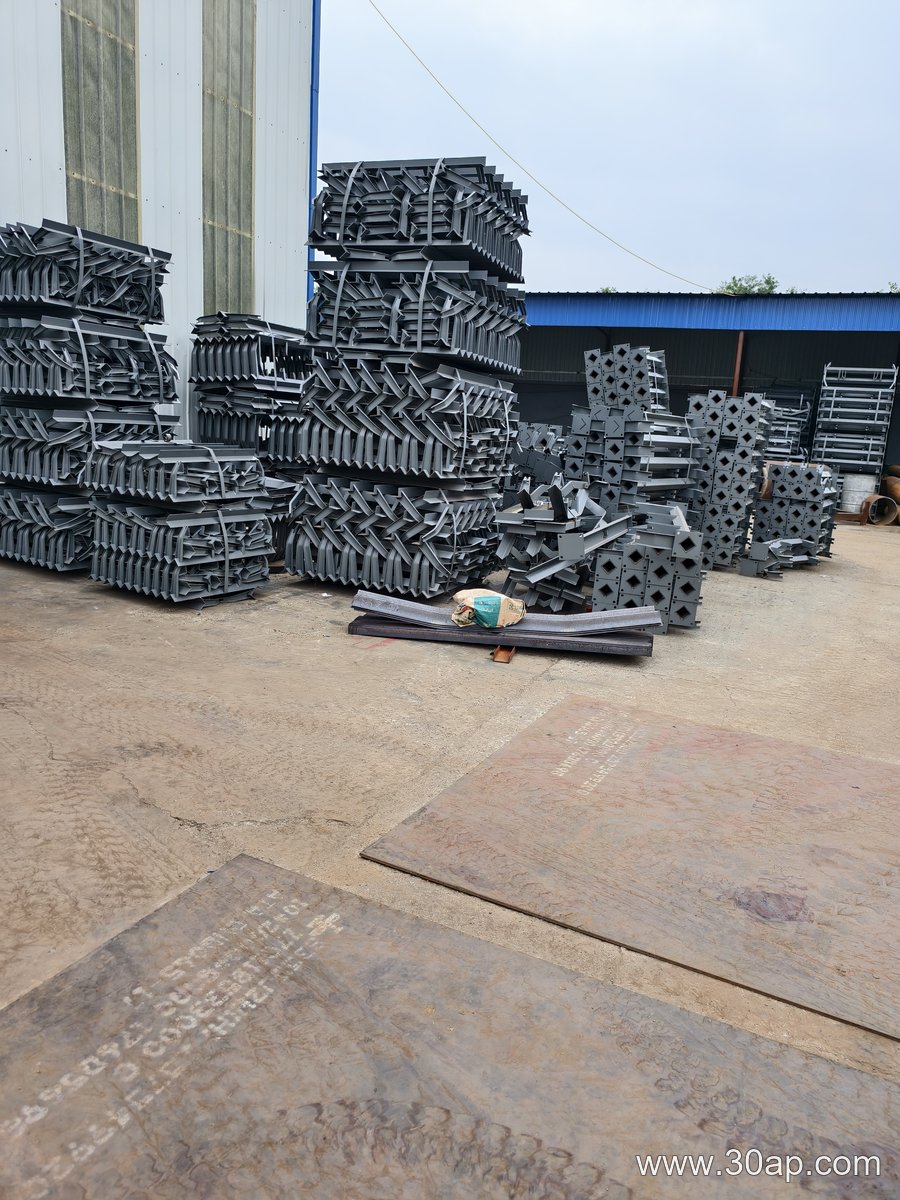
Most adjustable units are fabricated from angle steel, channel steel, or folded steel plate. The frame carries two or three roller seats. On a three-roller troughing set, the two side seats pivot while the center seat stays roughly horizontal. Slotted mounting holes allow the side rollers to swing between common trough angles such as 20, 30, 35, and 45 degrees. A locking bolt or clamp holds the chosen position once the angle is set.
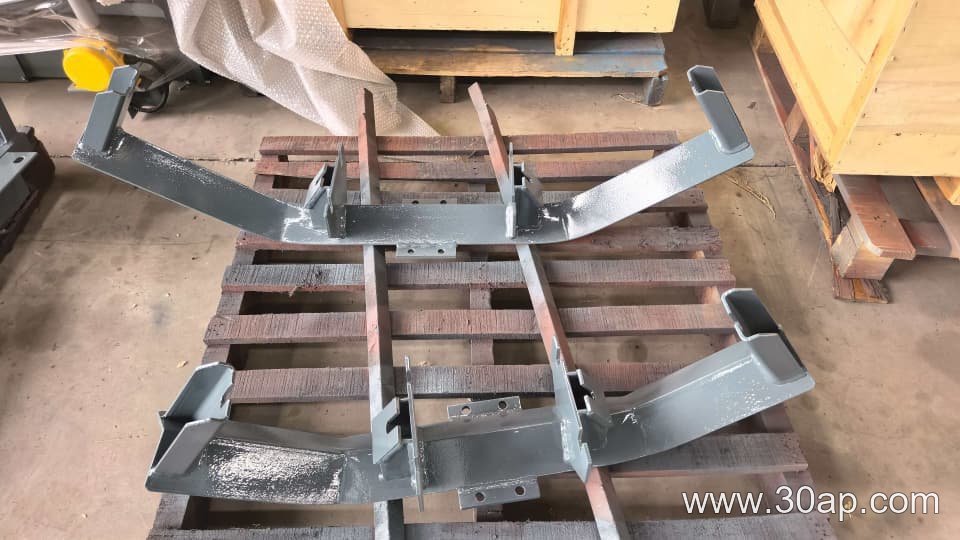
Some designs add a small forward tilt to the side rollers, often around 1.5 to 2 degrees, to help the belt track toward the center. Others use a simple pin-and-hole arrangement instead of slots. The exact hole spacing and crossbeam length are not universal; they are determined by belt width, trough angle, and the roller diameter selected for the application.
Where It Fits on a Conveyor
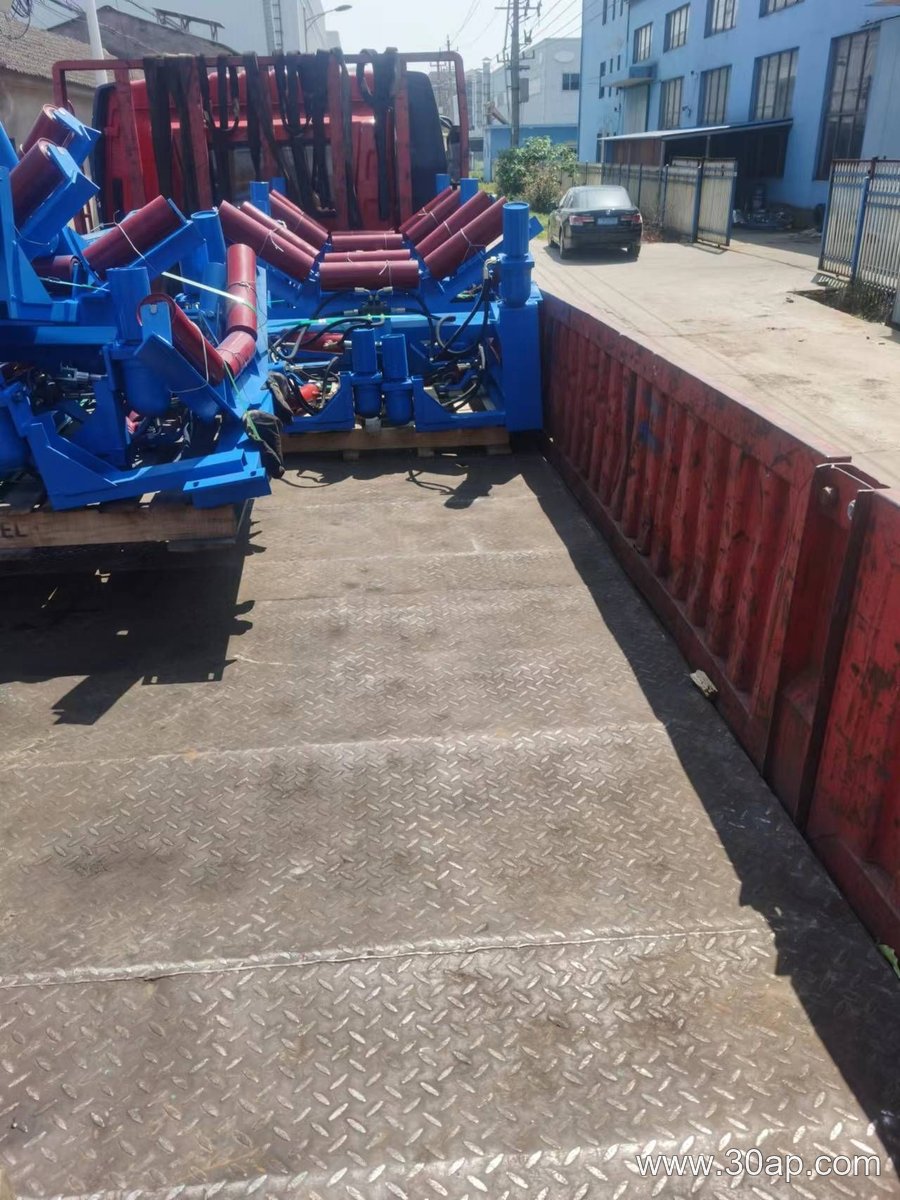
The bracket is normally bolted to the conveyor stringer or frame and supports the carrying-side rollers. It can also appear on the return side when a V-shaped or flat return arrangement needs a small amount of adjustment. In a typical installation, the bracket sits under the conveyor belt and holds the idler rollers that shape the belt into a trough.
Typical locations include:
- Quarry and limestone crushing lines where feed size and belt loading vary
- Coal washing plants and power station coal handling systems
- Sand and gravel operations with changing product grades
In these settings, an adjustable bracket lets the maintenance team tune the trough without cutting or re-welding the frame. It also helps when a roller size changes, for example moving from a Ø108 roller to a Ø133 roller on a B800 belt.
Choosing the Right Trough Angle and Roller Size
Trough angle and roller diameter are related but not locked together. A 35-degree trough on a B800 belt may use Ø108 rollers, while a B1200 belt at 45 degrees might run Ø133 rollers. A smaller B650 belt at 30 degrees often uses Ø89 rollers. These are common pairings, not fixed rules. The bracket must be selected so its slots and mounting holes match the intended angle range and roller shaft spacing.
Buyers should confirm three things before ordering:
- The belt width, such as B500, B650, B800, B1000, B1200, or wider
- The required trough angle range, for example 20 to 35 degrees or 30 to 45 degrees
- The roller diameter and shaft size that will be mounted
Do not assume that one belt width can only match one pulley diameter or one trough angle. The bracket is adjustable precisely because those values can change with the conveyor design.
Adjustable Versus Fixed Brackets
A fixed bracket is simpler and usually cheaper. It holds one trough angle permanently and is a good choice when the conveyor duty will never change. An adjustable bracket costs more and has moving parts, but it allows the operator to correct belt training, reduce spillage, or adapt to a new material without replacing the whole idler frame.
For comparison, a self-aligning bracket or training idler bracket is designed to steer the belt, while an impact bracket is built to absorb falling material. Those are different functions. The adjustable bracket is about changing the trough geometry, not about impact absorption or automatic belt correction.
Installation and Maintenance Notes
Install the bracket square to the conveyor centerline. If the bracket is skewed, the belt may run to one side even when the trough angle is correct. Tighten all locking bolts after setting the angle, and check them again after the first few days of operation. Slotted holes can loosen under vibration, so periodic inspection is part of normal conveyor maintenance.
Keep the pivot points clean. Dust from limestone, coal, or sand can pack into the slots and make adjustment difficult. A small amount of grease or a dry lubricant on the pivot helps, but avoid excess oil that could attract abrasive particles.
What a Buyer Should Know
When requesting a quote, describe the conveyor belt width, the roller diameter, the desired trough angle range, and the mounting arrangement. Ask whether the bracket is designed for a specific roller shaft size and whether the slots allow the full angle range you need. If the conveyor uses a conveyor pulley at the head or tail, that pulley is a separate purchase and is not part of the bracket assembly.
An adjustable conveyor bracket is a small part of a conveyor system, but it gives the operator control over belt shape and roller position. On a line where conditions change, that control can reduce downtime and keep the conveyor belt running centered and stable.