What a Conveyor Bracket Quotation Covers
A conveyor bracket quotation is a priced breakdown of the support frames that hold idler rollers in position along a conveyor line. In everyday plant language, the same item is often called an idler frame or roller support bracket. These brackets sit between the conveyor belt and the conveyor structure, and they determine the trough angle, the roller spacing, and how evenly the belt carries its load. When you ask a supplier for a quotation, you are not just asking for a piece of steel. You are asking for a matched set of supports that will keep the belt tracking correctly and reduce wear on the idler roller, the belt, and the frame itself.
The article below explains how these brackets are built, where they are used, and what a buyer should confirm before accepting a price.
How a Conveyor Bracket Is Built
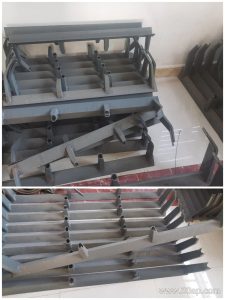
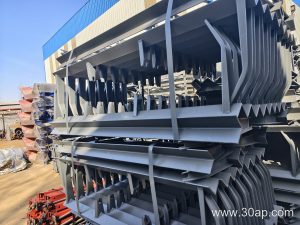
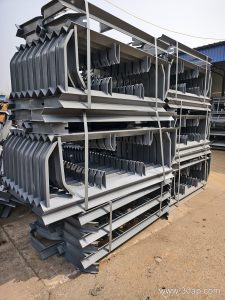
Most brackets are fabricated from angle steel, channel steel, or folded steel plate. The choice depends on the load, the belt width, and the environment. A typical troughing bracket has two or three roller seats set at a fixed angle. Return brackets are usually flatter, and some use a V shape to help center the belt on the return run.
Key construction points include:
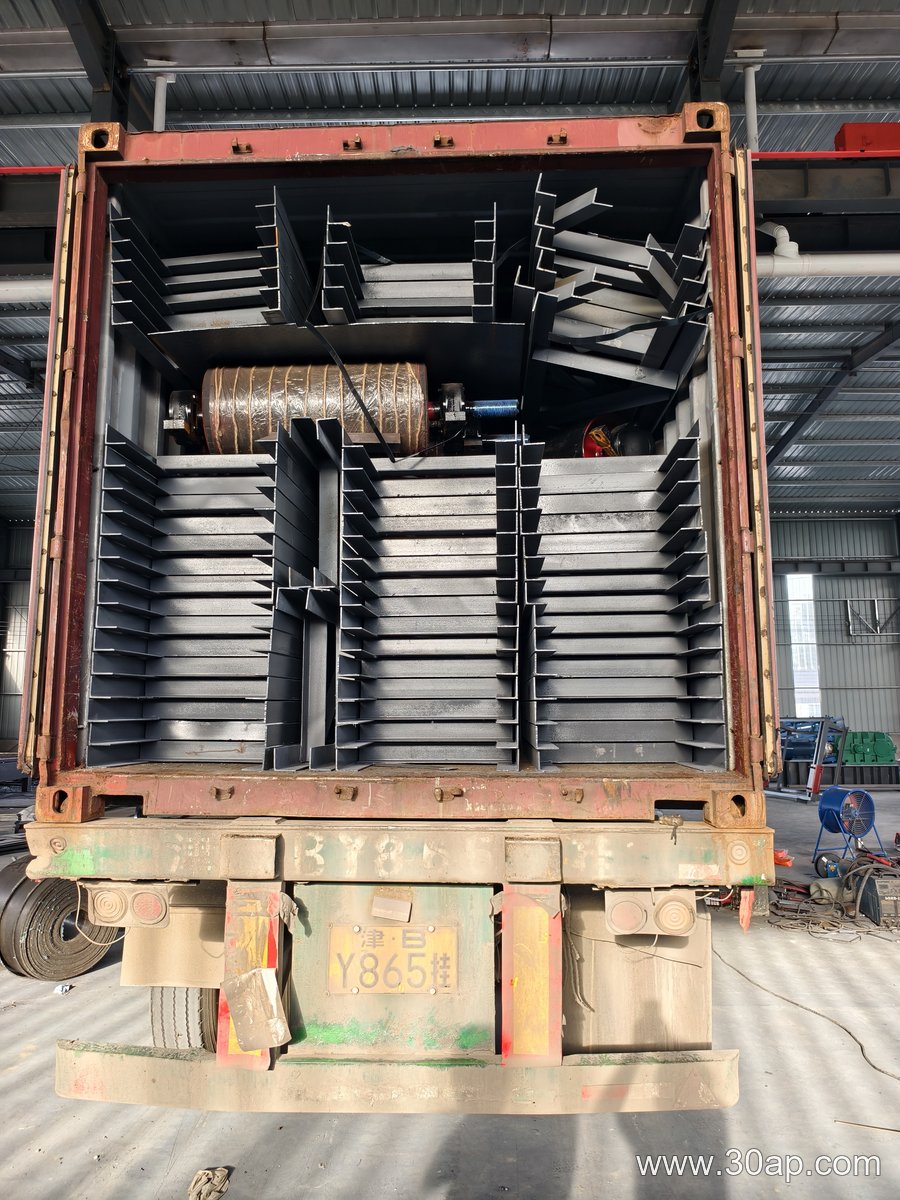
- Mounting holes positioned to match the conveyor frame rails
- Roller slots or flats that accept shafts of a given diameter
- Crossbeam length sized to the belt width and trough angle
- Welds and bends that resist vibration and repeated loading
- Surface treatment chosen for the site conditions
Because hole spacing and beam length change with belt width and trough angle, they should never be treated as fixed numbers. A bracket made for one line will not automatically fit another.
Where These Brackets Are Used
You will find these supports in almost any bulk handling system. Two common settings are a limestone quarry and a coal preparation plant. In a quarry, brackets carry the belt through the crushing and screening area, where impact and dust are constant. In a wash plant, they support the belt on the return side and help keep fines from building up under the rollers.
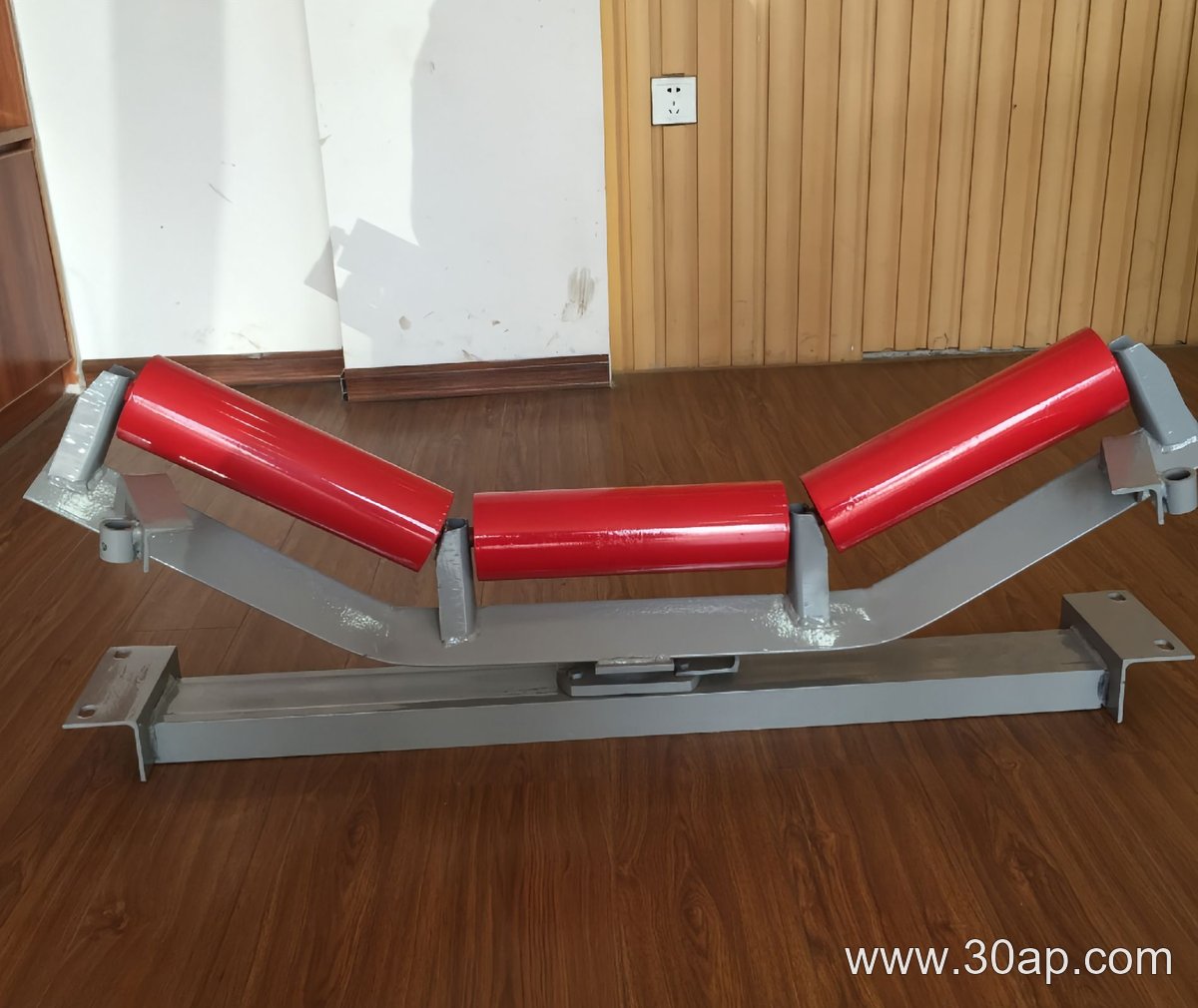
Other places include sand and gravel lines, cement plants, and port loading systems. In each case, the bracket must match the belt width, the load, and the available frame space.
Troughing Brackets and Their Adjustable Versions
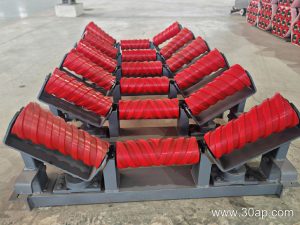
A troughing bracket is the most common type. It sets the side rollers at an angle so the belt forms a trough. Common trough angles are 20, 30, 35, and 45 degrees. The right angle depends on the material, the belt speed, and how much capacity the line needs.
Adjustable brackets allow the same frame to be set at different angles within a range. This is useful when a plant handles more than one material or expects future changes. Fixed brackets are simpler and often cheaper, but they cannot be re-angled later.
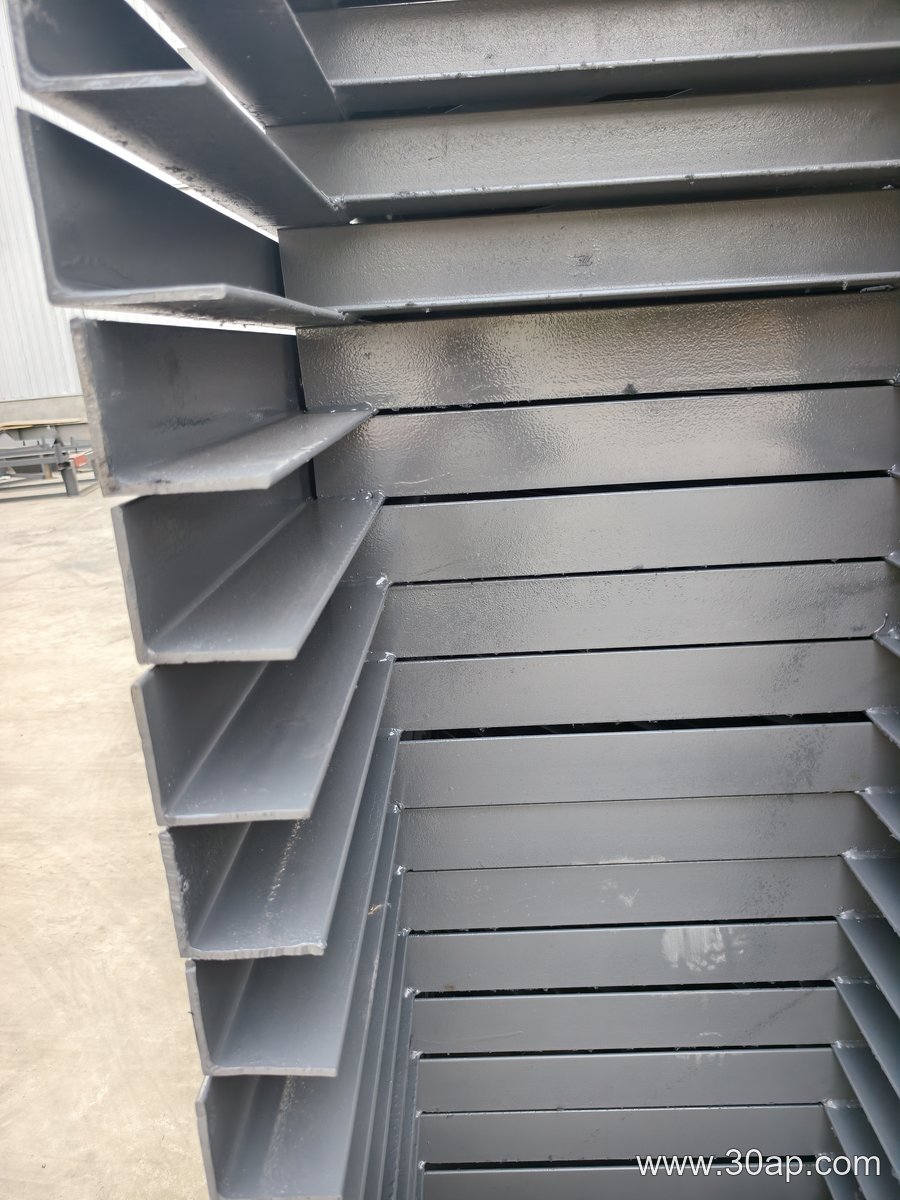
Do not assume that one belt width can only match one trough angle or one roller diameter. A B800 belt, for example, may run with a 35 degree trough and 108 mm rollers on one line, while a similar width on another line may use a different combination. The design engineer decides based on load and belt behavior.
Matching Brackets to Rollers and Belt Width
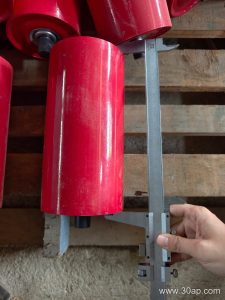
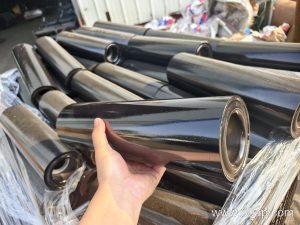
The bracket must accept the shaft of the idler roller it will hold. Common roller diameters include 89, 108, 133, 159, and 194 mm. The bracket slot or flat must match the shaft size, not just the roller diameter. A bracket quoted for one roller type may not fit another without an adapter.
Belt width also affects the crossbeam. Wider belts need longer beams and more support. Common belt widths range from B500 up to B2200, but the bracket for each width is a separate design. When you request a quotation, give the belt width, the trough angle, the roller diameter, and the mounting hole spacing. If you do not know the hole spacing, ask the supplier to confirm it against your frame drawing.
What to Confirm Before You Accept a Quotation
A conveyor bracket quotation should list more than a price. Check the following:
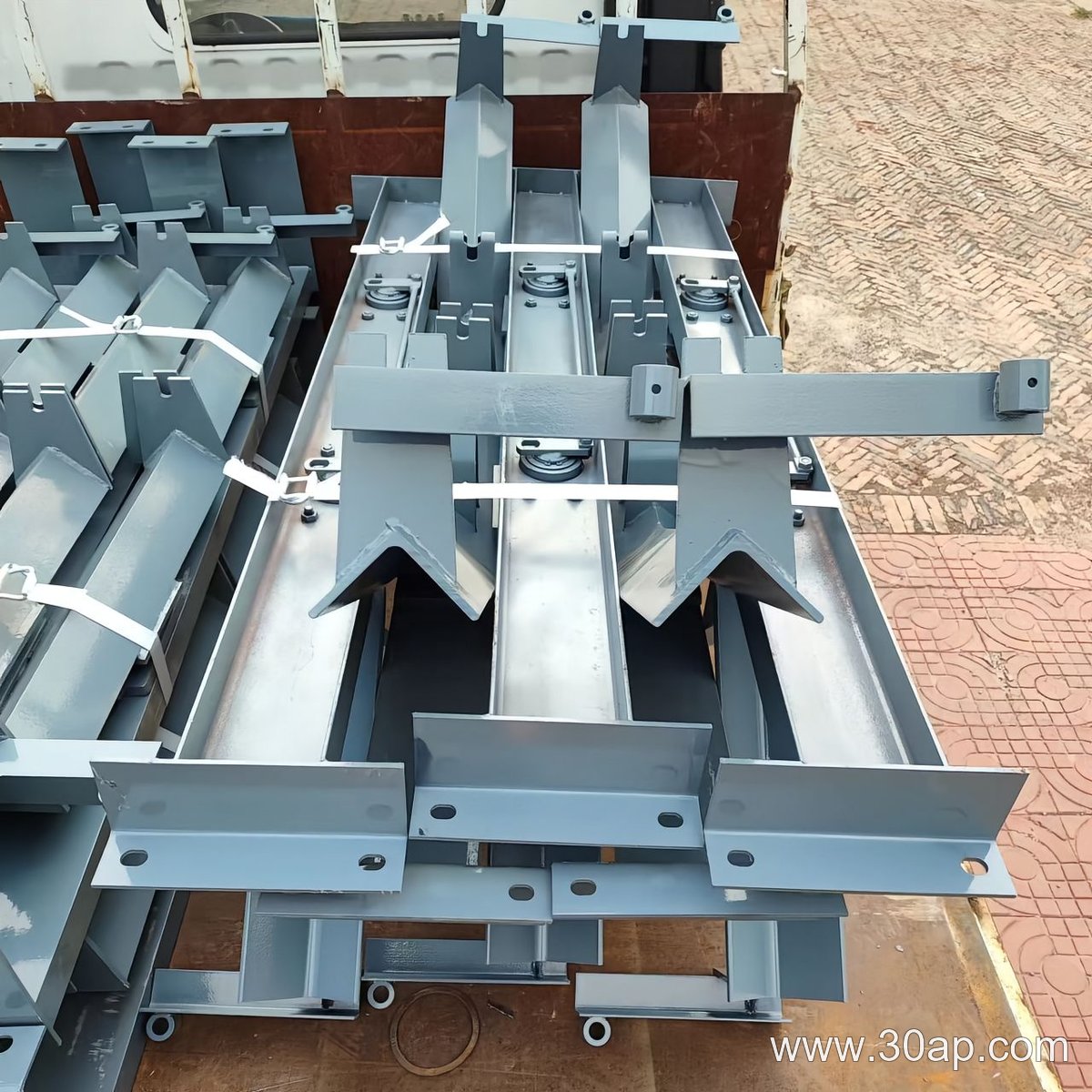
- Material and thickness of the steel
- Surface treatment, such as painting or galvanizing
- Bracket type: troughing, return, impact, or self-aligning
- Trough angle, if applicable
- Roller shaft size the bracket will accept
- Mounting hole spacing and crossbeam length
- Quantity and whether spares are included
- Lead time and packing method
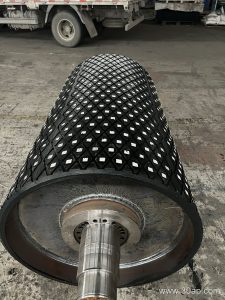
If the quotation only gives a model number and a price, ask for a drawing. A simple sketch showing hole positions and roller seats prevents costly mistakes. Also confirm whether the bracket is designed for a specific conveyor pulley arrangement, because the bracket near a drive pulley or bend pulley may need extra clearance or a different height.
Common Buying Mistakes
One common mistake is ordering brackets by belt width alone. Two conveyors with the same belt width can have different frame rails, different roller diameters, and different trough angles. Another mistake is mixing up bracket types. A return bracket is not a troughing bracket, and a self-aligning bracket has a different function from a fixed one. A third mistake is ignoring the installation environment. A bracket that works indoors may fail quickly in a wet or dusty quarry if the surface treatment is not suitable.
Finally, remember that a quotation is a snapshot. If your belt width, trough angle, or roller size changes, the bracket design may change too. Share the final layout with your supplier before production starts.
Summary
A conveyor bracket quotation is the starting point for a reliable belt support system. The bracket must match the belt width, the roller shaft, the trough angle, and the frame mounting. Buyers should ask for a drawing, confirm the material and finish, and avoid treating any size combination as universal. With the right bracket, the conveyor belt runs straighter, the idler roller lasts longer, and the whole line needs less maintenance.