What a Conveyor Bracket Actually Is
A conveyor bracket is the structural piece that holds a roller or a pulley in the right position along a conveyor frame. In many workshops it is simply called a conveyor bracket, but on drawings you will also see terms such as conveyor support bracket, troughing bracket, or return bracket. It is not a glamorous component, yet it decides whether the conveyor belt tracks smoothly or wanders off to one side. When buyers ask about conveyor bracket price, they are usually comparing a small fabricated part that has a surprisingly large effect on uptime.
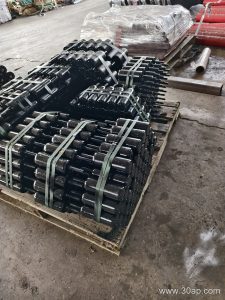
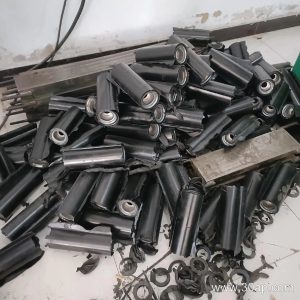
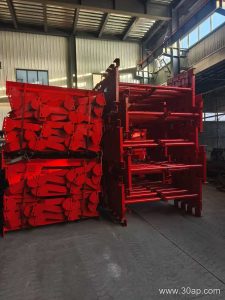
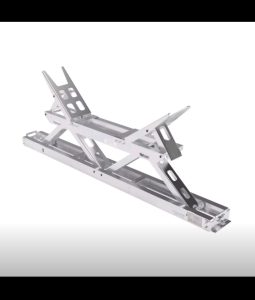
The bracket is normally made from angle steel, channel steel, or folded steel plate. The choice depends on the load, the belt width, and the environment. A light bracket for a B650 conveyor in a grain silo looks very different from a heavy bracket for a B1400 conveyor in a crushing and screening line. The bracket may be fixed or adjustable, and it may carry a single idler roller or a set of three rollers in a trough arrangement.
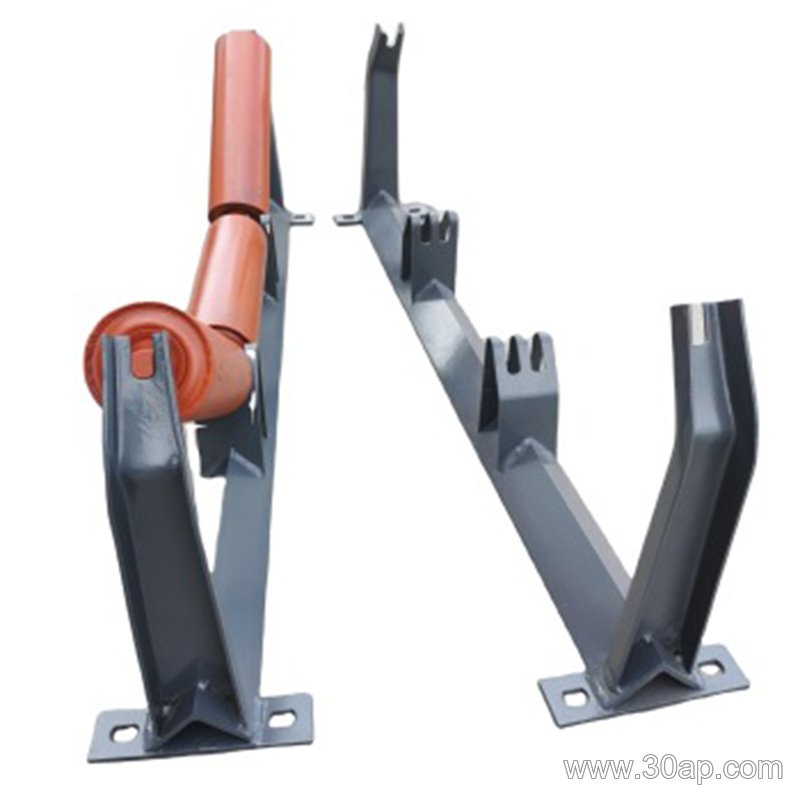
How the Bracket Is Built and Where It Sits
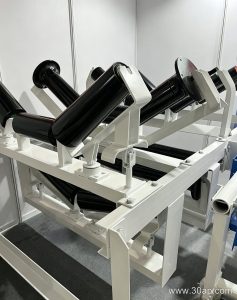
Most brackets are welded or bolted assemblies. The base plate or mounting pads connect to the conveyor stringer, while the upper part holds the roller shaft. On a troughing bracket, the side rollers are set at a trough angle, commonly 20, 30, 35, or 45 degrees. The center roller sits lower, and the conveyor belt rests on all three. A return bracket supports the belt on the way back, often with a flat roller or a V-shaped arrangement.
Adjustable brackets allow the trough angle to be changed within a range. This is useful when a conveyor handles different materials or when the belt needs fine tracking adjustment. Fixed brackets are simpler and often cheaper, but they lock the design into one angle. A custom conveyor bracket may be needed when the frame is non-standard, when the mounting holes do not match a standard pattern, or when the bracket must fit around an existing chute or walkway. That kind of bracket is common in tunnel boring and port conveyor upgrades where space is tight.
Where Different Brackets Are Used
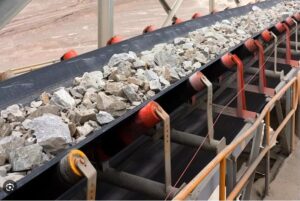
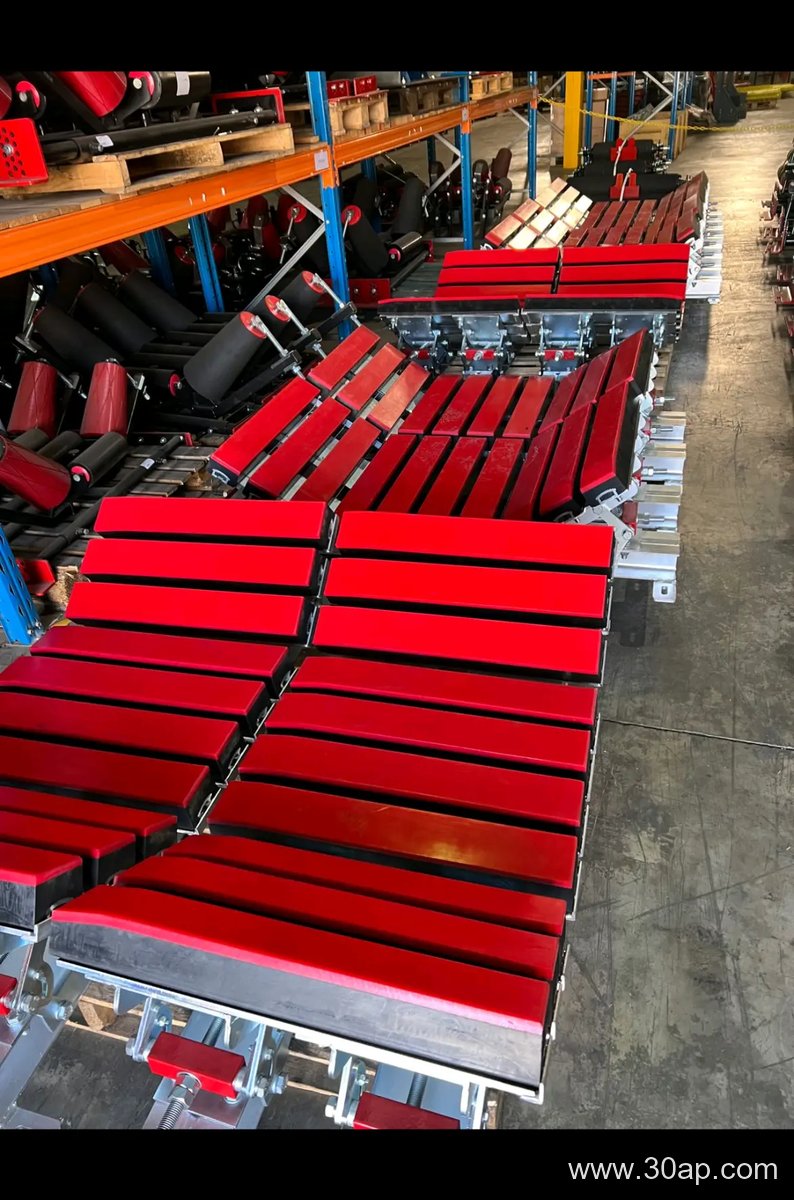
A belt conveyor bracket is used wherever a belt conveyor needs reliable roller support. You will find it in a limestone quarry feeding a primary crusher, in a coal handling system at a power plant, and in a fertilizer plant moving granular product. One common arrangement is a B800, 35 degree, Ø108 troughing set. Another is a B1200, 45 degree, Ø133 set for higher capacity. These are common options, not fixed rules, and the final choice depends on the belt speed, material density, and loading conditions.
The conveyor support bracket also appears on the return side. A V-shaped return bracket helps center the belt after it has carried a heavy load. In a steel mill or sinter plant, heat and dust may call for thicker steel and a more open design. In a food or grain application, the bracket may be painted or galvanized, and the edges are smoothed to avoid belt damage. The same bracket family can be used with a conveyor pulley at the head or tail, although the pulley itself is supported by a different bearing housing and frame.
What Affects Conveyor Bracket Price
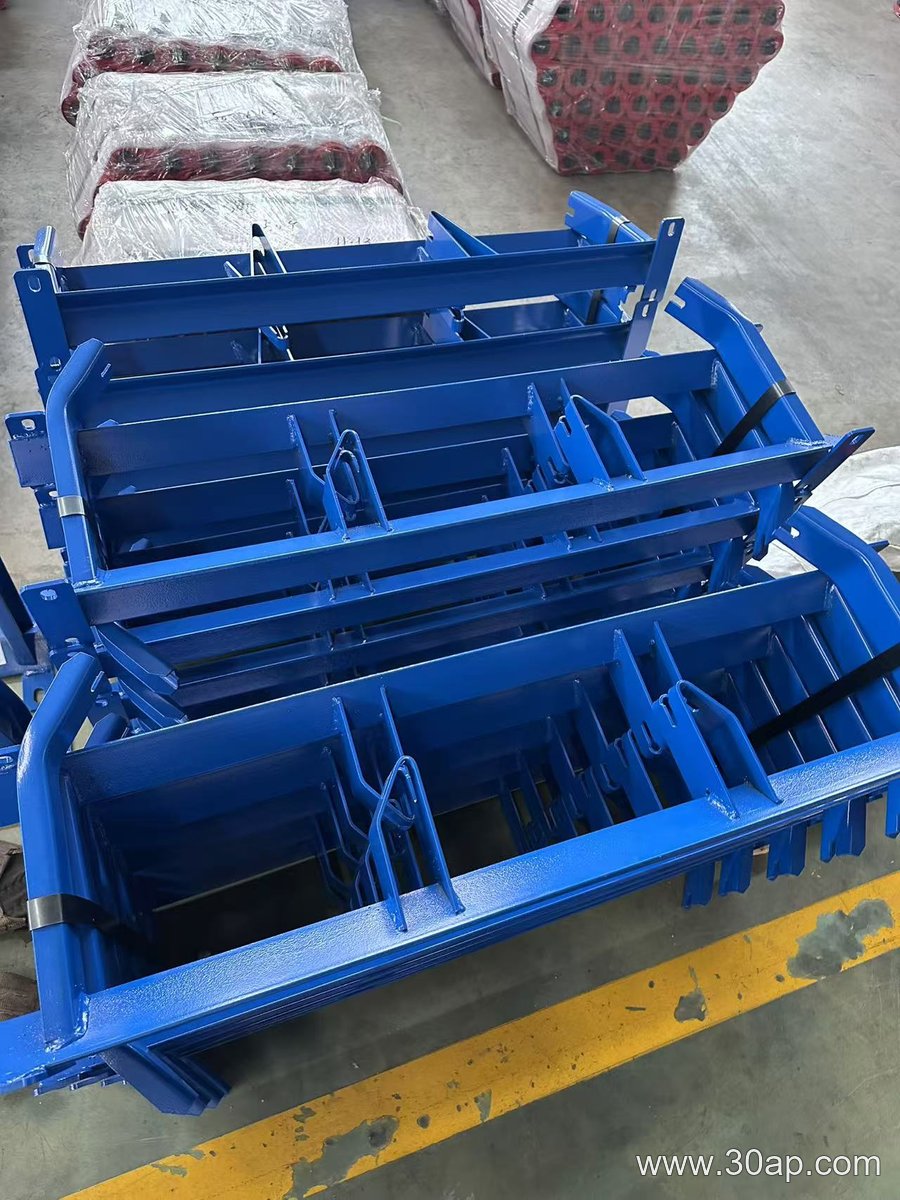
The price of a conveyor bracket is not a single number. It moves with material, fabrication, coating, and quantity. Here are the main cost drivers a buyer should check:
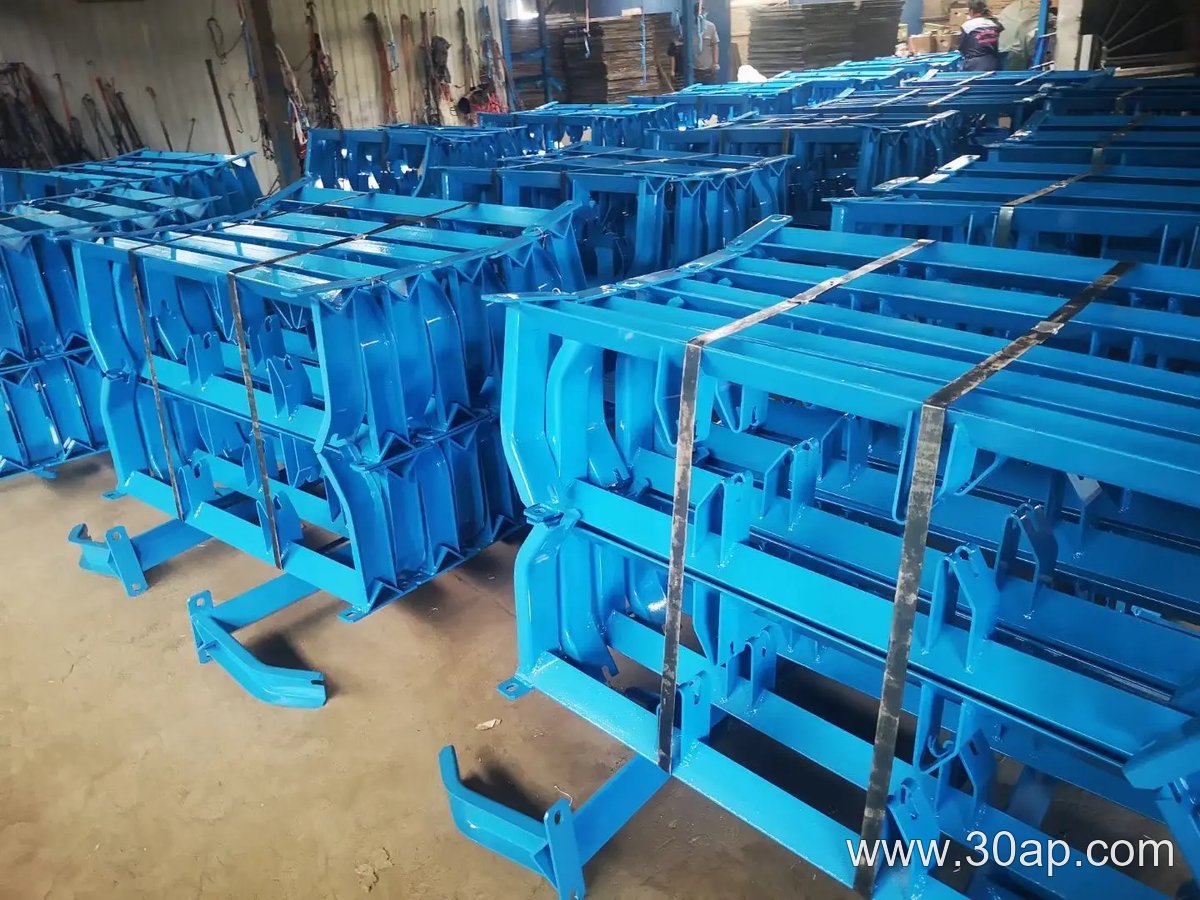
- Material grade and thickness. Angle steel and channel steel are common, but the wall thickness changes with load. A heavier bracket for a B1600 conveyor costs more than a light bracket for a B650 line.
- Roller diameter and shaft size. A bracket drilled for Ø89 rollers is not the same as one for Ø159 rollers. The shaft diameter is determined by the load, not by the belt width alone.
- Trough angle. A 20 degree bracket uses less material than a 45 degree bracket, but the difference is small compared with the cost of adjustable features.
- Adjustability. Slotted holes, pivoting arms, and locking bolts add machining and assembly time.
- Surface treatment. Painted, galvanized, or bare steel finishes have different costs and different lead times.
- Order quantity. A one-off custom bracket costs more per piece than a batch of standard brackets. Freight and packaging also matter for long brackets.
It is wise to ask for a breakdown rather than a single lump sum. A supplier who separates material, welding, machining, and coating is easier to compare. Also confirm the mounting hole spacing and the overall beam length, because these change with belt width and trough angle. Do not assume that a bracket for B1000 will fit a B1200 frame without checking the drawing.
How to Specify and Buy Without Guesswork
Start with the conveyor belt width and the idler roller diameter. Then decide the trough angle and whether the bracket must be fixed or adjustable. For a B650, 30 degree, Ø89 setup, a standard troughing bracket is often enough. For a B1400, 35 degree, Ø159 setup, the bracket needs a heavier frame and a stronger shaft support. If the conveyor has a transition zone near the pulley, a transition bracket may be needed to support the belt as it changes from troughed to flat.
Ask the supplier for the material thickness, the welding standard, and the coating type. Check whether the bracket is designed for a specific idler roller series, because shaft ends and mounting slots vary. If the conveyor runs in a wet or corrosive area, a galvanized or stainless option may be worth the extra cost. Finally, request a sample or a detailed drawing before placing a large order. A small error in hole spacing can stop an entire conveyor line.
Conveyor bracket price is best judged against the total cost of ownership. A cheap bracket that fails in six months can cost far more than a well-built one that lasts for years. Buy for the duty, the environment, and the maintenance schedule, and the price will make sense.