What a 1800mm Conveyor Belt Actually Is
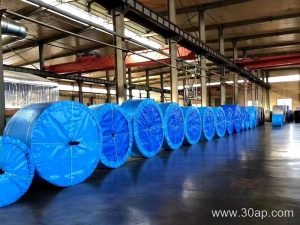
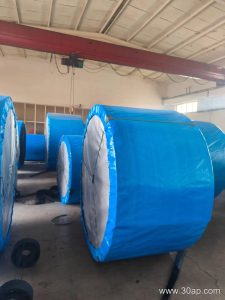
An 1800mm conveyor belt is a wide-format belt with a nominal width of 1,800 millimeters, roughly 71 inches. That width places it firmly in the heavy-duty class of bulk material handling equipment. Instead of moving small parcels or light boxes, belts of this size are typically found where large volumes of rock, ore, aggregate, coal, or other dense materials must travel continuously over long distances. The width is chosen because it allows a deeper material burden and higher throughput without forcing the belt to run at excessive speed.
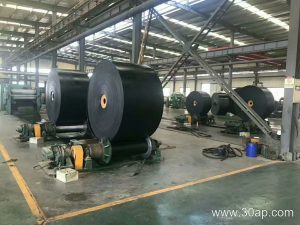
People sometimes call this a Rock Conveyor Belt because of where it usually works, but the name describes the duty rather than a separate product category. The same belt might also be described simply as a wide Rubber Conveyor Belt when the carcass and covers are rubber-based. What matters is that the width, the carcass strength, and the cover compound all match the application.
How the Belt Is Built
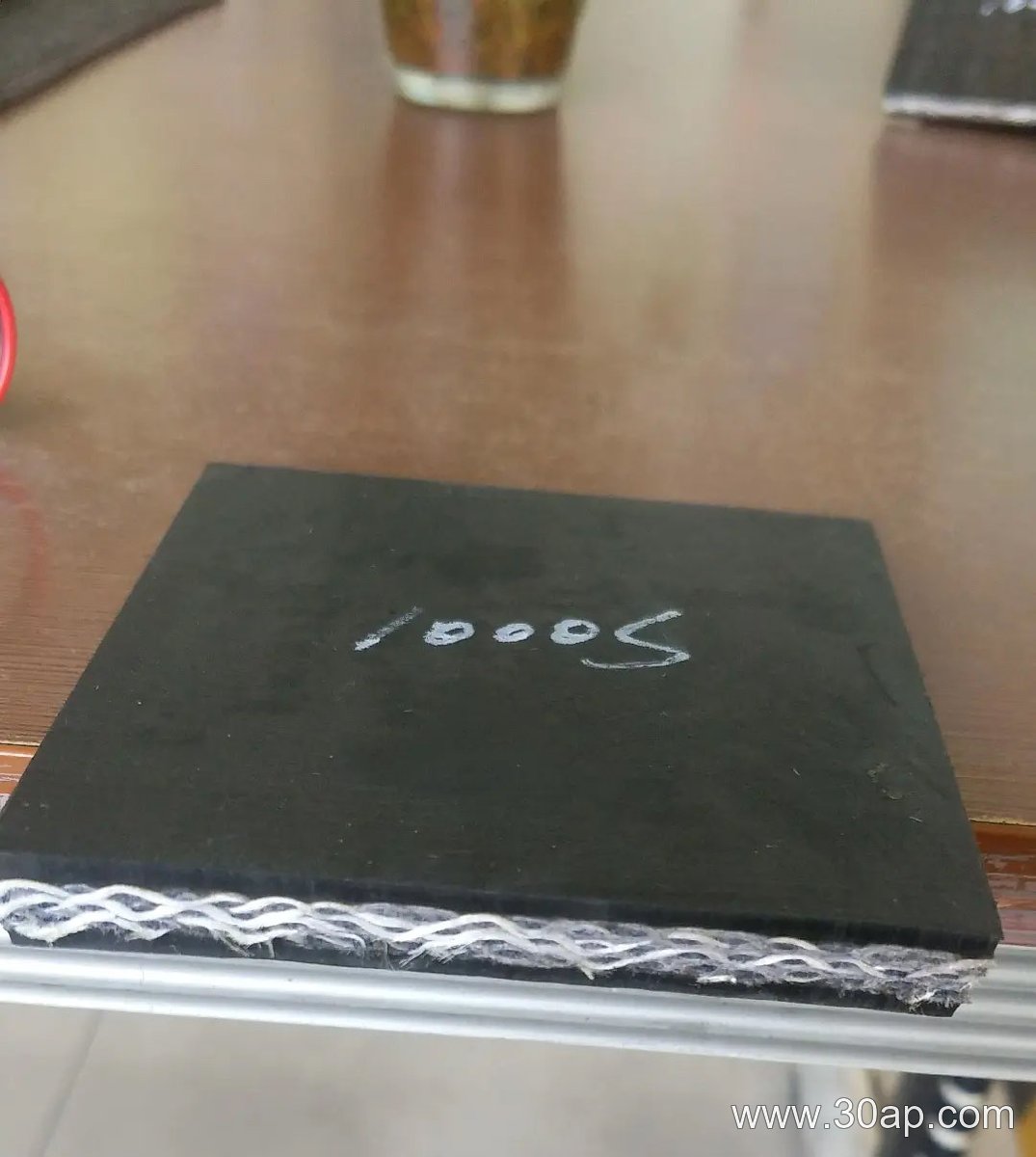
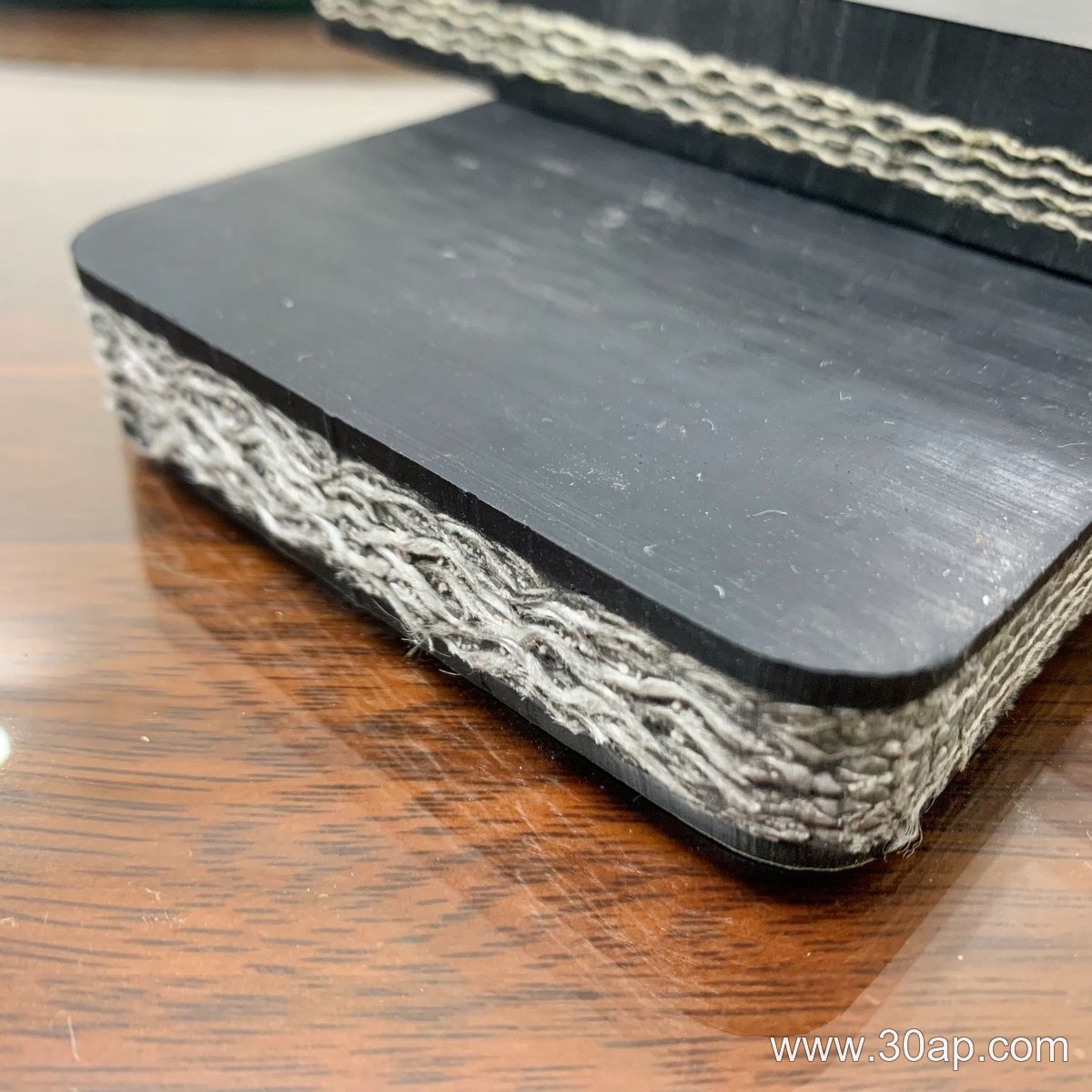
A typical belt of this width is a composite structure. The strength comes from the carcass, which is usually made of fabric plies such as EP (polyester warp, nylon weft) or steel cord. The carcass carries the tension and resists stretching under load. Around it are rubber covers: a top cover that faces the material and a bottom cover that runs against the idler rollers. The cover compounds are selected for abrasion resistance, cut resistance, or heat resistance depending on the cargo.
For an 1800mm belt, the manufacturing process is more demanding than for a narrow belt. The wider the belt, the greater the challenge of keeping the plies straight, the tension uniform, and the edges clean. A poorly built wide belt can mistrack, develop edge damage, or fail at the splice. Buyers should therefore look at how the belt is vulcanized and how the edges are protected.
Carcass and Cover Choices
- EP fabric plies for general bulk handling and good elongation control.
- Steel cord for very high tension and long overland runs.
- Abrasion-resistant rubber covers for crushed stone and gravel.
- Flame Retardant Conveyor Belt compounds for underground mining and enclosed spaces where fire safety is critical.
The flame retardant version is not simply a normal belt painted with a special additive. The rubber compound itself is formulated to resist ignition and to limit flame spread. That distinction matters in coal mines, tunnels, and processing plants with dust hazards.
Where a Belt This Wide Is Used
You will find 1800mm belts in primary crushing circuits, stockyard reclaim systems, port loading facilities, and large open-pit or underground mines. They are common where a single stream of material is too large for a narrower belt to handle economically. A wide belt can carry a deeper bed of material, which reduces the need for multiple parallel lines and simplifies the transfer points.
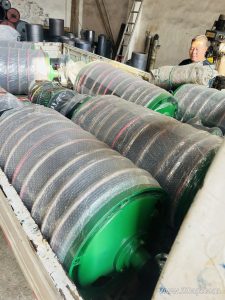
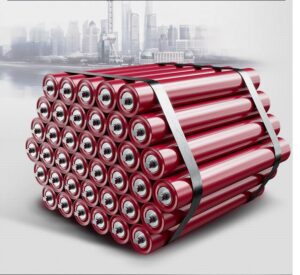
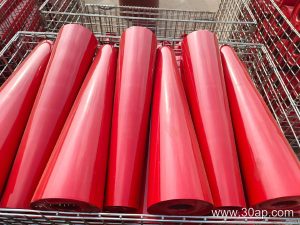
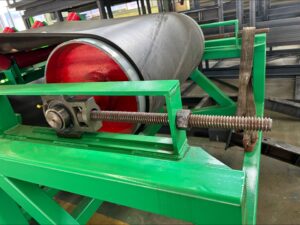
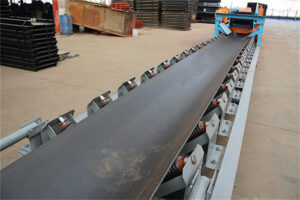
In these systems, the belt does not work alone. It runs over a series of idler rollers that support the load and help maintain the trough shape. At the ends of the conveyor, a conveyor pulley drives the belt or changes its direction. The pulley at the head end is often the drive pulley, while the tail pulley returns the belt. Support frames and a conveyor bracket hold the idlers and pulleys in alignment, and any misalignment quickly shows up as edge wear on a belt this wide.
Mining and Quarrying
In hard rock operations, the belt must survive sharp, heavy lumps and constant abrasion. A Rock Conveyor Belt in this width is often specified with thick top covers and reinforced edges. Impact zones under crushers may require additional support or impact idlers to prevent the belt from sagging and pinching.
Ports and Bulk Terminals
Ports handling iron ore, coal, or fertilizer use wide belts to move large tonnages between ship loaders and stockpiles. Here, the belt may run at high speed and must track precisely. The conveyor pulley and idler roller alignment is checked regularly because even a small drift on an 1800mm belt can cause significant edge damage.
Underground and Enclosed Plants
Where dust and restricted ventilation are concerns, a Flame Retardant Conveyor Belt is often required by safety rules. The wide format still applies, but the rubber compound and sometimes the carcass construction change to meet fire safety standards.
What a Buyer Should Consider
Width alone does not define a belt. When specifying an 1800mm conveyor belt, a buyer should confirm the belt type, the number and type of plies, the cover thickness and grade, the tensile strength, and the splice method. The operating environment matters too: temperature, moisture, oil exposure, and the size and sharpness of the material all influence the choice.
It also helps to think about the whole conveyor, not just the belt. The idler roller spacing, the pulley diameter, the take-up system, and the conveyor bracket condition all affect belt life. A wide belt is less forgiving of poor structural alignment, so maintenance of the frame and rollers is part of the total cost.
- Check that the belt width matches the pulley and idler face.
- Confirm the cover grade suits the material being carried.
- Ask how the belt will be spliced on site, since a wide belt needs a long vulcanized joint.
- Consider whether a flame retardant specification is required by local rules.
- Plan for proper storage and handling, because wide belts are heavy and easily damaged if dropped or dragged.
Practical Advice Before Ordering
Do not assume that a wider belt is always better. It costs more, weighs more, and demands more from the conveyor structure. The right width is the one that meets the required tonnage with a sensible safety margin and without overloading the idlers or pulleys. A qualified conveyor engineer can calculate the load and recommend whether an 1800mm belt is appropriate or whether a narrower high-speed belt would be more economical.
Finally, ask for clear documentation of the belt construction and the rubber compound. A reputable supplier will explain the difference between a standard Rubber Conveyor Belt and a flame retardant version, and will help you match the belt to your idler rollers, conveyor pulley, and support brackets. That conversation is often more valuable than any single specification number.