Evaluating Thermal Demands on a Processing Line Conveyor Belt
How do continuous high-temperature operating conditions alter the physical integrity of a heavy-duty conveyor belt? In a general manufacturing line handling thermally active components, hot stamped items, or recently processed bulk materials, standard rubber compounds rapidly degrade. Constant thermal exposure causes conventional elastomers to harden, crack, and lose their elasticity, ultimately leading to catastrophic surface failure and unscheduled plant shutdowns.
To prevent premature material breakdown, facility engineers must examine how specific polymer formulations manage continuous heat transfer. A high-performance heat resistant conveyor belt relies on specialized synthetic rubbers, such as EPDM or specialized chloroprene blends, designed to maintain tensile strength and flexibility under elevated ambient and contact temperatures.
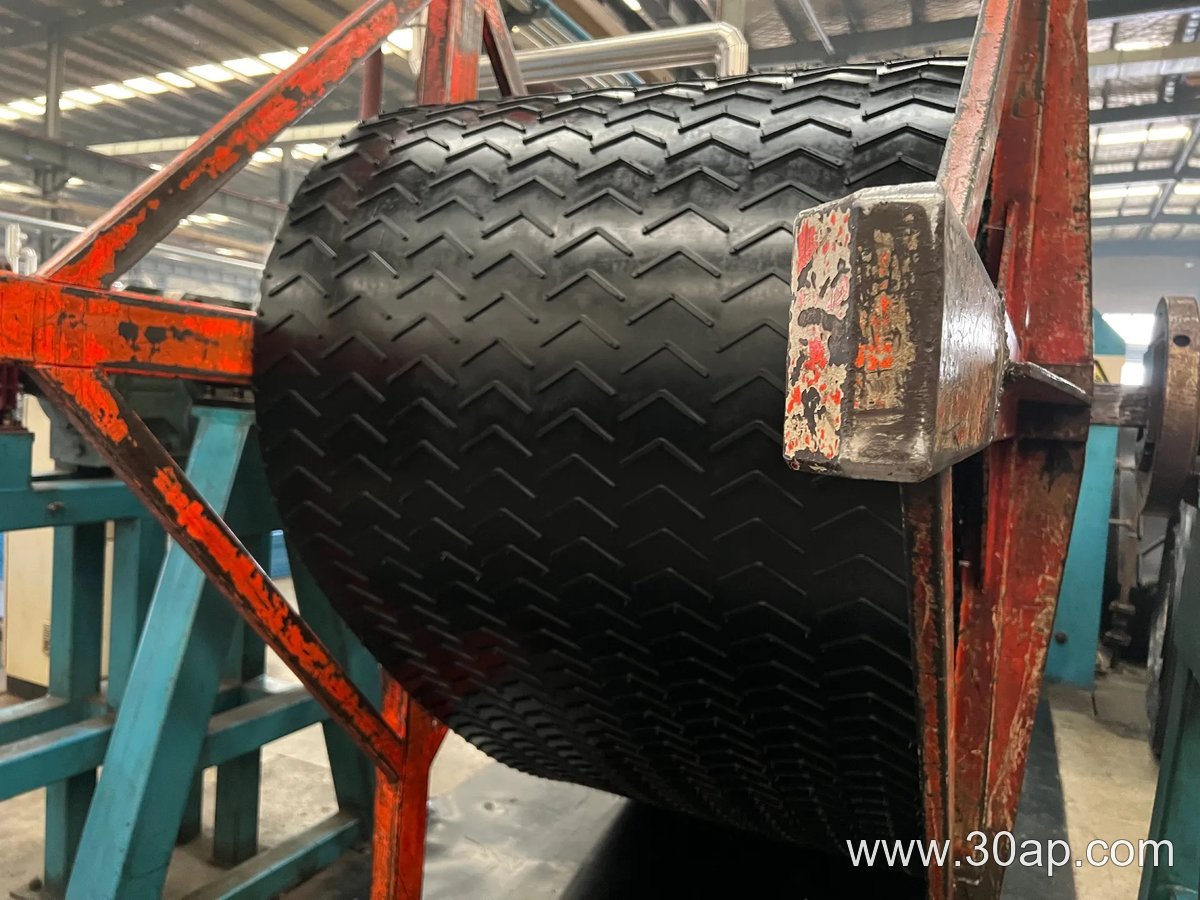
Mechanisms of Heat Degradation and Polymer Cross-Linking
When raw materials or processed goods move along a production circuit, thermal energy transfers directly from the payload to the top cover of the conveyor belt. Without adequate chemical stabilization, this heat accelerates internal oxidation and causes the sulfur cross-links within the rubber matrix to over-cure. Over-curing destroys the dynamic memory of the elastomer, transforming a resilient top cover into a brittle, cracked shell susceptible to gouging and splitting.
Engineers analyze thermal performance across two primary vectors: continuous operating temperature limits and peak surge thresholds. Selecting a conveyor belt with an engineered polymer matrix ensures that the molecular bonds resist thermal rearrangement. Furthermore, specialized inner carcass layers—whether multi-ply fabric or steel cord—must be insulated by thermal skim coats to prevent heat from reaching the structural reinforcement and weakening the adhesion between plies.
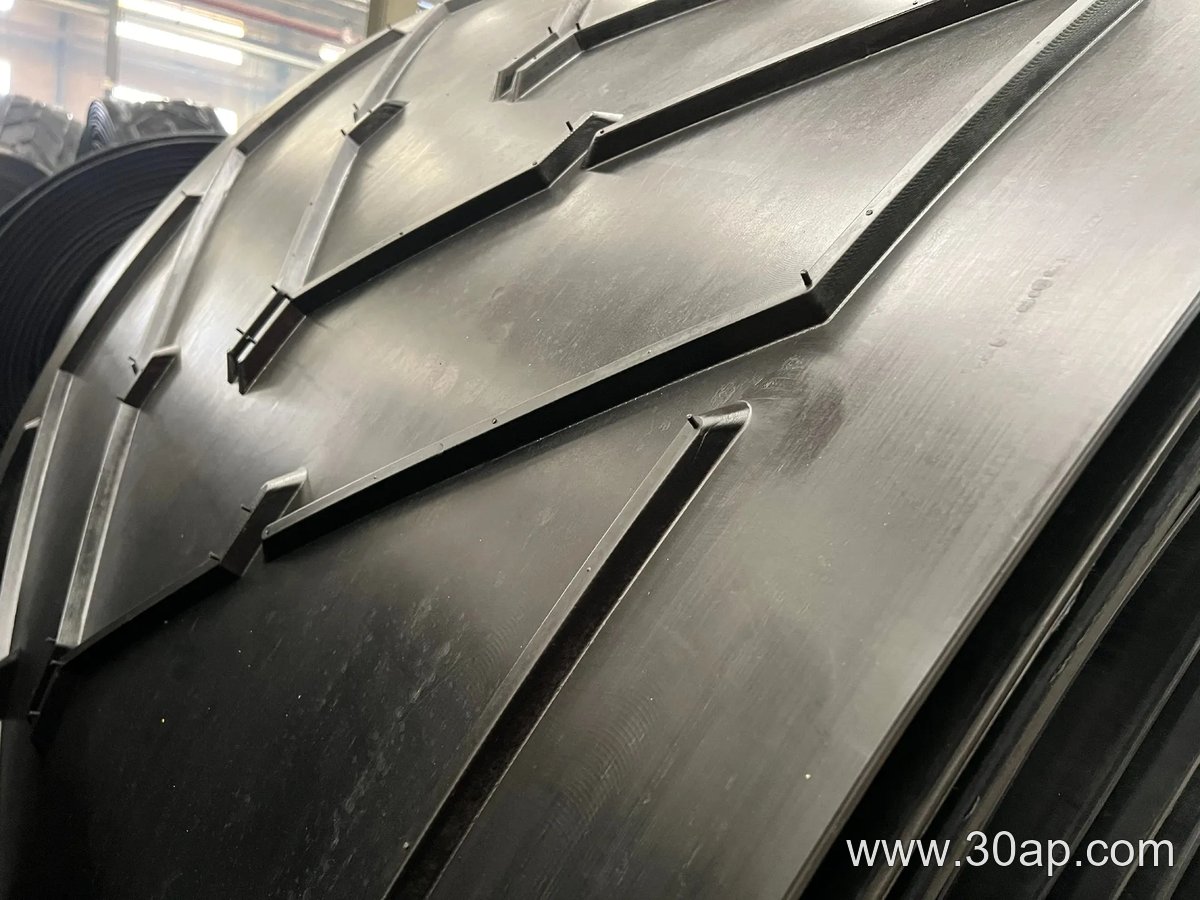
- Resist surface hardening caused by continuous radiant heat from processed components.
- Maintain rubber elasticity to absorb mechanical impact during high-speed transfer drops.
- Prevent ply separation by utilizing heat-stable bonding agents between internal reinforcement layers.
Operational Checks for Thermal Endurance
Verifying the longevity of a heat-resistant conveyor belt requires systematic visual and physical monitoring during routine maintenance windows. Operators should measure cover hardness using a durometer to detect accelerated aging, look for micro-fissures along the center load line, and monitor splice integrity where heat concentration is often highest.
By pairing accurate thermal classifications with rigorous baseline checks, industrial facilities ensure continuous material flow without unexpected surface degradation. Understanding these material properties guarantees that the chosen conveyor belt delivers reliable service life even under demanding thermal conditions.