Overcoming Coastal Moisture and Salt Slippage at Port Terminals
At a busy bulk-material port terminal, conveying systems handle massive tonnages of salt, coal, and fertilizer under harsh marine conditions. High humidity, salt spray, and damp weather films create an extremely slick interface between the rubber belt and the bare metal shell. Under these wet operating circumstances, a conventional steel conveyor pulley frequently loses traction, causing rotational slip, reduced belt velocity, and excessive frictional wear. To maintain continuous ship-loading operations, terminal engineers must deploy a specialized solution that enhances grip and prevents slippage without accelerating belt cover wear.
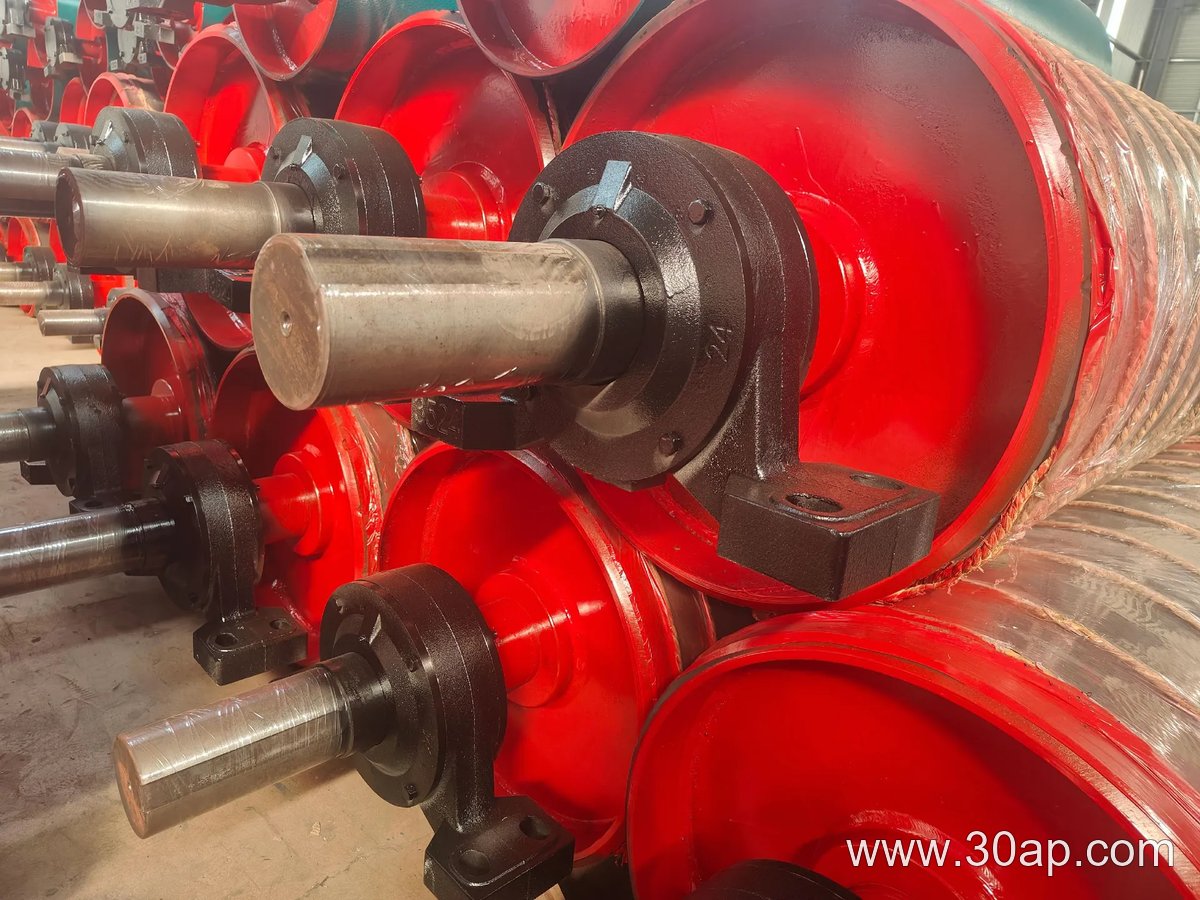
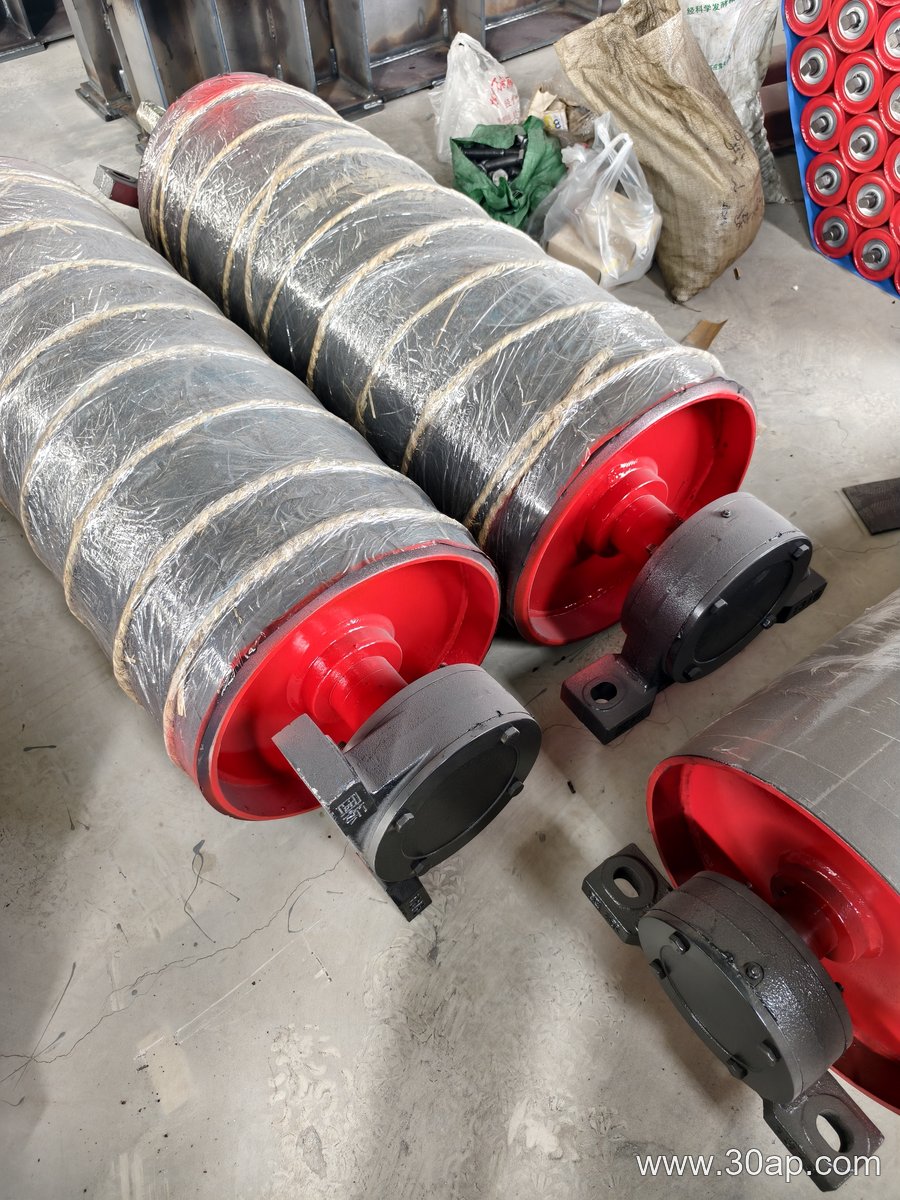
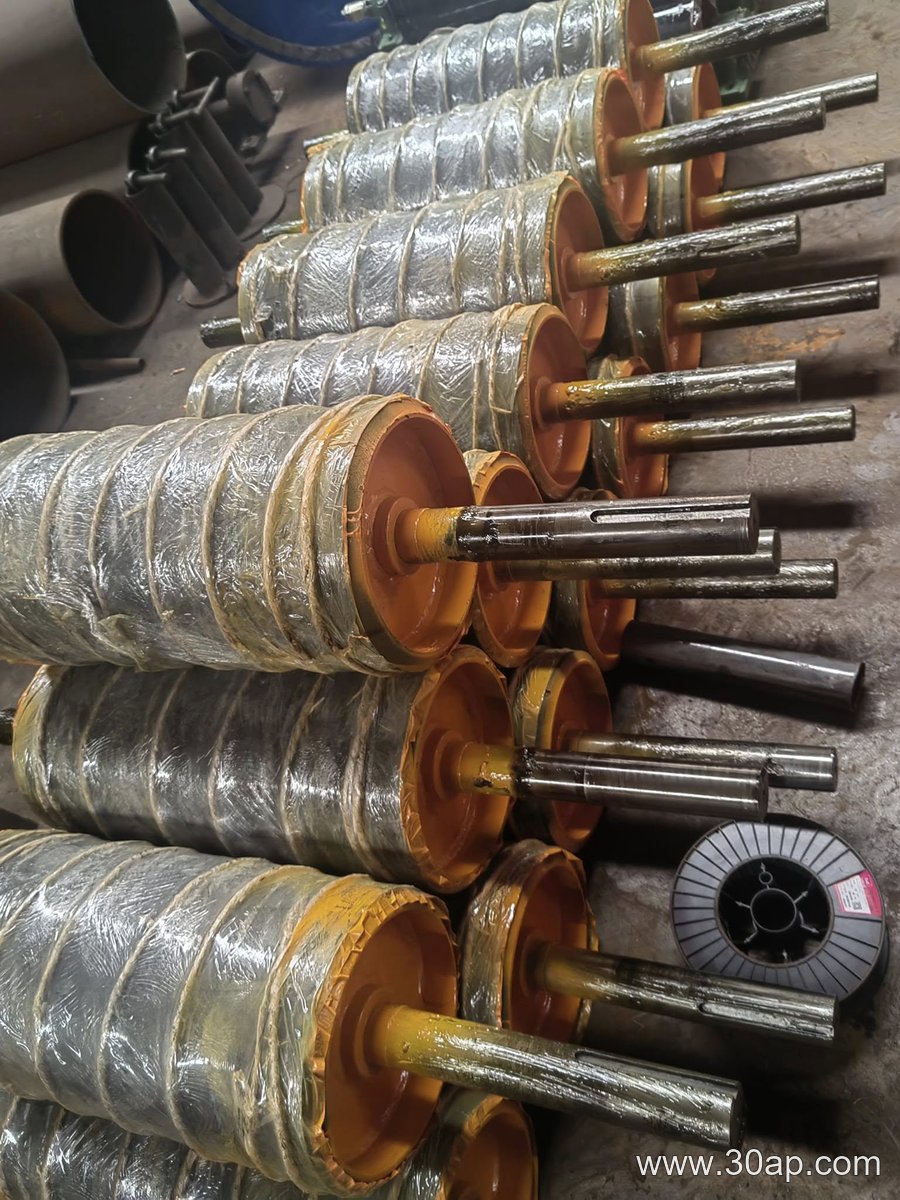
Integrating the High-Friction Lagged Subtype into Port Conveyor Lines
Solving traction loss in corrosive coastal environments requires more than increasing general take-up tension. The engineering solution relies on integrating a high-friction lagged conveyor pulley directly into the drive and snub positions of the port terminal’s ship-loading line. This specialized component features a heavy steel shell covered with a vulcanized or cold-bonded elastomeric surface layer, often grooved to channel away moisture and particulate debris.
- Grooved rubber lagging patterns displace water films from the nip point, ensuring continuous surface contact.
- High-durometer rubber compounds resist abrasion from sharp salt crystals while maximizing the coefficient of friction.
- Ceramic-inlaid lagging options provide extreme grip for high-torque master drives handling damp, heavy bulk commodities.
- Properly bonded lagging interfaces prevent saltwater ingress, protecting the underlying steel shell from accelerated marine corrosion.
Engineering Trade-Offs and Maintenance Protocols for Coastal Terminals
While installing a high-friction lagged conveyor pulley effectively restores drive traction, maintenance teams must balance grip performance with belt wear considerations. Softer rubber compounds offer superior traction on slick salt lines but wear faster when abrasive fines become trapped between the belt and the shell. Conversely, ceramic lagging delivers exceptional longevity in high-tension port applications yet requires precise alignment to prevent localized pressure points on the belt carcass.
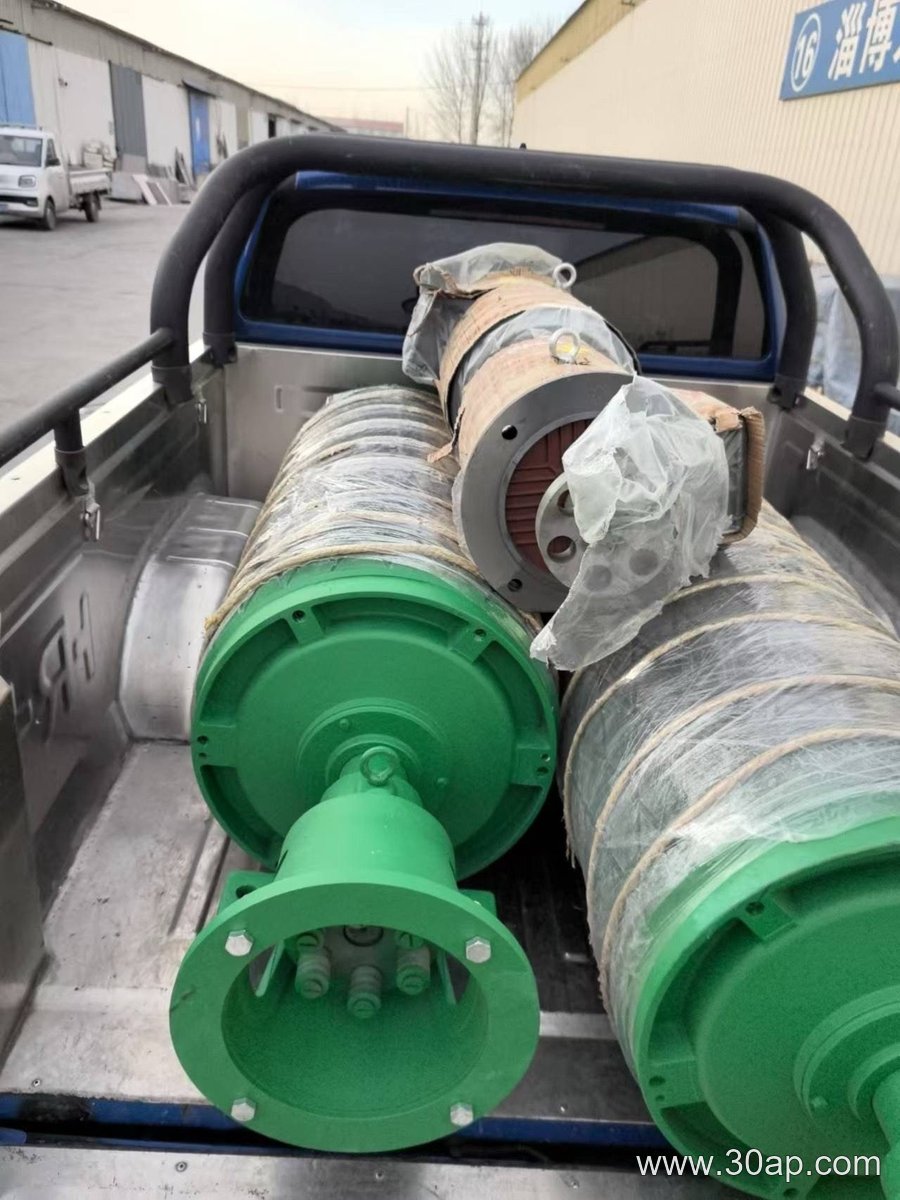
Port terminal operators should establish routine inspection schedules to monitor lagging wear depth, check for edge lifting, and verify that self-cleaning scrapers are functioning correctly. By maintaining clean, intact shell surfaces, the facility ensures consistent torque transmission, minimizes unexpected downtime, and preserves the structural integrity of the entire conveying network.