Classifying Conveyor Pulley Subtypes by Construction and Operational Duty
Selecting a conveyor pulley for heavy industrial applications requires an understanding of how construction methods, performance ratings, and duty classifications align with operating environments. In a cement plant, material handling lines process abrasive raw meal, crushed limestone, and hot clinker under continuous load cycles. Each conveyor pulley in the system must be specified according to its exact mechanical demands, ensuring structural integrity and reliable torque transmission.
Light-Duty and Non-Critical Subtypes
Light-duty subtypes are designed for low-tension conveyors handling dry, free-flowing auxiliary materials such as additives, gypsum, or packaging dust. These units typically feature thinner steel shells, smaller shaft diameters, and standard pillow-block bearings.
Key characteristics of light-duty designs include:
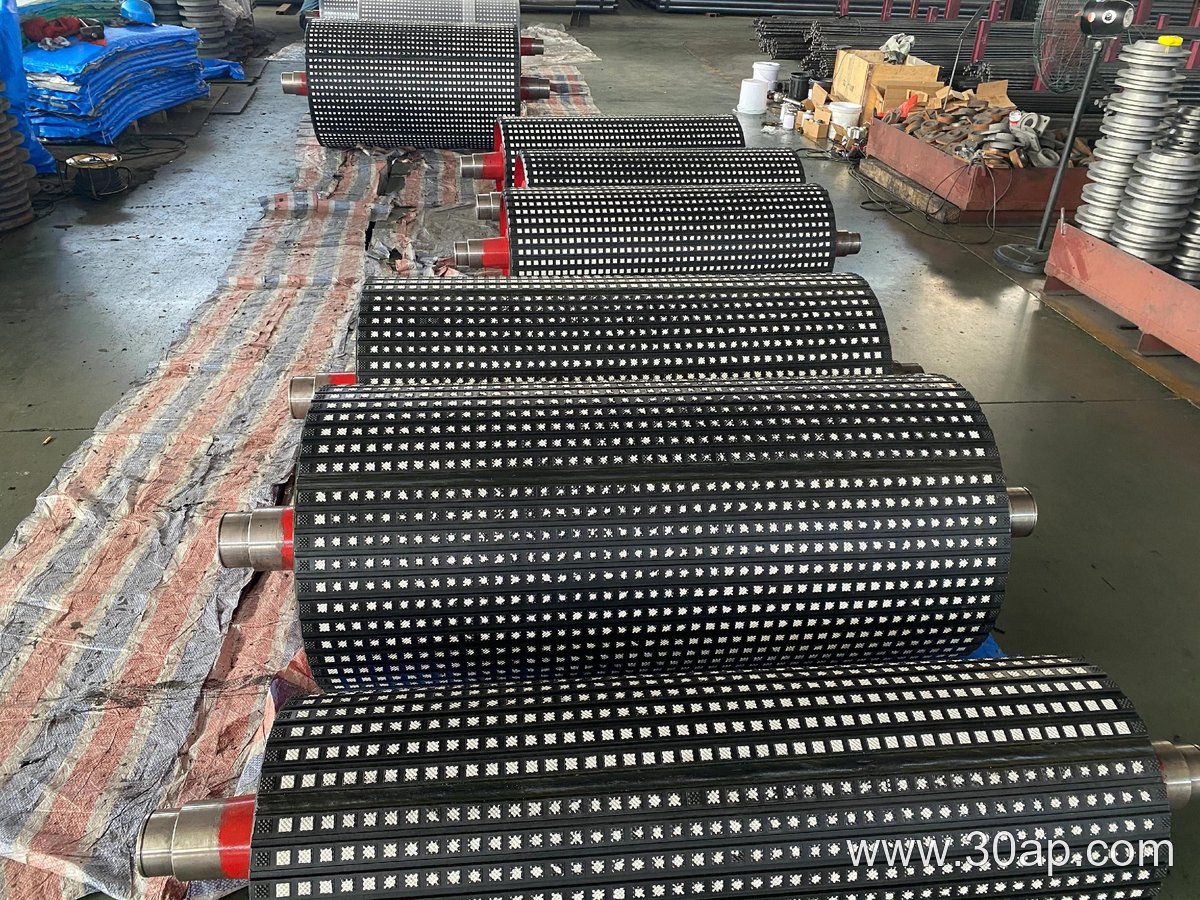
- Fabricated mild steel rims with minimal plate thickness.
- Basic compression-fit hubs or simple bushing assemblies.
- Unlagged surfaces or light rubber cold-bonding suitable for low belt speeds.
Engineers specify these units for short-span transfer belts where mechanical stresses remain low and replacement access is straightforward.
Heavy-Duty Welded Steel Subtypes
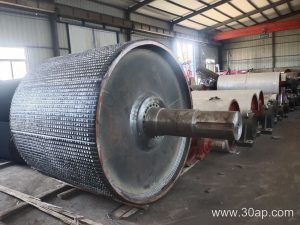
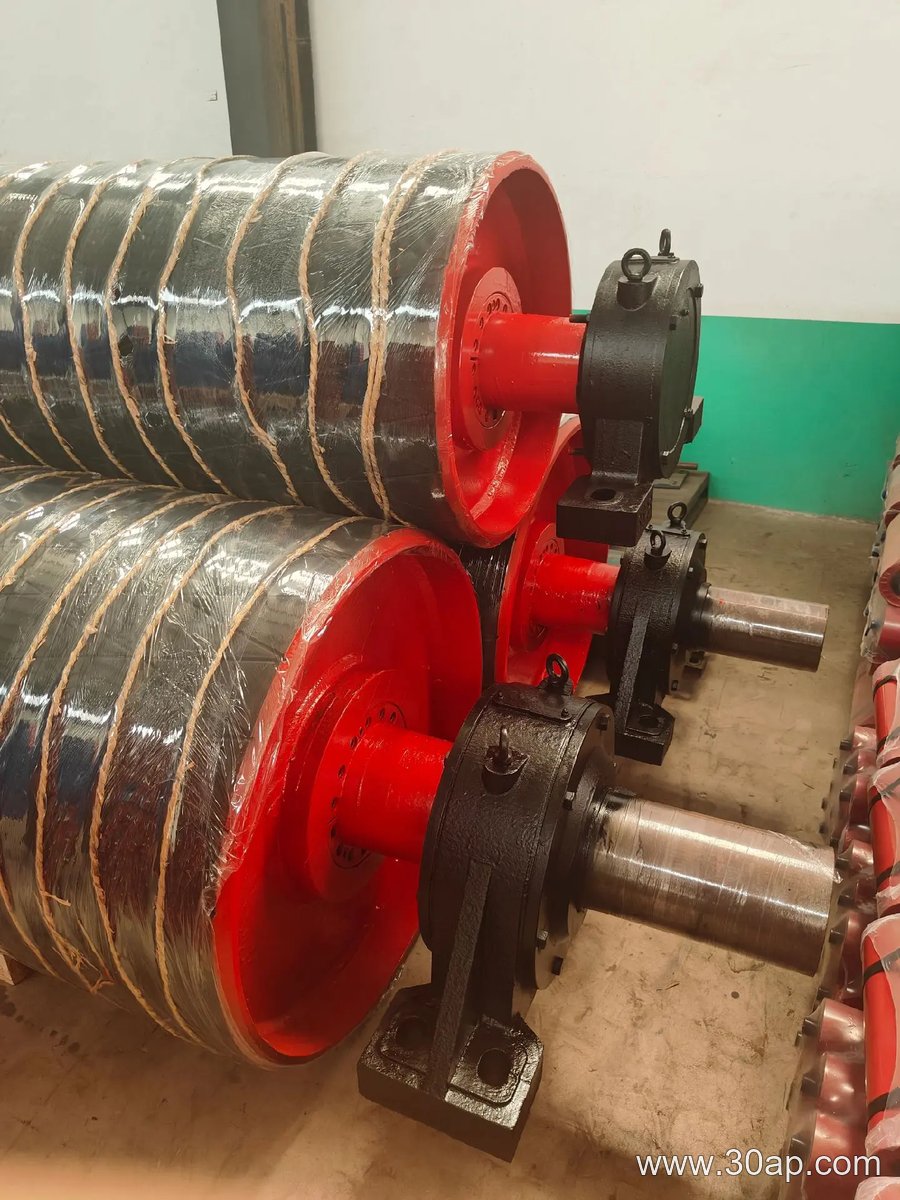
As material throughput increases, structural demands shift toward heavy-duty welded steel configurations. A conveyor pulley handling primary limestone crushings or damp clay experiences high radial loads and substantial belt tensions. Welded steel drum designs provide the rigidity needed to resist shell deflection under fluctuating loads.
Construction features of heavy-duty units involve:
- Thicker cylindrical steel shells rolled and submerged-arc welded along the longitudinal seam.
- Internal disc diaphragms or stiffening plates welded to both the shell and the forged steel shaft.
- Heavy-duty locking assemblies or shrink discs that eliminate keyway fatigue under reversing torques.
These components are deployed at primary crushing discharge points and long overland conveyors where structural durability directly dictates uptime.
High-Tension Drive Subtypes with Specialized Lagging
Drive positions demand specific performance classifications to prevent slippage when transmitting high motor power into the belt. A conveyor pulley acting as the primary motorized head unit must manage high frictional forces while resisting surface wear caused by fugitive dust.
To achieve this, engineers match the steel drum with engineered outer surfaces:
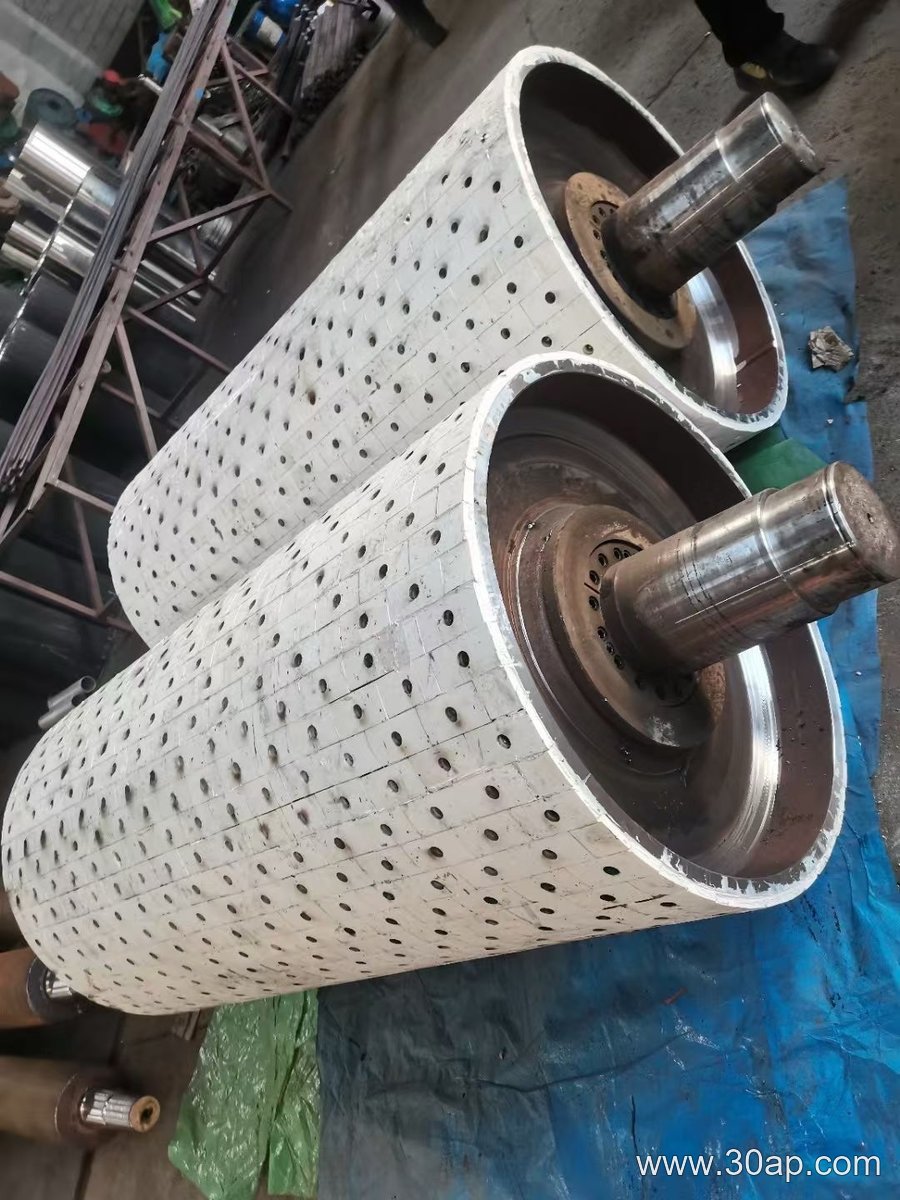
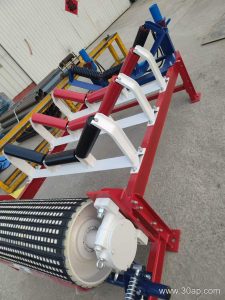
- Ceramic-lagged shells embedded with high-friction alumina tiles for wet or high-slip raw grinding circuits.
- Vulkanized thick rubber lagging grooved to channel away fine cement dust and moisture.
- Specialized high-temperature elastomer covers utilized near clinker coolers where ambient radiant heat accelerates thermal aging.
Matching the appropriate lagging grade to the specific friction and thermal requirement prevents premature surface glazing and ensures consistent tractive effort.
Tail, Snub, and Bend Subtypes
Non-driven positions serve distinct structural roles within the conveyor layout, necessitating unique performance profiles. Tail units situated at the return end manage belt intake and often incorporate self-cleaning screw or wing configurations to prevent trapped material from wedging between the shell and the belt underside.
Snub and bend units alter belt trajectories within tight structural spaces, requiring balanced rotating masses and precise dynamic balancing to avoid harmonic vibration. By classifying each conveyor pulley according to whether it drives, redirects, tensions, or cleans the belt, plant operators optimize overall system reliability and minimize unexpected maintenance halts.