Operating Challenges in High-Heat Material Transport
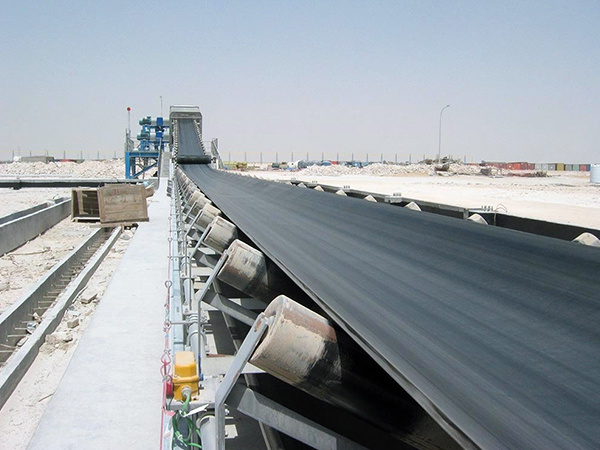
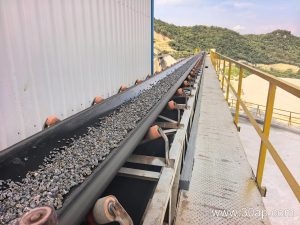
Transporting newly burned cement clinker from the rotary kiln discharge to intermediate storage presents a severe thermal challenge for any processing line. A conveyor belt operating in this zone must continuously handle materials ranging from 120 degrees Celsius to over 200 degrees Celsius. Standard general-purpose rubber covers degrade rapidly under these conditions, hardening, cracking, and losing adhesion between carcass plies within weeks.
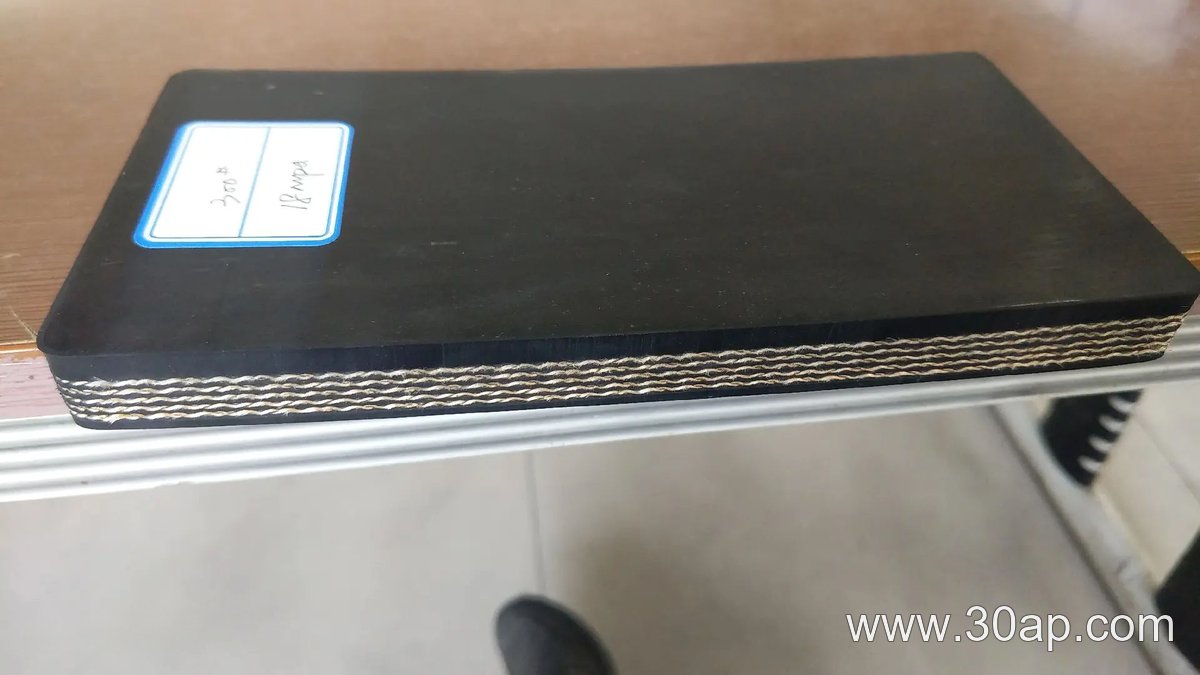
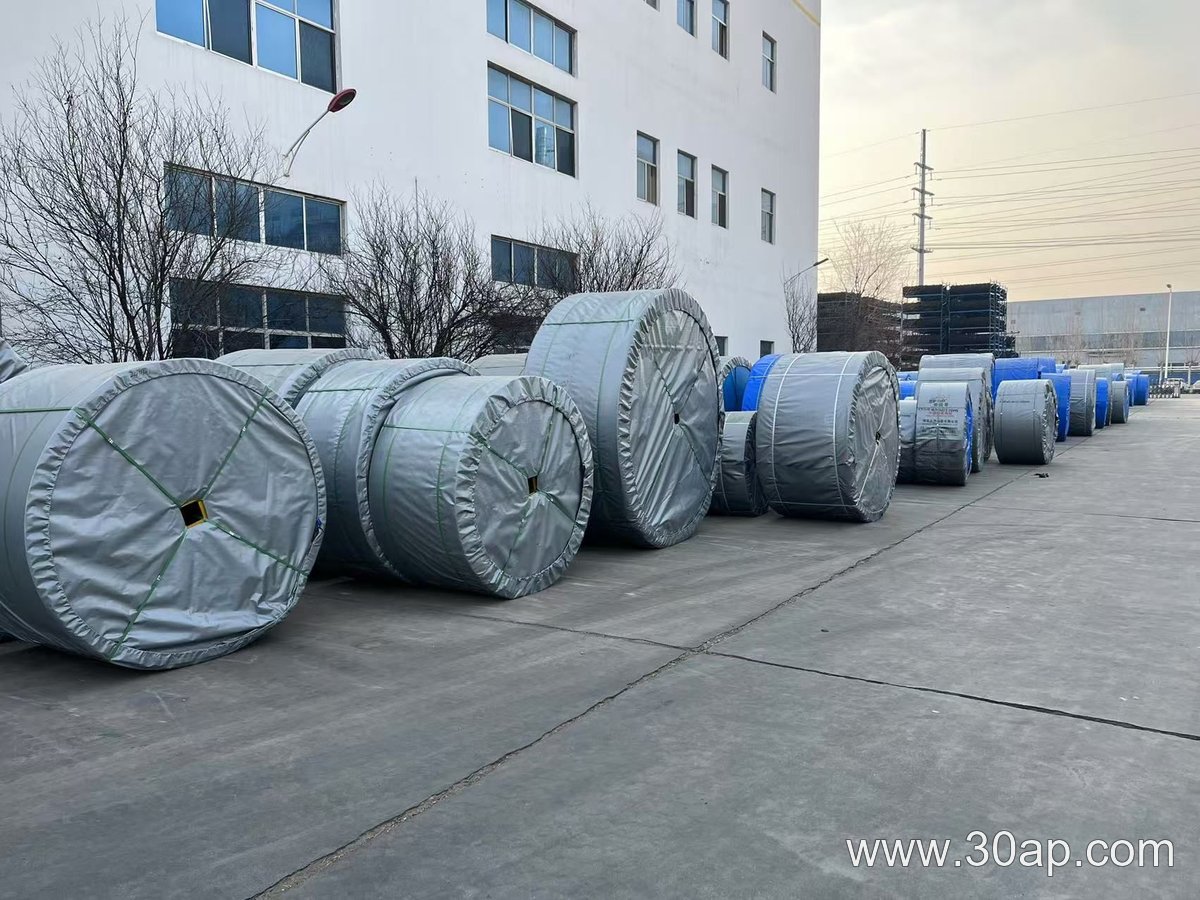
To withstand continuous thermal degradation, plant engineers must select specialized elastomeric formulations. Ethylene-Propylene-Diene Monomer rubber and specialized styrene-butadiene blends with high-temperature anti-oxidants are commonly engineered into the top cover. These compounds resist thermal hardening and maintain flexibility under persistent heat exposure.
Carcass Construction and Thermal Stress Resistance
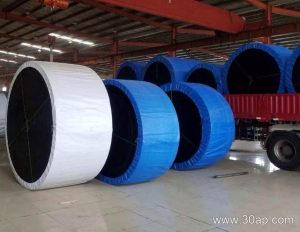
Beyond the top cover, the internal carcass structure of a cement plant conveyor belt determines how well the line withstands tensile loads combined with heat. Multi-ply polyester-nylon carcass configurations offer high initial tensile strength and excellent impact absorption. However, sustained internal heat can cause synthetic warp yarns to shrink or weaken if the adhesion gum layers between plies fail.
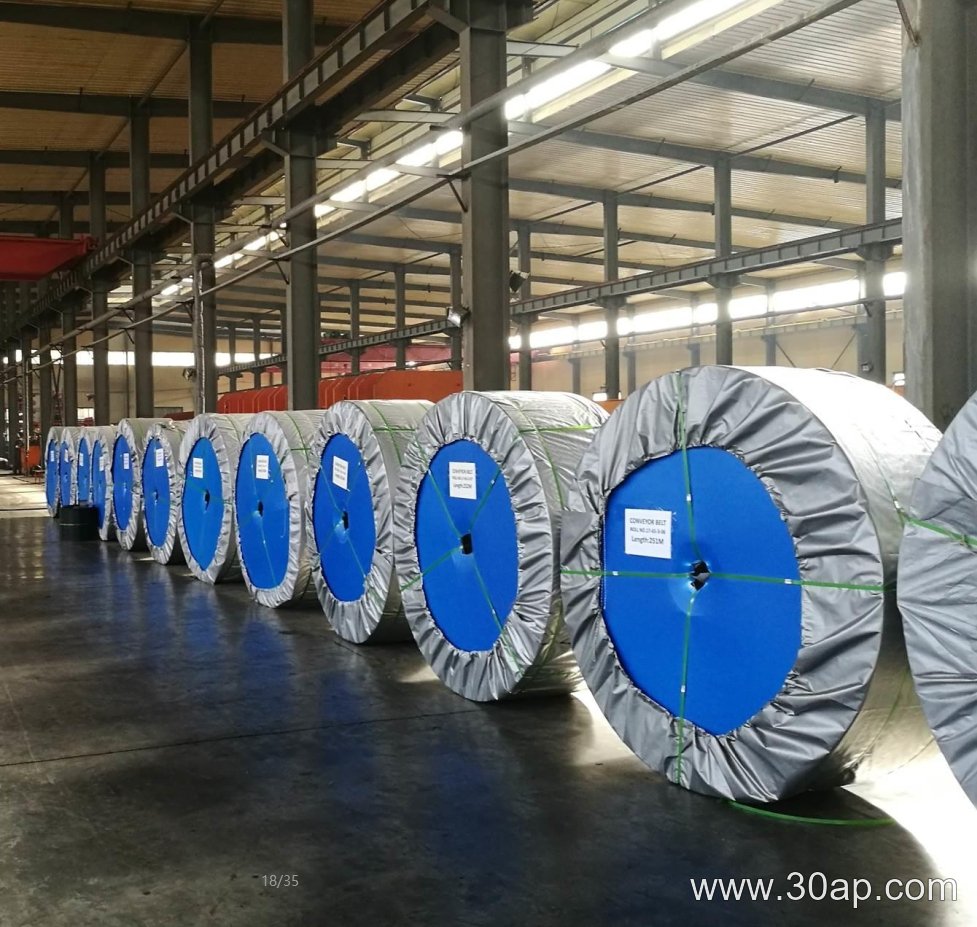
- High-heat bonding gum layers prevent delamination caused by thermal expansion differences.
- Specialized breaker fabrics placed directly beneath the top cover distribute localized impact forces from jagged clinker lumps.
- Edge-sealing treatments protect internal fabric plies from ambient clinker dust and residual moisture.
Thermal Degradation Inspection Protocols
Preventive maintenance requires systematic inspection protocols specifically tailored to heat-exposed lines. Technicians should monitor cover thickness reduction and check for surface crazing, which signals that the rubber compound has reached its thermal fatigue limit. Infrared thermometer guns help identify abnormal friction spots along the carry run, ensuring the conveyor belt operates reliably without unexpected catastrophic failures.