Identifying and Resolving Traction Loss
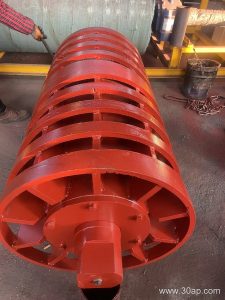
On a wet outdoor conveyor, a conveyor pulley frequently slips when moisture films break down friction at the shell interface. This loss of traction reduces belt speed and stalls material flow.
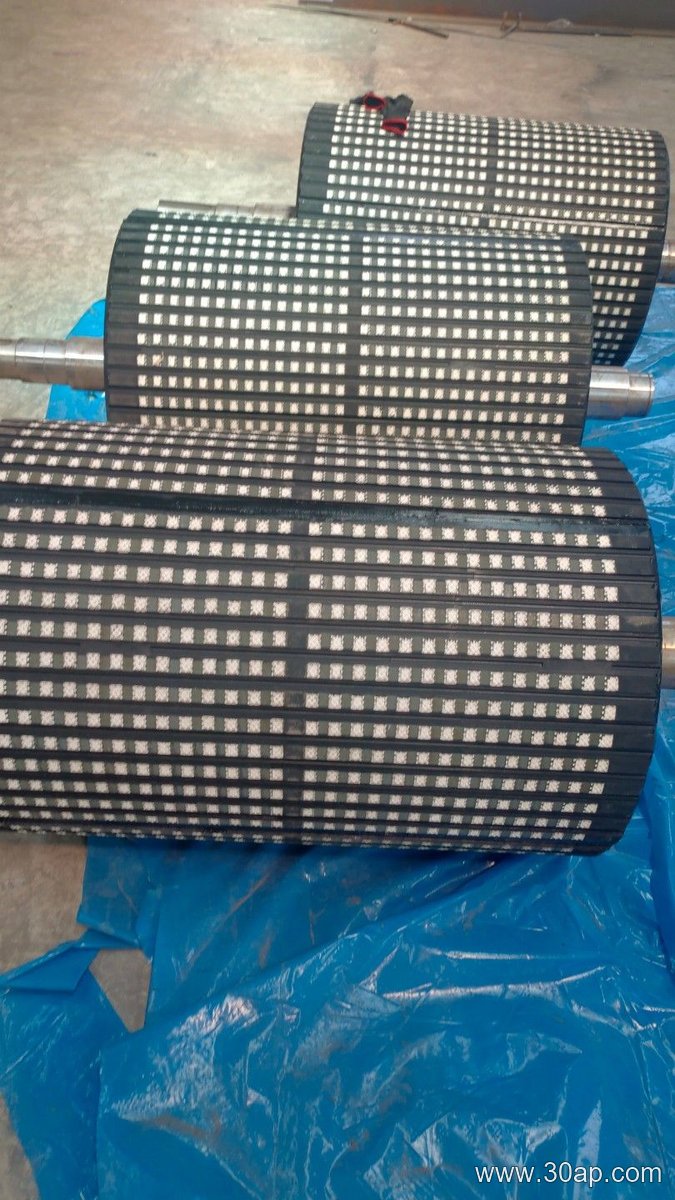
- Inspect the rubber lagging for worn or polished diamond grooves that fail to channel water away.
- Check the take-up unit travel to confirm whether low belt tension is starving the friction grip.
- Verify if fine wet sludge has bypassed scrapers and compacted inside the conveyor pulley face profile.
Adjusting counterweights and clearing packed debris will restore proper surface traction.
Combating Bolt Shear in Mineral Processing
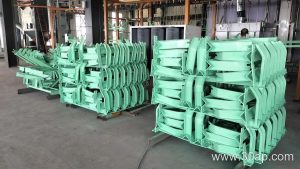
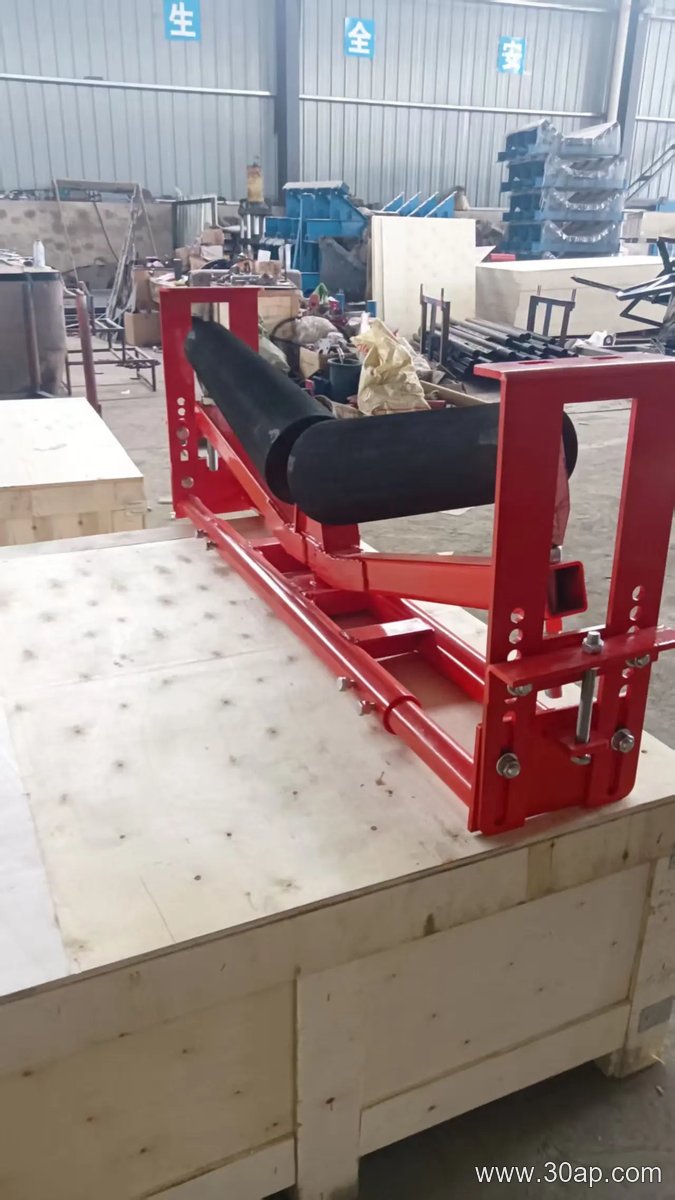
High-tonnage ore handling creates severe vibration that can loosen fasteners on a conveyor bracket, leading to bolt shear. To maintain structural integrity, engineers must specify lock washers, torque-control guidelines, and slotted mounting holes that accommodate thermal and impact shifts without transmitting shear stress directly to the anchoring hardware.
Evaluating Operating Parameters for Your Conveyor Belt
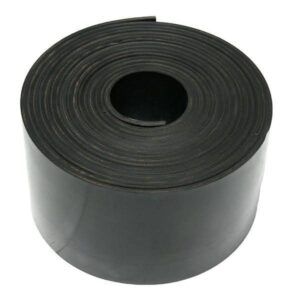
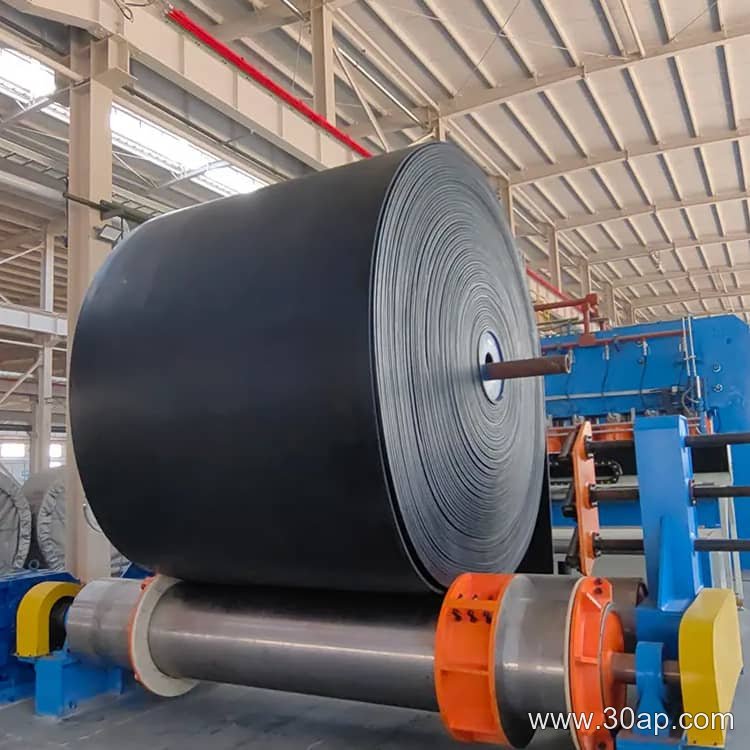
Choosing a high abrasion resistant conveyor belt requires balancing material properties against environmental constraints. A systematic decision path ensures the selected carcass and cover compound withstand operational demands without premature failure.
Material and Speed Considerations
Sharp aggregates and heavy metal parts demand thick rubber covers to absorb impact energy. Meanwhile, high linear speeds generate frictional heat at idler junctions, requiring compounds that maintain tear resistance at elevated operating temperatures.
- Assess lump size and bulk density before fixing cover thickness.
- Match belt speed to idler rotational limits to minimize thermal degradation.
- Verify ambient temperature ranges against compound vulcanization thresholds.
Troubleshooting a Seized Idler Roller on a General Manufacturing Line
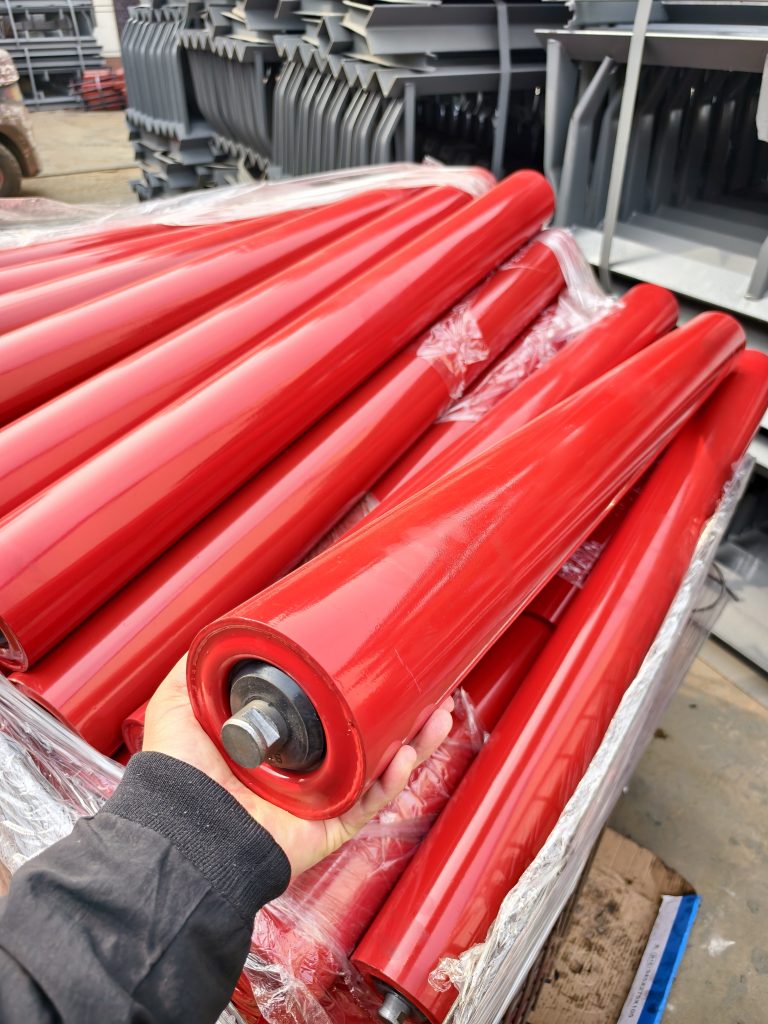
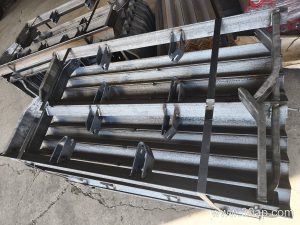
A common misconception is that a seized idler roller simply needs more grease. In reality, lubricant cannot revive a bearing whose cage has already failed from contamination. When an idler roller locks up on a general manufacturing line, examine the shell for flat spots and check the labyrinth seals for packed fines. If the drag torque is high, replace the entire idler roller assembly immediately to prevent belt friction burns.