How Do You Calculate the Dynamic Tension Limits of a Heavy Duty Conveyor Belt
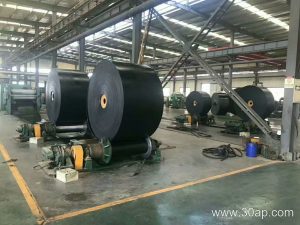
Engineering a heavy duty conveyor belt requires calculating total effective tension by combining resistance from idler friction, material lift, and accessory drag. For a hypothetical 200-meter overland installation, the calculation multiplies the mass of the moving parts and conveyed load by the gravitational constant and friction factor, then adds the lift resistance.
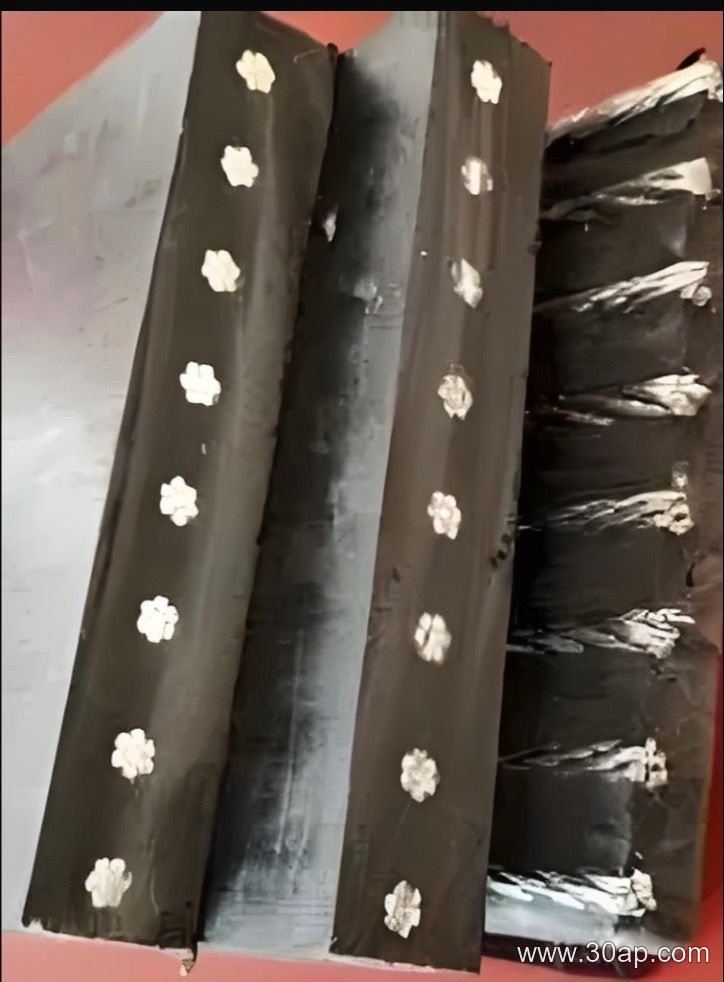
- Determine mass per unit length for both the carcass and the transported material.
- Apply the operational friction coefficient based on idler bearing design and ambient temperature.
- Include a safety factor for starting torque and transient acceleration loads.
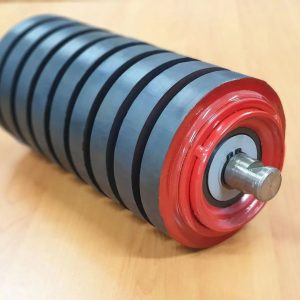
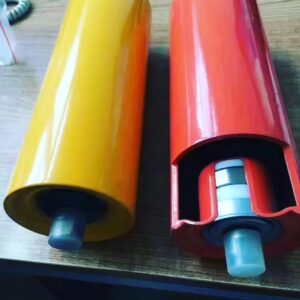
Inspecting an idler roller on a wet outdoor conveyor
A common misconception is that an idler roller only needs attention when it stops spinning completely. In a wet outdoor conveyor setting, moisture and fine slurry constantly challenge the internal seals. To catch wear early, walk the conveyor line regularly and listen for high-pitched squealing or heavy rumbles.
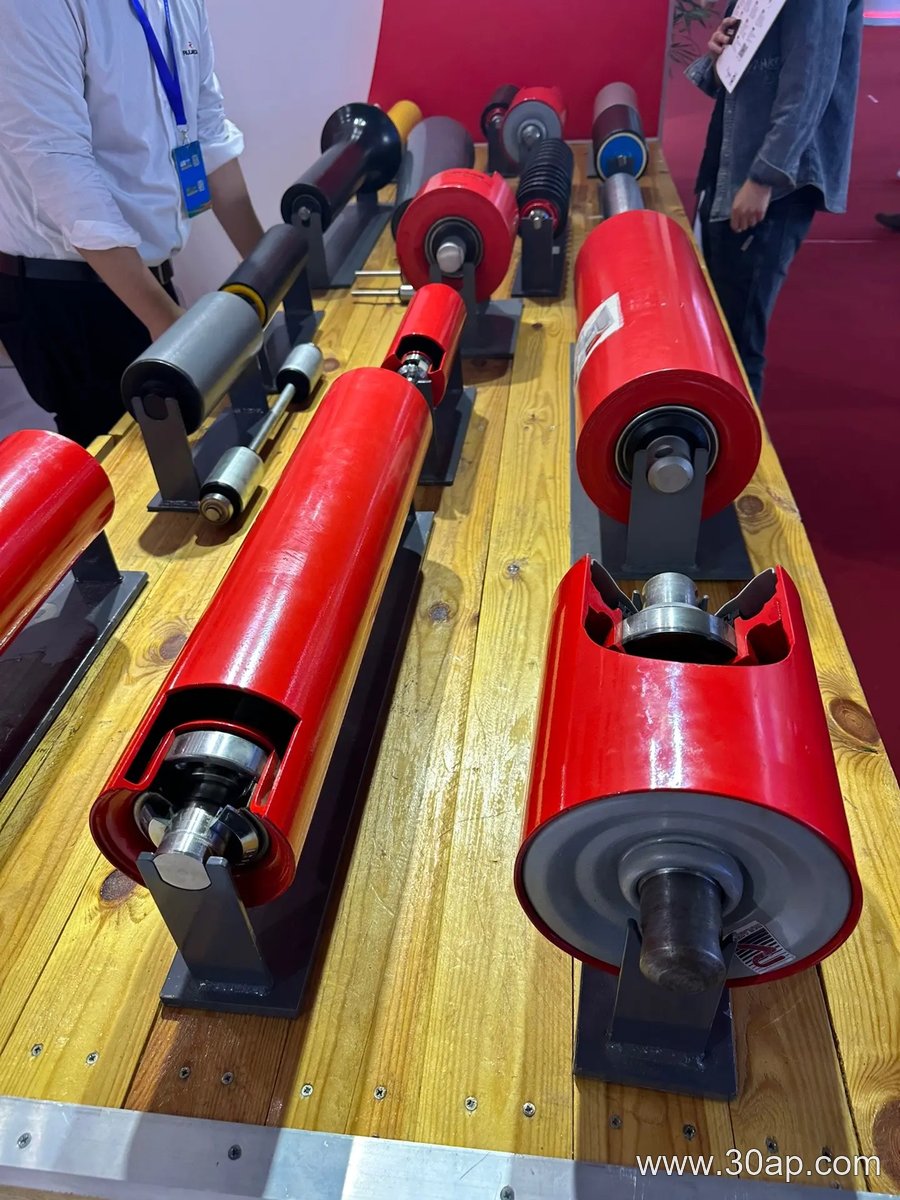
Preventive maintenance routines
- Check rotational freedom by hand during scheduled plant stoppages.
- Inspect end seals for grease extrusion or grit accumulation.
- Verify that the steel shell shows no uneven flat spots or deep grooves.
Signs that replacement is needed
If an idler roller exhibits excessive axial play, locks up under hand pressure, or shows severe shell thinning from abrasive mud, plan an immediate replacement to protect the conveyor belt from catastrophic tearing.
Preparing Accurate Engineering Specifications
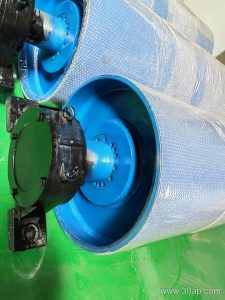
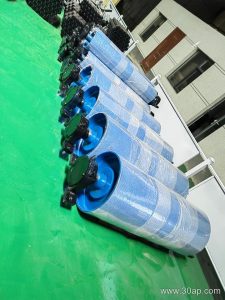
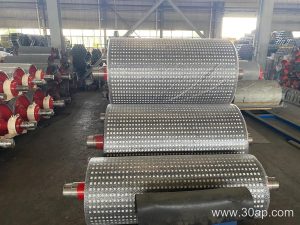
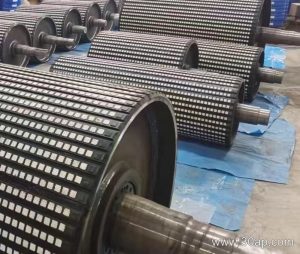
Sourcing a conveyor pulley from overseas requires precise technical drawings defining shell thickness, face width, and shaft material. For a wet outdoor conveyor, specify whether you need ceramic lagging or standard rubber, and state exact dynamic load ratings.
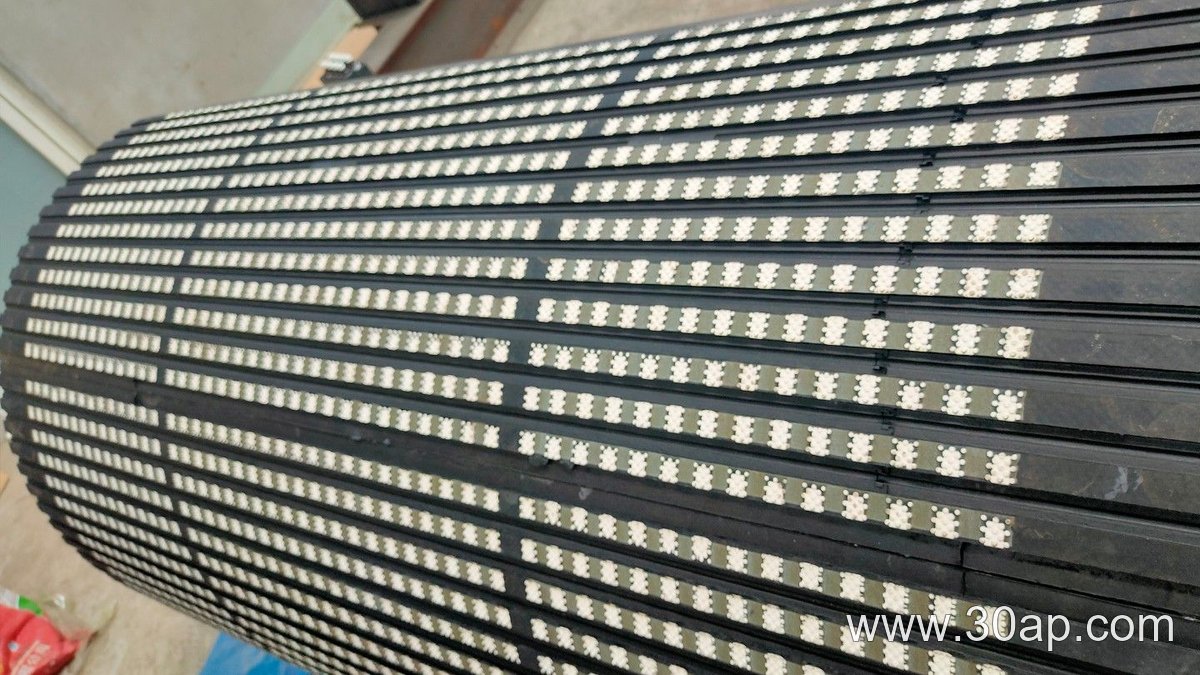
Evaluating Supplier Manufacturing Quality
Verify that your prospective vendor performs ultrasonic testing on critical welds and dynamic balancing for the finished conveyor pulley assembly. Request mill test certificates for the steel plate and inspect their machining tolerances before signing production orders.
Classifying Conveyor Brackets by Construction and Duty Subtypes
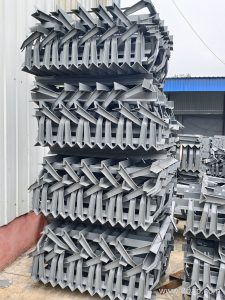
A conveyor bracket must be chosen based on its structural classification and duty profile to ensure reliable belt tracking. At a bulk-material port terminal, operating conditions dictate whether a standard or heavy-duty unit is required.
Pressed Steel Light-Duty Conveyor Brackets
Pressed steel units suit light manufacturing lines. They offer low cost and quick assembly for dry, low-impact zones.
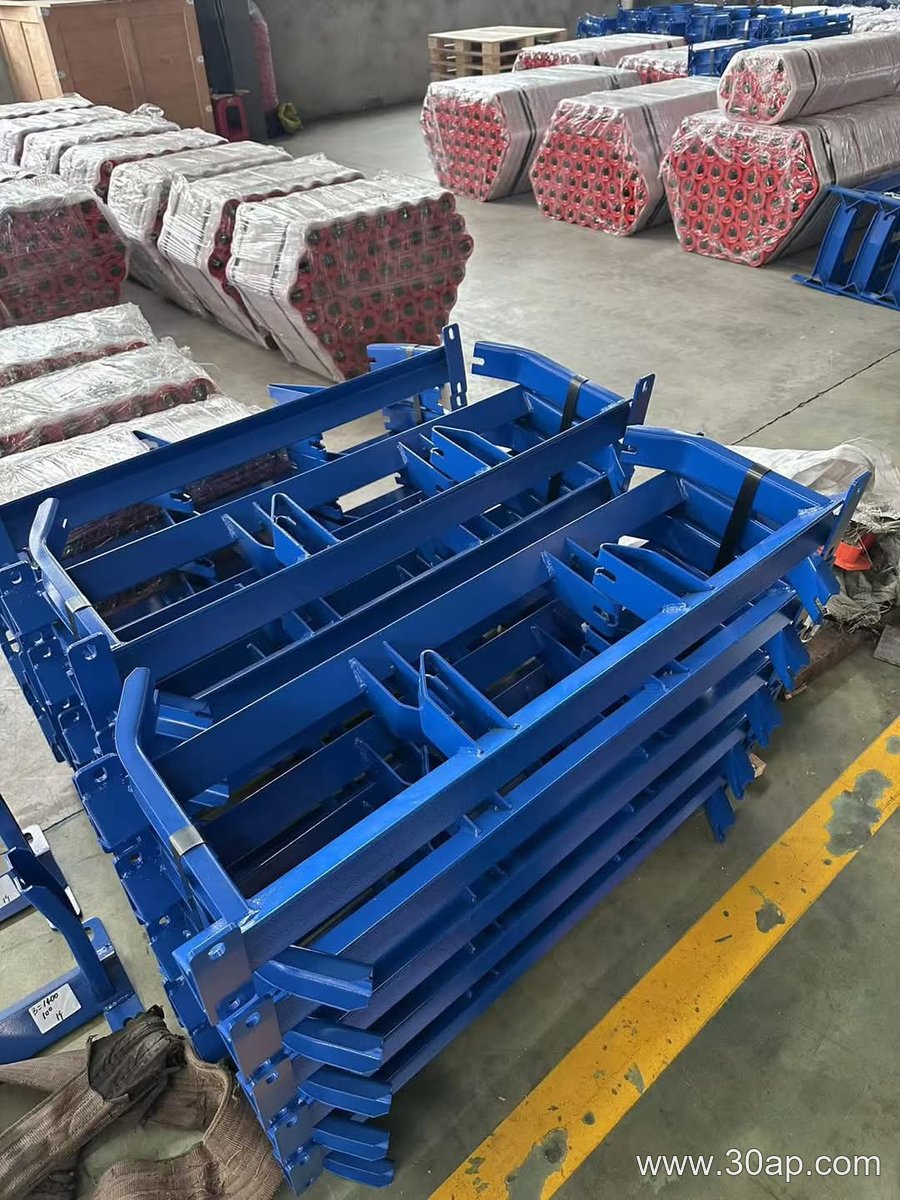
Fabricated Heavy-Duty Conveyor Brackets
Fabricated steel subtypes feature thick gussets and welded plates. They handle high-impact zones, such as ship loader feed points where heavy ore drops onto the belt.
Cast Iron and Specialty Alloy Subtypes
Cast iron or stainless variants are deployed in corrosive shipboard environments. They resist marine atmospheres and chemical exposure.
- Match construction thickness to material throughput.
- Select fabricated steel for high-impact terminal zones.
- Specify corrosion-resistant alloys for coastal installations.