How Does a Quarry Conveyor Belt Resist Cutting and Abrasion?
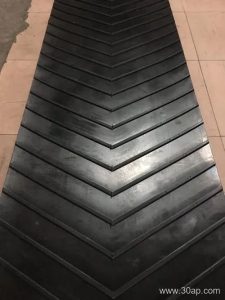
In a dusty quarry, sharp rock tears at the cover. A conveyor belt resists through cut-resistant rubber and reinforced carcass.
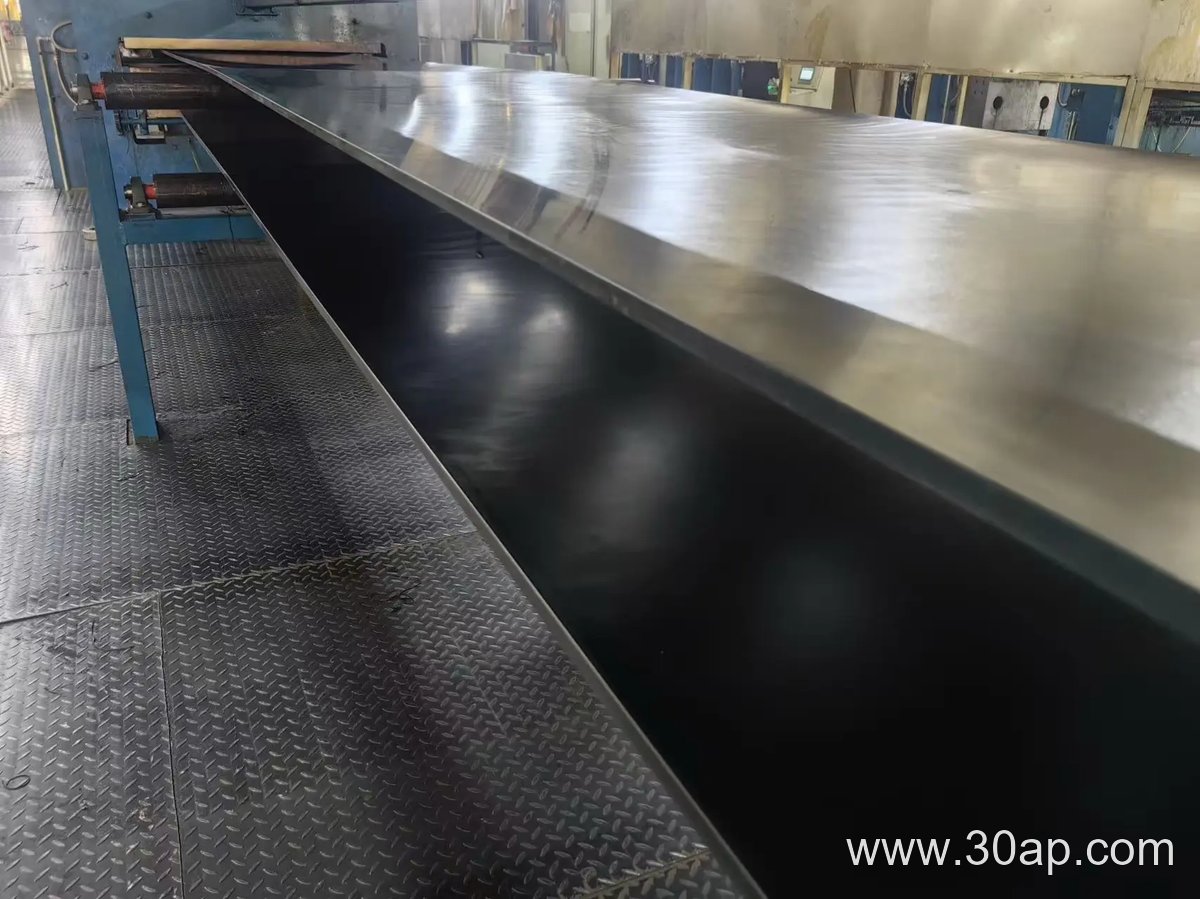
Key Mechanisms
- High-tensile steel cords or fabric plies stop punctures.
- Thick, tough rubber covers absorb impact and sliding wear.
- Breaker fabric adds a shield against edge cuts.
For example, a hypothetical quarry handling granite might specify a belt with a 10 mm cut-resistant cover. Regular inspection of wear patterns helps decide when to rotate or replace the belt.
Why weld heat matters more than many buyers expect
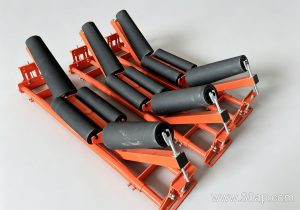
A common misconception is that any straight, round tube makes a serviceable idler roller. In reality, the manufacturing process itself can decide whether the finished roller runs true or shakes the belt for its whole service life.
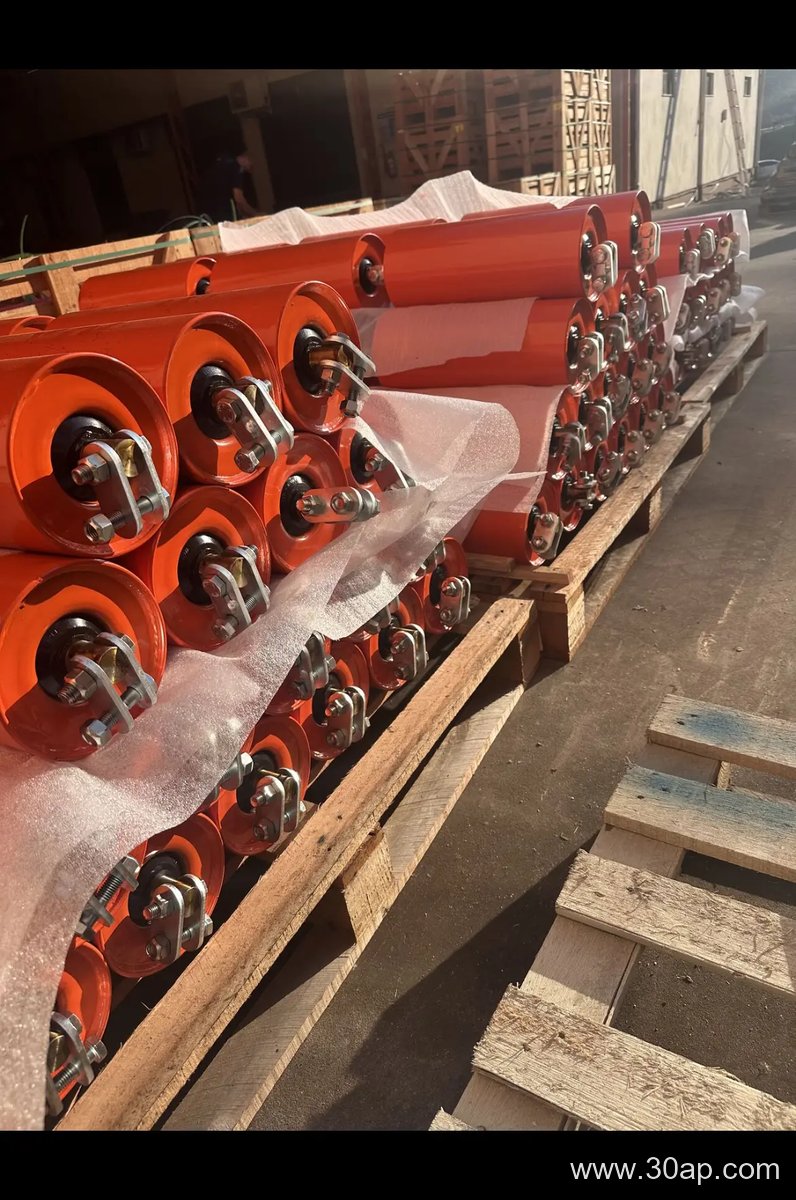
Production stages that shape finished quality
- Tube cutting and end preparation set the starting straightness and squareness of the shell.
- Bearing housing welding introduces local heat; excessive heat can distort the tube and misalign the shaft.
- Dynamic balancing corrects residual imbalance before the idler roller is assembled and sealed.
At a bulk-material port terminal, even a small imbalance becomes continuous vibration under high belt tension. Controlled welding current and a final balance check therefore affect the idler roller’s bearing life and belt tracking more than a cosmetic finish.
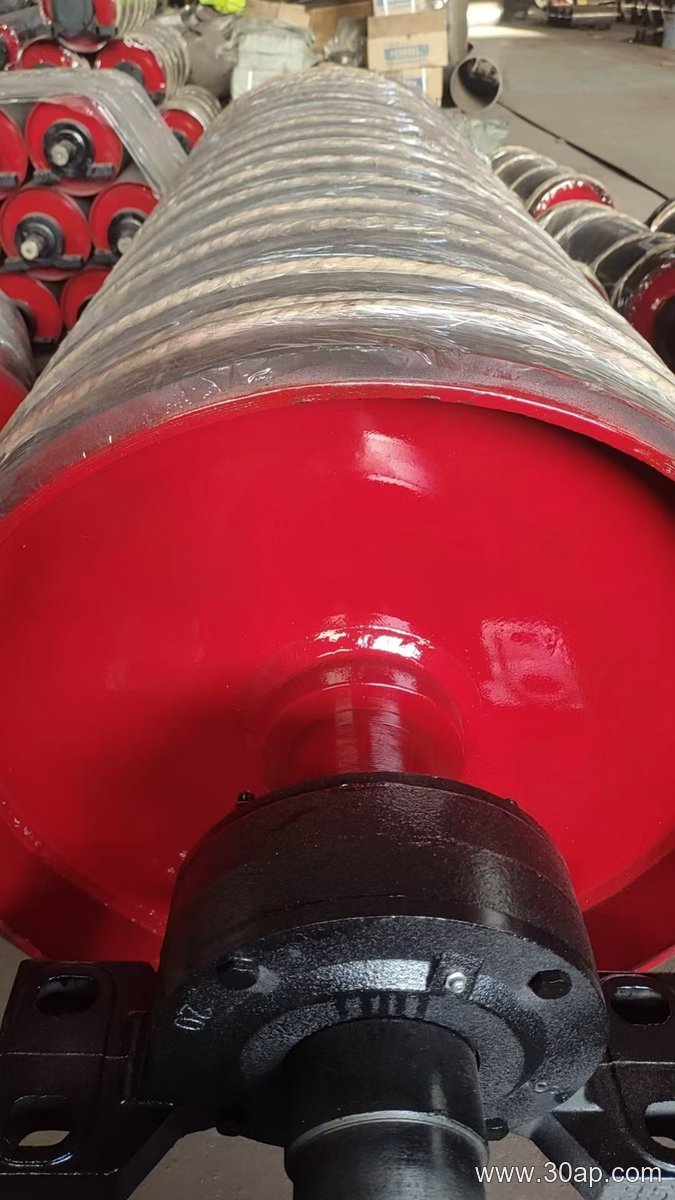
When Coal Dust Clings to the Belt, How Should a Conveyor Pulley Be Built
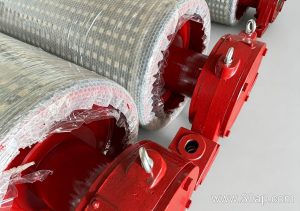
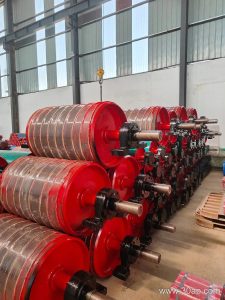
Coal fines mixed with moisture create a tacky layer that can wrap around a conveyor pulley, build up on the shell, and pull the belt off track. In a general manufacturing line handling coal, the pulley must resist both abrasion and material accumulation. A wing pulley is often chosen because its spaced slats shed sticky coal instead of letting it pack. For a solid-shell conveyor pulley, consider a grooved lagging that channels fines away from the belt contact zone. The trade-off is that open wing designs offer less belt support and can allow fine coal to sift through. Bearing seals also matter: dust that reaches the bearing housing shortens service life. Specify contact seals or a purgeable housing when coal dust is persistent. Finally, match the pulley diameter to the belt speed and load so the coal does not sit on the shell long enough to compact. These choices keep the conveyor pulley turning freely rather than acting as a buildup point.
Why crushed ore changes the conveyor bracket design brief
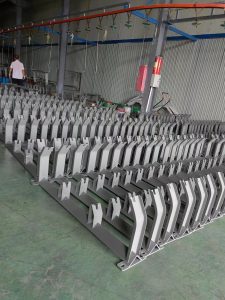
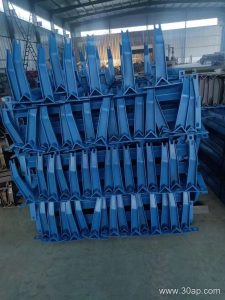
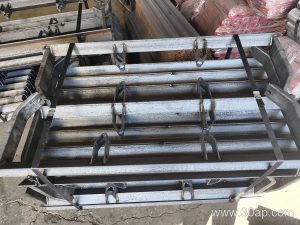
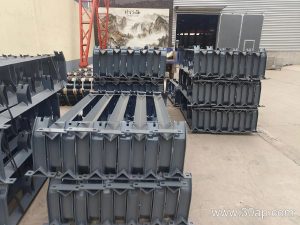
Crushed ore is heavy, angular, and abrasive. A conveyor bracket on a general manufacturing line must therefore resist both static load and impact vibration, not just support an idler. The trade-off is stiffness versus adjustability.
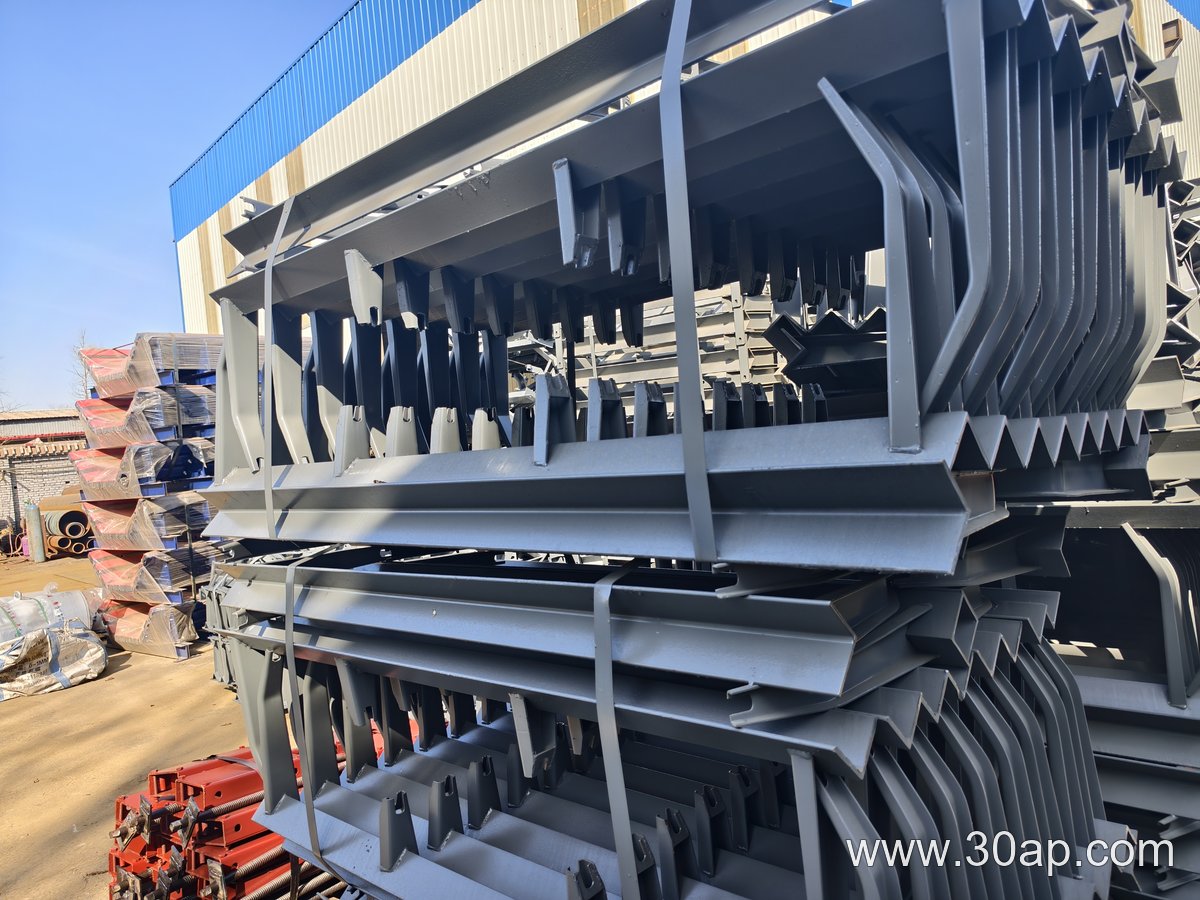
Practical checks for an ore-handling bracket
- Confirm the bracket base matches the stringer hole pattern and can be shimmed for alignment.
- Check that the mounting slots allow lateral adjustment without weakening the base.
- Verify the bracket material and finish suit the local dust and moisture exposure.
In a hypothetical line moving 1,200 mm belt ore, a heavier bracket reduces deflection but can complicate retrofit. The right choice balances fit, stiffness, and maintenance access.