How Do You Pick the Right Steel Grade for a Conveyor Bracket at a Salt Port Terminal?
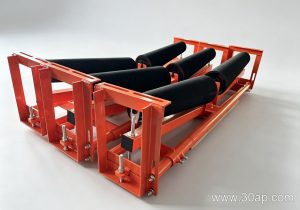
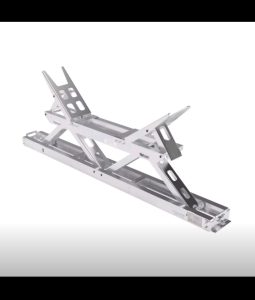
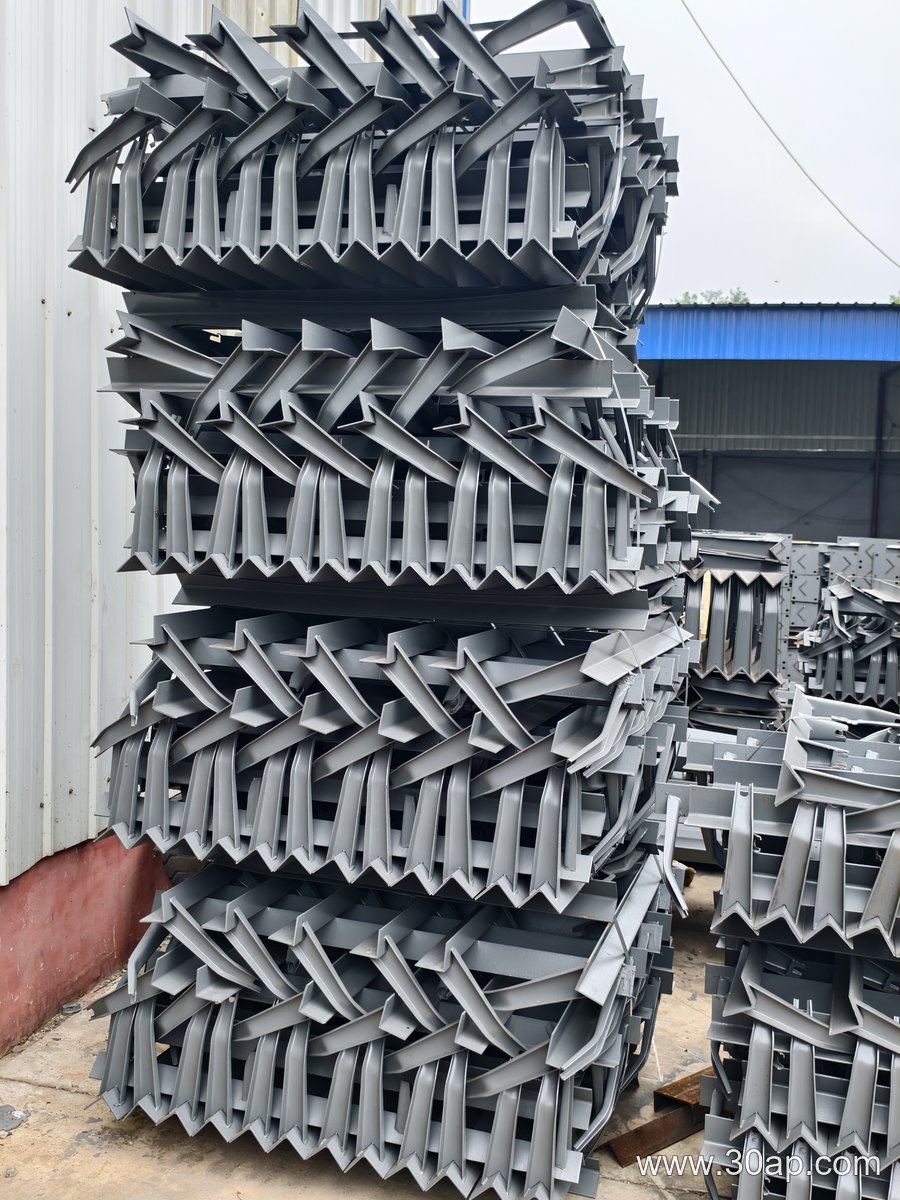
Match the grade to the dominant attack. At a salt terminal, chlorides drive corrosion, so a conveyor bracket in plain carbon steel can pit through at welds long before its mechanical load matters. The practical answer is usually a corrosion-resistant grade or a protective coating, chosen after checking strength, weldability and cost together.
Common Material Trade-Offs
- Carbon steel: strong and cheap, but needs galvanizing or painting in salt air.
- Stainless steel: resists chlorides, but costs more and can be harder to weld.
- Weathering steel: forms a stable oxide layer, but performs poorly in constant wet salt exposure.
Thicker sections add stiffness but not corrosion resistance. For a conveyor bracket, the coating system and drainage details often decide service life more than the base grade.
Can a Wet Outdoor Conveyor Belt Handle a 700mm Troughing Transition on a Short Incline
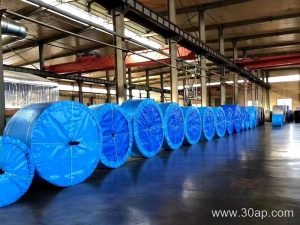
Wet weather changes the selection problem. Water lubricates the cover, lowers friction at the drive pulley, and lets fines stick to the belt. On a hypothetical outdoor project, assume a 700mm wide conveyor belt running up a short 12-degree incline, moving wet aggregate at 1.2 m/s.
The dimensional constraint that drives the choice
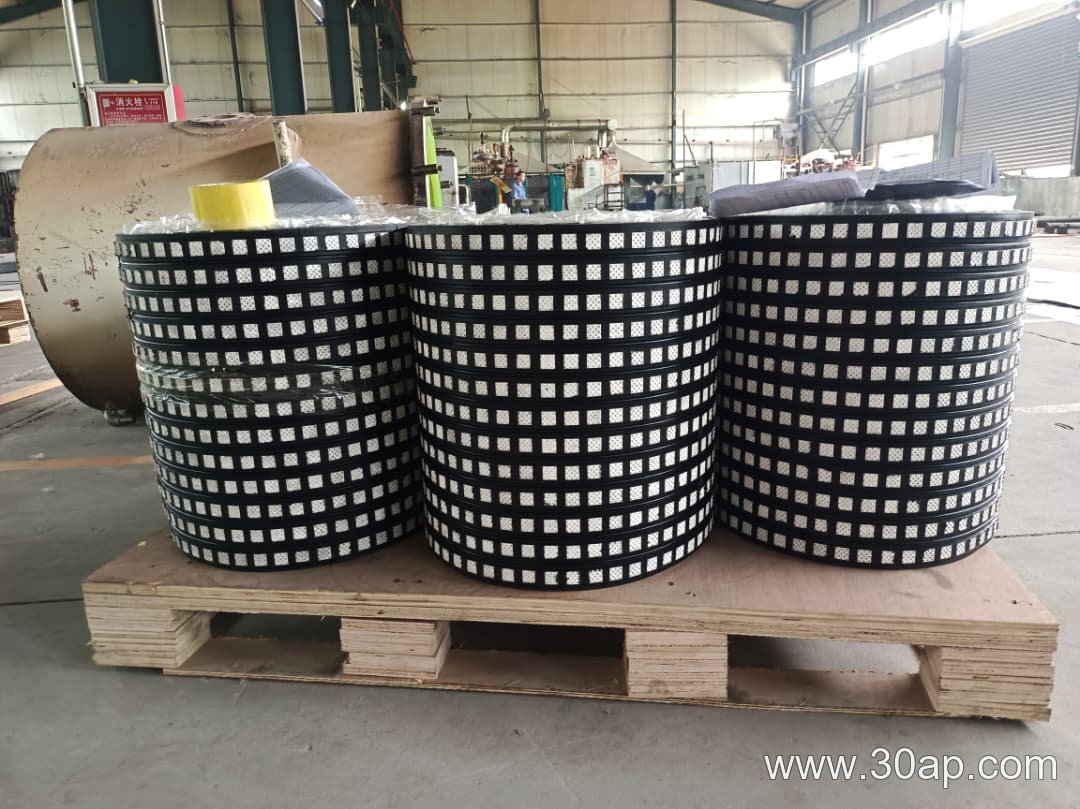
The 700mm width is the tight constraint. It limits troughability, pulley diameter, and the transition distance between the last idler and the pulley. If the belt is too stiff for a 700mm troughing profile, it will not seat in the idlers and will mistrack when wet.
Checks before ordering
- Confirm the minimum pulley diameter for the selected belt construction.
- Check cover grade for abrasion and water resistance, not just thickness.
- Verify the transition length fits the available structure.
- Review the drive pulley lagging to compensate for wet friction loss.
These are illustrative assumptions, not a fixed rule. The final selection depends on measured tension and the actual installation geometry.
Why Abrasion Resistance Decides Idler Roller Life in a Wash Circuit
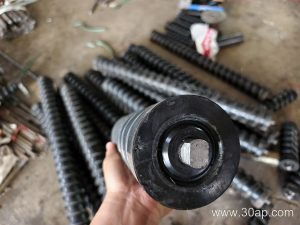
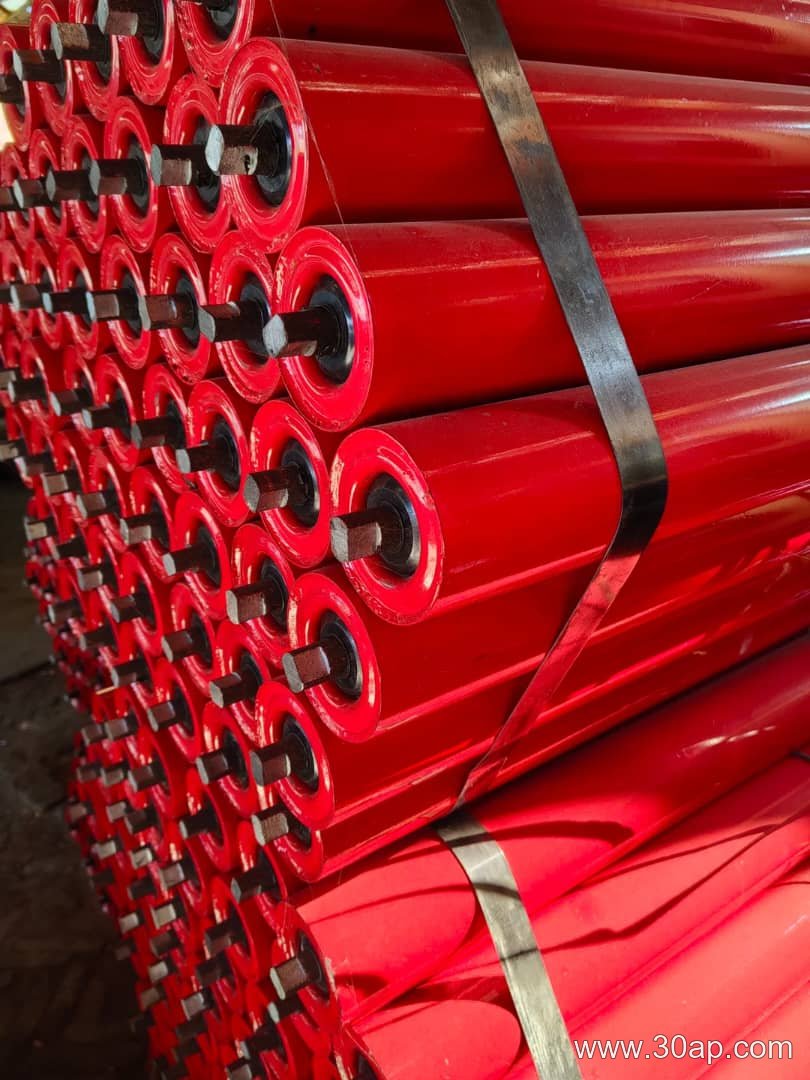
In a mineral-processing wash circuit, fine abrasive slurry splashes onto the belt and migrates toward the idler roller. The roller’s shell and seals face continuous grinding action rather than a single impact.
What to Check for Abrasive Duty
- Shell hardness and surface finish that resist particle embedding.
- Labyrinth or contact seals sized for fine slurry, not just dust.
- Bearing grease retention under repeated wetting and drying.
A harder, smoother shell sheds abrasive fines instead of trapping them. Seal selection matters more than shell thickness alone, because once grit reaches a bearing, the idler roller stops turning freely and the belt wears against a locked roller.
How Does Material Choice for a Conveyor Pulley Change Wear Life in a Cement Plant
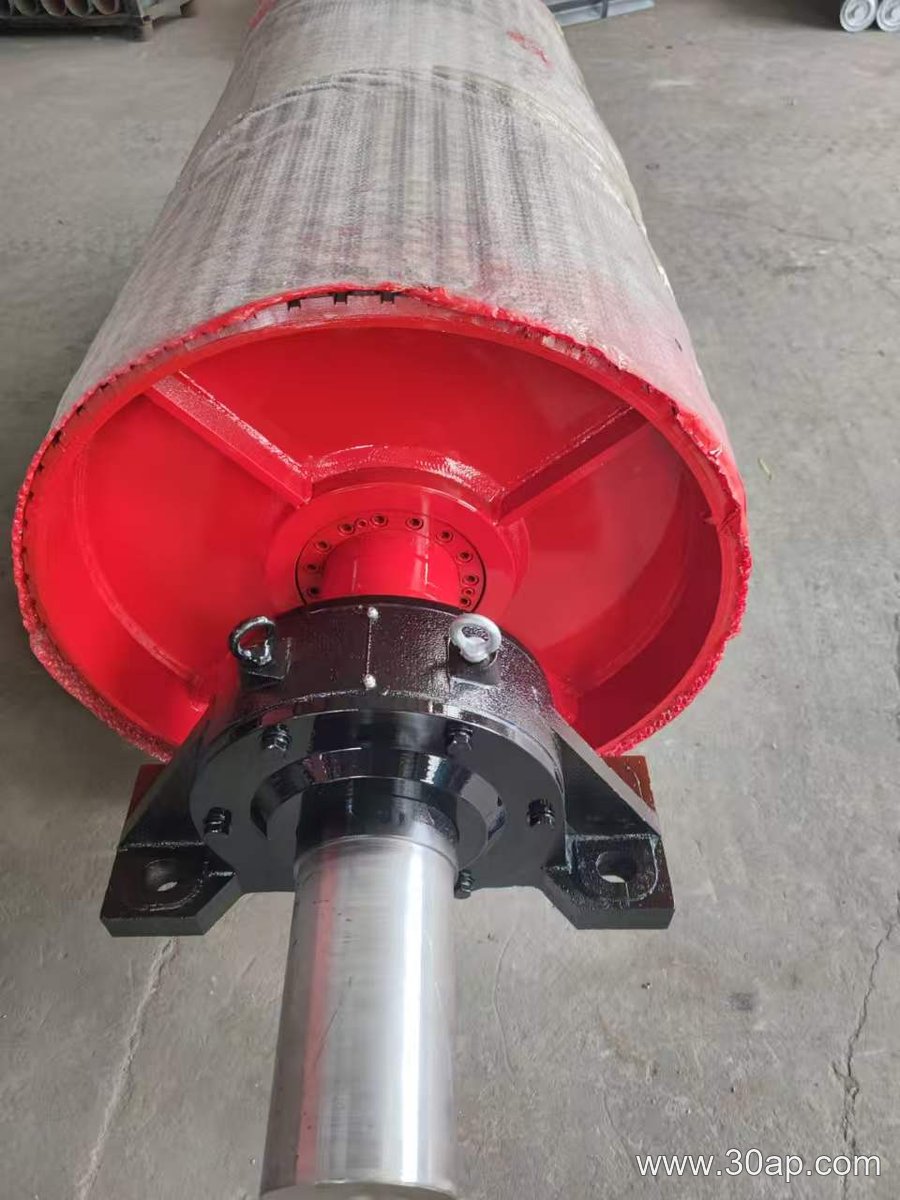
In a cement plant, abrasive dust and heavy loads make material selection a trade-off between wear resistance and cost. A conveyor pulley with a mild steel shell may wear quickly, while a thicker shell or one with abrasion-resistant lagging lasts longer but adds weight and expense. The right choice depends on duty, environment, and maintenance intervals.
Shell and Lagging Materials
Shells are often carbon steel for general duty, but abrasive service may use wear-resistant steel or thicker walls. Lagging options include rubber, ceramic, or polyurethane. Rubber offers good grip and impact absorption but can wear in high-abrasion zones. Ceramic lagging resists wear but may crack under shock. Polyurethane balances wear and grip but costs more. In a cement plant, ceramic lagging on the drive pulley can extend life where slip and abrasion are severe, but it requires careful bonding to avoid debonding.
Trade-offs and Practical Checks
- Thicker shell: longer wear life, but more weight and higher inertia.
- Ceramic lagging: high wear resistance, but brittle under impact.
- Rubber lagging: flexible and grippy, but wears faster with sharp clinker.
Always match material to the actual abrasive and loading conditions. For a conveyor pulley in a cement plant, a wear-resistant shell with ceramic lagging on the drive and rubber on the tail can be a practical compromise. Verify bond strength and consider environmental factors like moisture and temperature.