Which idler roller subtype handles side-loading winds at a bulk port terminal
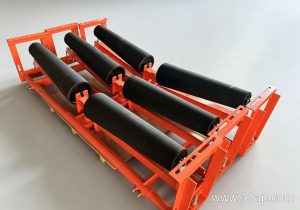
Two common choices are the fixed troughed idler roller and the self-aligning idler roller. Fixed rollers are simple and low-cost; self-aligning rollers pivot to correct belt drift, but add maintenance points.
Fixed troughed idler roller
Best in sheltered galleries where the belt tracks well. Limitation: wind-driven side loads can push the belt off-center without correction.
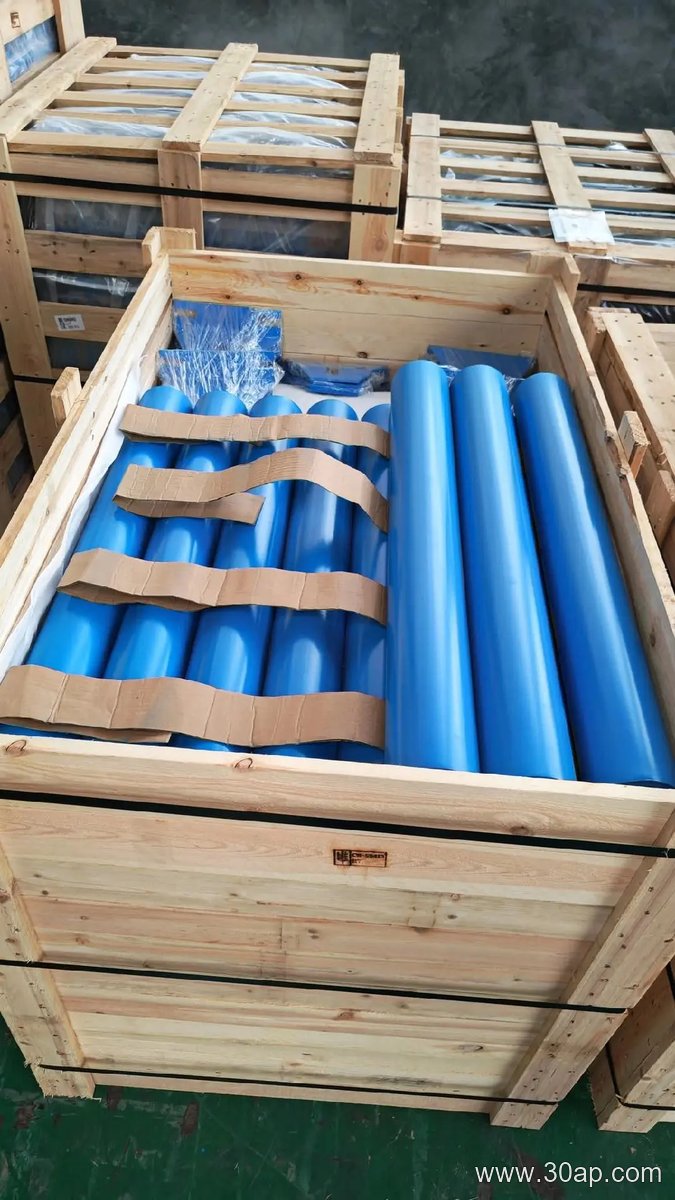
Self-aligning idler roller
Suits open piers with crosswinds and uneven loading. Benefit: it nudges the belt back. Limitation: pivot bearings need inspection and can seize in abrasive dust.
Practical checks
- Measure prevailing crosswind exposure along the conveyor.
- Inspect belt tracking history at each idler roller station.
- Confirm the roller frame allows pivot movement without binding.
For exposed port conveyors, self-aligning idler rollers usually justify their extra upkeep; in covered transfer towers, fixed idler rollers remain sufficient.
How Do You Install a Conveyor Pulley in a Dusty Quarry Without Misalignment
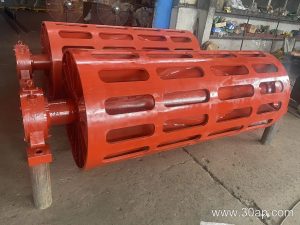
Dust does not cause misalignment, but it hides it. In a quarry, grit settles on mounting surfaces and inside bearing housings, so a pulley that looks seated may sit a few millimetres off. That offset loads the shaft, wears the lagging unevenly, and shortens bearing life. Installation therefore starts with preparation, not lifting.
Preparation and Mounting
Clean the frame pads, bearing seats, and shaft journals before anything is placed. Check that the pulley rotates freely by hand and that the lagging is bonded. Confirm the shaft diameter and key fit against the drawing, and mark the drive side so the pulley is not reversed. During mounting, keep the shaft level and lower the pulley squarely; never force it with a hammer. For a heavy quarry pulley, use a spreader beam so slings do not crush the shell or lagging.
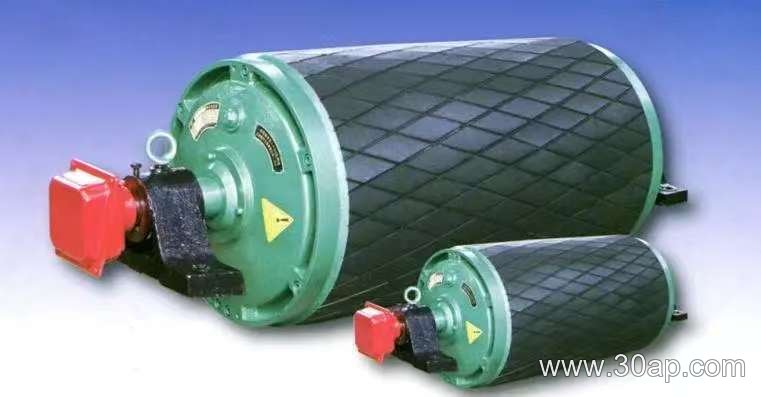
Alignment and Commissioning Checks
Align the pulley face square to the belt centreline using a string line or laser, then check the bearings for equal clearance. After tightening, rotate the pulley one full turn and recheck. Commissioning should include a no-load run: listen for rubbing, feel for abnormal vibration, and verify that the belt tracks centrally. In a dusty quarry, recheck alignment after the first few hours of loaded operation, because initial settling can shift the pulley and undo a good installation.
Why a conveyor bracket loosens in abrasive dust
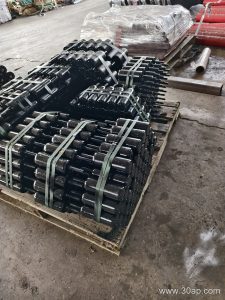
In a dusty quarry, vibration and fine grit work a conveyor bracket’s mounting bolts loose. The bracket then shifts, misaligning the idler and wearing the belt edge.
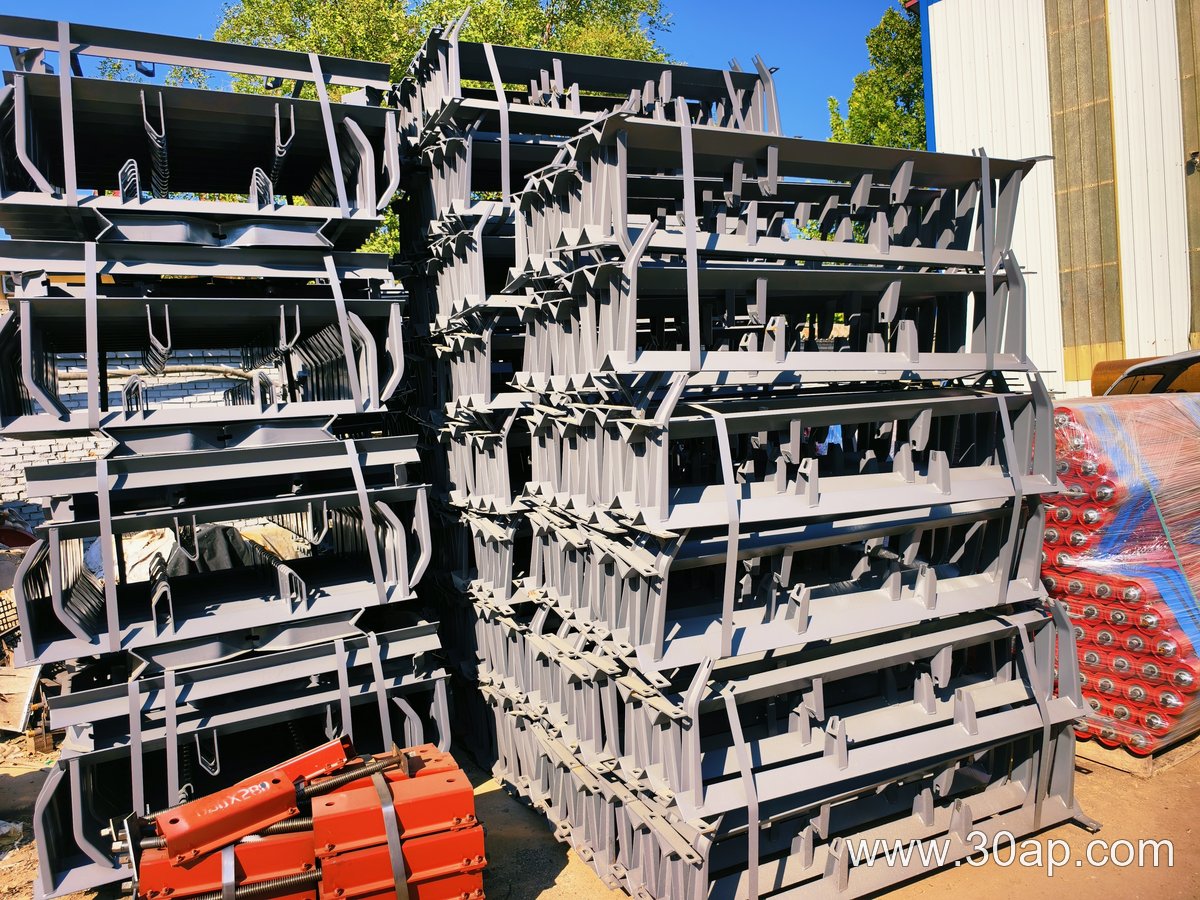
Checks to stop the cycle
- Confirm bolt torque and use hardened washers.
- Inspect bracket-to-frame contact for grit buildup.
- Verify the bracket’s slot length allows thermal movement without slipping.
- Replace any bracket with elongated bolt holes or cracked welds.
These steps address the root cause: dust ingress and vibration, not just re-tightening.
Why a flat belt sometimes fails on an incline
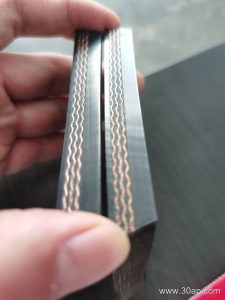
A flat conveyor belt relies on friction to hold material on an incline. Once the angle exceeds the material’s angle of repose, boxes or loose parts slide backward. A cleated conveyor belt solves this by adding physical barriers.
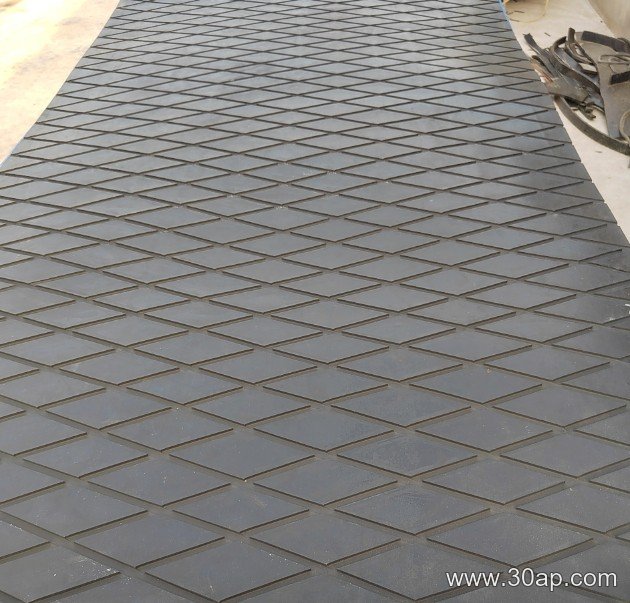
When cleats earn their cost
- Inclines steeper than about 15 degrees for boxed goods
- Loose components that roll on a smooth surface
- Space-limited lines where a longer, shallower conveyor is impossible
On a general manufacturing line, the trade-off is clear: a cleated belt costs more, needs deeper troughing and complicates cleaning, but it prevents product fallback without adding floor length. A flat belt remains simpler and cheaper on horizontal runs. The decision hinges on slope, load stability and available space, not on belt width alone.