How Do You Maintain a Conveyor Belt in a Cement Plant to Prevent Sudden Replacement
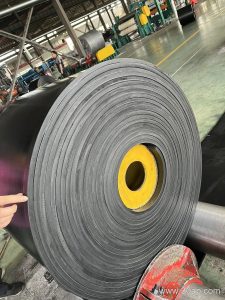
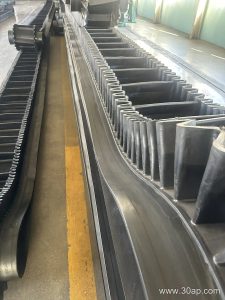
Many operators believe a conveyor belt fails without warning. In reality, wear and damage accumulate slowly. In a cement plant, abrasive clinker and fine dust accelerate this process. Regular inspection and preventive maintenance are essential to avoid unexpected downtime.
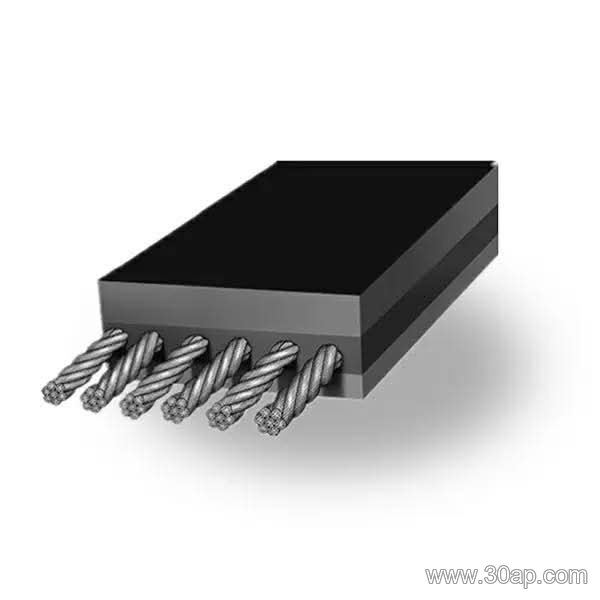
Inspection and Preventive Maintenance
- Check belt edges for fraying, cuts, or exposed carcass weekly.
- Inspect splices for separation or wear; repair promptly.
- Monitor pulley lagging and idler condition to prevent belt mistracking.
- Clean spillage and maintain proper tension to reduce stress.
Signs Replacement Is Needed
Replace the conveyor belt when you see deep gouges, multiple ply separation, or severe edge damage that cannot be repaired. Also, if the belt stretches beyond take-up capacity or shows widespread cover wear, replacement is more economical than continued patching. Ignoring these signs leads to sudden failure and costly production losses.
Wet outdoor duty and idler roller shell materials
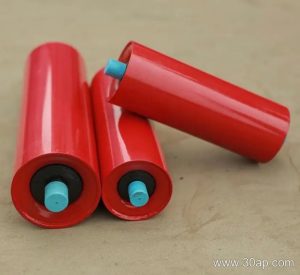
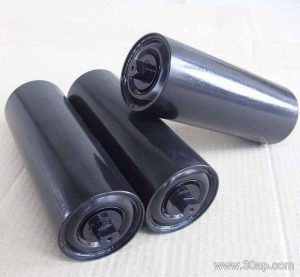
A wet outdoor conveyor exposes the idler roller to rain, acidic runoff, and abrasive fines. Shell material choice decides whether the roller sheds water or corrodes and seizes.
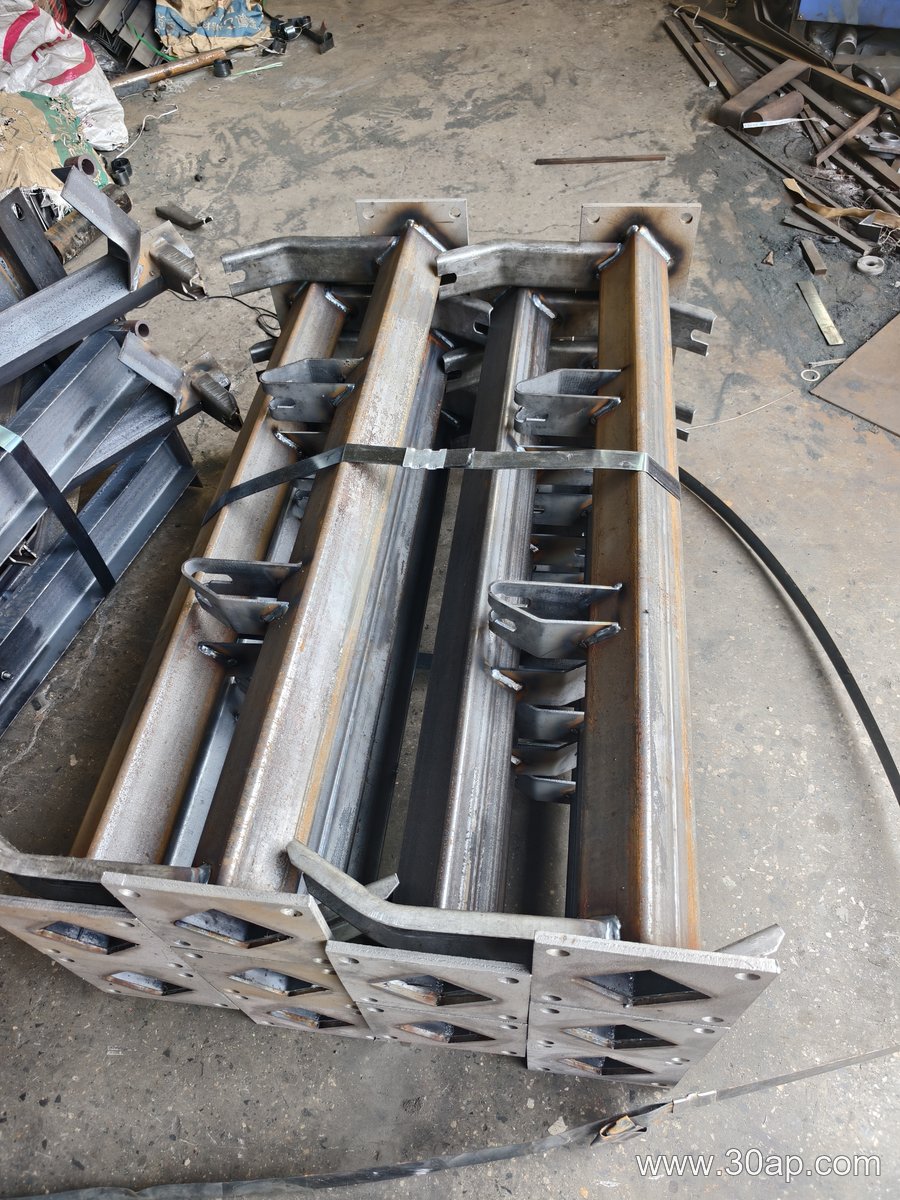
Common material options and trade-offs
- Mild steel with painted finish: low cost, but coating damage lets rust spread under the paint.
- Galvanized steel: better corrosion resistance in rain, yet scratches expose bare steel and the zinc layer adds little abrasion protection.
- Stainless steel: strong against rust and chemical runoff, but higher cost and softer surface can wear faster under abrasive grit.
- Polymer or composite shell: does not rust and sheds water, but has lower load capacity and may deform under hot material or heavy impact.
For a wet outdoor conveyor, the practical trade-off is often a coated steel shell with sealed bearings, or stainless steel where runoff is aggressive. No single material wins everywhere; match the choice to water chemistry, load, and abrasion.
How Do You Inspect a Conveyor Pulley on a Wet Outdoor Conveyor Before It Fails
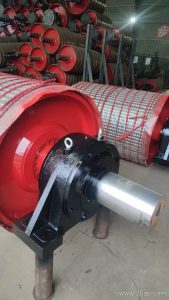
Ask three questions at every wet outdoor conveyor pulley: is the lagging still bonded, is the shell still round, and is water reaching the bearings? Walk the pulley during a washdown or after rain, because dry-weather checks miss the conditions that cause most failures.
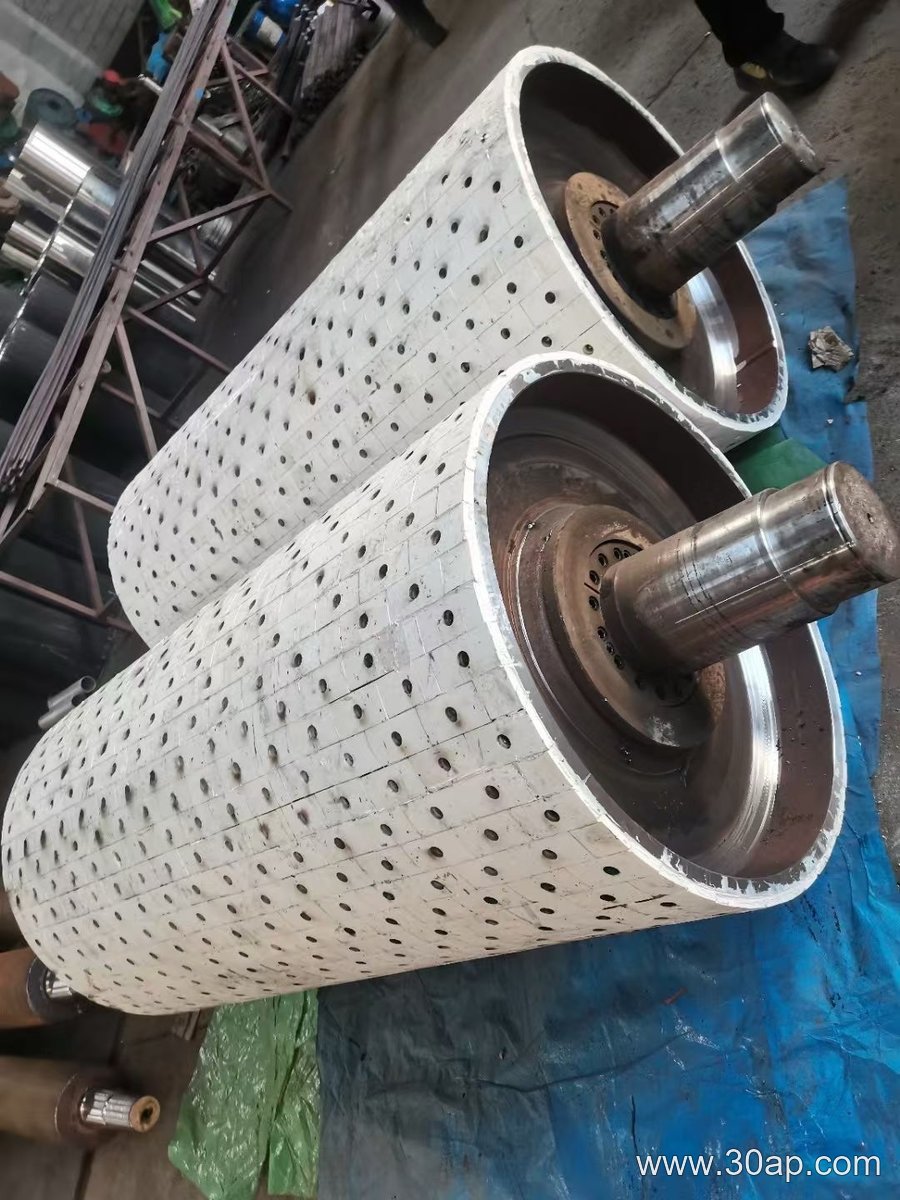
Inspection Points That Matter in Wet Service
- Lagging: look for lifted edges, grooves, glazing and trapped grit. A coin tap along the surface reveals disbonded areas that water will exploit.
- Shell and welds: check for corrosion pitting, cracked welds at the hub, and any runout that makes the belt track unevenly.
- Shaft and bearings: feel for heat, listen for roughness, and inspect seals and housings for water ingress.
- Alignment and belt path: confirm the belt contacts the pulley squarely; drift usually accelerates lagging wear on one edge.
Preventive Maintenance That Actually Helps
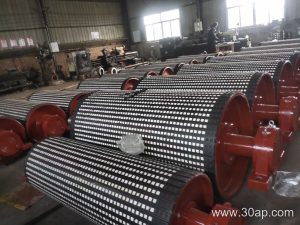
Rinse abrasive mud from the pulley face, keep drainage paths clear, and re-tension the belt to the manufacturer’s recommendation so the pulley does not slip under load. Grease bearings on a schedule and confirm the seals are correctly seated. If the pulley is a ceramic-lagged type, inspect bond integrity rather than only the ceramic tiles. Replace the conveyor pulley when lagging is worn through, runout exceeds the OEM limit, the shell is cracked or deeply pitted, or the shaft shows fretting at the hub. Early replacement is cheaper than a belt destroyed by a seized pulley.
Which conveyor bracket specification fields actually matter in a dusty quarry?
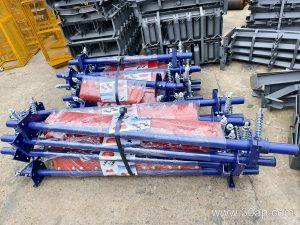
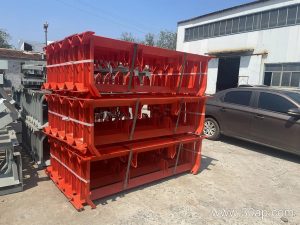
A conveyor bracket datasheet is read correctly when you treat each field as a constraint, not a score. In a dusty quarry, the bracket locates idlers, so fit and mounting geometry decide whether dust and vibration loosen the frame.
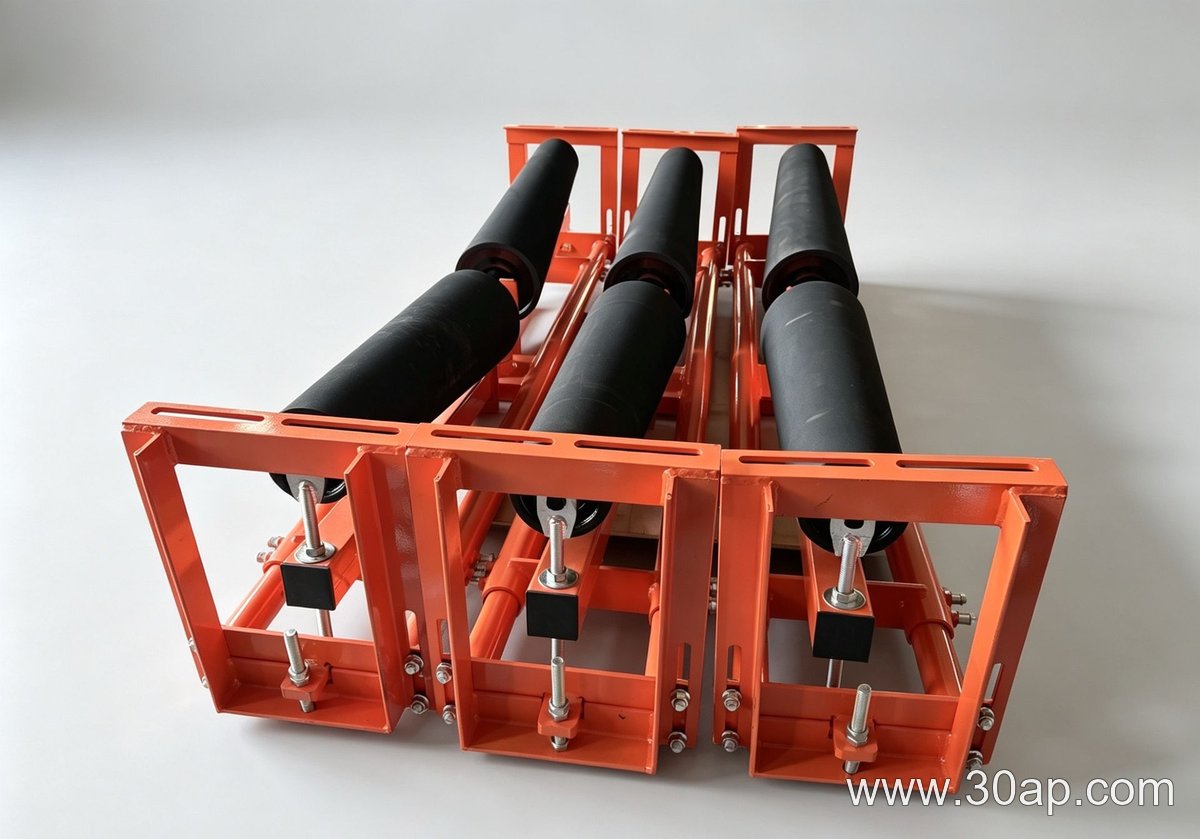
Core fields and their units
- Mounting hole pattern: hole diameter and center-to-center distance, in millimeters; must match the idler frame.
- Bore or slot size: shaft diameter plus tolerance, in millimeters.
- Center height: vertical distance from mounting face to idler axis, in millimeters.
- Material grade and thickness: grade name plus plate thickness in millimeters.
How to read them without inventing ratings
Do not assume a load number. Read the bracket against the idler spacing and belt width already fixed by the conveyor design. A dusty quarry mainly tests hole fit and edge wear, so check that tolerances close cleanly and that no field silently substitutes a different center height. Hypothetical example: a 1,200 mm belt line may use a bracket with a 30 mm bore and 200 mm hole centers, but confirm against the actual frame drawing.