What Does TIR Mean for a Conveyor Pulley
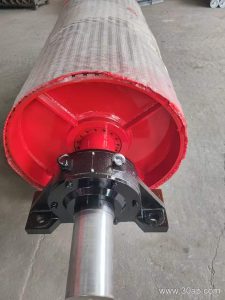
TIR, or total indicated runout, is the full radial variation of a conveyor pulley’s shell as it turns. On a wet outdoor conveyor, a high TIR makes the belt track unevenly and speeds bearing wear. A low TIR, by contrast, demands a stiffer shaft and tighter machining.
The Engineering Trade-Off
Suppose a hypothetical conveyor pulley must run in rain and grit. If you specify a TIR of 0.5 mm, you might accept a smaller shaft. If you need 0.25 mm, you likely need a larger shaft diameter and better bearing alignment. That choice affects cost and sealing complexity, not just the shell.
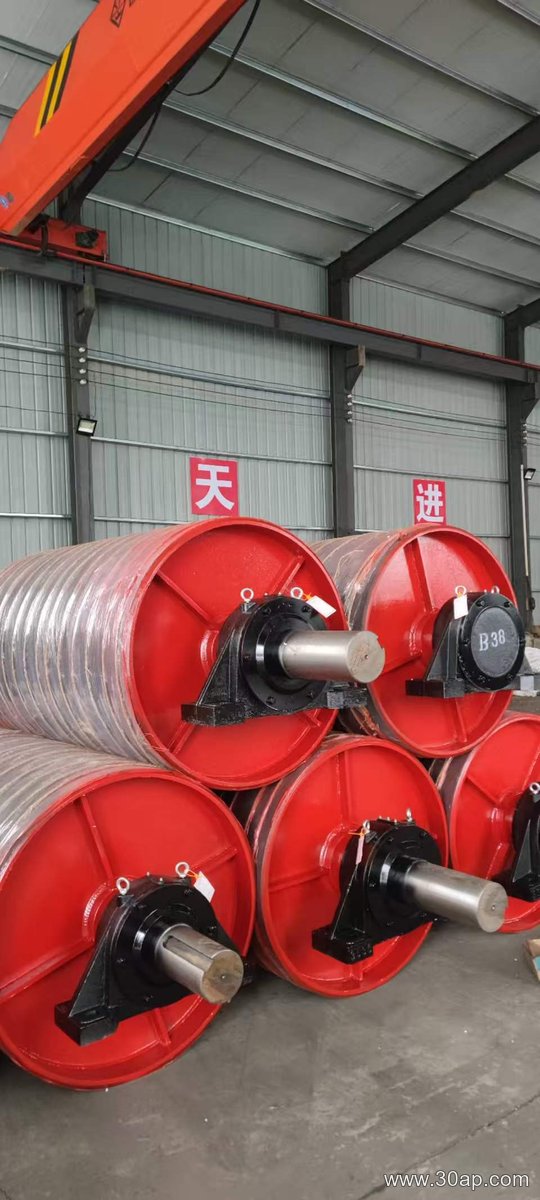
- Lower TIR: better belt tracking, higher shaft stiffness, tighter tolerances.
- Higher TIR: simpler shaft, but more vibration and water ingress risk.
Always confirm the TIR value with the pulley manufacturer, because it changes the whole drive assembly.
How Do Material Choices for a Conveyor Bracket Affect Fit and Cost?
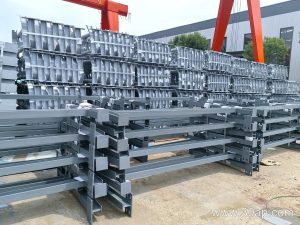
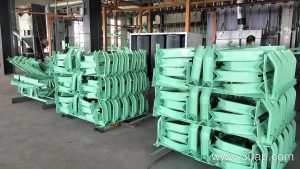
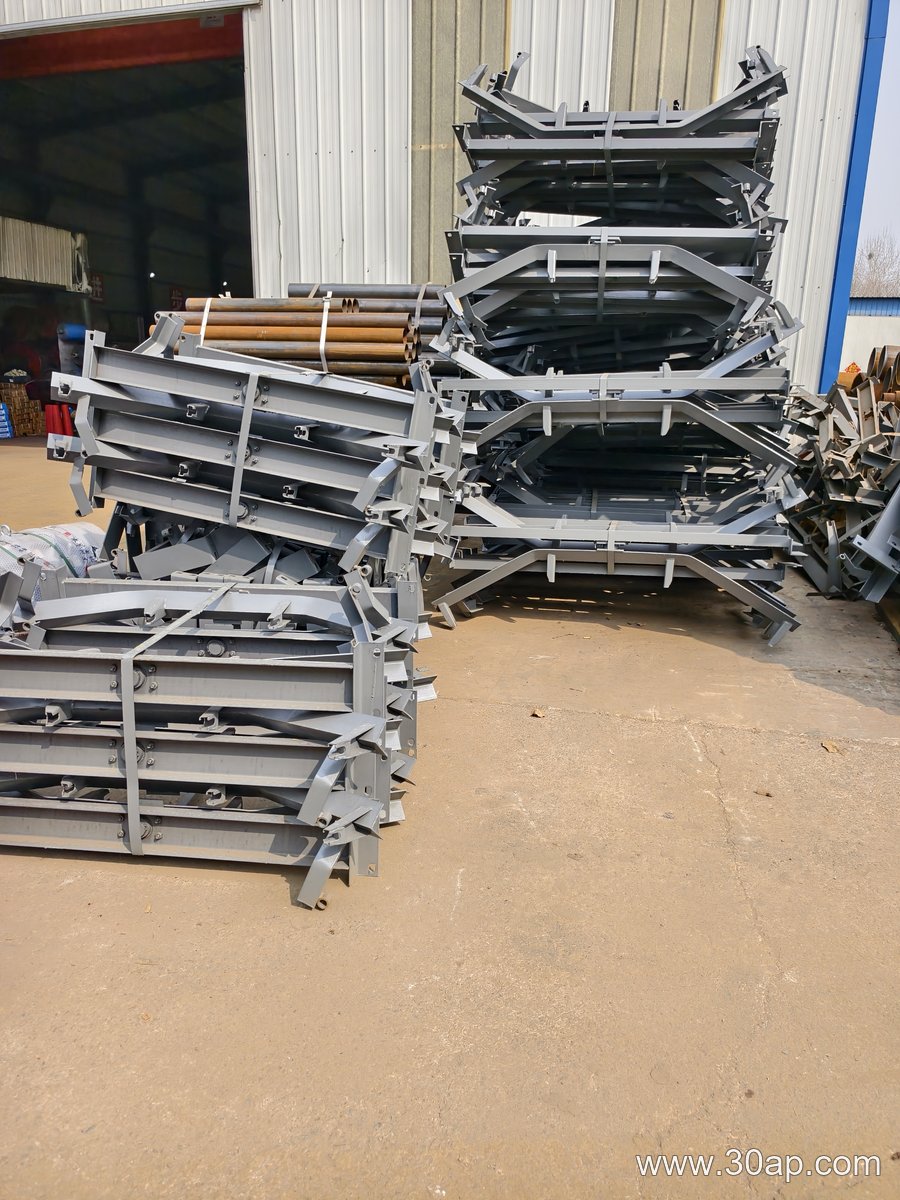
On a general manufacturing line, a conveyor bracket must match the duty cycle, environment, and budget. Two common materials are carbon steel and stainless steel. The choice is a trade-off between application fit and purchasing cost.
Carbon Steel Conveyor Bracket
Carbon steel offers high strength at lower cost. It suits dry, indoor lines with moderate loads. However, it needs coating to resist rust, and that adds steps and long-term maintenance.
Stainless Steel Conveyor Bracket
Stainless steel resists corrosion and washdown chemicals, making it a fit for wet or sanitary areas. Its higher material and machining cost raises the purchase price, and it can gall at bolted joints without lubricant.
Balancing Fit and Purchasing Cost
Choose carbon steel where moisture is controlled and budgets are tight. Choose stainless steel where washdown or caustic exposure would shorten bracket life. The cheaper bracket may cost more over time if it fails early.
What Makes a Mining Fire Resistant Conveyor Belt Suitable for Dusty Quarry Transfer Points
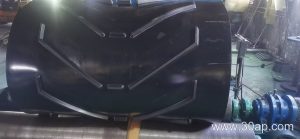
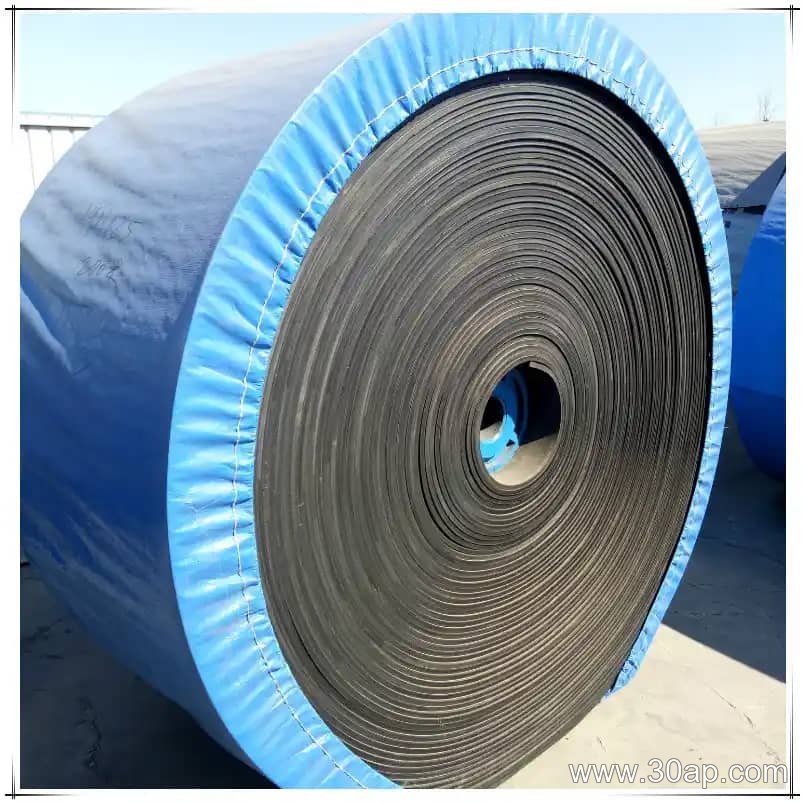
A mining fire resistant conveyor belt is a subtype built for mines and quarries where dust, sparks, and friction heat are constant risks. In a dusty quarry, the belt must resist ignition while still carrying abrasive rock.
Construction and Features
The belt uses a rubber cover compounded to limit flame spread, wrapped around a fabric or steel cord carcass. The cover also resists abrasion and static buildup. Thicker covers and antistatic additives are common.
Where It Is Used
- Transfer points near crushers and screens
- Enclosed galleries with limited ventilation
- Any area where coal or sulfide dust may accumulate
These belts do not replace good housekeeping, but they reduce ignition risk when dust is unavoidable.
Why an idler roller howls before it fails
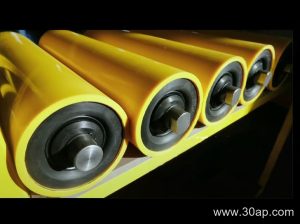
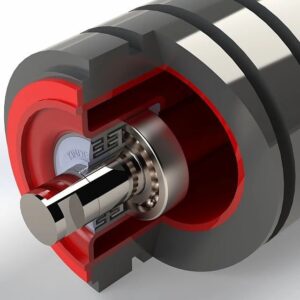
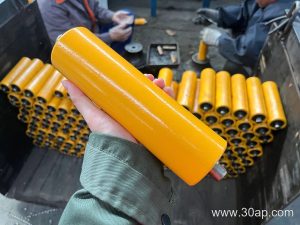
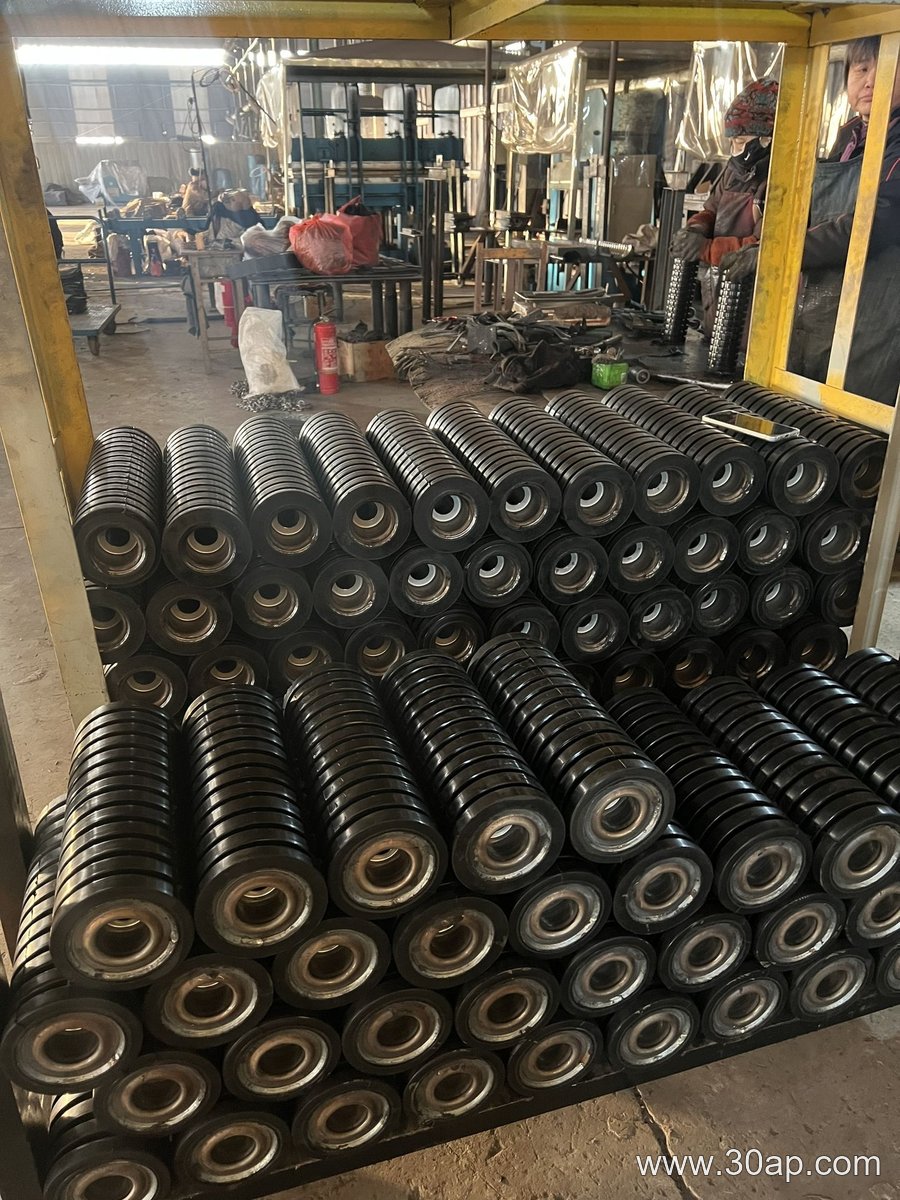
A common fault in cement plant conveyors is a howling or chirping idler roller that later seizes. The symptom points to the bearing, but the cause may be lubrication loss, seal ingress, or a bent shaft.
Plausible causes to distinguish
- Dry bearing: high-pitched whine, hot housing.
- Contaminated grease: grinding noise, cement dust around the seal.
- Misaligned or bent shaft: rhythmic squeal once per revolution.
Check axial play, seal condition, and roller straightness before replacing the idler roller.