What the Ø89 Trough Idler Does on a Conveyor
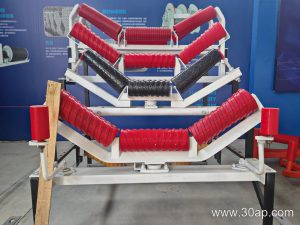
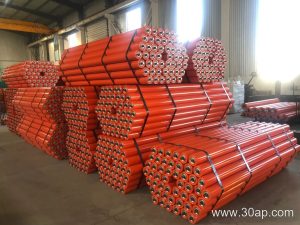
The Ø89 trough idler is a carrying roller with an 89 mm diameter shell, mounted in a troughing set to support the conveyor belt and shape it into a trough. This idler roller is common on medium-duty bulk handling lines where the belt width and load call for a robust but not oversized roll. In a typical three-roll troughing arrangement, the two side rolls incline at a trough angle while the centre roll stays horizontal, keeping material centred and reducing spillage. Buyers often specify this size for aggregate conveyors, cement plant raw-material lines, and coal handling systems where a 500 mm to 1000 mm belt may be in use.
Construction Details and Common Configurations
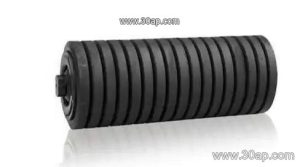
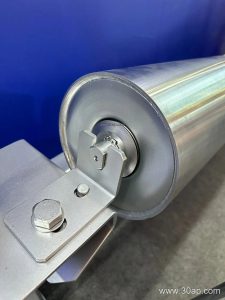
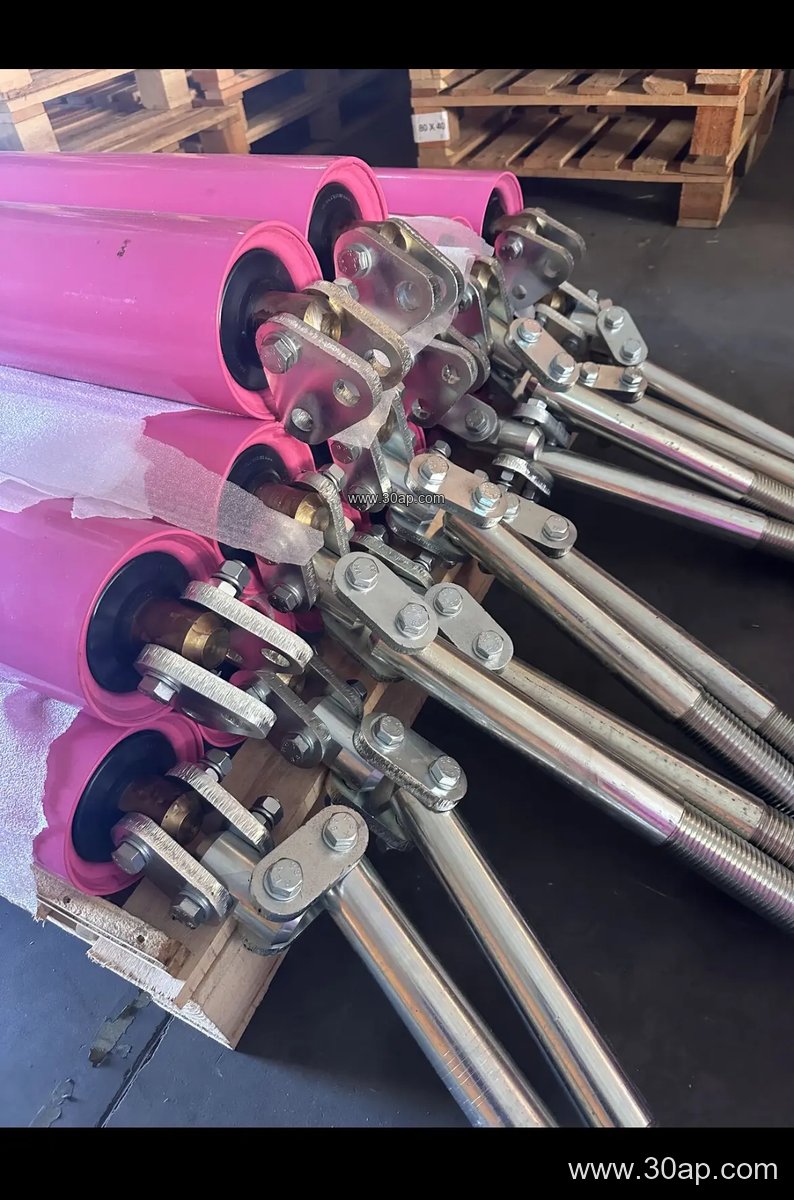
A Ø89 trough idler usually consists of a steel tube shell, bearing housings, a shaft, and a sealing arrangement. The shell may be plain steel, nylon-coated, or fitted with rubber rings for impact absorption. Bearing sizes such as 6204 or 6205 are often used, but the exact bearing depends on the load rating and shaft design rather than the roller diameter alone. Troughing sets can be two-roll or three-roll; three-roll sets are more common for wider belts. Trough angles of 20, 30, 35, or 45 degrees are available, and the choice affects how the belt sits and how material is contained. Roll length varies with belt width, trough angle, and roll position; for example, a three-roll set on a B800 belt may use rolls around 315 mm long, while a B1000 set may use rolls near 380 mm. These are reference examples, not fixed rules.
Where It Fits in Bulk Handling
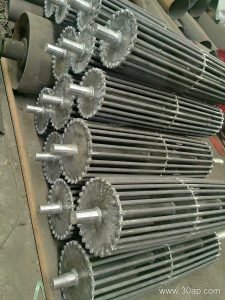
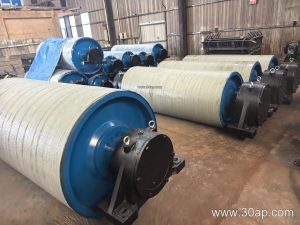
You will see the Ø89 trough idler in quarry and sand-and-gravel lines, cement plants, power station coal yards, and iron ore or copper ore handling. It also appears in crushing and screening circuits where a conveyor belt carries lump material after primary crushing. In such settings, the idler roller works with the conveyor pulley at the drive and tail ends, and with conveyor brackets that hold the troughing set at the correct height and angle. For dusty or wet conditions, sealed bearings and proper grease retention matter more than the nominal diameter. When the belt carries hot clinker or sinter, a heat resistant conveyor belt may be paired with suitable idlers, but the idler itself should be selected for the temperature and load.
Matching the Idler to Belt and Duty
Selecting a Ø89 trough idler is not only about diameter. The belt width, trough angle, material lump size, and desired load support all influence the choice. A 650 mm or 800 mm wide belt may run well with this size in a three-roll set, while a 1200 mm belt might use larger rolls or a different roll length. The table below lists common reference values that help in preliminary planning; final selection should follow the conveyor design.
- Roll diameter: Ø89 mm
- Common belt widths: B500, B650, B800, B1000
- Trough angles: 20°, 30°, 35°, 45°
- Roll surface: steel, nylon, rubber ring
- Bearing examples: 6204, 6205, 6305
- Roll length examples for three-roll sets: about 200 mm for B500, 250 mm for B650, 315 mm for B800, 380 mm for B1000
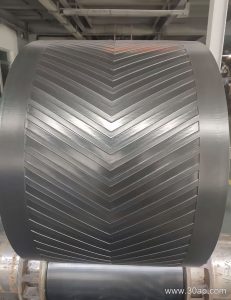
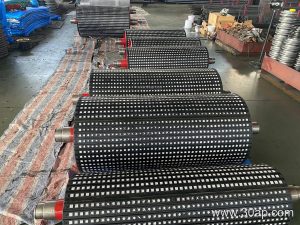
For abrasive materials such as iron ore or quarry rock, an abrasion resistant conveyor belt is often used together with well-sealed idlers. In coal mining, flame retardant conveyor belt and anti-static properties may be required for the belt, while the idler should resist dust ingress. The idler does not replace the conveyor pulley or the drive pulley; each has a distinct role in the conveyor system.
Buyer Checklist and Maintenance Notes
Before ordering, confirm the belt width, trough angle, roll length, shaft diameter, and bearing type required by the conveyor frame. Check whether the application needs rubber-ring impact idlers at loading points or standard steel rolls along the carrying run. Ask for the sealing method and grease type if the conveyor operates in wet or dusty conditions. During service, listen for unusual noise, check for roller seizure, and verify that the troughing set stays aligned. Worn idlers can cause belt tracking problems and damage the conveyor belt; replacing them in time protects the whole line.
For more information on idler rollers, conveyor pulleys, and conveyor brackets, or to discuss a Ø89 trough idler for your project, visit www.example.com/tuogun and www.example.com/shudaisong. Our team can help match the idler to your belt width and operating environment.