Which Conveyor Belt Cover Rubber Costs Less Over Time in an Abrasive Quarry Duty?
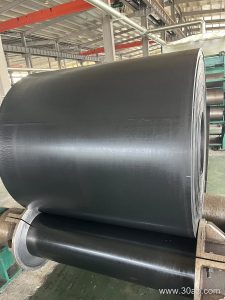
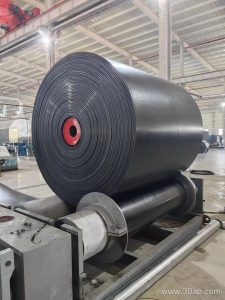
In a dusty quarry, abrasive rock fines steadily wear a conveyor belt’s cover. Buyers often compare natural rubber and SBR blends. The trade-off is not just purchase cost: harder, cheaper compounds can wear faster, while softer, costlier covers may last longer under sharp aggregate.
Application Fit Versus Purchasing Cost
Natural rubber resists cutting and gouging, which suits coarse, sharp feed. SBR blends cost less per meter but may need earlier replacement when fines are highly abrasive. For a quarry, weigh cover thickness and cut resistance against the price difference.
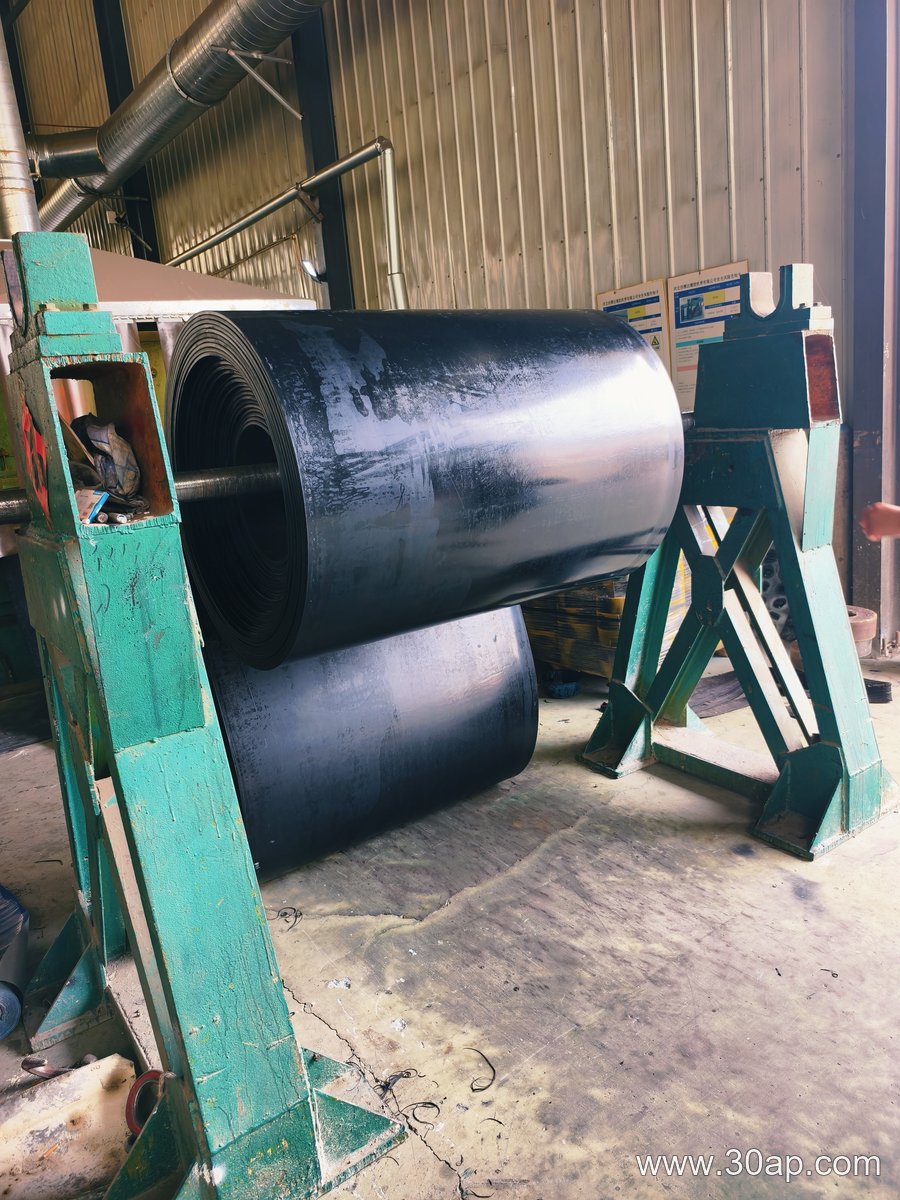
- Check the actual lump size and drop height.
- Compare abrasion test data, not price alone.
- Confirm the conveyor belt carcass matches the load.
A hypothetical quarry line moving sharp granite might justify the higher-cost cover; a short, lightly loaded transfer may not.
Preparing an Idler Roller for a Wet Outdoor Conveyor
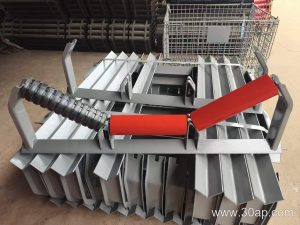
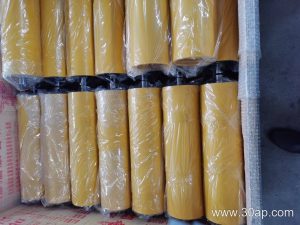
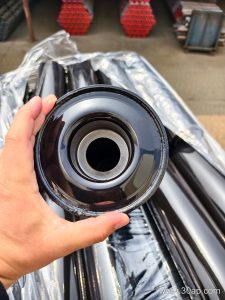
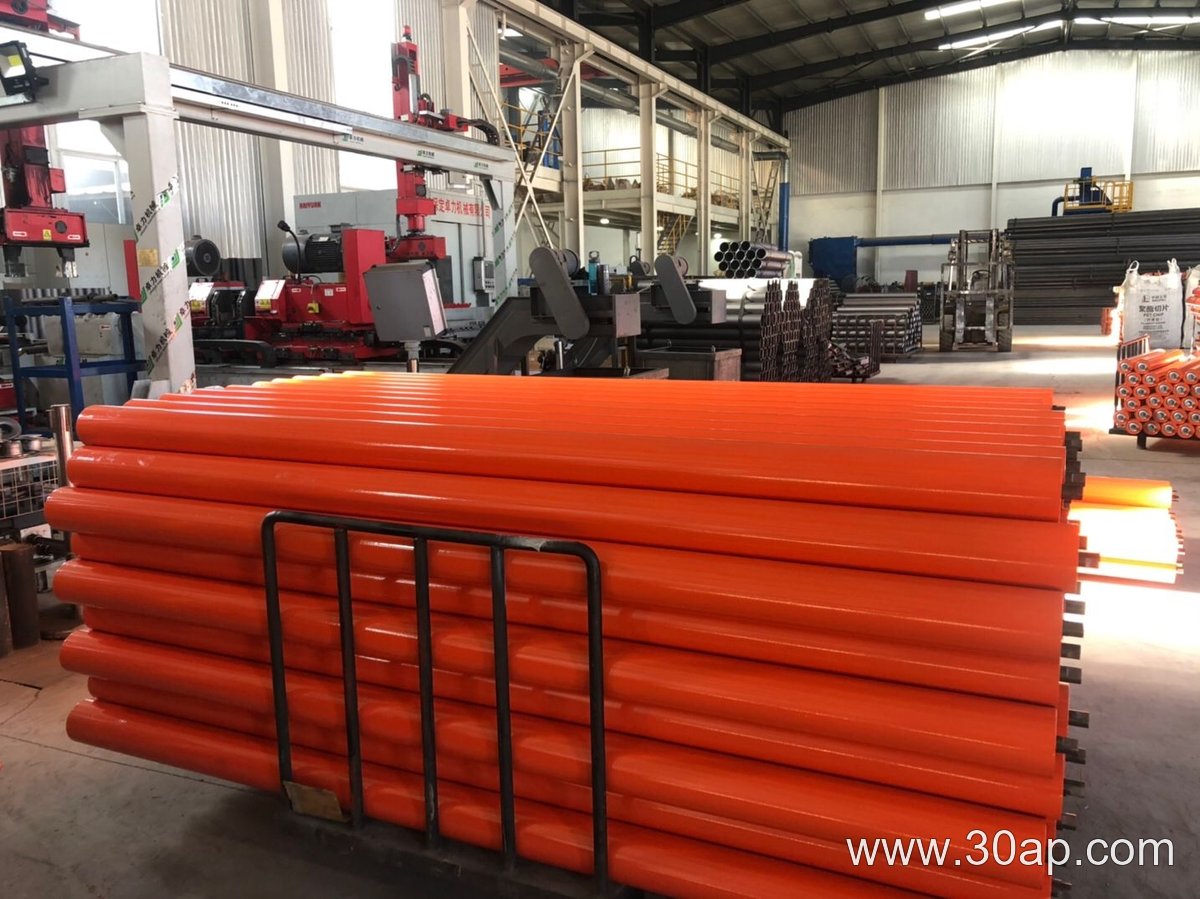
Before an idler roller is mounted on a wet outdoor conveyor, inspect the frame, confirm the roller rotates freely by hand, and verify that the shaft ends and bracket slots are clean and undamaged. Water ingress begins at the bearing housing, so damaged seals should disqualify a roller before installation.
Mounting and Alignment
Set each idler roller squarely in its brackets so the shaft is fully seated. On a wet conveyor, a roller that sits crooked will shed water unevenly and load one bearing. Use a string line along the troughing run to check that the roller faces are parallel and the belt contacts the center of each roll.
Commissioning Checks
- Run the empty belt and watch for a idler roller that skips or wobbles.
- Listen for bearing noise that rain may mask.
- Confirm drainage paths below the roller are clear so water does not pond against the seals.
Will a 630mm Diameter Conveyor Pulley Fit a General Manufacturing Line with Tight Headroom
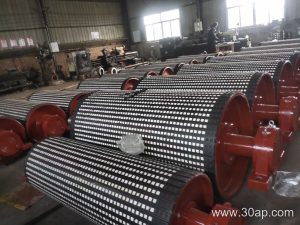
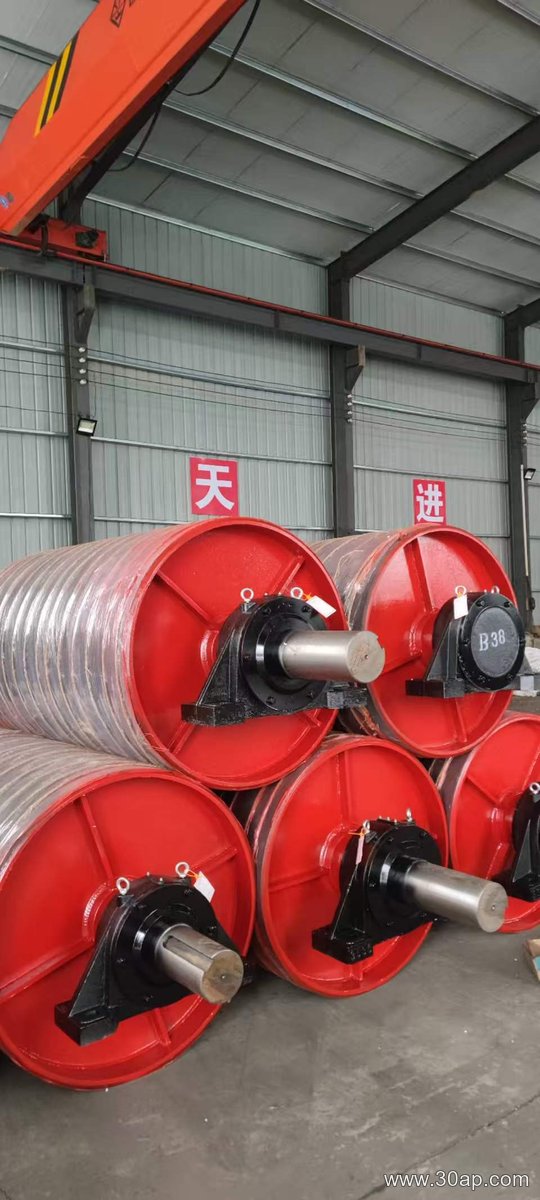
It depends on belt path geometry, not just the pulley itself. For a hypothetical line with 500 mm clear headroom above the belt, a 630 mm diameter conveyor pulley will not fit without moving the take-up or reducing the pulley size. Check three things: belt wrap angle, take-up travel, and minimum clearance for lagging and fasteners.
How to check a 630mm diameter conveyor pulley against a headroom limit
Assume belt width 800 mm, pulley face 900 mm, and 12 mm rubber lagging. The pulley outside diameter becomes 630 + 2×12 = 654 mm. If the belt runs over the top, the pulley top reaches 654 mm above the shaft centerline. With only 500 mm clear above the belt line, the shaft centerline must sit below the belt by at least 154 mm, which is impossible in a straight horizontal path. The practical fix is a smaller pulley or a raised structure.
What trade-offs matter for a large-diameter conveyor pulley
- Larger diameter reduces belt bending stress and improves grip, but raises headroom and cost.
- Lagged surfaces add 10–20 mm to the outside diameter, changing clearance.
- Take-up travel of 300–500 mm is common in general manufacturing lines and must be added to the layout.
For this hypothetical project, select a 500 mm diameter conveyor pulley with 10 mm lagging instead. Verify wrap angle, shaft deflection, and bearing life before ordering.
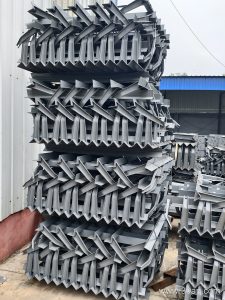
When the mounting envelope fixes the conveyor bracket choice
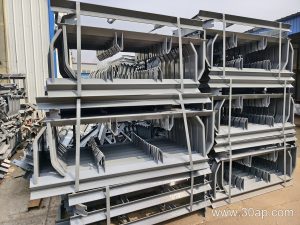
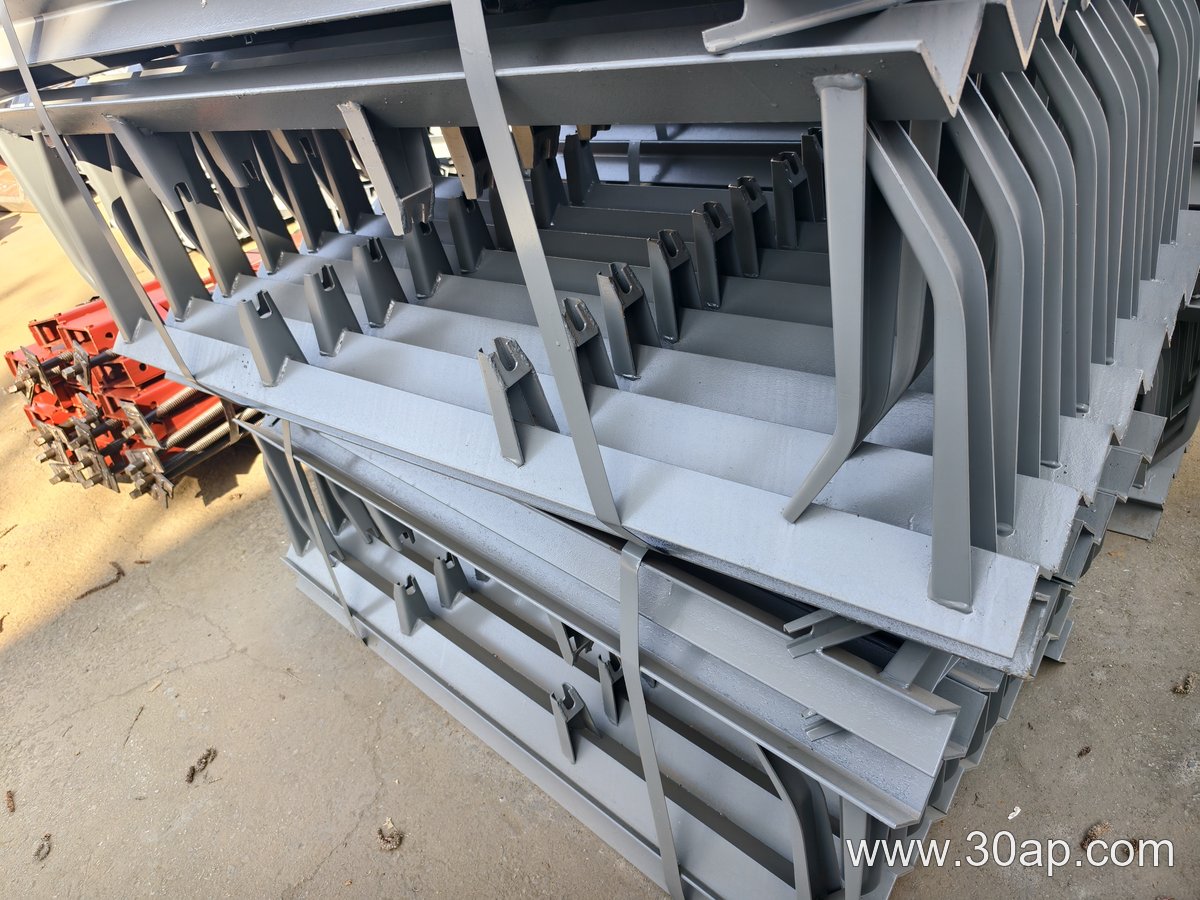
Assume a hypothetical cement plant where each conveyor bracket must fit a 250 mm clear space between the stringer web and the belt line. That single dimensional constraint eliminates many catalogue brackets before load rating is even checked.
Checks that follow the 250 mm limit
- Measure the bracket’s total height, including bolt heads and any shim stack.
- Confirm the idler drop-in path clears the adjacent stringer.
- Verify that a shorter bracket still reaches the required trough angle.
If a standard conveyor bracket is too tall, a fabricated low-profile version may work, but the reduced lever arm changes bolt loading and should be reviewed by the responsible engineer.