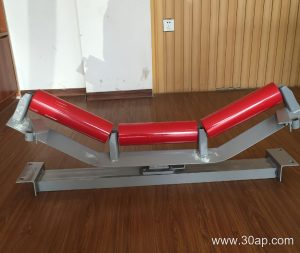
How Does an Idler Roller Resist Abrasive Dust in a Quarry Without Frequent Replacement?
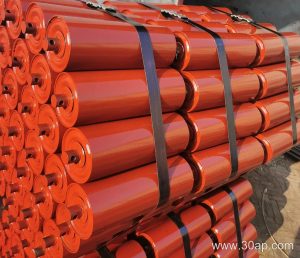
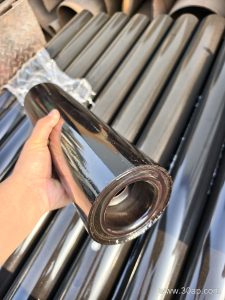
In a dusty quarry, an idler roller faces constant grit. The key capability is abrasion resistance, achieved through a hardened shell and effective seals. A typical design trade-off is between a thick shell for wear life and a lighter shell for lower belt load.
Consider two idler roller options: a standard steel shell and a polymer-shell roller. The steel shell resists impact but can wear through; the polymer shell resists sliding abrasion and does not corrode, but may deform under high heat. For a quarry, a steel shell with a sacrificial wear ring or a thick-walled polymer shell often works best.
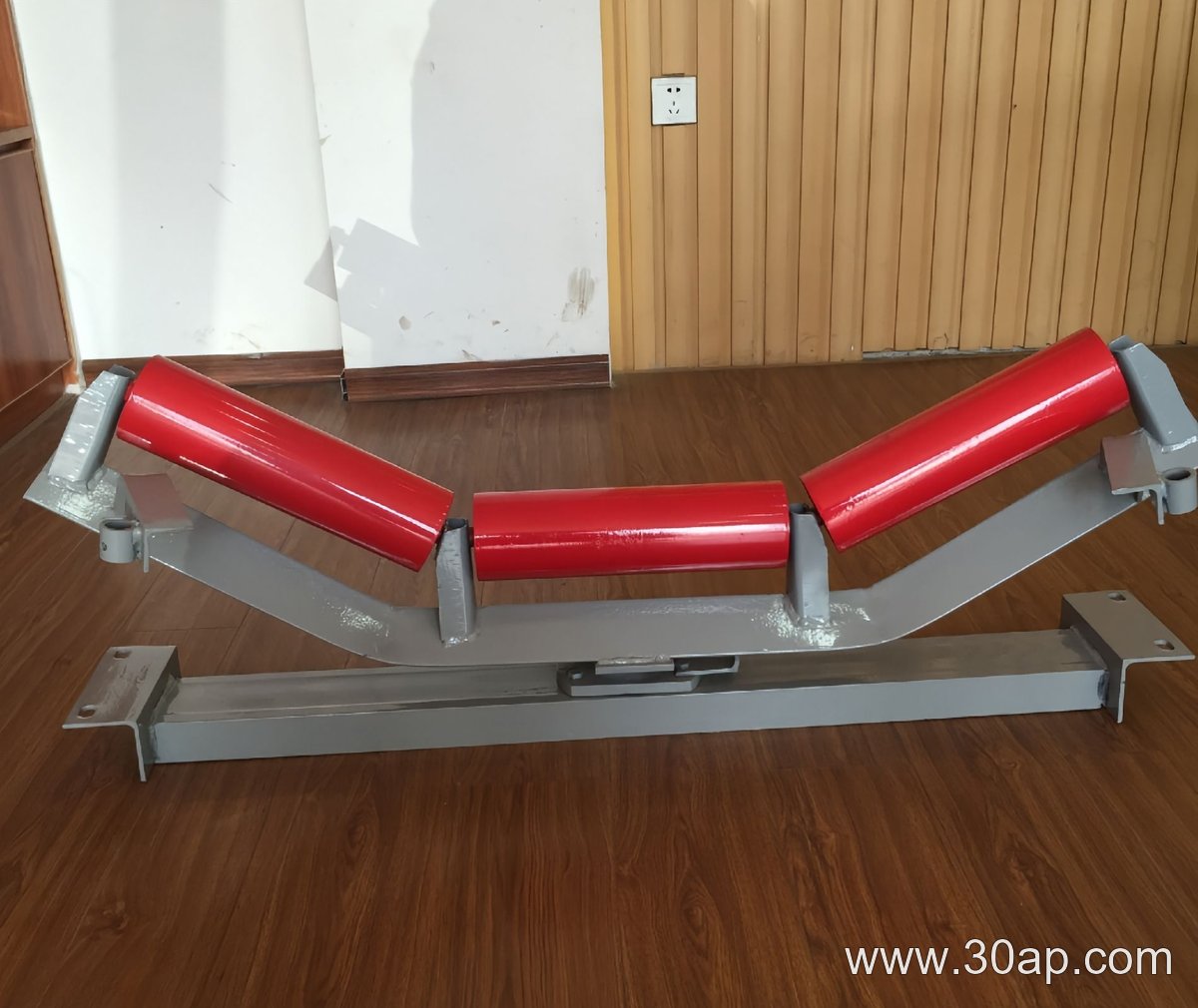
Sealing is equally important. A labyrinth seal with a contact lip keeps dust out of the bearing, while a simple gap seal lets grit in. The idler roller’s bearing housing should be greased for life to avoid daily maintenance.
Ultimately, abrasion resistance comes from material hardness, seal integrity, and shell thickness. Match these to the quarry’s dust size and load, and the idler roller will last longer between replacements.
Why Material Choice Decides Conveyor Pulley Life in Mineral Processing
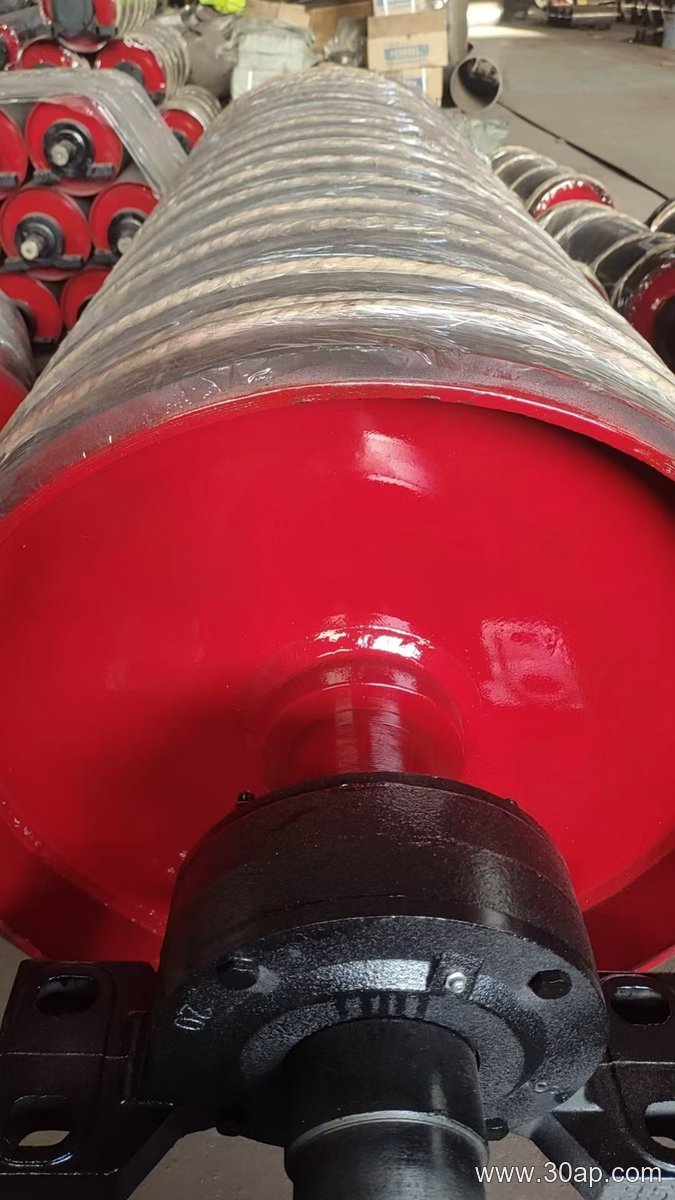
A common misconception is that any steel shell with rubber lagging will survive a mineral-processing plant. In reality, the conveyor pulley sits where abrasive ore, moisture and torque meet, so shell steel, shaft alloy and lagging compound must be matched to duty rather than copied from a parts list.
Shell and Shaft Materials and Their Trade-offs
Fabricated shells commonly use carbon steel such as a weldable structural grade, which balances cost, stiffness and repairability. Higher-strength low-alloy steel allows a thinner shell for the same load, reducing weight but demanding tighter welding control. Shafts often use medium-carbon or alloy steel, heat treated for fatigue resistance; a softer shaft machines easily but may tolerate less misalignment.
Lagging Compounds and Wear Conditions
- Plain rubber lagging grips well and runs quietly, but abrasive slurries can polish or tear it.
- Grooved rubber sheds water and fines, yet grooves can pack with sticky ore.
- Ceramic or composite lagging resists abrasion, but costs more and can damage a soft belt.
In a hypothetical copper concentrator, a pulley on a wet, abrasive transfer might use an alloy shaft, a carbon steel shell with wear strips, and grooved rubber lagging, accepting shorter lagging life in exchange for belt protection. The right combination depends on belt tension, particle shape and maintenance access, not on a single premium material.
Choosing steel for a conveyor bracket in hot clinker service
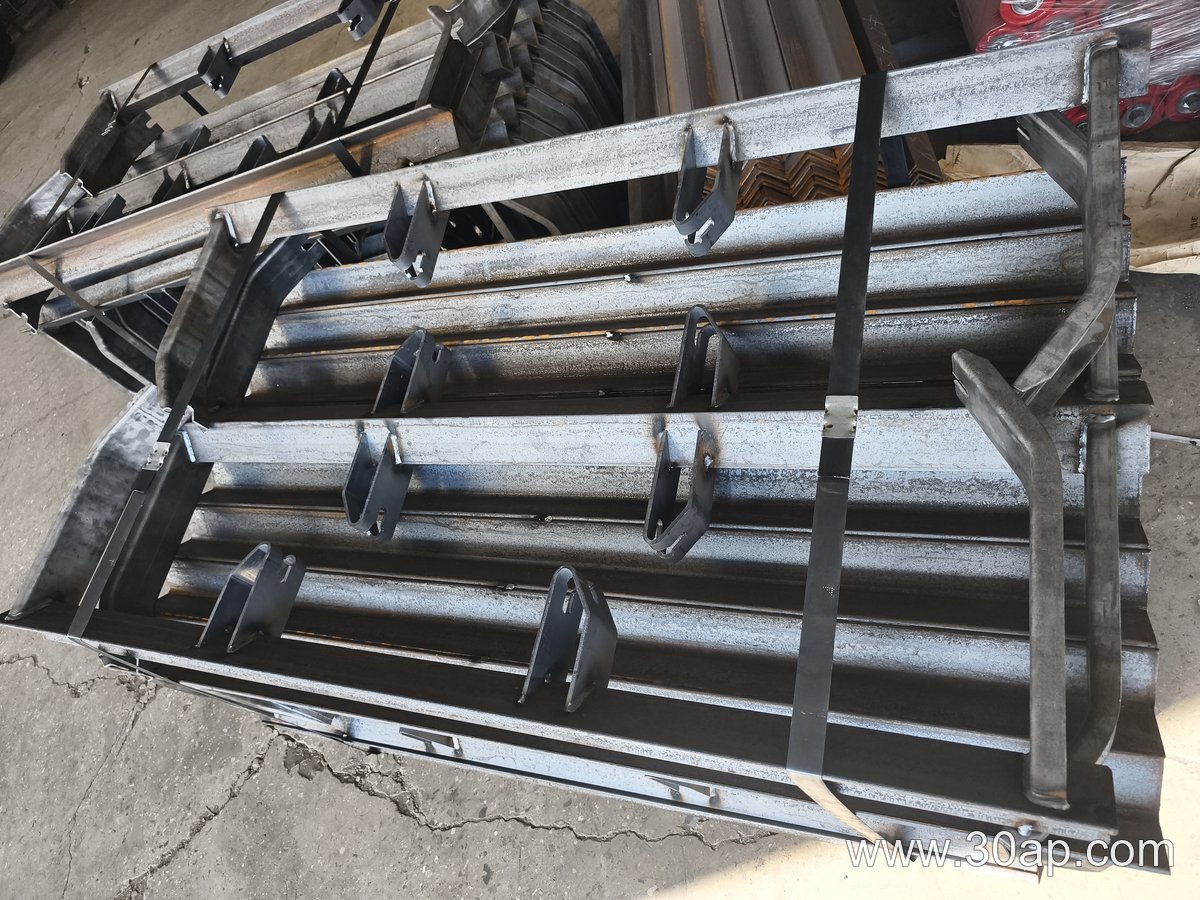
A conveyor bracket near a clinker cooler faces heat, abrasion and mildly alkaline dust, so material choice is a trade-off among cost, weldability and heat resistance rather than a single best grade.
Common material options
- Mild steel: cheap and easy to weld, but loses strength above moderate temperatures and corrodes in damp dust.
- Weathering steel: better atmospheric corrosion resistance, though it still needs coating in alkaline contact.
- Low-alloy heat-resistant steel: retains strength where clinker radiant heat is persistent, at higher cost and tighter welding control.
- Stainless grades: strong corrosion resistance, but costly and prone to distortion under repeated thermal cycling.
Verify actual temperature and dust chemistry before selecting a grade, and confirm weld procedures with the fabricator.