What Drives Conveyor Pulley Cost in a Mineral Processing Plant
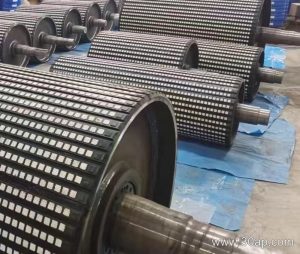
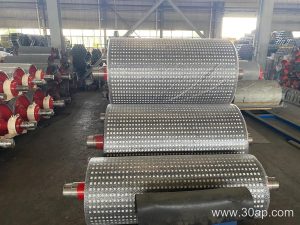
Specifying a conveyor pulley involves a trade-off between strength and spend. A larger shell diameter or thicker wall raises mass and material use, while a high-alloy shaft adds machining time. In a mineral-processing plant, abrasive ore often justifies better steel, but that choice raises the conveyor pulley cost.
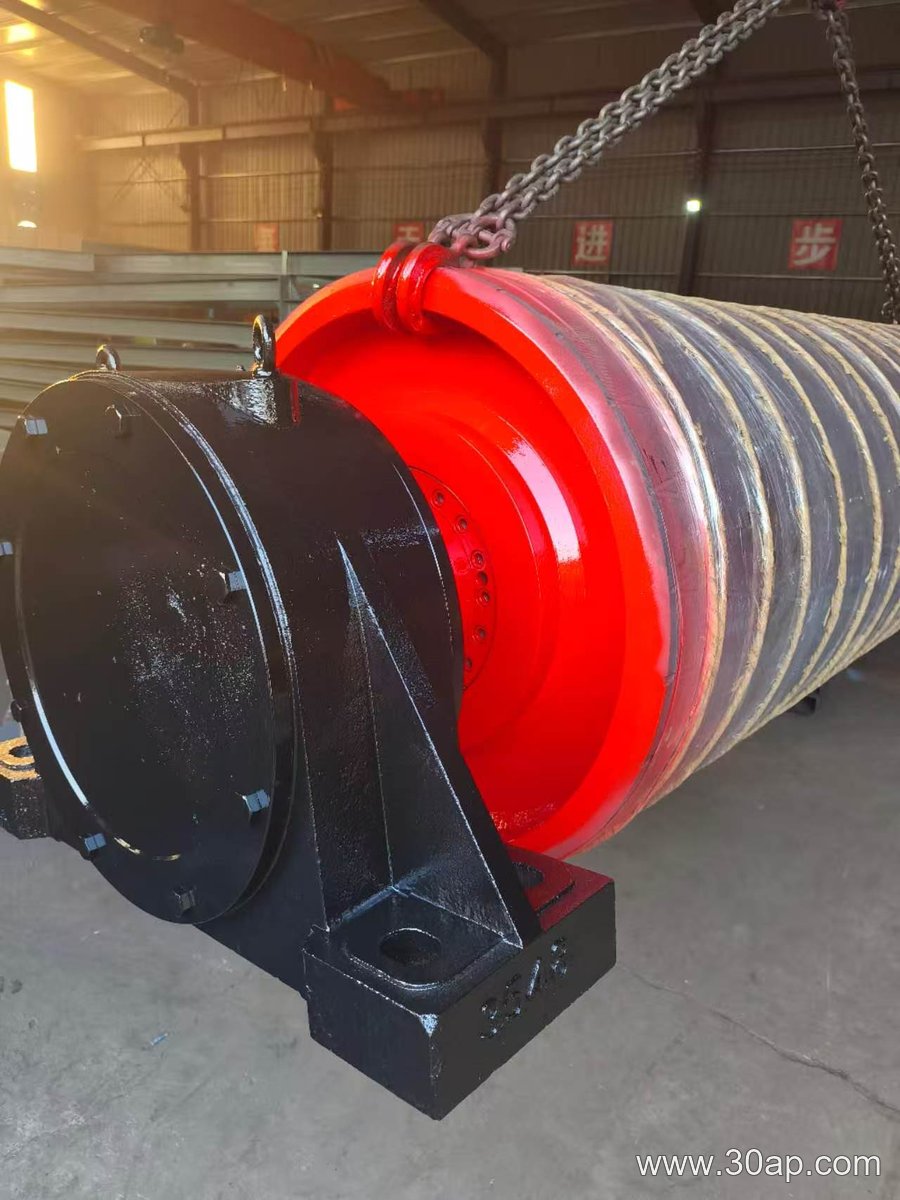
Materials, Dimensions, Manufacturing and Freight
- Material grade: mild steel costs less than alloy or stainless, but wears faster in abrasive service.
- Dimensions: larger diameter, face length and shaft size increase raw material and handling weight.
- Manufacturing: welding, machining, balancing and lagging add labor and equipment time.
- Freight: heavier or oversized units raise transport charges, especially over long distances.
Accurate drawings and a clear duty profile help suppliers quote without padding, keeping the conveyor pulley cost aligned with actual service needs.
Why Alignment Matters for a Reversing Conveyor Bracket
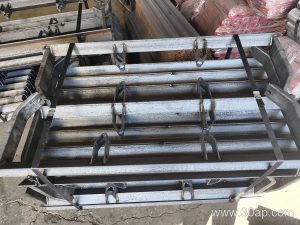
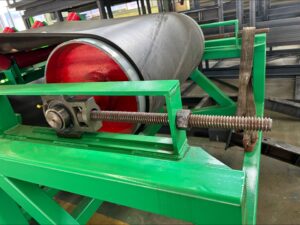
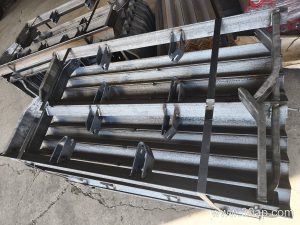
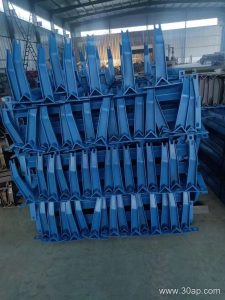
A self-aligning conveyor bracket uses a pivoting mount to let the idler follow belt tracking. On reversing belts, a fixed bracket often fights the belt, causing edge wear.
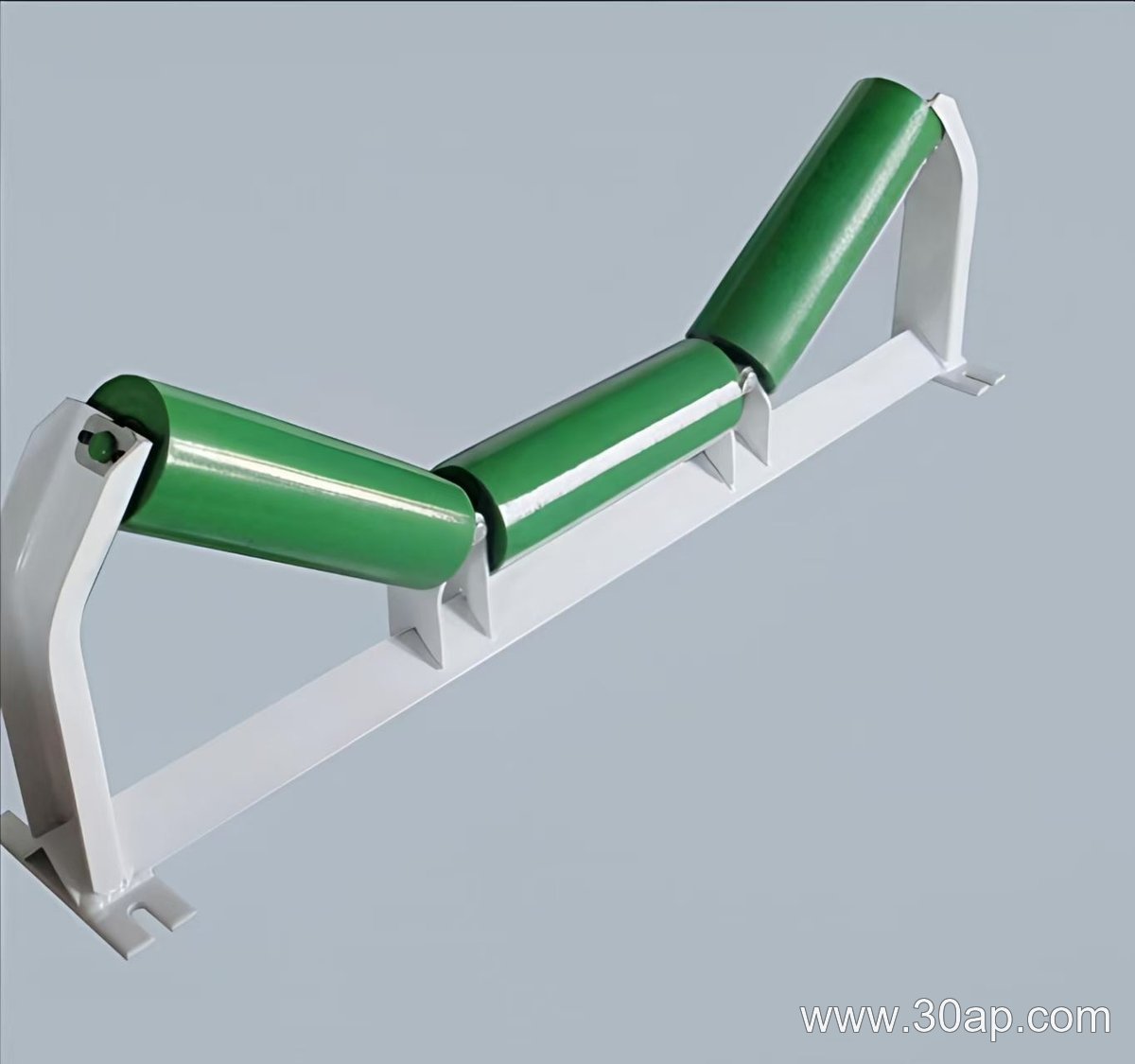
Trade-offs to Check
- Added pivot points require lubrication and dust seals.
- Rigid welded brackets cost less but demand precise installation.
- Hypothetical example: a 600 mm belt reversing twice per shift may justify the self-aligning type.
Match the bracket to duty, not fashion.
Preparing Specifications for a Conveyor Belt Purchase from China
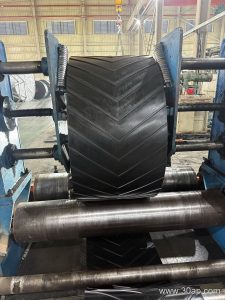
Start with duty, not price: state the material, lump size, belt width, speed and incline. Then specify the carcass, cover grade, splice type and required documentation.
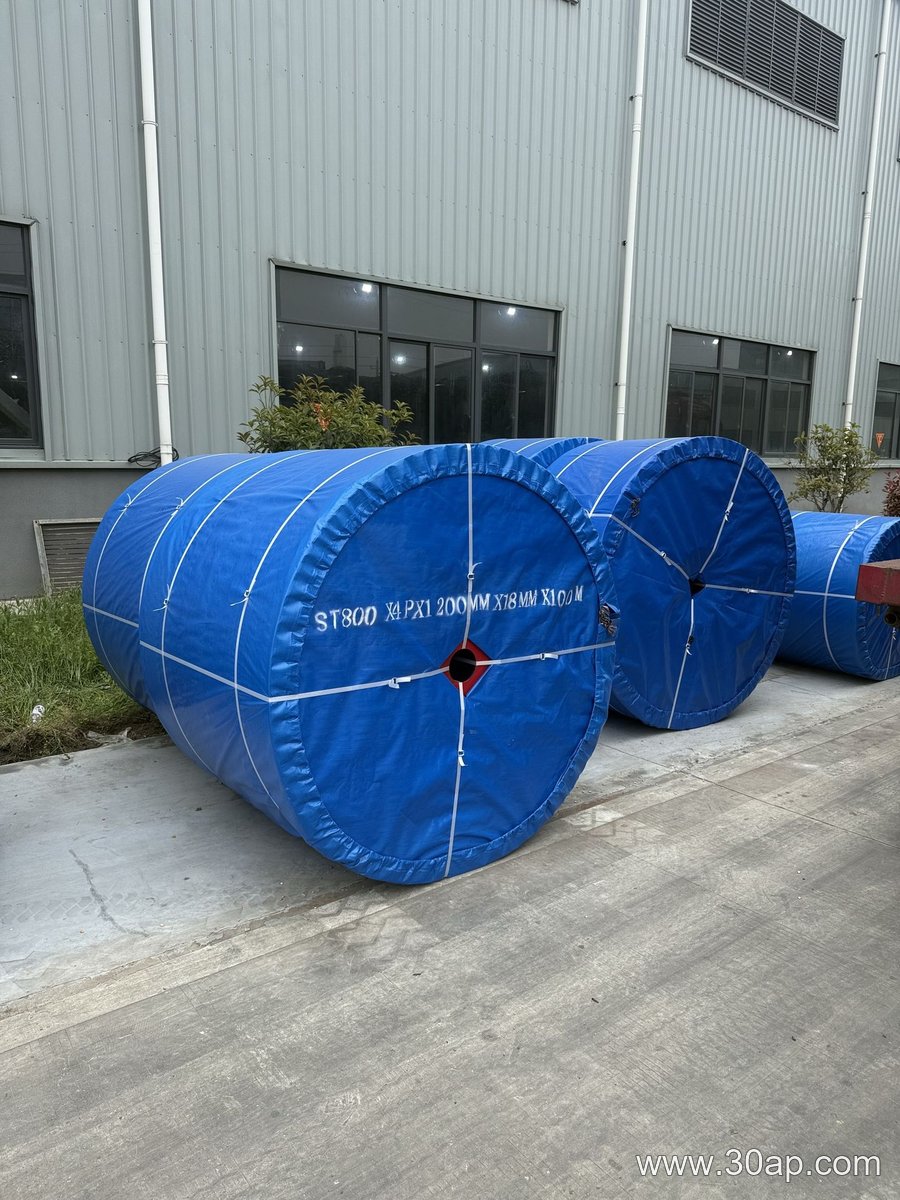
- Define the conveyor belt’s tensile strength and number of plies.
- State top and bottom cover thickness and abrasion grade.
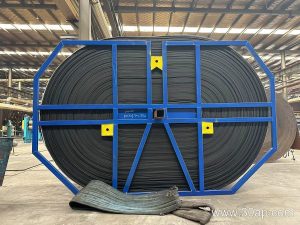
- Require edge construction, roll length and tolerances.
Evaluating a Chinese Conveyor Belt Supplier
Ask for test reports, sample splices and references. Confirm who owns the rubber compound and whether the conveyor belt is made in-house or traded.
How Does a 500 mm Belt Width Limit Idler Roller Selection?
In a hypothetical mineral processing plant, a 500 mm conveyor belt width is the single meaningful dimensional constraint. The idler roller must match this width to support the belt without overhang. For a 500 mm belt, a roller shell length of 600 mm is typical, accommodating belt misalignment. This length directly affects load capacity and bearing life. The selection also depends on the material’s bulk density, which for a typical ore is assumed 2.0 t/m³. With a 500 mm belt and 600 mm roller, the idler roller spacing must be calculated to limit sag. Assuming a 1% maximum sag and a belt tension of 10 kN, a spacing of 1.2 m is a starting point. These values are illustrative and must be verified for the actual project.
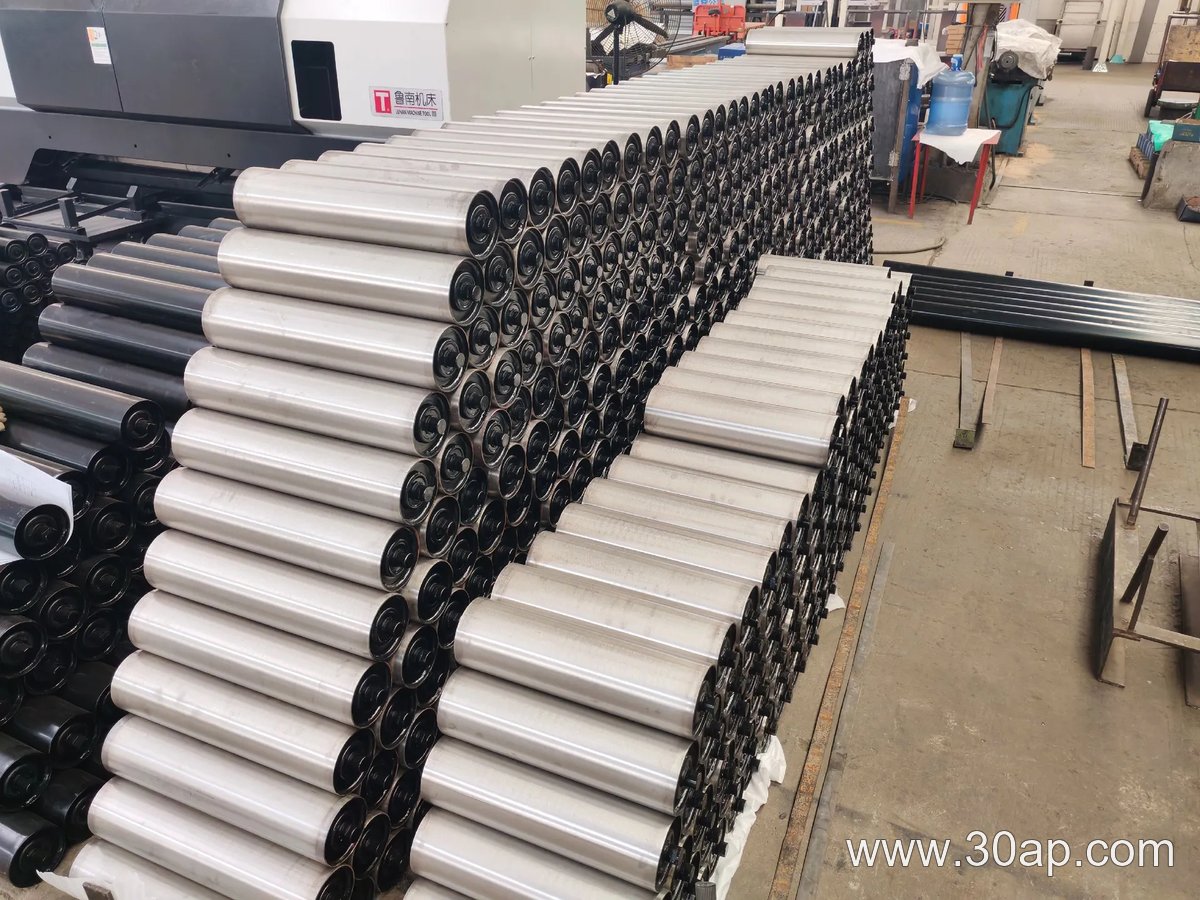
Key Checks for This Constraint
- Confirm roller diameter: a larger diameter reduces rotation speed and wear, but must fit the bracket.
- Verify load rating: the idler roller must handle the weight of the belt and material per spacing.
- Check sealing: mineral dust requires labyrinth or contact seals to protect bearings.
Always validate with the conveyor designer and manufacturer data.