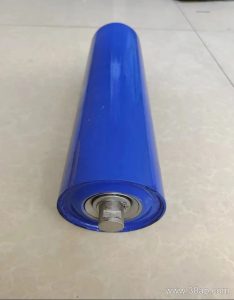
Selecting a Conveyor Pulley for Harsh Cement Plant Environments
Choosing a conveyor pulley requires a systematic evaluation of material properties, operating speed, ambient temperature, and load conditions. In heavy industries like cement manufacturing, improper selection leads to premature shell fatigue or lagging failure. Engineers must analyze these mechanical variables before finalizing component geometry.
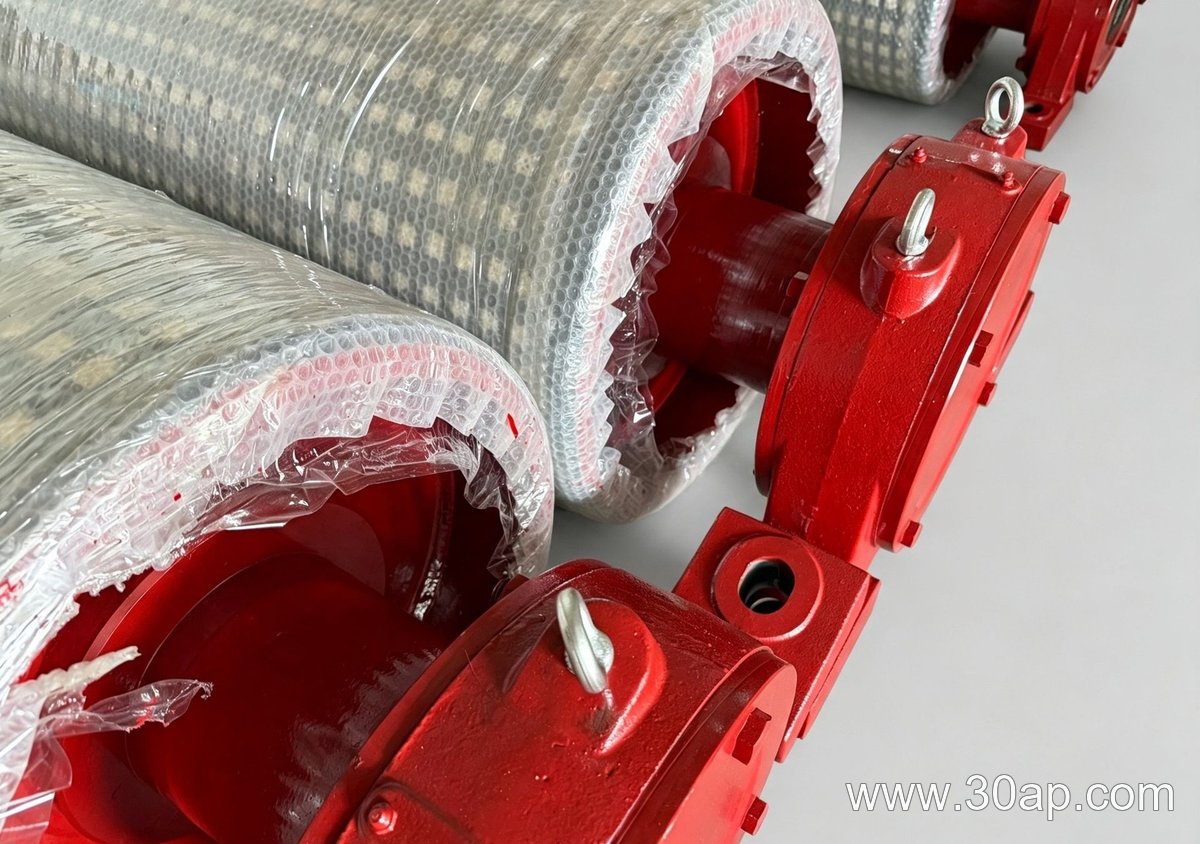
Key Decision Parameters
- Material compatibility: Matching shell and shaft steel grades to abrasive clinker impact.
- Speed and tension: Calculating belt velocity limits to prevent dynamic slippage.
- Thermal limits: Assessing ambient heat near kiln feeds to specify appropriate elastomer lagging.
Fixed Versus Adjustable Conveyor Bracket Options
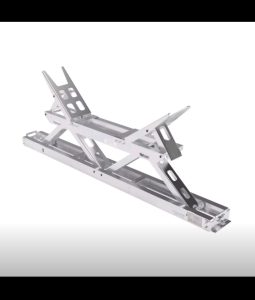
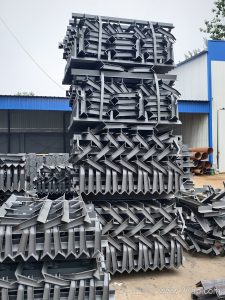
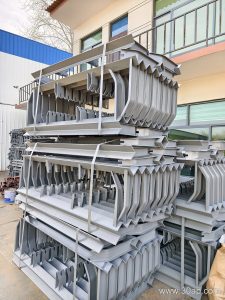
Choosing the right conveyor bracket for a cement plant transport line requires balancing stability against maintenance flexibility. A fixed conveyor bracket offers rigid, welded structural support that withstands heavy continuous clinker loads without shifting. However, it lacks post-installation alignment capabilities.
Conversely, an adjustable conveyor bracket features slotted mounting holes that permit fine-tuning of belt tracking. While this simplifies commissioning, constant vibration can loosen bolted joints if not properly torqued.
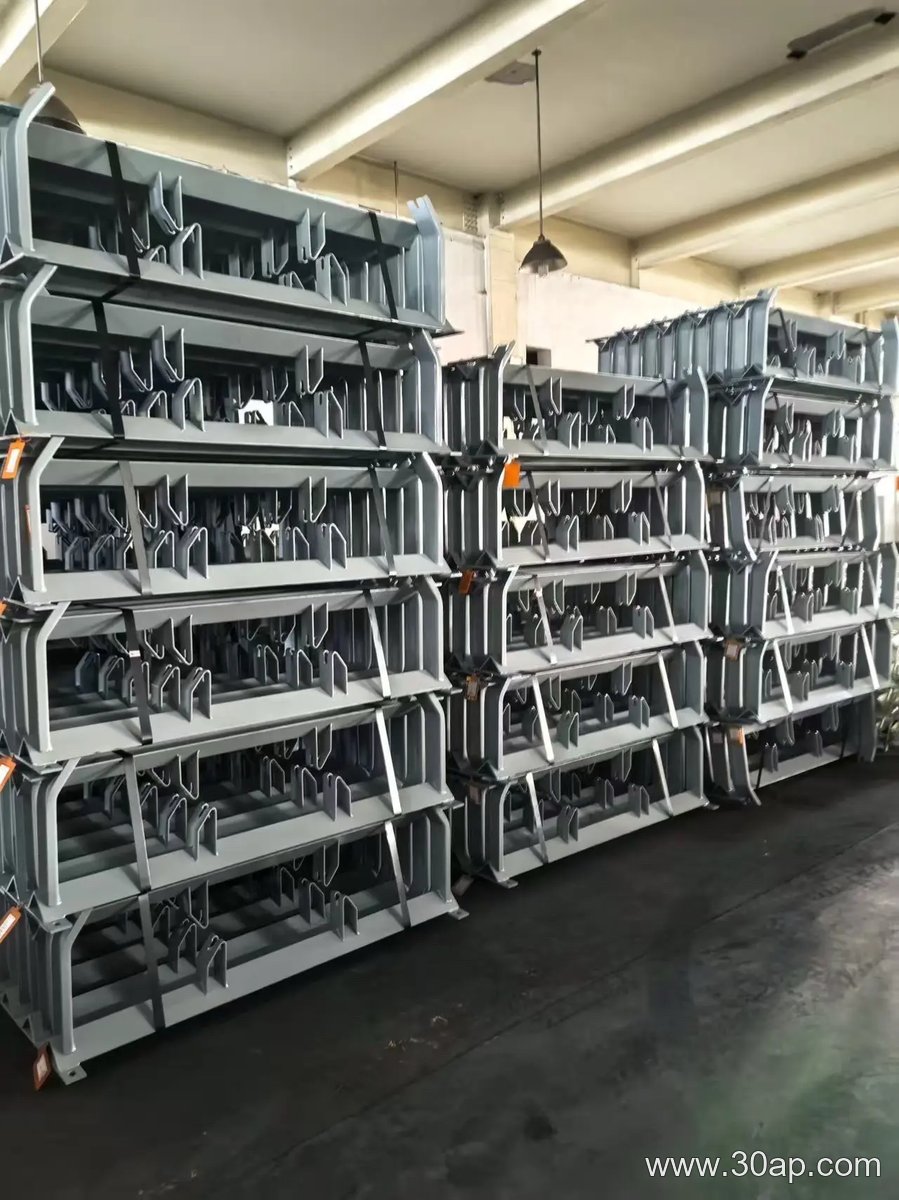
- Fixed conveyor bracket: High rigidity, zero slip under impact, difficult to realign.
- Adjustable conveyor bracket: Fast alignment adjustments, prone to loosening under severe vibration.
Plant engineers select a fixed conveyor bracket for high-impact drop zones and an adjustable conveyor bracket along long, straight galleries where minor tracking corrections are necessary.
Identifying the Root Cause of Longitudinal Tearing on a Cement Plant Conveyor Belt
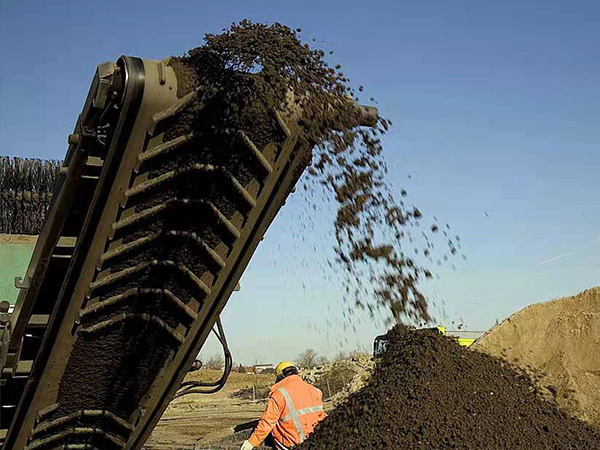
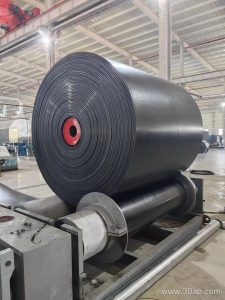
A cement plant conveyor belt running underneath a primary jaw crusher often suffers from catastrophic longitudinal tearing caused by sharp tramp iron puncturing the carcass. This failure occurs when heavy steel fragments wedge between the impact idlers and the bottom cover.
- Inspect the primary magnetic separator for reduced field strength or incorrect suspension height.
- Verify that impact idler spacing under the loading zone adequately absorbs high-mass clinker shock.
- Check the skirtboard rubber pressure to ensure trapped debris does not force mechanical punctures into the belt core.
Isolating Eccentric Vibration in the System
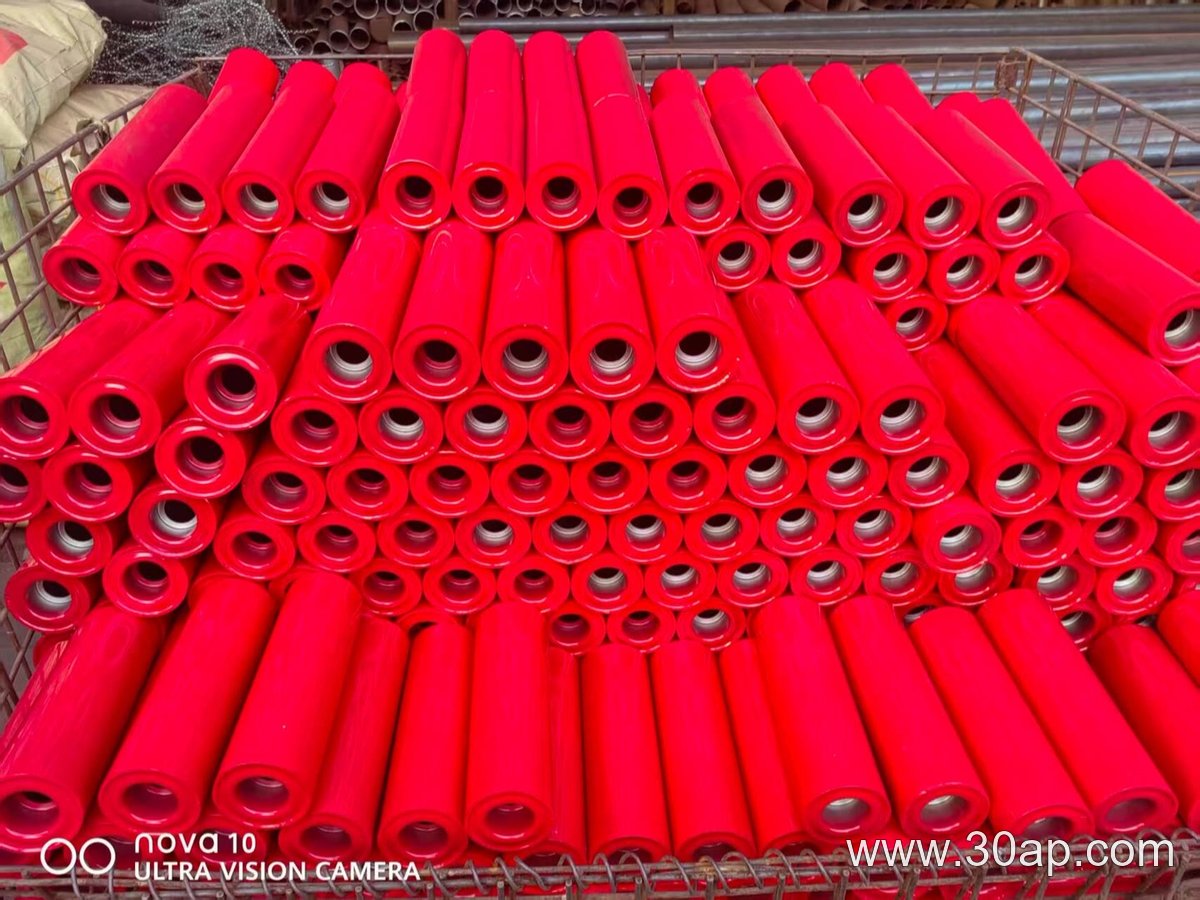
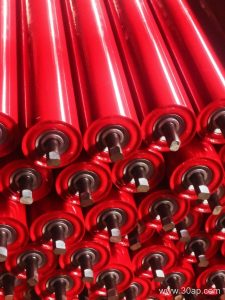
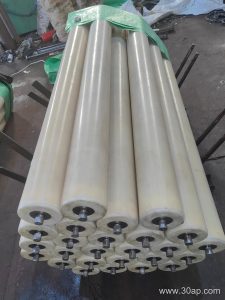
When an idler roller develops a rhythmic knocking sound accompanied by frame vibration on a general manufacturing line, technicians should immediately inspect the shell symmetry. An asymmetrical buildup of fugitive material or a slightly distorted steel tube disrupts the rotational balance. To diagnose this, shut down the line, clean the outer cylinder completely, and spin the idler roller by hand while checking for radial runout with a dial indicator. If the measured deflection exceeds acceptable tolerances, immediate replacement prevents premature fatigue cracking in the surrounding mounting brackets.