Navigating the Idler Roller Decision Path
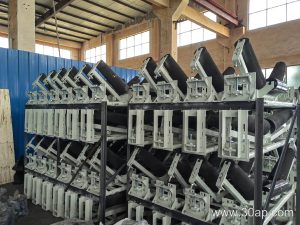
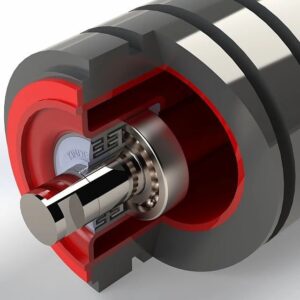
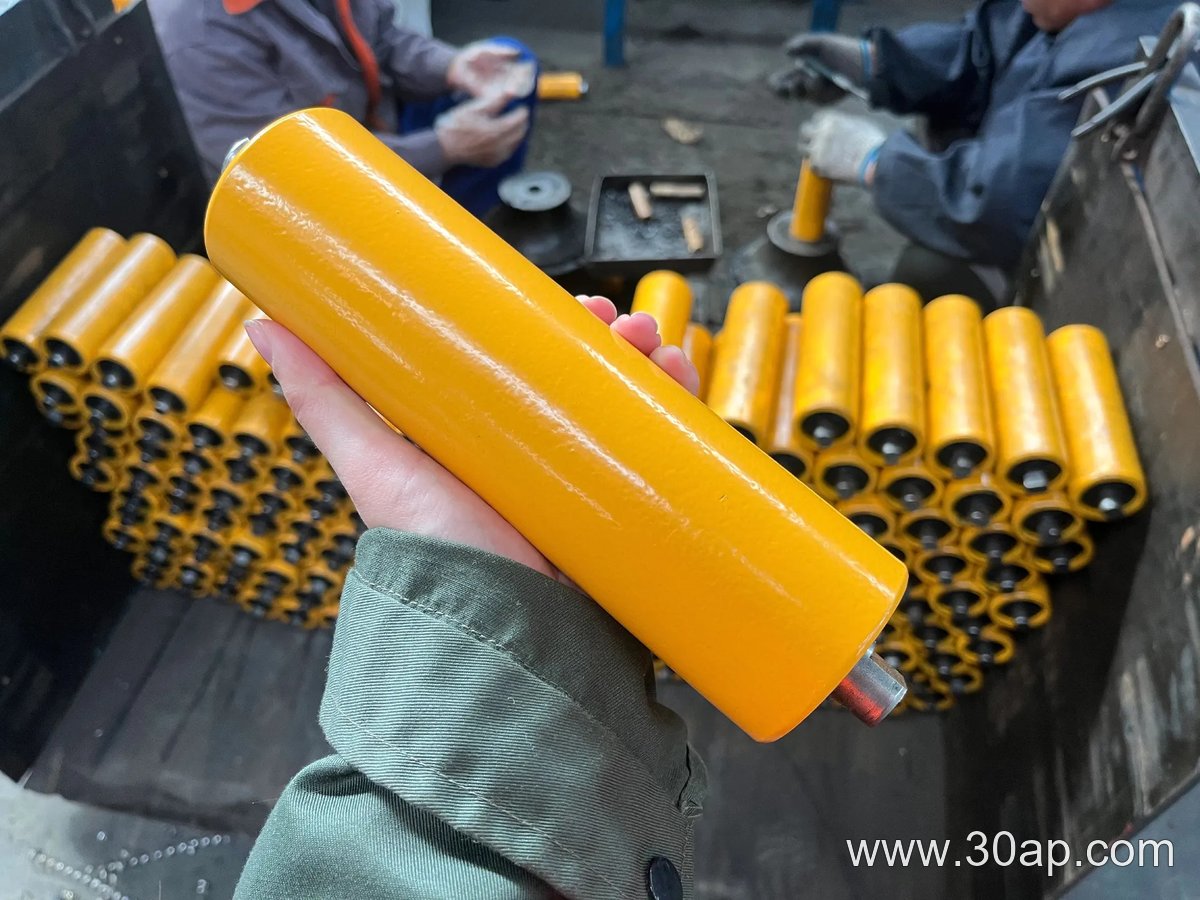
Selecting an optimal idler roller requires a systematic review of environmental and mechanical demands. Engineers must evaluate shell material hardness against abrasive bulk goods, match rotational speeds to bearing tolerances, and verify that grease packages withstand ambient thermal limits. At a bulk-material port terminal, high humidity and corrosive salt spray further dictate whether carbon steel or specialized coatings are necessary to prevent premature structural degradation.
Evaluating Material and Speed Parameters
The operational environment dictates the baseline mechanical configuration of every idler roller:
- Assess conveyed load abrasiveness to determine if standard carbon steel or high-density polymer shells suit the service life requirements.
- Calculate belt velocity limits to ensure internal bearing assemblies avoid excessive centrifugal heating and vibration.
- Factor in maximum and minimum temperature ranges to select compatible sealing elements and specialized lubricating greases.
Material Trade-Offs in Port Terminal Conveyor Pulley Procurement
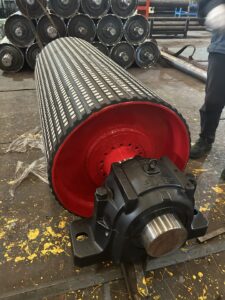
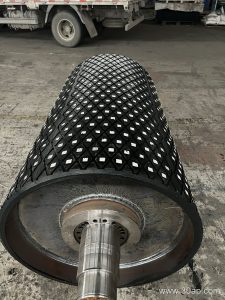
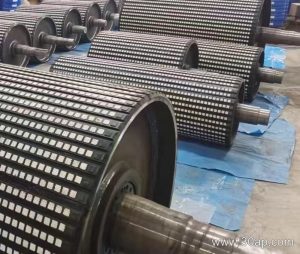
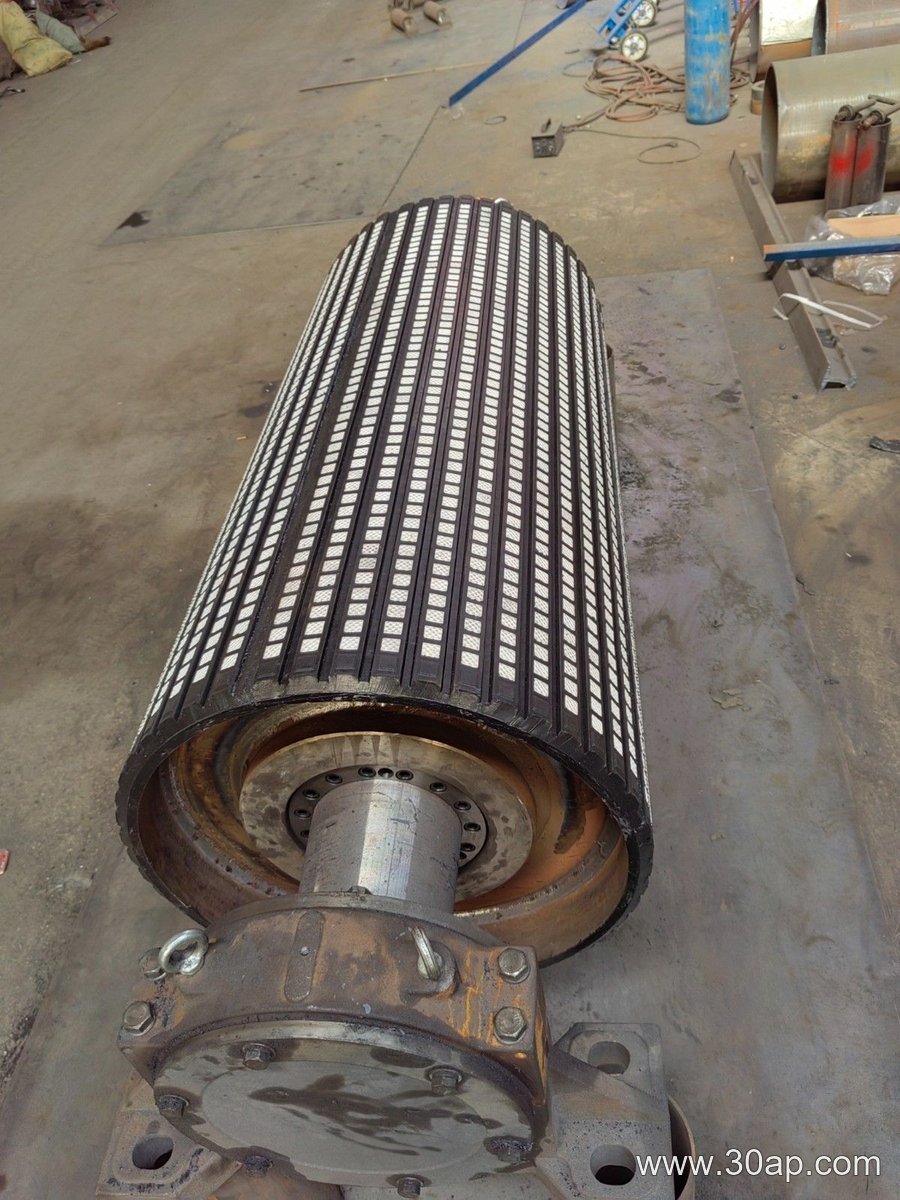
Procuring a conveyor pulley for a bulk-material port terminal requires evaluating carbon steel against stainless steel. Carbon steel provides high yield strength and lower initial purchasing costs, making it ideal for heavy-load structural shells under dry conditions. However, marine salt air accelerates corrosion, which can degrade structural integrity over time.
Balancing Application Fit and Upfront Purchasing Expenses
Selecting stainless steel mitigates salt-induced corrosion but increases raw material expenses substantially. Procurement engineers must weigh the long-term corrosion resistance against budget limits to optimize total lifecycle costs without compromising mechanical performance under high belt tensions.
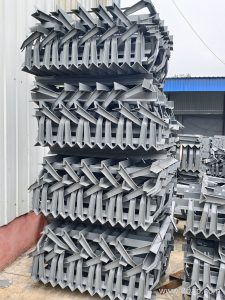
Choosing Materials for Port Terminal Conveyor Brackets
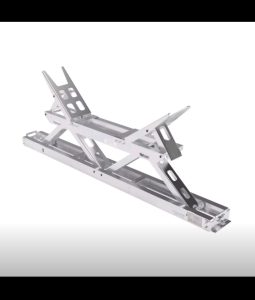
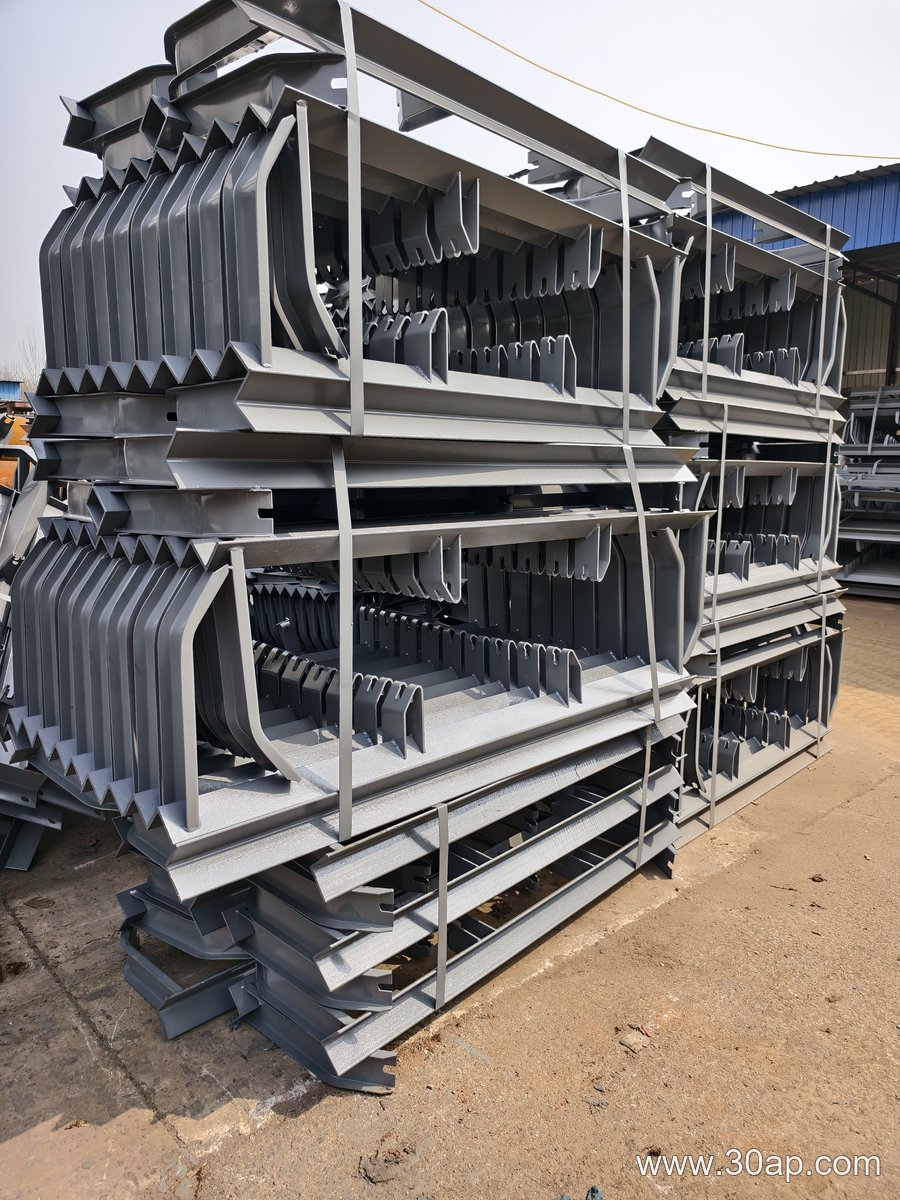
Procuring a conveyor bracket for a bulk-material port terminal requires balancing structural integrity against corrosive marine exposure. Purchasing managers must weigh initial acquisition budgets against long-term maintenance overhead when specifying metal grades.
Comparing Carbon Steel and Stainless Options
- Structural carbon steel offers high load capacity and lower upfront material costs, but demands protective coatings to prevent rust.
- Austenitic stainless steel resists salt-air corrosion effectively, though it significantly increases the conveyor bracket price per unit.
Evaluating the trade-off between application fit and purchasing cost ensures optimal lifecycle value for severe coastal environments.
The Role of an 1800mm Wide Conveyor Belt in Bulk Terminals
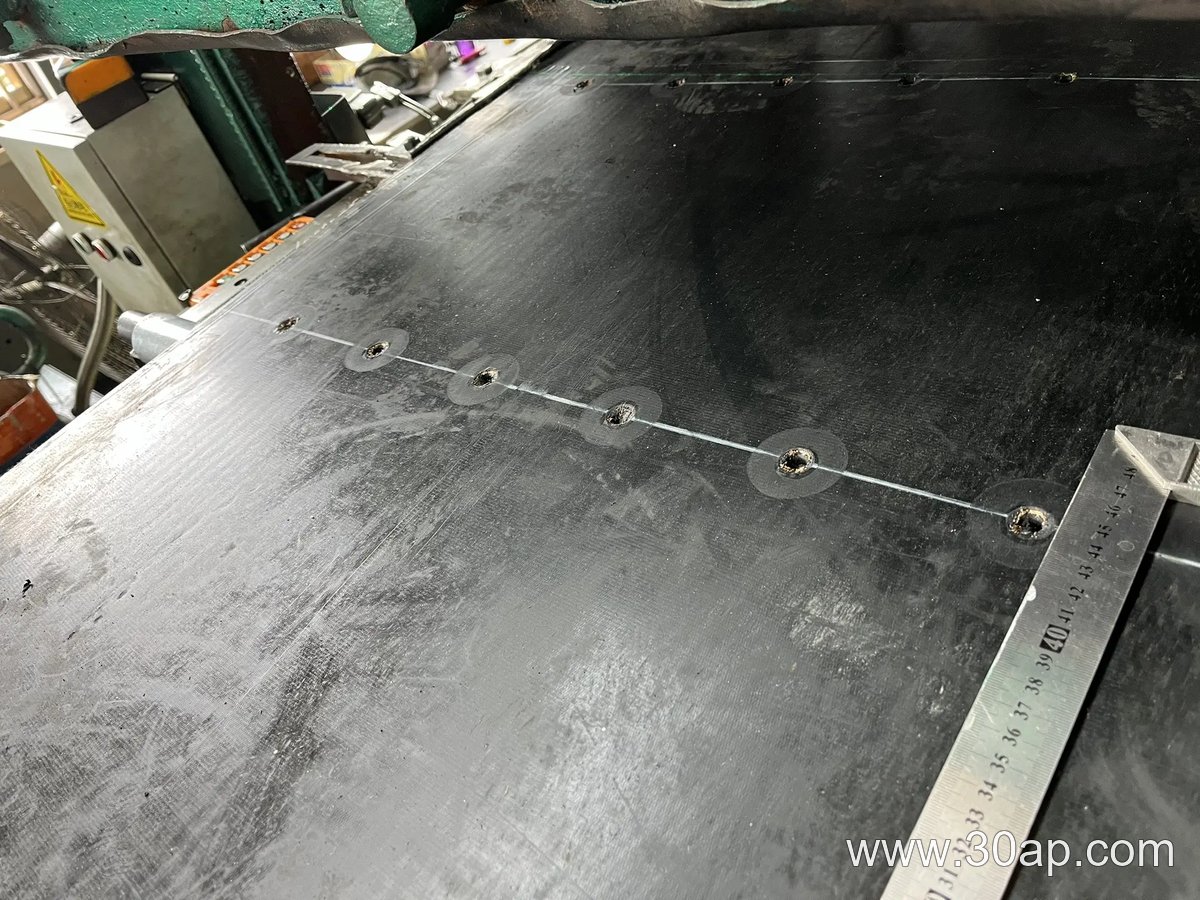
At a high-volume bulk-material port terminal, an 1800mm wide conveyor belt handles thousands of tons of iron ore or coal per hour. This generous width prevents material spill and supports high throughput rates from ship unloaders to storage yards.
Construction and Material Features
The heavy-duty carcass typically combines high-tensile steel cords with resilient rubber covers designed to resist gouging, tearing, and UV degradation from outdoor exposure.
- High transversal rigidity for stable troughing profiles
- Abrasion-resistant top covers for coarse aggregate impact
- Low-stretch longitudinal steel cables for long-distance runs