Moving Parts on a General Manufacturing Line
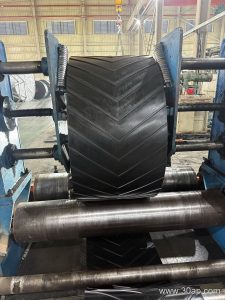
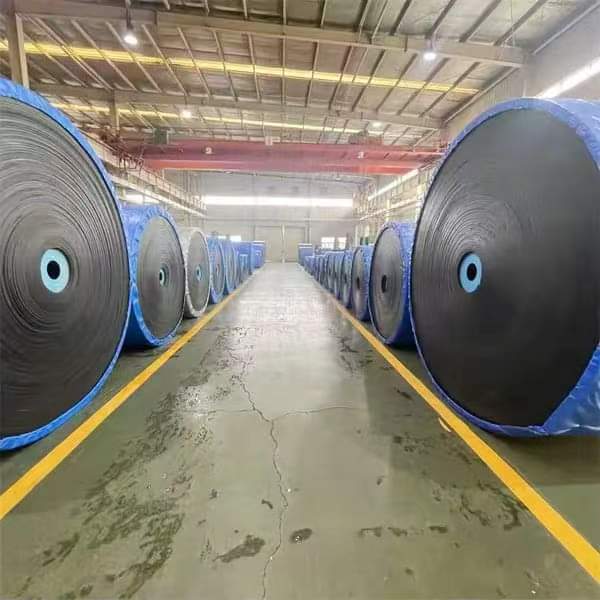
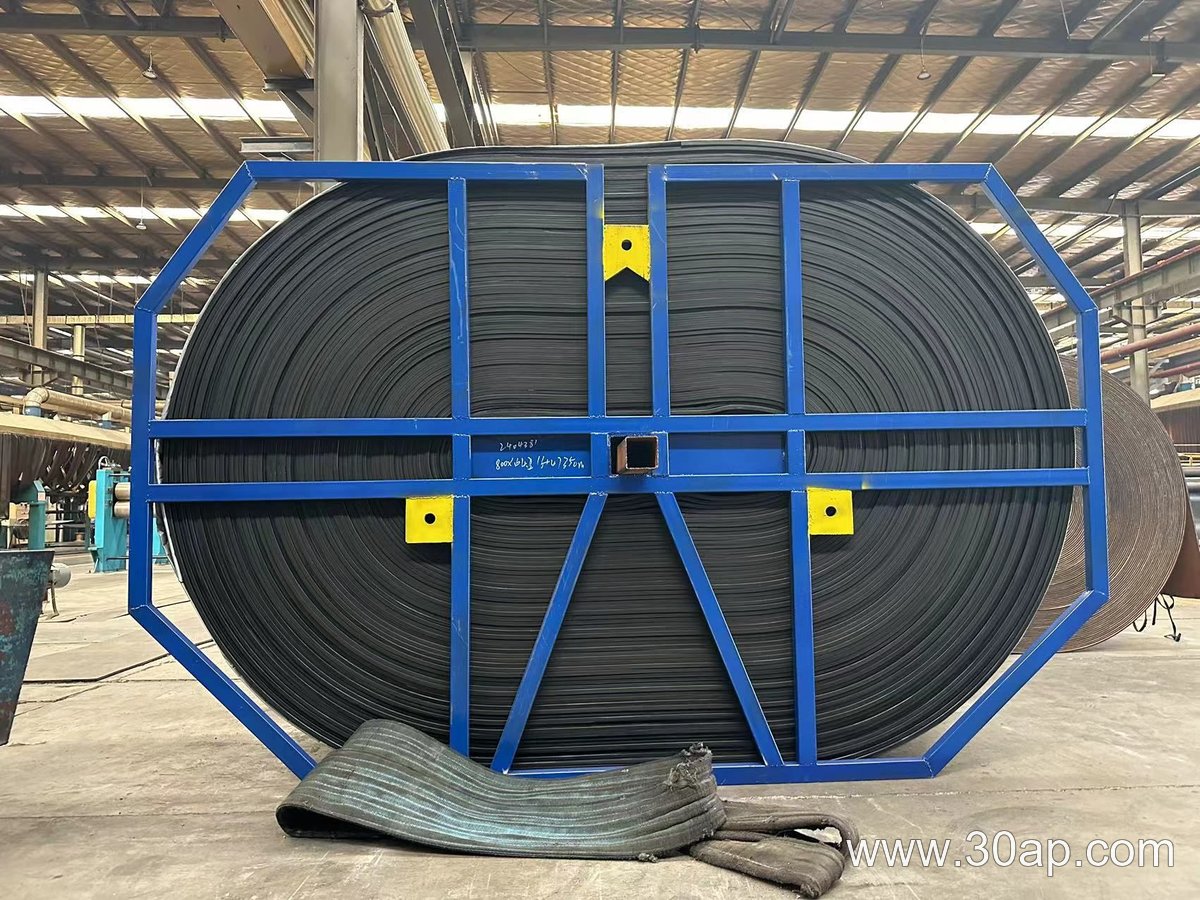
On a general manufacturing line, a conveyor belt links stamping, assembly, and inspection stations. It carries parts at a steady pace, reducing manual handling between steps.
Typical Duties
- Transport small components between workstations
- Maintain a consistent feed rate for assembly
- Support light-duty, intermittent starts and stops
Choose a belt with a cover suited to the part weight and any oil or dust present. Proper tension and alignment keep the line running smoothly.
Why an Idler Roller Fails Early on a Mineral-Processing Conveyor
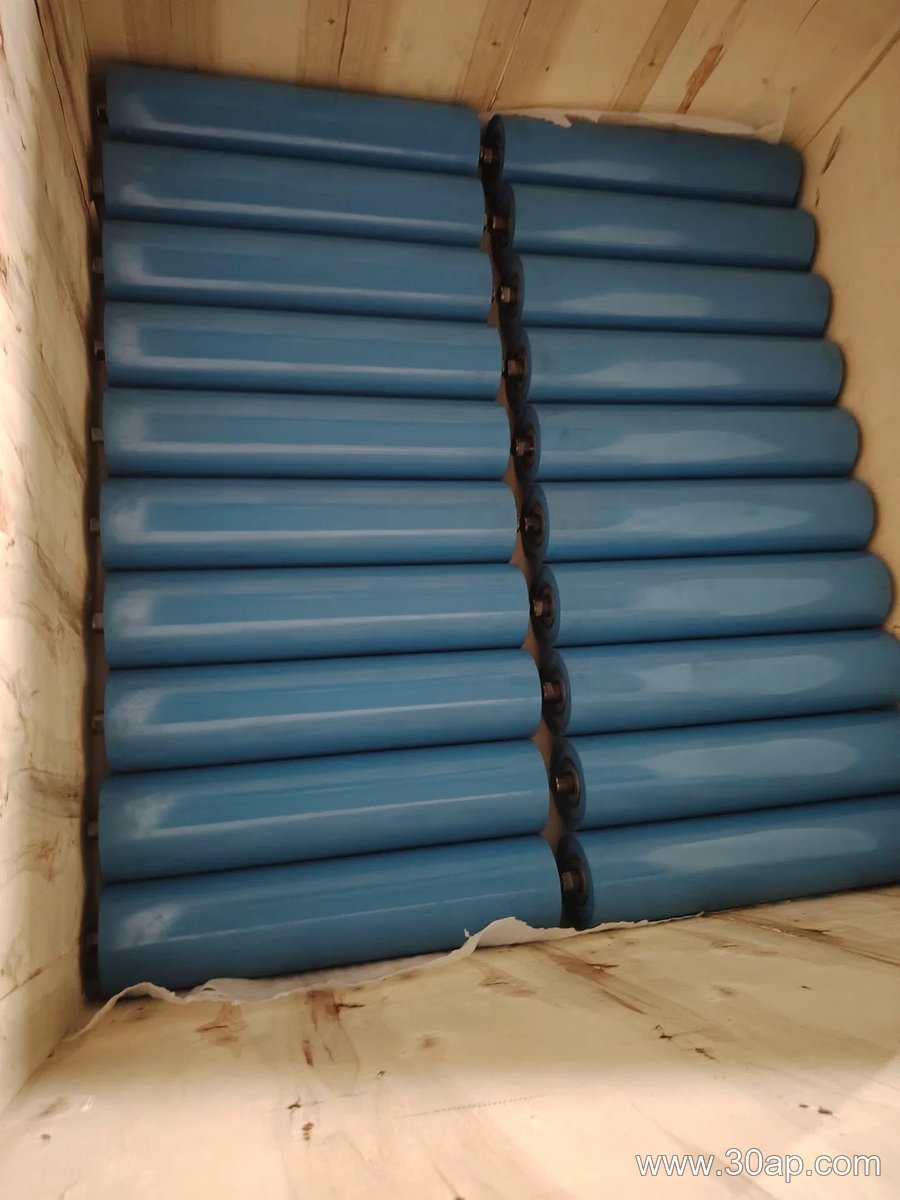
An idler roller rarely fails because it is weak. More often, it fails because the application was never matched to the roller. In a mineral-processing plant, a stopped idler roller is a symptom: the belt drags, heat builds, and the shell may wear through.
Common Causes
- Bearing seals that let in fine abrasive dust.
- A roll diameter too small for belt speed and load.
- Poor alignment that adds side load to the idler roller.
Integrating the Right Idler Roller
Select an idler roller with a sealed bearing arrangement, a shell thickness suited to the duty, and a diameter that keeps rotation slow enough for bearing life. Then correct alignment and check spacing so the belt shares load evenly. In a mineral-processing plant, this turns a recurring failure into a controllable maintenance item.
Reading Lagging Wear on a Quarry Conveyor Pulley
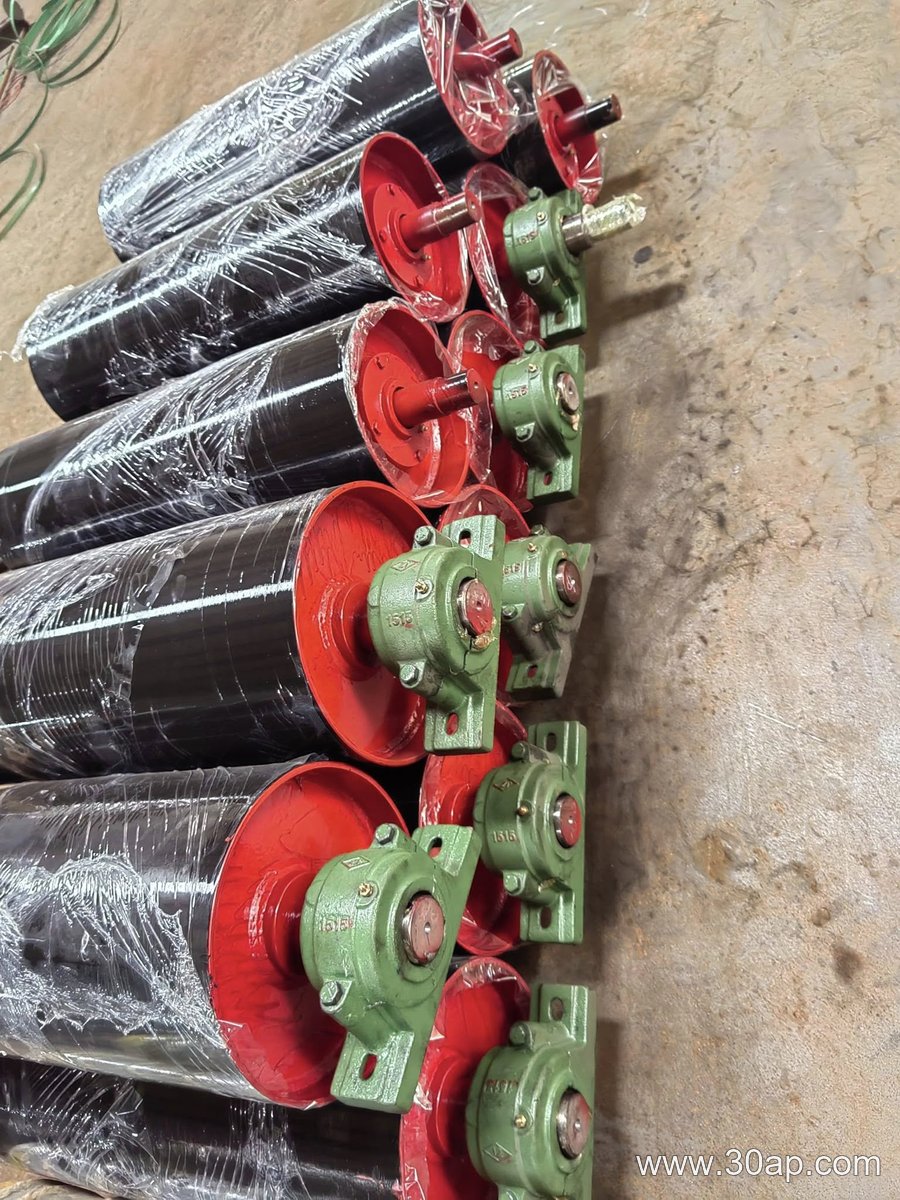
In a dusty quarry, a conveyor pulley often shows lagging wear first. But wear is a symptom, not a diagnosis. Several causes can look alike.
Plausible Causes to Distinguish
- Belt slip from insufficient traction or overload.
- Abrasive grit trapped between lagging and belt.
- Misalignment concentrating load on one edge.
Check slip marks, edge wear, and buildup patterns before replacing the conveyor pulley.
Why Standards Matter for a Heavy-Duty Steel Conveyor Bracket
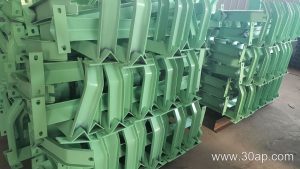
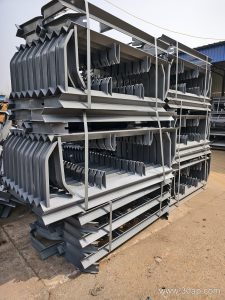
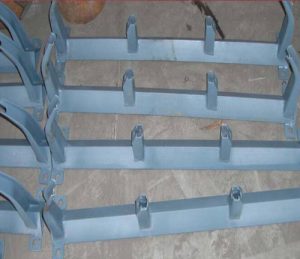
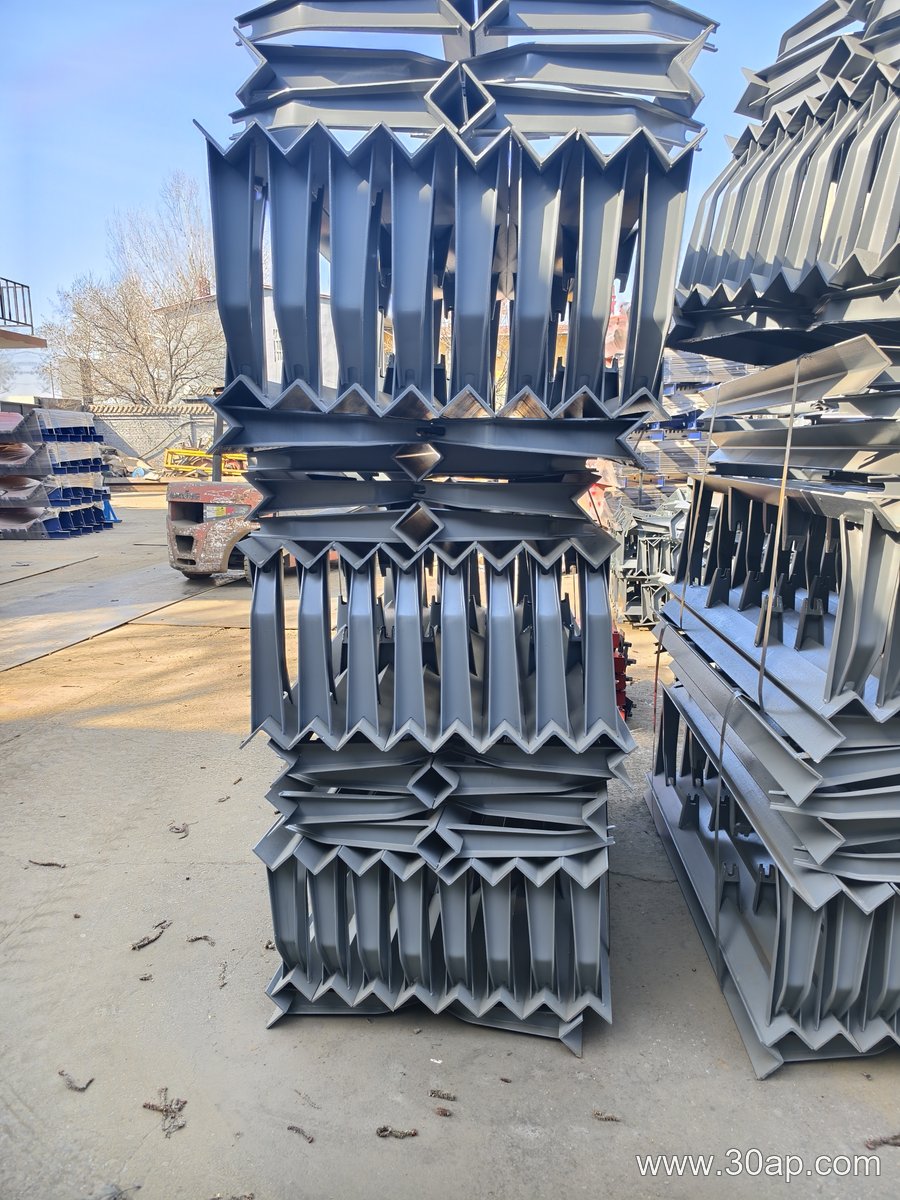
Standards give a common language for a heavy-duty steel conveyor bracket. They define how steel grade, hole spacing, and coating are described, so an engineer can compare brackets without relying on a catalog photo.
Grades, Standards, and Scope
A Q355 conveyor bracket is a grade designation, not a certification. Standards such as those covering structural steel or hot-dip galvanizing explain test methods and tolerances; they do not approve a specific bracket. In a dusty quarry, abrasive fines and vibration make grade selection and coating scope more important than a single rating.
- Material grade: strength and weldability
- Dimensional standard: hole and bolt fit
- Coating standard: corrosion protection scope
Always confirm the applicable edition and project requirements before specifying a conveyor bracket.