Conveyor Belt Cover Grade and the EP1000 Designation
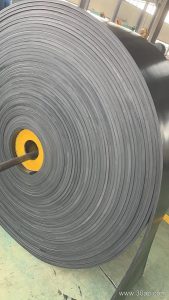
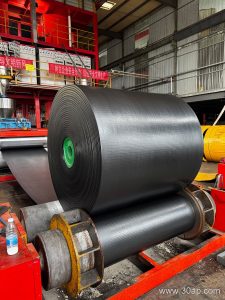
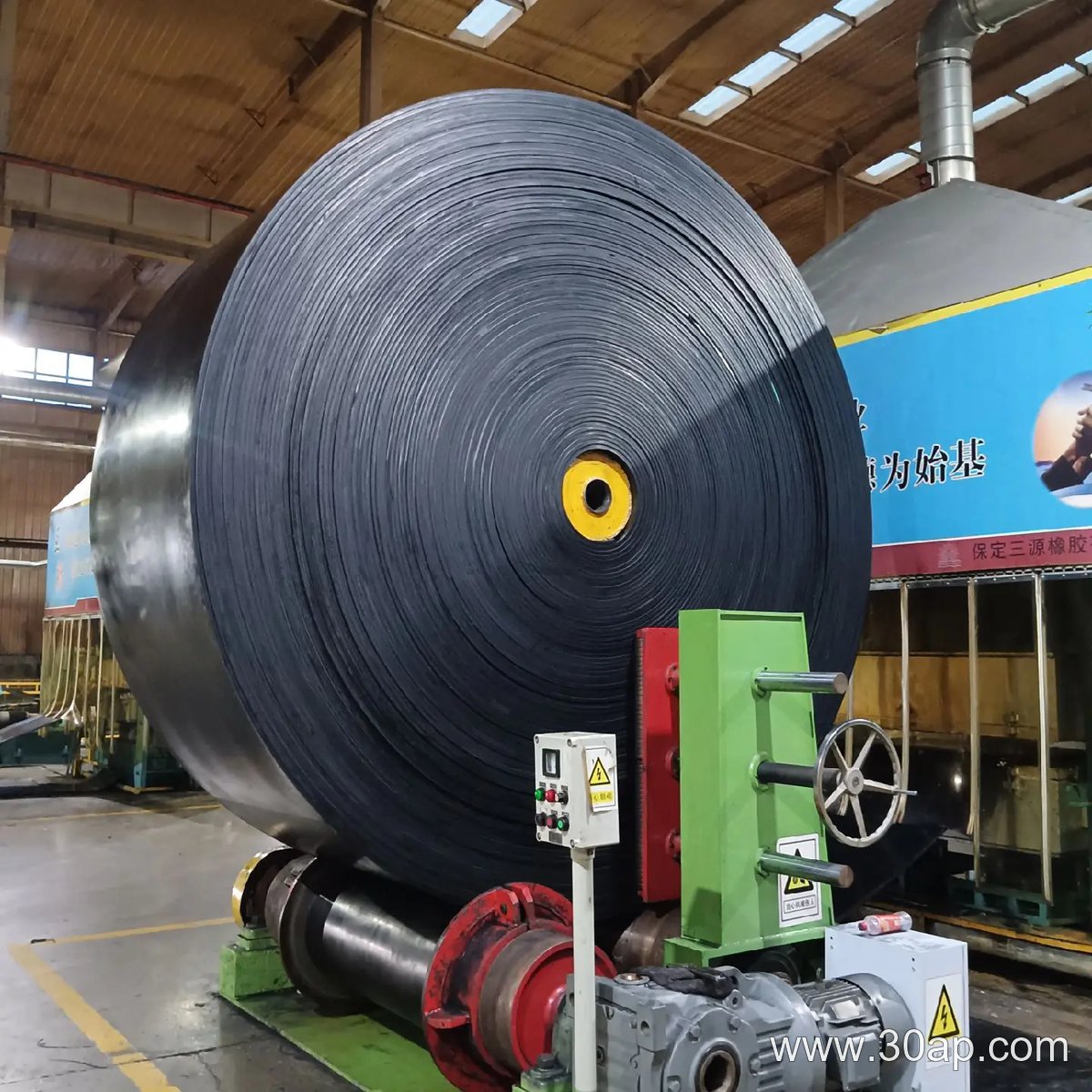
An EP1000 conveyor belt carries a carcass rated for 1000 N/mm tensile strength. The cover grade—often abrasion-resistant—sets wear life, but it also affects minimum pulley diameter and splice selection. A harder cover may require larger pulleys to avoid cracking. In a general manufacturing line, specify cover grade from the duty, not from habit.
Engineering decision: pulley diameter
Assume a hypothetical 800 mm wide EP1000 belt with a 6 mm abrasion-resistant cover. The carcass-to-cover ratio suggests a minimum pulley diameter near 500 mm; reducing it risks ply separation. Verify with the belt manufacturer’s data.
Effect on splice type
- Mechanical splice: faster, but lower tension rating.
- Vulcanized splice: higher efficiency, needs more pulley diameter.
Why an Idler Roller Stalls in Quarry Dust
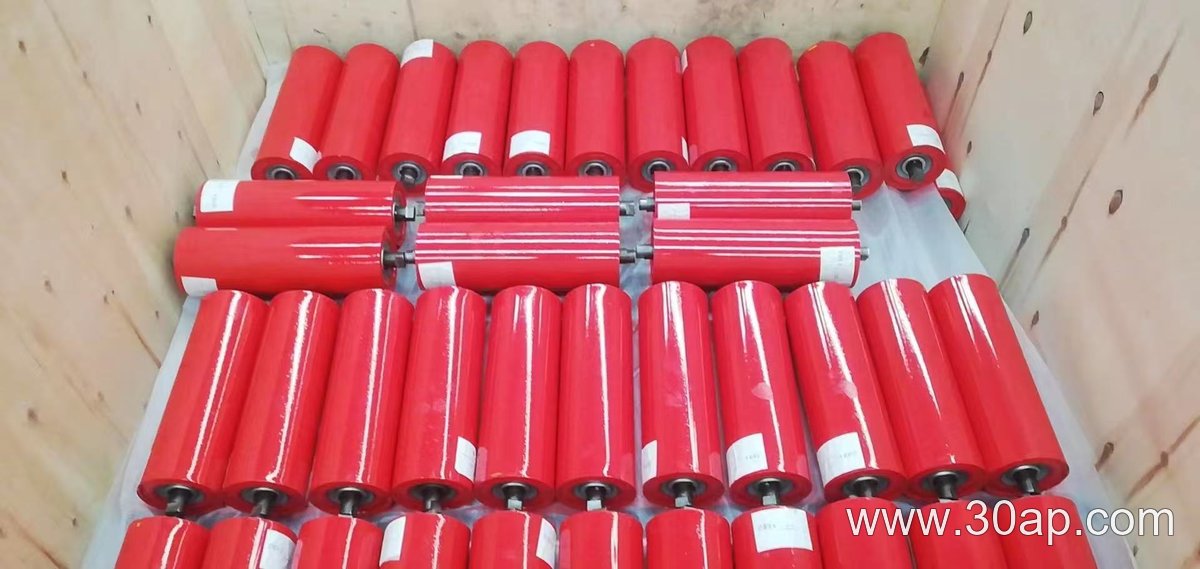
In a dusty quarry, an idler roller can stop rotating when fine grit penetrates the bearing seal. The belt then drags over a stationary roller, causing flat spots and spillage.
Actions That Restore Rotation
- Inspect seals and replace any idler roller with a damaged labyrinth.
- Choose a rotating self-aligning idler for dusty, misaligned belts.
- Wash down nearby transfer points to reduce airborne dust.
Standards and Grades for a Wet Outdoor Conveyor Pulley
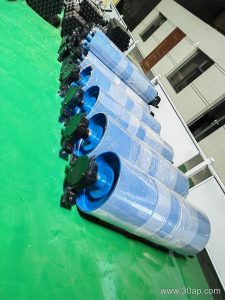
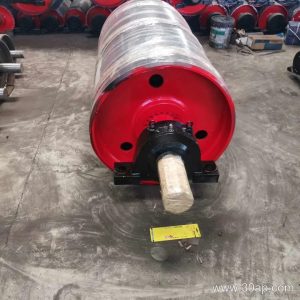
For a conveyor pulley exposed to rain, washdown, and temperature swings, standards mainly address design, materials, and testing. They do not certify a specific product. Common references include CEMA for load and lagging guidance, ISO 9001 for quality systems, and ISO 12944 for corrosion protection. A wet outdoor conveyor pulley may also follow project-specific grades for shell thickness and lagging hardness. Always confirm the applicable edition and scope with the supplier; no single standard covers every wet outdoor condition.
Inspection: The First Line of Defense for Conveyor Brackets
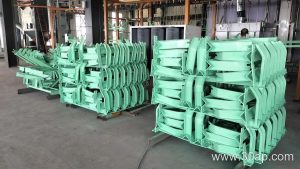
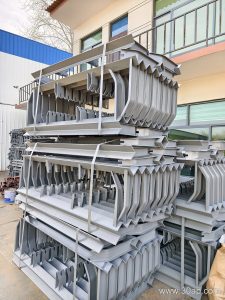
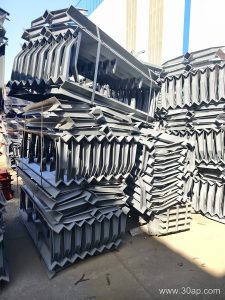
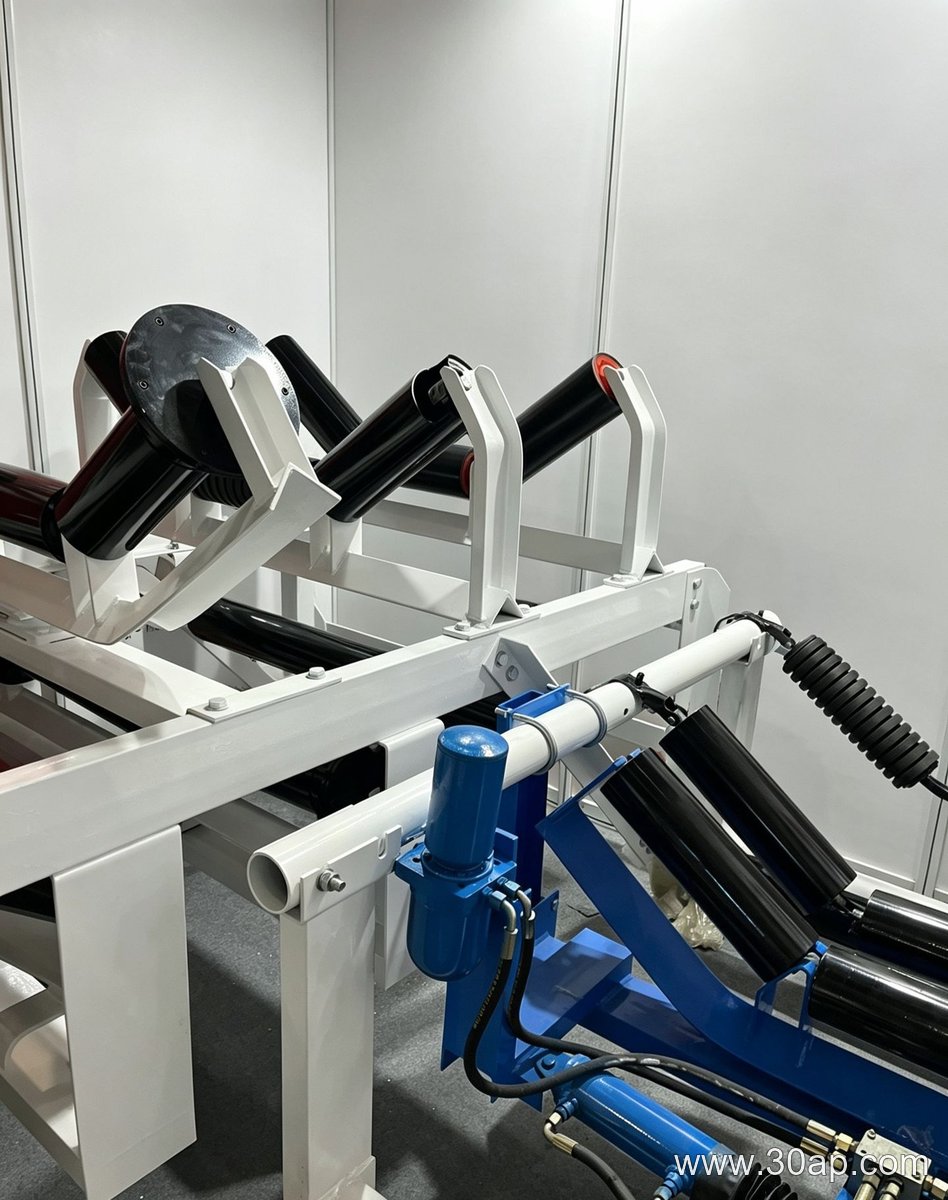
In a cement plant, a conveyor bracket endures constant vibration, dust, and load. Regular inspection is critical. Look for cracks, loose bolts, and corrosion. Check alignment; misalignment accelerates wear. Use a flashlight and mirror to see hidden areas. Document findings.
Preventive Maintenance That Extends Conveyor Bracket Service Life
Clean dust from bracket surfaces to prevent buildup. Lubricate adjustable parts if applicable. Re-torque bolts to specified values. Replace worn idlers promptly to reduce stress. Schedule maintenance during planned shutdowns. Keep records to track deterioration.
Signs That a Conveyor Bracket Needs Replacement
- Visible cracks or permanent deformation
- Severe corrosion reducing thickness
- Elongated bolt holes or stripped threads
- Frequent misalignment despite adjustment
- Excessive vibration or noise from the bracket area
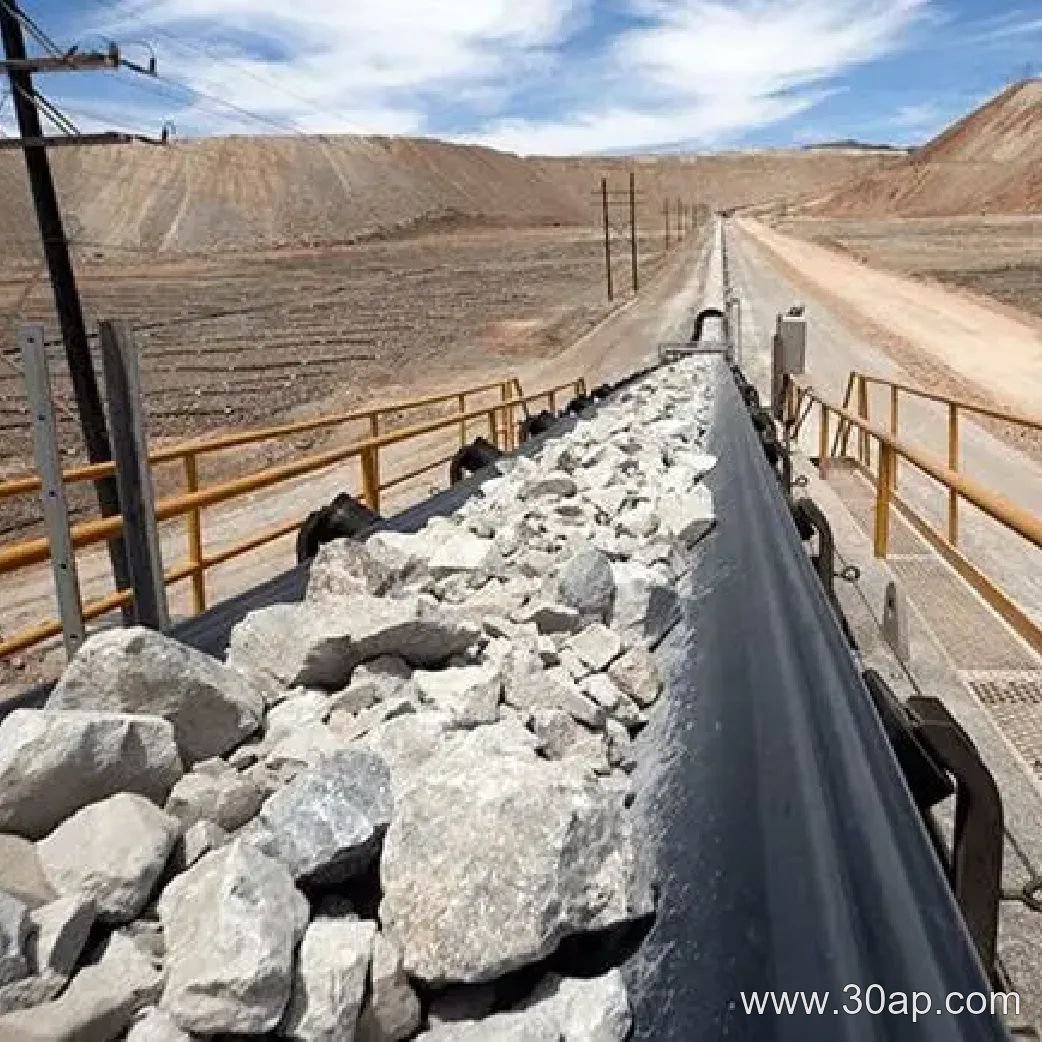
If any sign appears, replace the conveyor bracket. Delaying risks belt damage and downtime.