Why Abrasion Resistance Defines Conveyor Bracket Performance
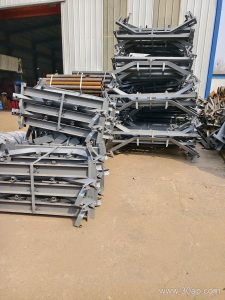
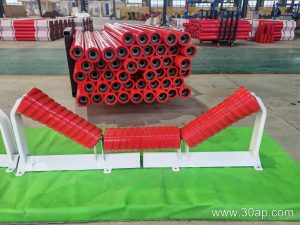
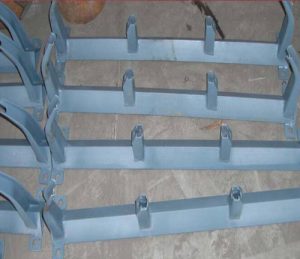
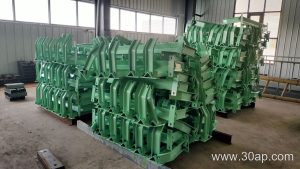
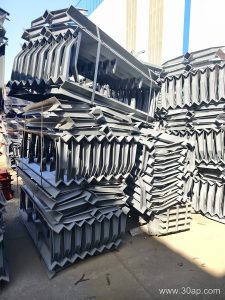
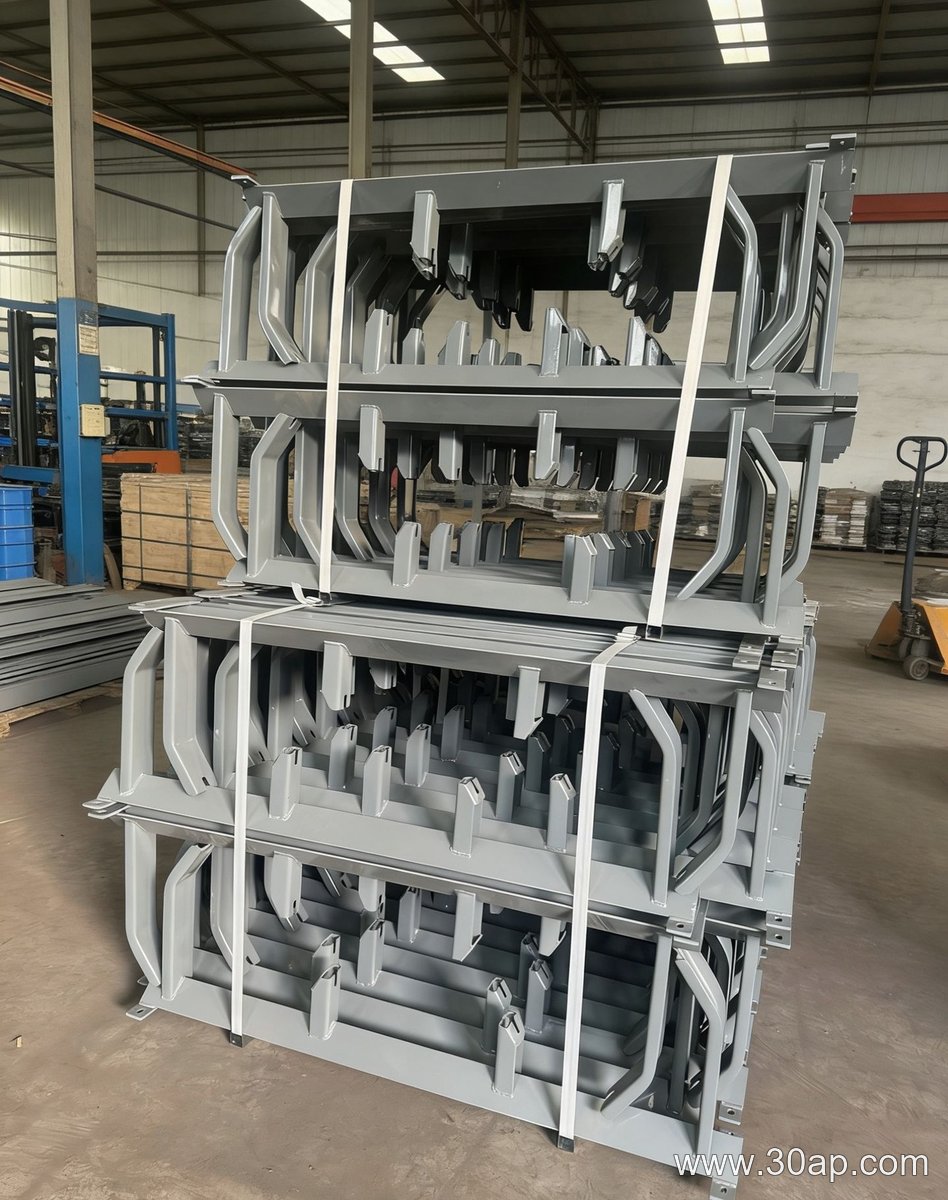
At a bulk-material port terminal, a conveyor bracket must endure constant exposure to abrasive cargo like coal, ore, or aggregate. Abrasion resistance determines how long the bracket maintains alignment and structural integrity. Consider Q235 conveyor brackets with hardened contact surfaces or four-roll idler brackets that distribute load to reduce localized wear. Proper material selection and protective finishes are key to extending service life in this demanding environment.
Why Conveyor Belt Mistracking Is Rarely a Single Fault
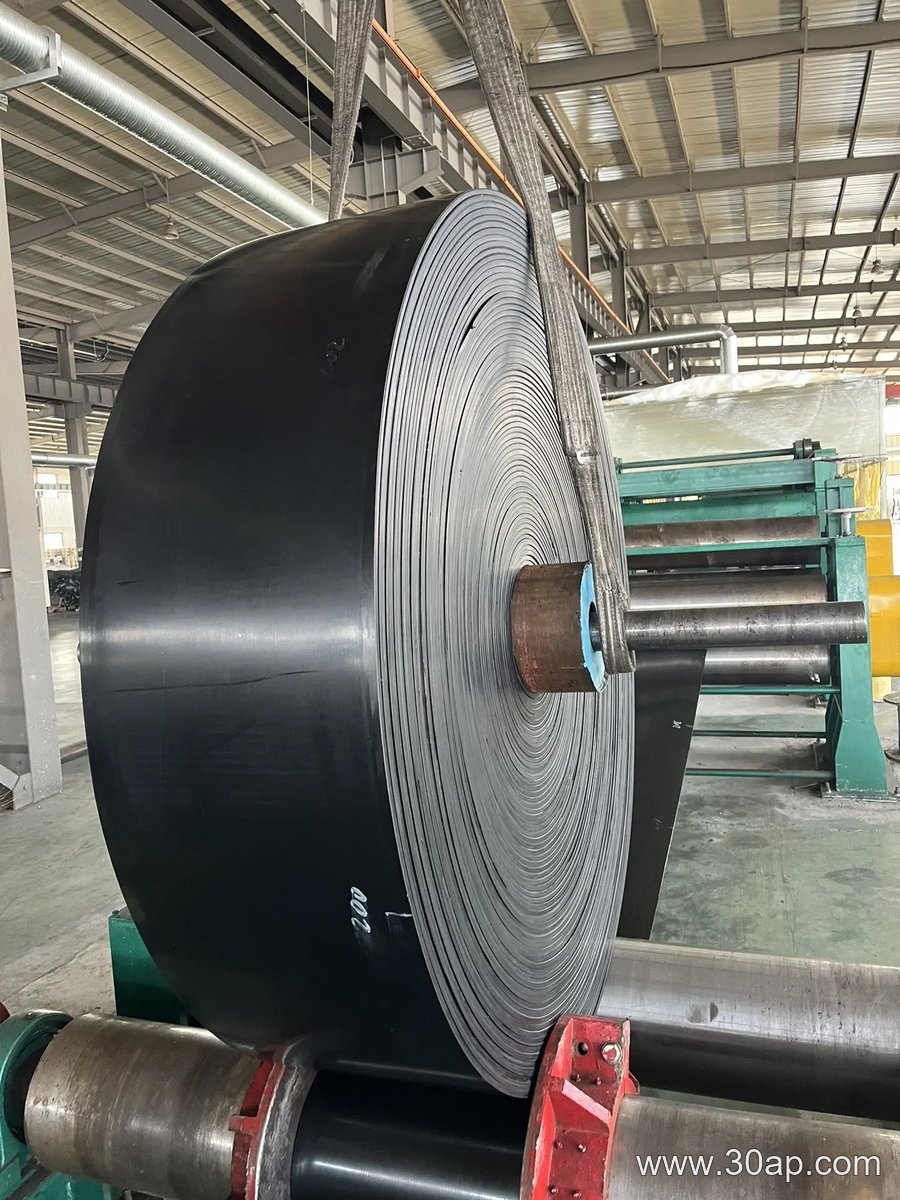
At a bulk-material port terminal, a conveyor belt that runs off-center may signal anything from a misaligned idler to a seized pulley. The symptom is visible; the cause is not.
Common Symptoms and Their Likely Causes
- Belt shifts to one side along the entire run. Often a skewed idler frame or uneven loading.
- Belt wanders only near the head pulley. Check pulley alignment and lagging wear.
- Belt edges curl or lift. May indicate insufficient tension or a damaged carcass.
Each plausible cause requires a different correction, so fault analysis starts by matching the symptom pattern to the most likely mechanical or operational source.
Reading an idler roller specification sheet
A common misconception is that an idler roller is fully described by its diameter and length. Those dimensions matter, but the specification fields around them determine whether the roller fits the duty. At a bulk-material port terminal, read each field with its unit and check the notes that qualify it.
Which fields appear, and what do their units mean?
- Roller diameter and length, usually in millimeters: the shell size, not the shaft.
- Shaft diameter and material: the shaft may be specified in millimeters with a grade or finish.
- Bearing type and size: a designation such as 6205 is a bearing size code, not a rating.
- Load capacity, in newtons or kilonewtons: valid only at the stated speed and life condition.
- Speed limit, in revolutions per minute or belt speed in meters per second.
- Seal type and protection class, such as IP codes, which describe ingress protection.
Read the notes beside each value. A capacity figure without its speed, life, or temperature condition cannot be compared to another roller. Hypothetical example: if a sheet lists 2.5 kN at 1.5 m/s and 20,000 hours, those conditions belong to the number.
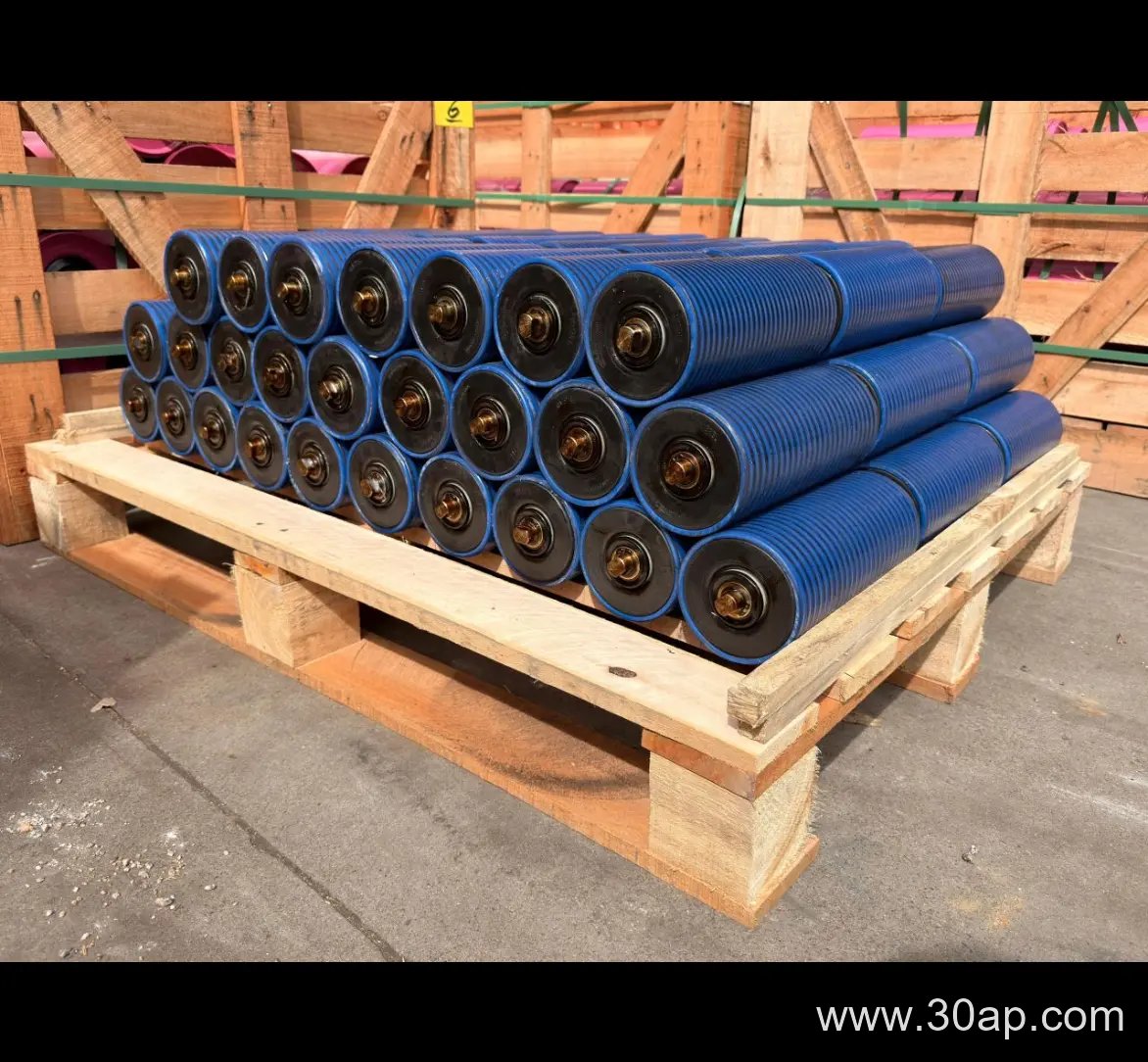
Keep specification fields aligned with the conveyed material, belt speed, and environment at the terminal. Where a value is absent or ambiguous, ask the supplier to state the condition rather than assuming a universal rating.
Why Manufacturing Process Matters for a Conveyor Pulley
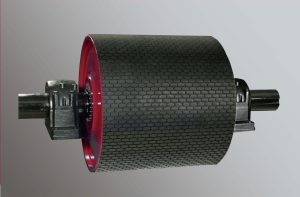
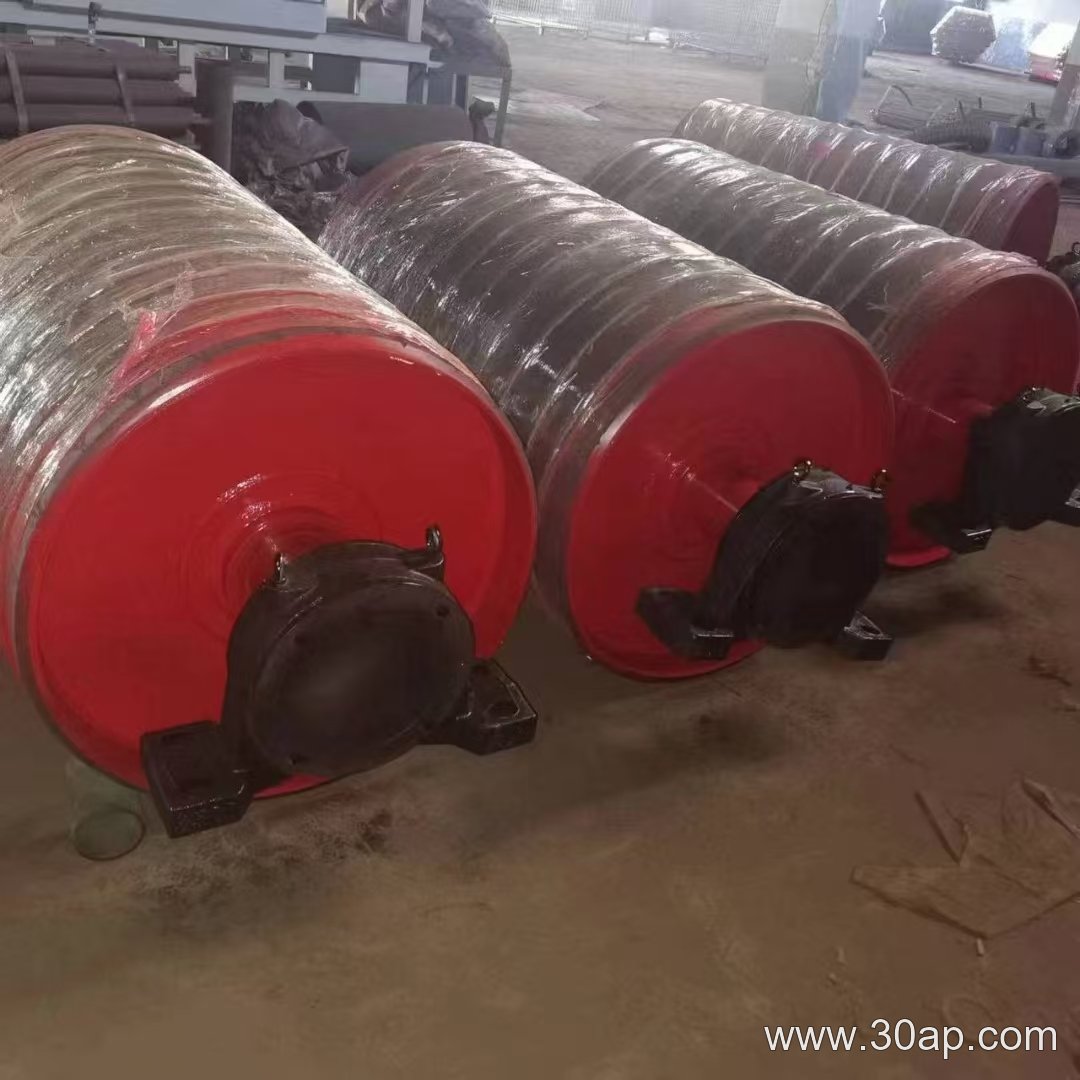
A conveyor pulley’s reliability starts on the production line. Poor welding, unbalanced assembly, or rushed lagging can cause premature failure, no matter how good the design. The manufacturing steps directly shape the finished quality.
Key Production Stages and Their Effects
- Shell rolling and welding: Inconsistent weld penetration creates stress risers, leading to cracks under cyclic loads.
- Shaft machining and fitting: Tolerances that are too loose cause fretting and bearing wear; too tight makes assembly difficult.
- Lagging application: Improper bonding or uneven thickness reduces friction and accelerates belt slip.
- Dynamic balancing: Unbalanced pulleys vibrate, damaging bearings and seals.
Each stage must be controlled to ensure the conveyor pulley performs as expected in the field.