How Do You Select a Conveyor Pulley When One Dimension Is Already Fixed?
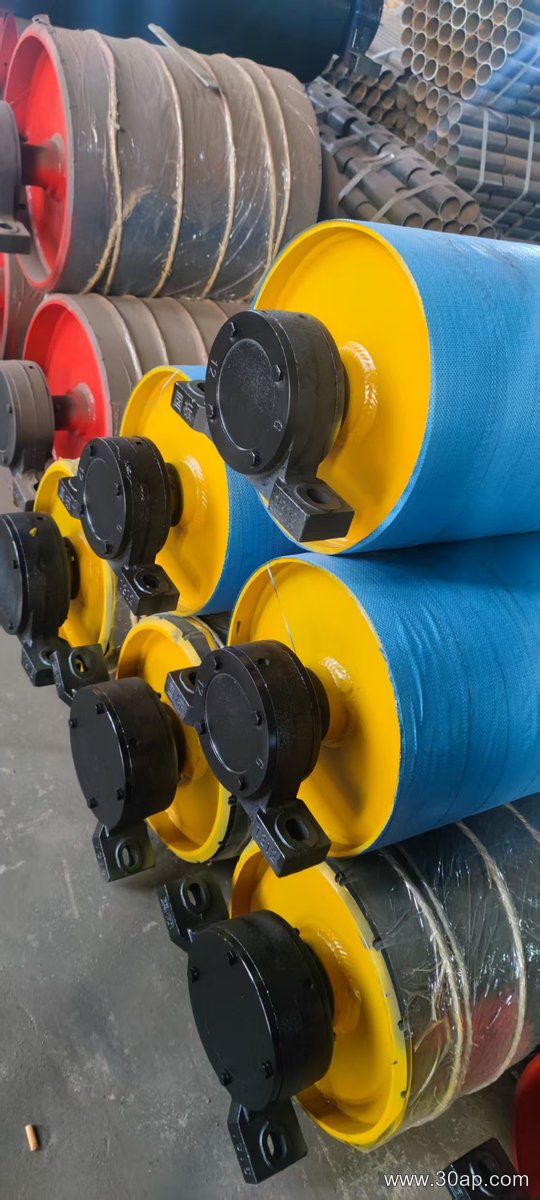
In a hypothetical wet outdoor conveyor, suppose the drive shaft is locked at 150 mm. Start from that constraint, not from a catalog page.
Checks That Matter
- Confirm required pulley diameter for belt wrap and torque.
- Verify hub and locking assembly fit the fixed shaft.
- Choose lagging and sealing suited to wet, outdoor service.
Treat all values as project assumptions and confirm final loads with the pulley supplier.
Material Trade-offs for a Conveyor Bracket on a General Manufacturing Line
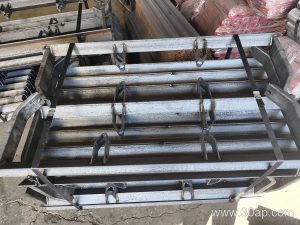
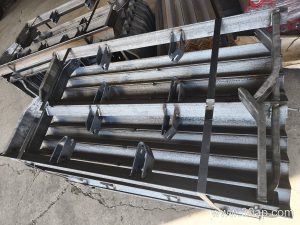
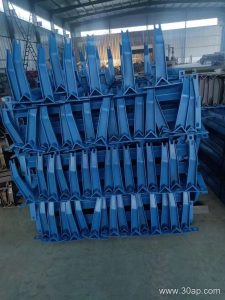
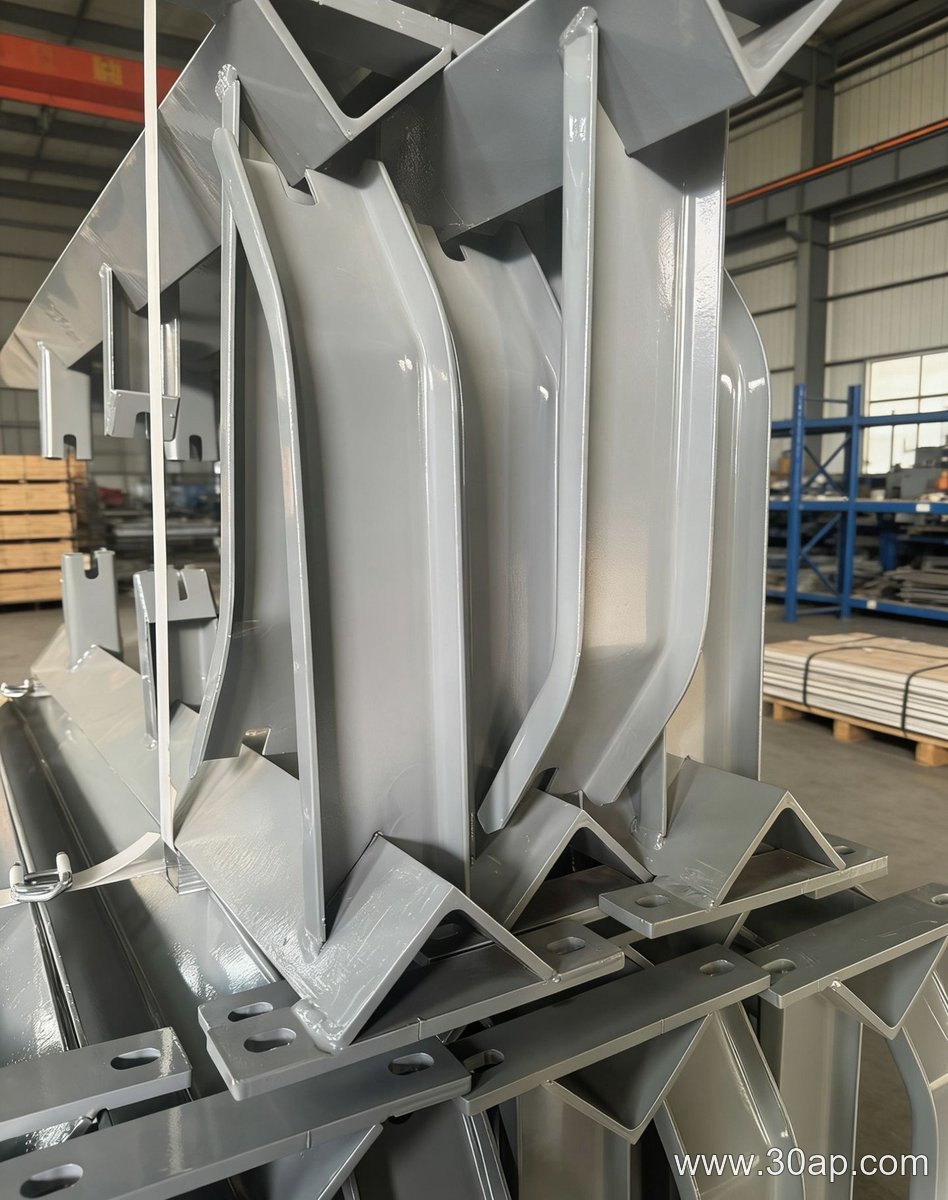
A conveyor bracket can be made from several materials, but galvanized carbon steel and stainless steel are the two most common choices when purchasing for a general manufacturing line. The decision usually comes down to application fit versus purchasing cost.
Galvanized Steel Conveyor Bracket
Galvanized steel offers good strength at a lower purchase price. It suits dry, indoor lines with moderate dust and little washdown. The zinc coating resists corrosion, but edges and welds can still rust over time.
Stainless Steel Conveyor Bracket
Stainless steel costs more upfront but handles moisture, chemicals, and frequent cleaning far better. For food, pharmaceutical, or washdown areas, it often reduces long-term replacement and downtime costs.
Choosing Between Them
- Choose galvanized steel when the line is dry, indoor, and cost-sensitive.
- Choose stainless steel when moisture, washdown, or corrosive dust is present.
- Confirm bolt and idler compatibility before ordering either material.
In short, match the conveyor bracket material to the actual environment first, then compare total cost of ownership rather than unit price alone.
Conveyor Belt Abrasion Resistance in Wet Outdoor Service
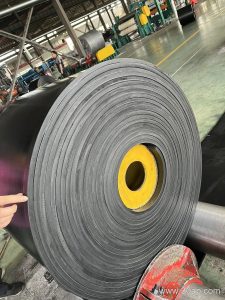
Will a conveyor belt survive wet, gritty outdoor duty? Only if its cover compound resists abrasion while shedding water. Check the cover grade, carcass moisture resistance, and edge protection.
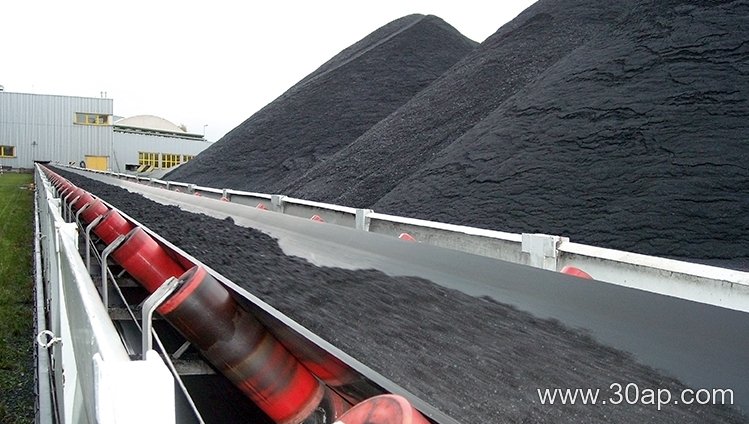
- Cover rubber: abrasion-resistant grade for wet grit.
- Carcass: moisture-tolerant fabric or steel cord.
- Edges: sealed to stop wicking.
Why Wet Abrasion Is Different
Water carries fines into the conveyor belt surface, accelerating wear. A tougher cover slows material loss; drainage and skirt sealing reduce standing grit.
Preparing the idler roller and frame before installation
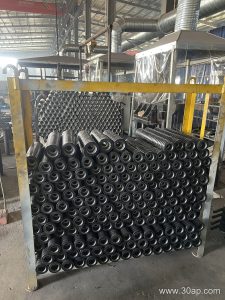
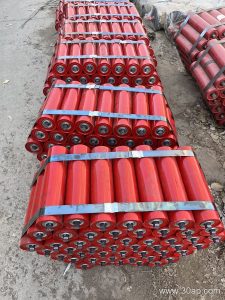
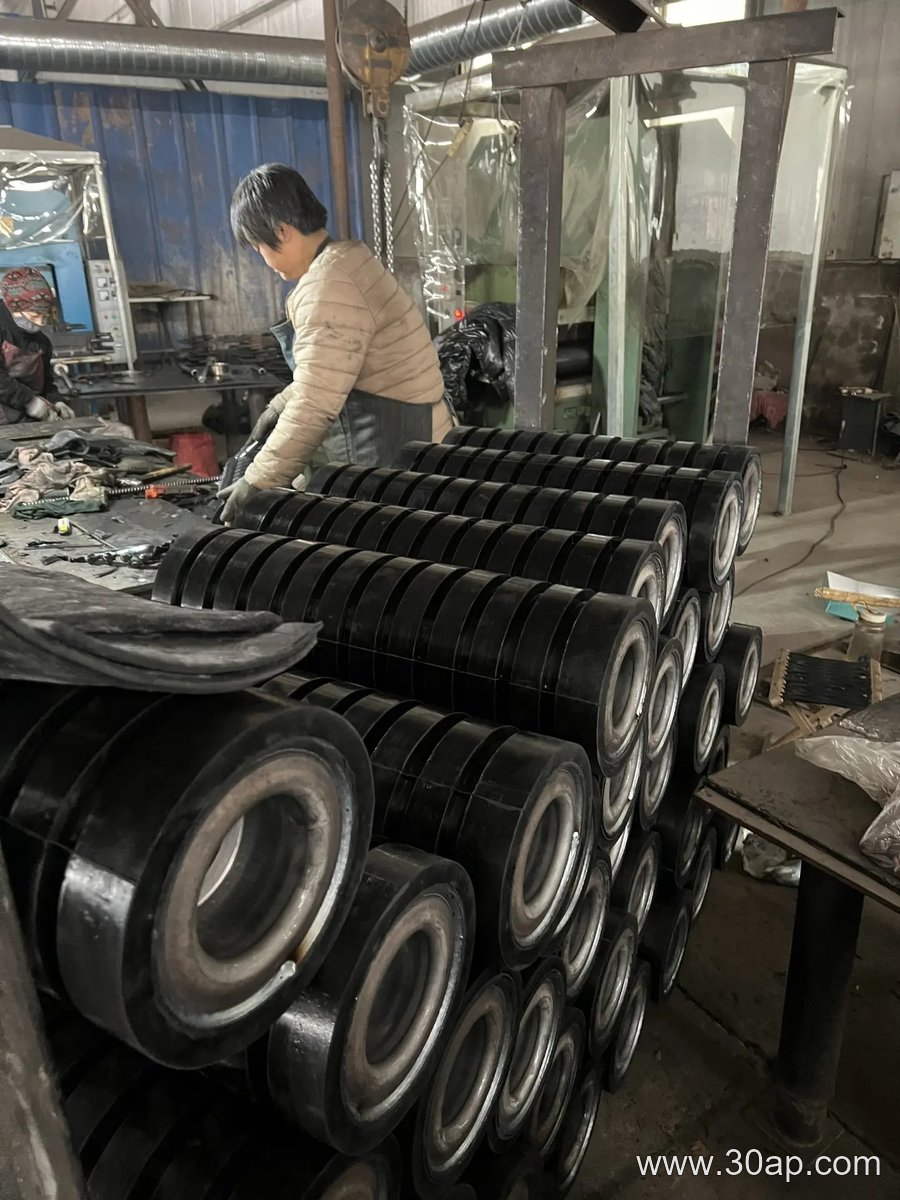
Start by checking the idler roller for free rotation, seal condition, and shaft straightness. On a wet outdoor conveyor, confirm the frame is level and free of rust or debris. Mark the mounting positions and verify that the roller’s diameter matches the frame’s slot.
Mounting and alignment steps
- Loosen the bracket bolts and slide the idler roller into place without forcing the shaft.
- Center the roller so the belt contacts the middle of the shell.
- Tighten bolts evenly, then check that the roller axis is perpendicular to the belt path.
Commissioning checks for a wet outdoor conveyor
Run the conveyor empty and watch for belt drift or roller wobble. If the belt moves to one side, adjust the idler roller’s position slightly until the belt tracks true. After a short loaded run, recheck bolt torque and confirm that water drains away from the seal area.