Design trade-off: sealing versus serviceability for coal dust
Coal dust is abrasive and can penetrate simple seals. A labyrinth seal protects the bearing but complicates relubrication. For a general manufacturing line, balance seal complexity against maintenance access.
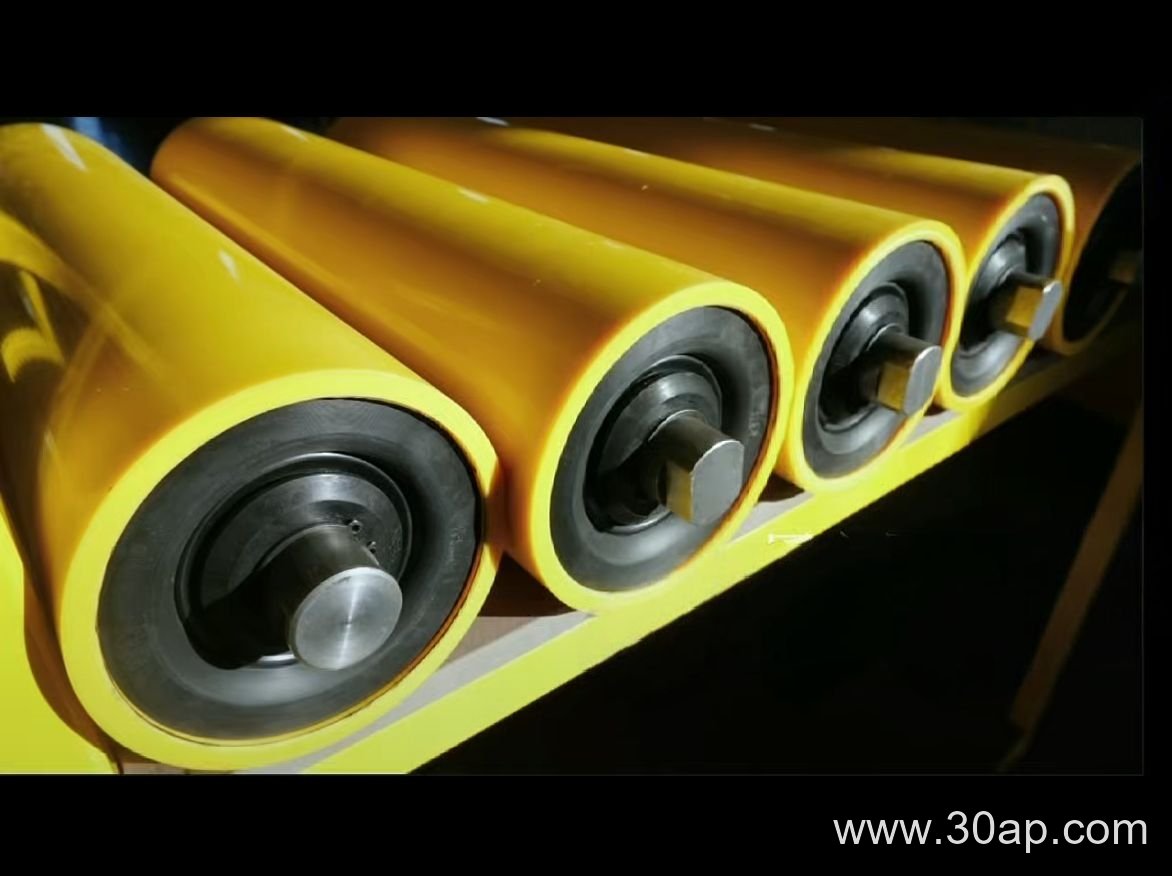
Key considerations for coal
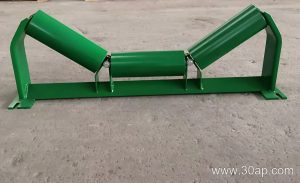
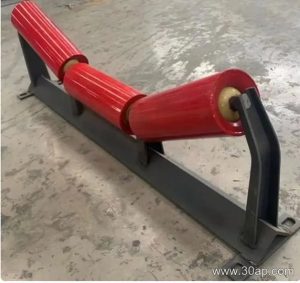
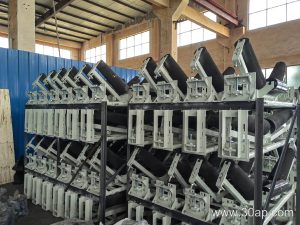
- Choose a self-aligning idler to compensate for belt misalignment from uneven loading.
- Use a hot-dip galvanized idler if humidity is high, but verify coating thickness for abrasion resistance.
- Specify a robust idler seal that excludes fines without requiring frequent greasing.
These choices extend idler roller life in coal service.
Matching Conveyor Pulley Duty to Terminal Demands
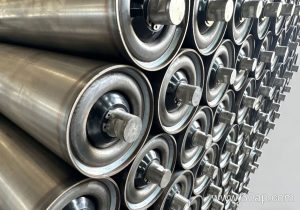
At a bulk-material port terminal, a conveyor pulley must suit its specific duty. Drive pulleys transmit torque to the belt, while bend and take-up pulleys guide and tension it. Choosing the wrong duty leads to premature wear or slippage.
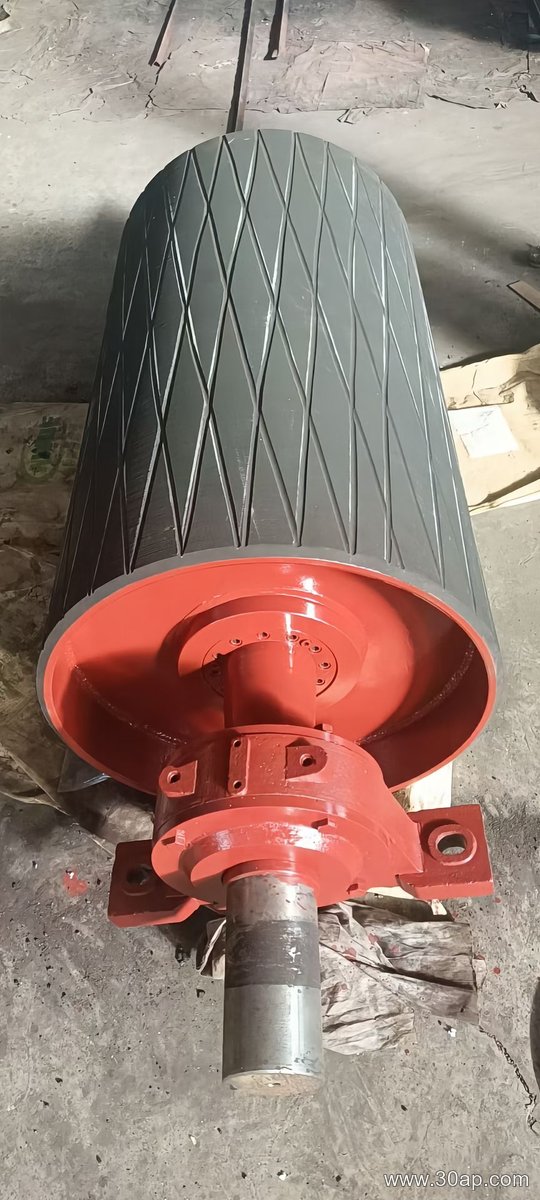
Key Considerations for Port Terminals
- Drive pulleys: Require lagging for grip in wet, salty conditions.
- Bend pulleys: Need accurate alignment to prevent belt edge damage.
- Take-up pulleys: Must accommodate travel for tension adjustments.
Verify shaft and bearing sizes against the duty cycle. For example, a hypothetical 400mm diameter conveyor pulley might suit a bend station, but drive duty often needs a larger diameter. Always confirm with the manufacturer.
Why Bracket Spacing Matters on a Wet Outdoor Conveyor
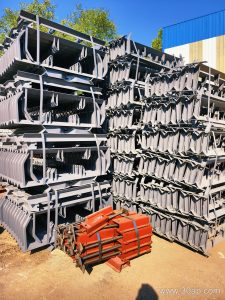
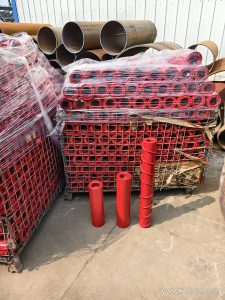
A common mistake is to assume that a conveyor bracket only needs to match the idler spacing used indoors. On a wet outdoor conveyor, rain, wind, and thermal movement change the loads, so the bracket spacing must be calculated for the actual conditions.
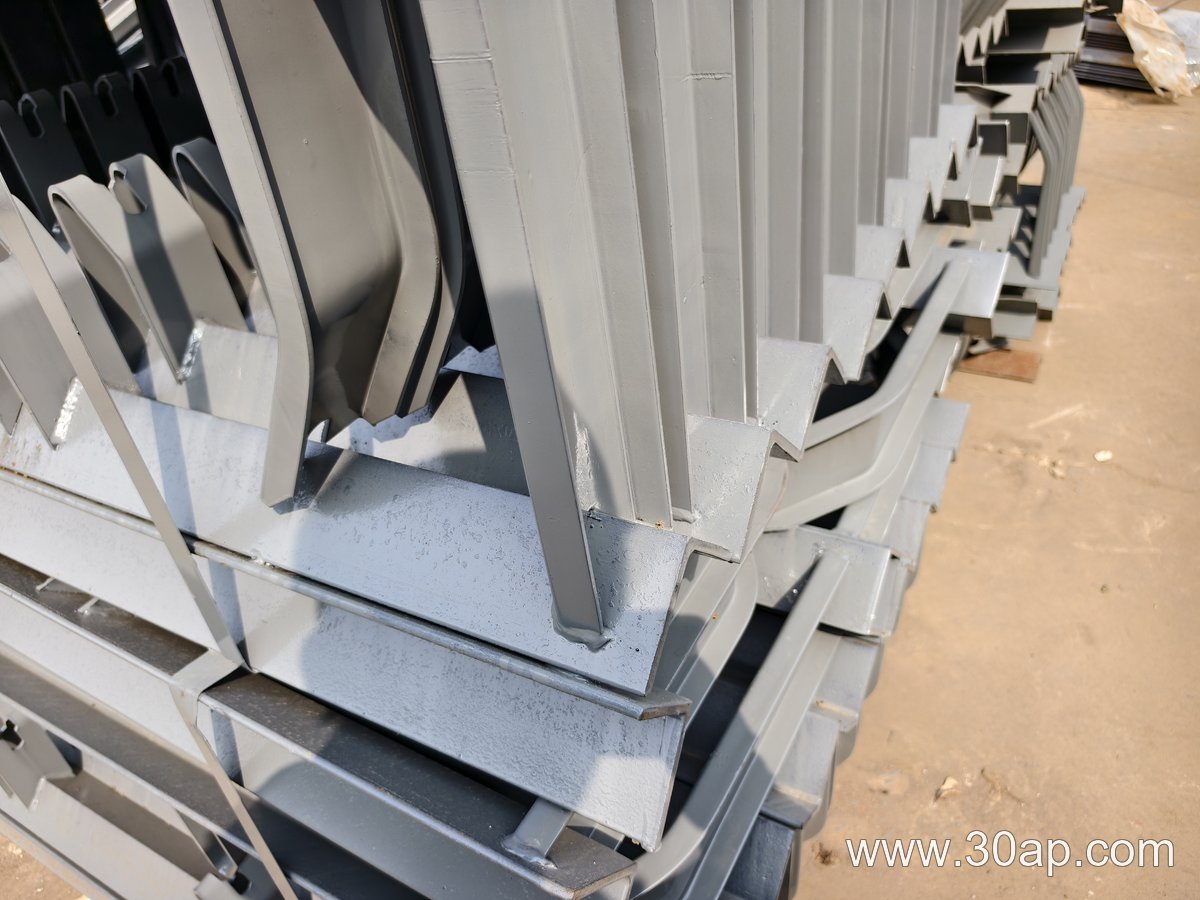
A Hypothetical Sizing Example
Assume a 1200 mm wide belt carrying wet aggregate at 1.5 t/m³. The belt and material weight per meter is about 180 kg/m. If the idler load limit is 250 kg per bracket, then maximum spacing = 250 / 180 ≈ 1.39 m. Round down to 1.2 m for a safety margin. This is a hypothetical example; verify with a qualified engineer.
- Units: kilograms (kg) and meters (m).
- Assumptions: uniform load, no impact, bracket capacity from supplier data.
- Wet outdoor factor: reduce spacing by 10–15% for wind and water pooling.
Why Width Drives Conveyor Belt Selection
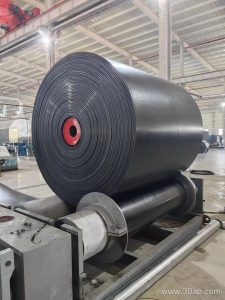
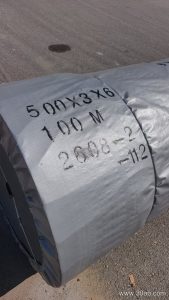
A common misconception is that a conveyor belt is chosen mainly by tonnage. In this hypothetical cement plant, the real constraint is a 1,200 mm wide pulley, so the conveyor belt must match that width while carrying abrasive limestone and hot clinker.
Narrowing the Choice
With width fixed, engineers compare carcass type and cover grade. A fabric conveyor belt may suit moderate tension; steel cord may be needed if the hypothetical run is long. Abrasion-resistant covers handle limestone, while heat-resistant covers suit clinker.
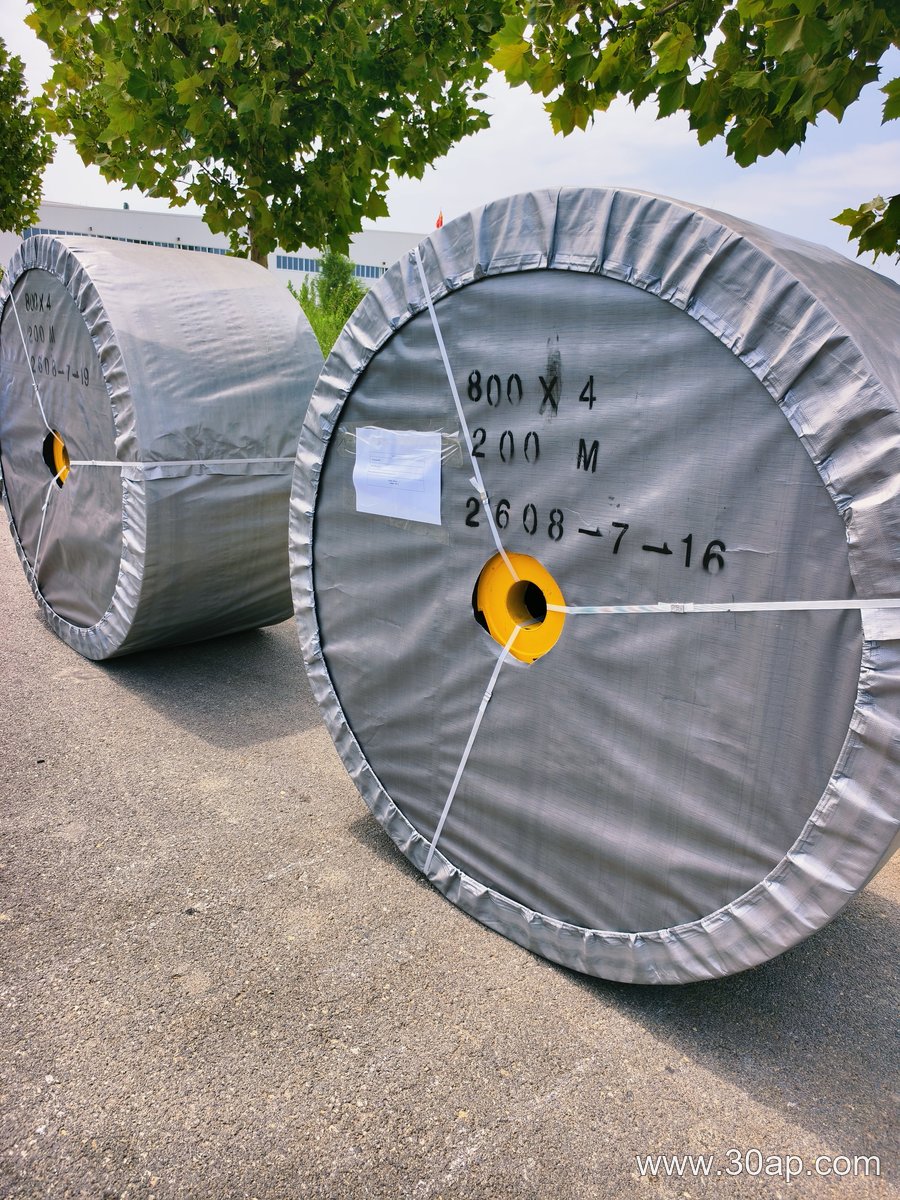
- Confirm belt width matches pulley and structure.
- Check tension against the longest loaded section.
- Match cover compound to material temperature and abrasiveness.
These project values are illustrative only; final selection requires verified engineering data.