Classifying Conveyor Pulleys by Duty in Cement Production
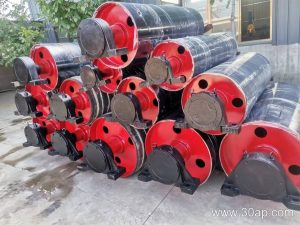
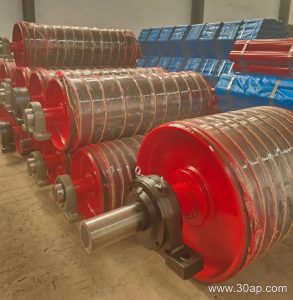
In a cement plant, a conveyor pulley is selected by duty, not just size. The three main duty classes are drive, bend, and take-up pulleys. Drive pulleys transmit torque to the belt and need lagging for grip. Bend pulleys change belt direction with low tension. Take-up pulleys maintain belt tension and travel on slides or carriages. Each class uses different shell thickness, shaft design, and bearing arrangement. A hypothetical cement plant might use a 630mm drive pulley at the head, a tail bend pulley at the return, and a take-up pulley near the gravity tower. Specify by duty first, then by dimensions.
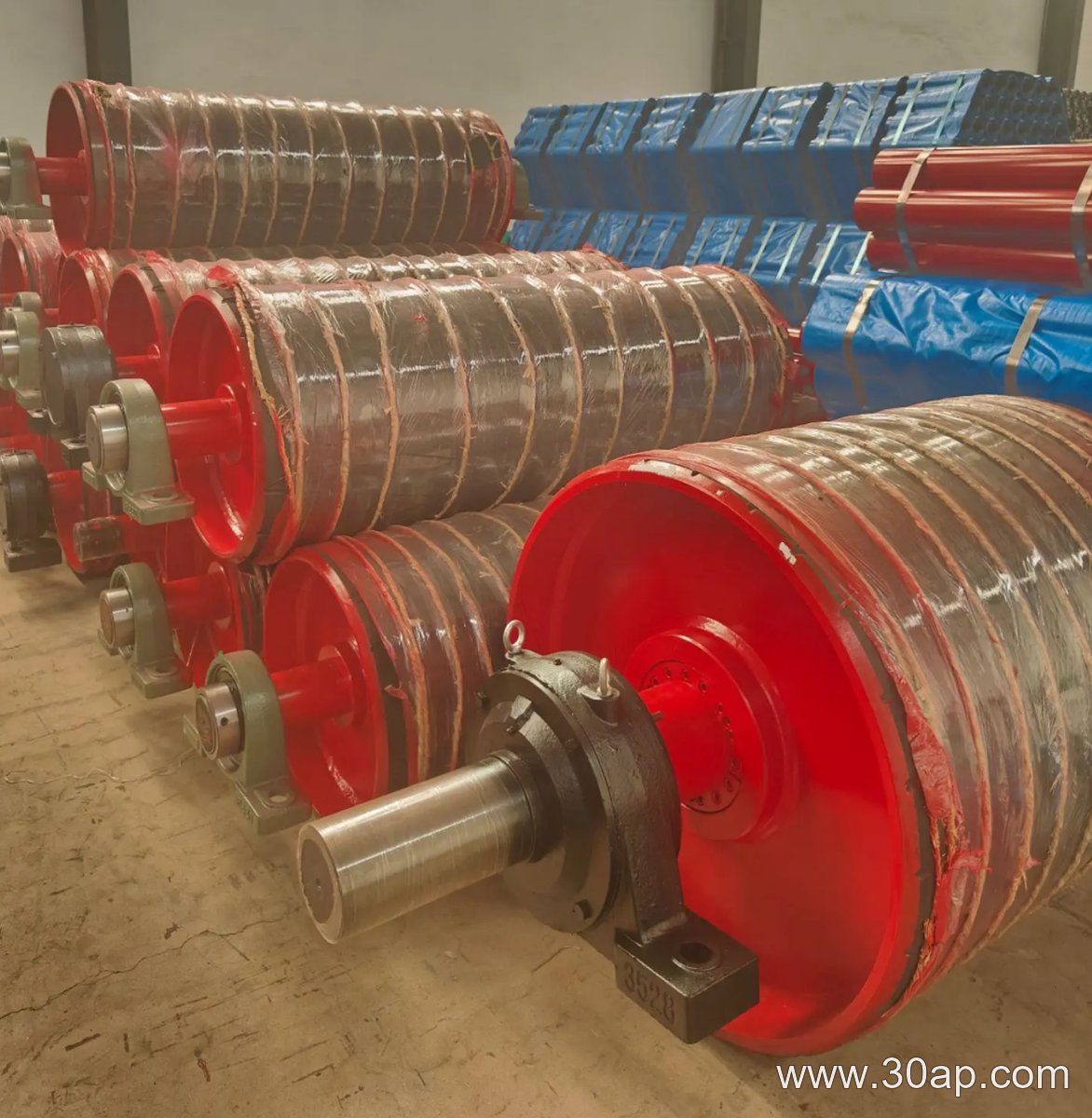
When Each Duty Class Is Used
- Drive pulley: At the head or intermediate drive, where power is applied. Use rubber or ceramic lagging for grip in dusty conditions.
- Bend pulley: At direction changes, such as the tail or snub. Plain steel or light lagging is common; no torque transmission.
- Take-up pulley: In gravity or screw take-up systems. It moves to keep belt tension, so the shaft and bearing housing must allow travel.
Matching pulley duty to the conveyor layout prevents premature wear and belt slip. Always confirm load, speed, and environment before ordering.
Defining the Heavy-Duty Conveyor Bracket
A heavy-duty conveyor bracket is a structural support that mounts idler rolls or guide rails to the conveyor frame. In a mineral-processing plant, it must handle abrasive dust, vibration, and high loads.
Construction and Features
Fabricated from thick steel plate—often Q235 or similar—with reinforced gussets and slotted holes for alignment. Common features include corrosion-resistant coating, bolted or welded attachment, and a load rating matched to the idler spacing.
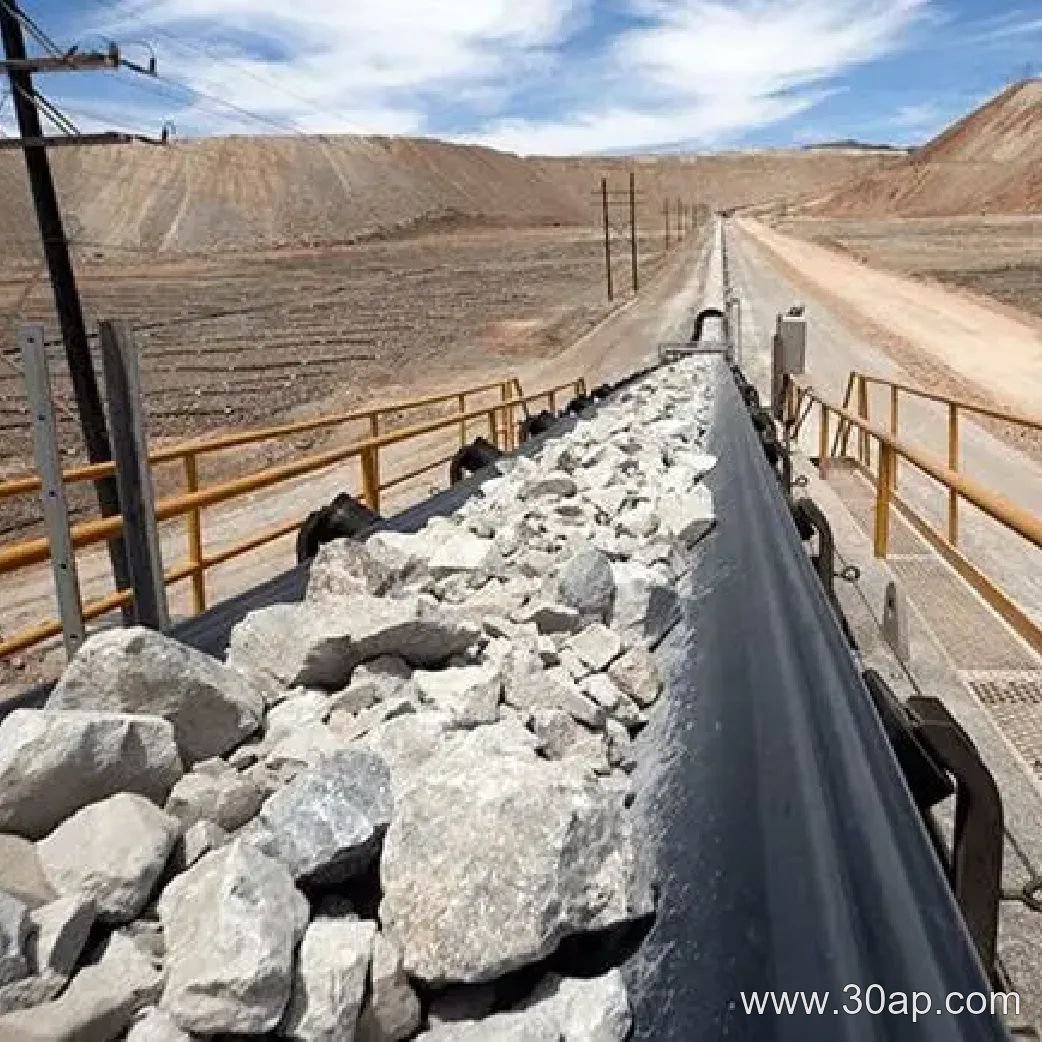
Typical Uses
- Supporting troughing idlers on primary crusher discharge belts
- Securing return rolls under wet, dusty ore
- Anchoring guide rails at transfer points
Selection depends on belt width, material load, and environmental conditions. Always verify dimensions and load capacity against the conveyor design.
Conveyor Belt Classification: Construction and Duty
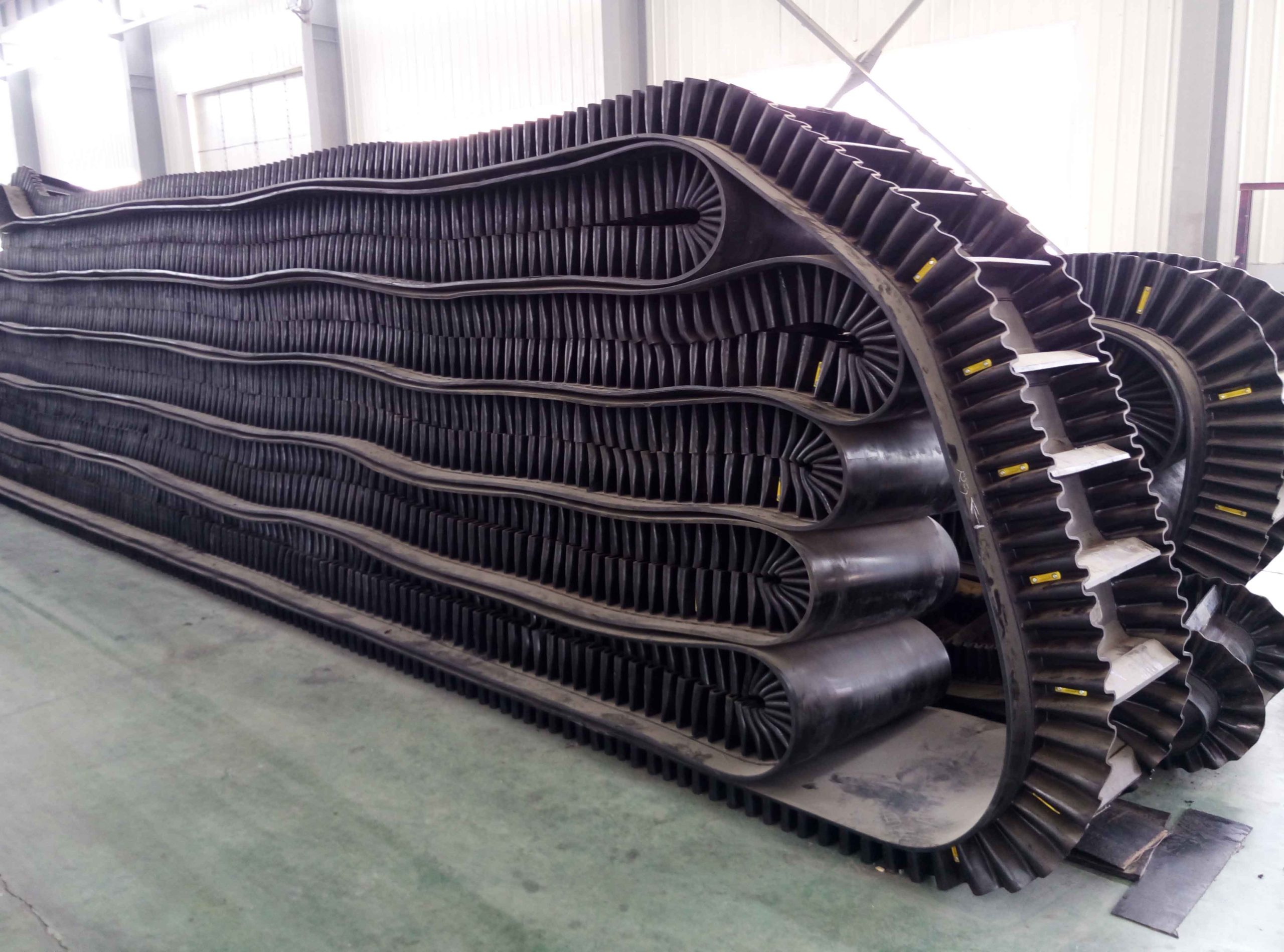
At a bulk port terminal, a conveyor belt is chosen by how it is built and what it must endure. Standard fabric belts suit general duty, steel cord belts handle long lifts, pipe belts contain dust, and heat-resistant belts tolerate hot cargo.
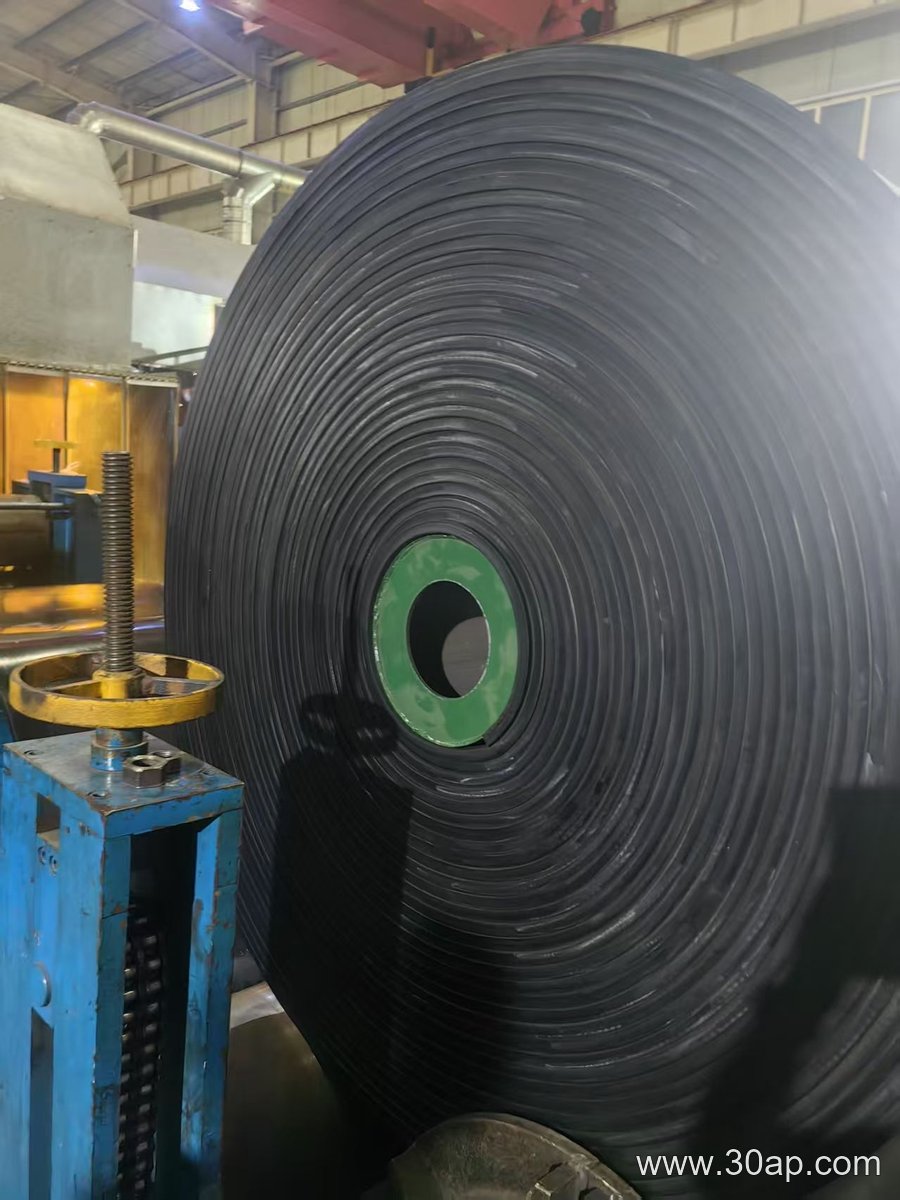
Construction-Based Groups
- Fabric carcass: layered plies for moderate tension and impact.
- Steel cord: single layer of cables for high tension and long runs.
- Pipe conveyor belt: folds into a tube to prevent spillage and dust.
Duty and Performance Groups
Extra-wide belts move large lump sizes; underground belts resist flame and static; abrasion-resistant covers serve continuous ore handling. Each group matches a specific terminal condition.
Start with the duty, not the catalog number
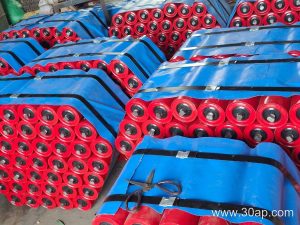
A common mistake is to buy an idler roller by matching shaft diameter alone. Instead, define the load, belt speed, and environment on your general manufacturing line. Then ask the supplier to confirm the bearing type, seal, and tube wall thickness against those inputs.
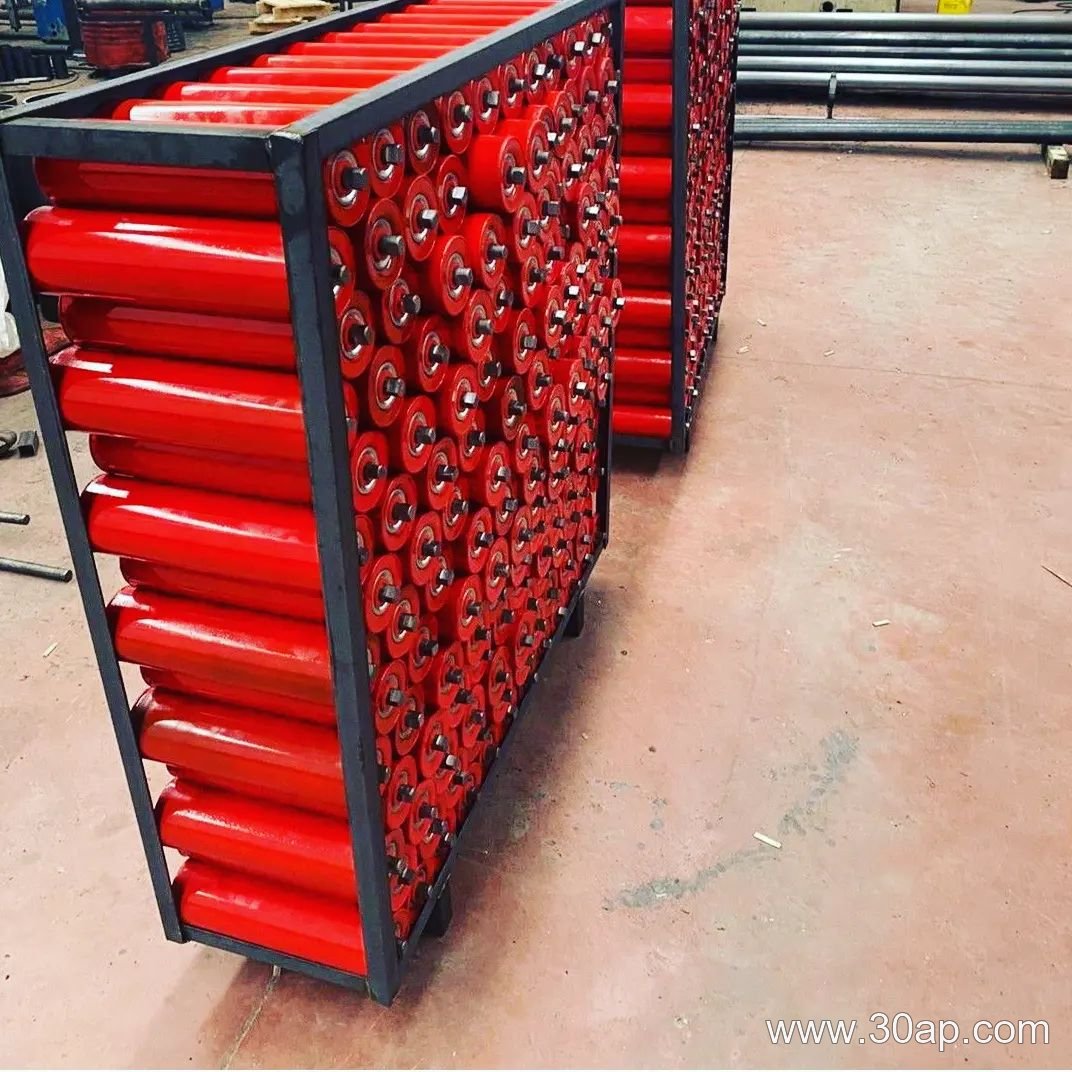
What to put in your specification
- Roller diameter and face length, with tolerances.
- Shaft material and end configuration.
- Bearing type and sealing method for dust or moisture.
- Balance and runout limits for the line speed.
For evaluation, request dimensional reports and bearing certificates, not just a price. A supplier who can explain how the idler roller will handle your actual load is more useful than one who only quotes the lowest unit cost.