What Does an Idler Roller Do in a Mineral-Processing Plant?
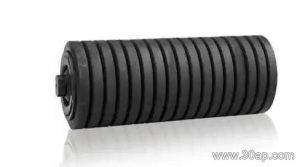
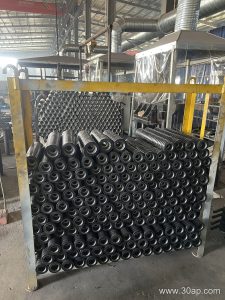
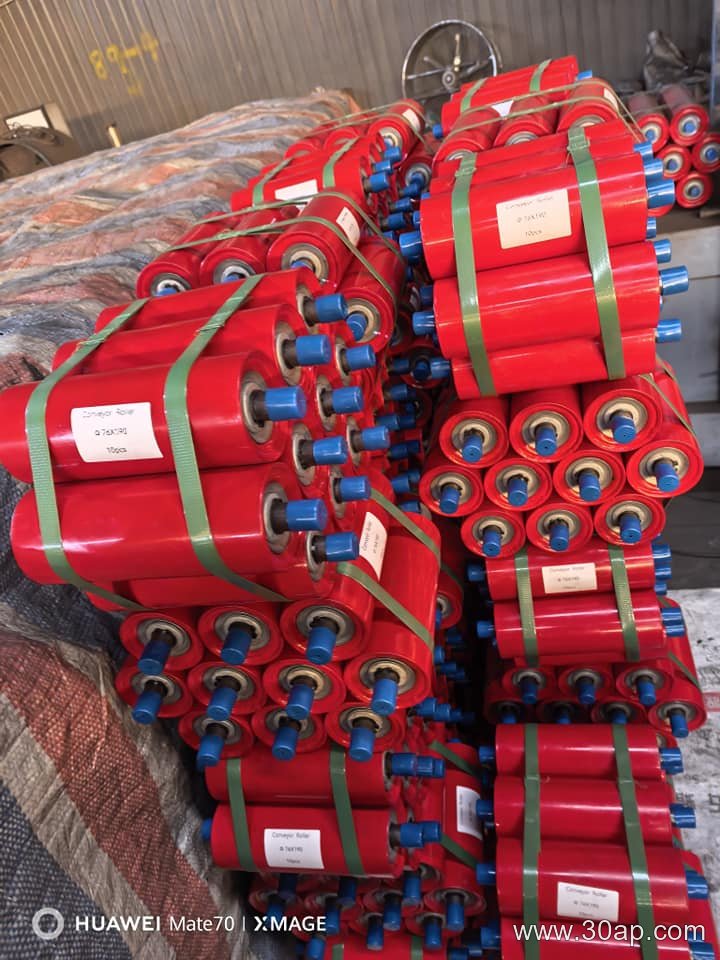
In a mineral-processing plant, an idler roller supports the conveyor belt and its load while allowing the belt to move freely. This reduces friction, prevents belt sag, and helps maintain consistent material flow from crushing to screening. The roller itself is a simple rotating cylinder with bearings, but its role is critical in keeping the belt aligned and the process running.
Where Idler Rollers Are Used in the Processing Line
Idler rollers appear in several sections of a mineral-processing conveyor:
- Loading zone: Impact idlers absorb the force of falling ore.
- Carrying side: Troughing idlers shape the belt into a curve to hold material.
- Return side: Return idlers support the empty belt on its way back.
- Transition areas: Idler rollers guide the belt as it changes angle or feeds into a transfer point.
Each position exposes the idler roller to different conditions. In a mineral-processing plant, abrasive dust and heavy loads are common, so roller selection and placement matter.
Practical Checks for Idler Roller Performance
To keep idler rollers working effectively in a mineral-processing plant, operators can perform routine checks:
- Confirm the roller turns freely by hand; a seized bearing increases belt drag.
- Look for material buildup on the roller shell, which can cause belt misalignment.
- Check for unusual noise or vibration, which may indicate bearing wear.
- Verify that the roller is properly seated in its frame and that the belt runs centered.
These checks are not a substitute for a formal maintenance schedule, but they help catch early signs of trouble. A worn idler roller can lead to belt damage, higher energy use, and unplanned downtime.
Matching the Idler Roller to the Application
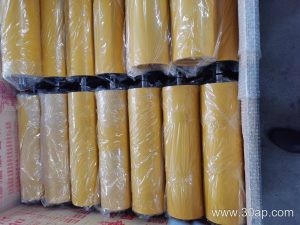
In a mineral-processing plant, the idler roller must handle abrasive fines, moisture, and varying loads. The choice of shell material, bearing type, and seal design affects how long the roller lasts. For example, a rubber idler roller may resist buildup better in sticky conditions, while a steel roller may be preferred for high-impact zones. The goal is to select an idler roller that matches the belt width, speed, and load without over-specifying. Always refer to the conveyor design and manufacturer guidelines for exact requirements.
Conveyor Pulley Standards and Grades: What a Bulk-Material Port Terminal Should Specify
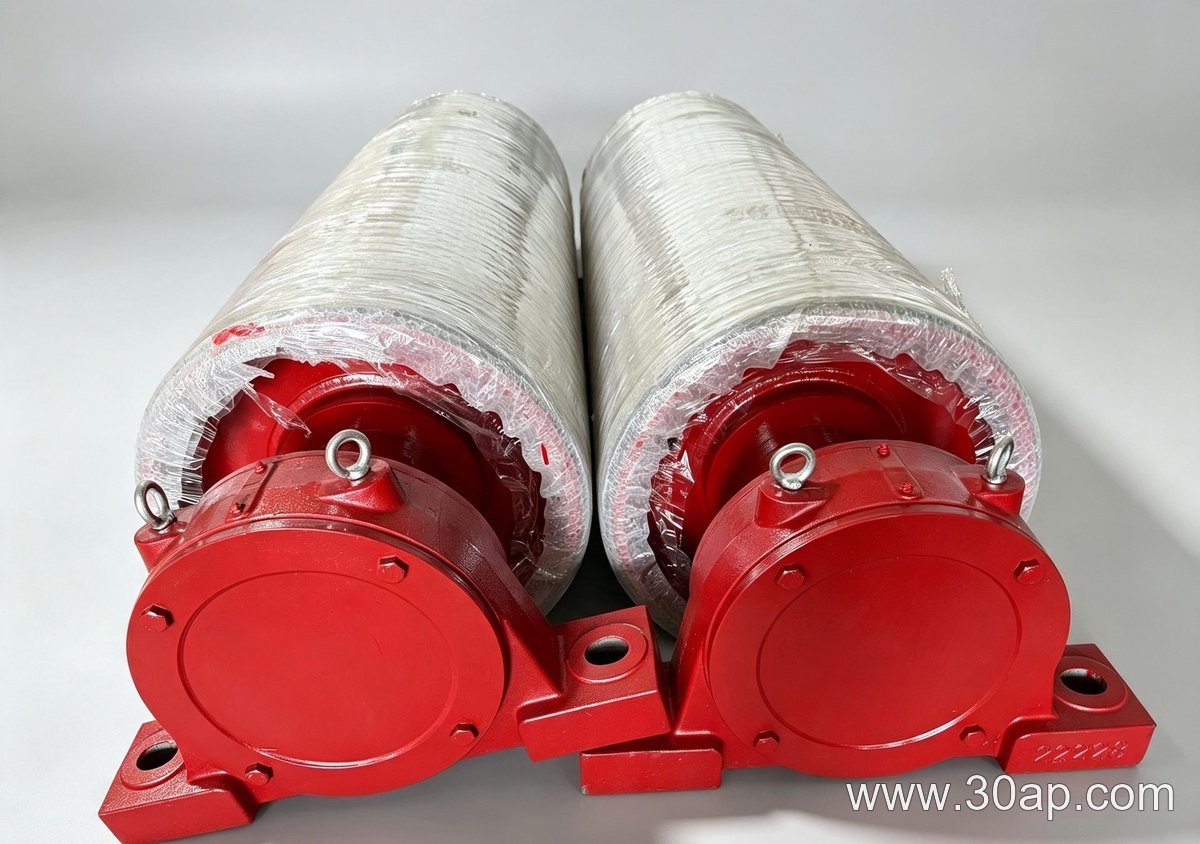
At a bulk-material port terminal, a conveyor pulley sits at the heart of a high-tonnage conveying system. When specifying one, engineers often ask which standards apply and what a grade actually means. This article explains the purpose and scope of common standards and grading systems for conveyor pulleys, without claiming compliance or inventing clauses.
Why Standards Matter for Conveyor Pulley Selection
Standards provide a shared language for design, manufacturing, and testing. For a conveyor pulley, they address dimensions, load capacity, lagging, balancing, and inspection. However, a standard does not guarantee performance in every site condition. It sets minimum requirements or agreed methods. The terminal must still match the pulley to its duty: belt tension, speed, environmental exposure, and maintenance access.
Key Standards and Their Scope
Several standards families are relevant. For example, some cover conveyor belt pulleys in general industrial applications, while others focus on bulk material handling. These documents typically define:
- Face width and diameter tolerances
- Shaft and hub fit dimensions
- Lagging thickness and pattern
- Balancing quality grades
- Non-destructive testing methods
Always refer to the actual standard text for precise requirements. A supplier may declare a pulley meets a standard, but that claim should be verified through documentation and inspection.
Understanding Conveyor Pulley Grades
Grades often relate to load capacity, material, or manufacturing quality. For instance, a heavy-duty grade might use thicker shell plate, larger shafts, and reinforced welds. A standard-duty grade may suffice for lower-tension applications. Grades are not universal; they are defined by the manufacturer or a specific standard. The terminal should specify the required grade based on engineering calculations, not on a generic label.
Practical Specification Checklist for a Port Terminal
Use this checklist to structure a conveyor pulley specification:
- Define belt width, speed, and maximum tension
- State the applicable standard, if any, by its designation
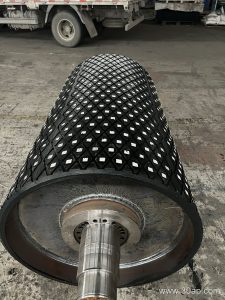
- Specify lagging type and grade for grip and wear
- Require balancing grade and method
- List inspection and test reports to be provided
- Confirm environmental conditions: salt air, dust, temperature
This approach helps avoid over- or under-specifying. It also gives suppliers a clear basis for quotation.
FAQ: Standards and Grades
Q: Can a conveyor pulley be certified to a standard?
Certification is a formal process by an accredited body. A manufacturer may declare conformity, but that is not the same as certification. Always ask for the scope of any claim.
Q: What does a grade mean for lagging?
Lagging grades often indicate rubber hardness, thickness, or ceramic content. The grade should match the pulley’s duty: high abrasion needs harder lagging; high grip needs softer, patterned lagging. No single grade fits all.
Q: How do I know which standard applies?
Check the conveyor design documents and local regulations. If no standard is mandated, use a recognized industry standard as a baseline and document your choice.
Why Conveyor Bracket Maintenance Matters at a Bulk Port
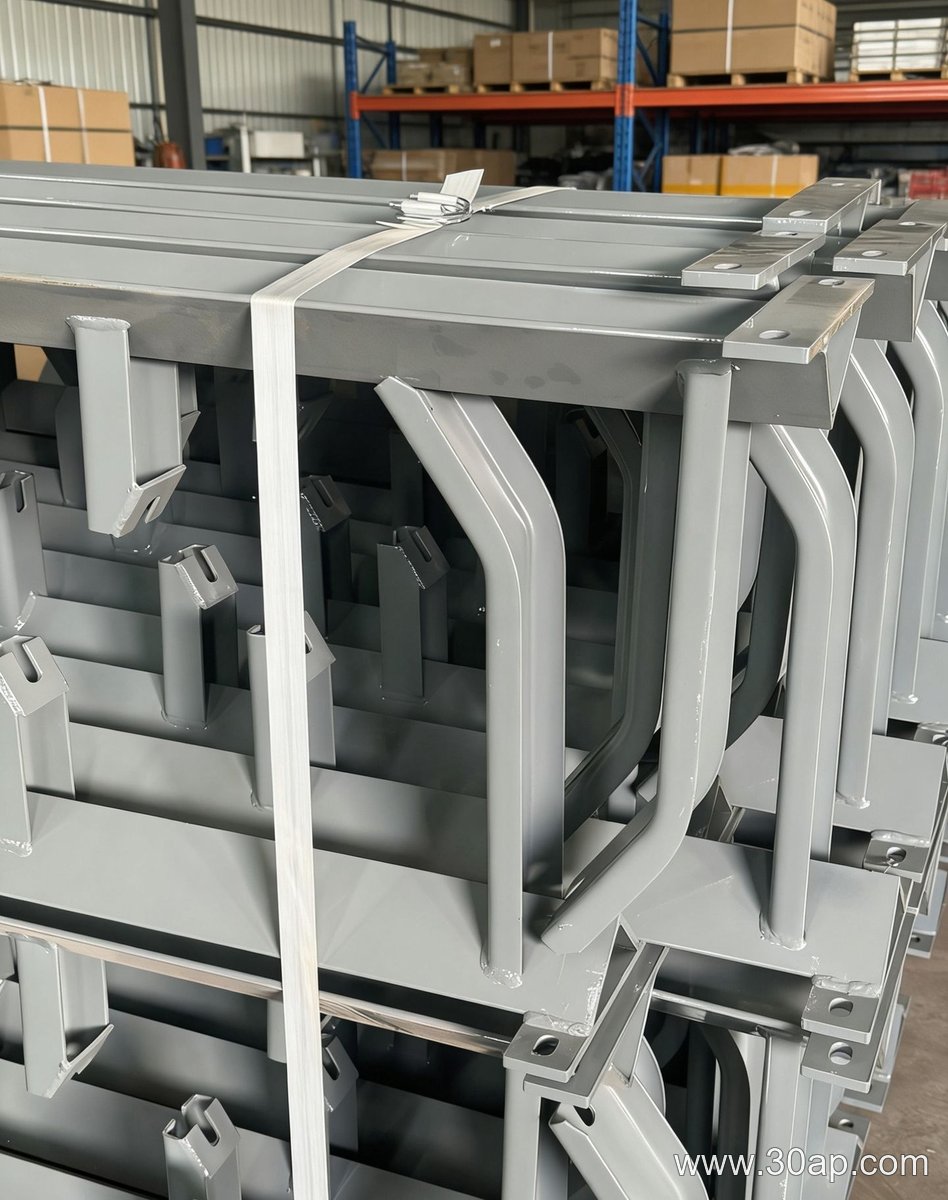
At a bulk-material port terminal, a conveyor bracket supports idler rolls that carry tons of ore, coal, or grain every hour. A bracket that loosens or corrodes can shift the belt, accelerate wear, and cause unplanned downtime. Regular inspection and preventive maintenance of each conveyor bracket are more cost-effective than reacting to a failure.
Routine Inspection of Conveyor Brackets
Inspection should focus on the bracket’s mounting points, welds, and contact surfaces. Look for these signs during scheduled walkdowns:
- Loose or missing fasteners at the bracket-to-frame connection.
- Visible cracks, especially near welded joints or bolt holes.
- Distortion, bending, or elongation of bolt holes.
- Corrosion or pitting that reduces section thickness.
- Debris or material buildup that prevents proper idler seating.
Use a flashlight and a mirror for hard-to-reach brackets. Tap suspect areas with a hammer to listen for a dull sound that may indicate a crack. Record any movement when the belt is running; a bracket that vibrates differently from its neighbors deserves closer attention.
Preventive Maintenance Actions
Preventive maintenance keeps a conveyor bracket serviceable and extends its life. After inspection, take these steps:
- Re-torque fasteners to the manufacturer’s recommended value. Do not guess; use a calibrated torque wrench.
- Clean material buildup from the bracket and idler mounting surfaces.
- Apply a suitable corrosion-resistant coating to minor surface rust, following site procedures.
- Replace worn or flattened shims that affect bracket alignment.
- Check belt tracking after any bracket adjustment, because a small shift can change idler contact.
In a port environment with salt air and abrasive dust, a quarterly inspection cycle is common, but frequency should be based on actual operating conditions. Hypothetically, a terminal handling 4,000 tonnes per hour might inspect high-wear zones monthly and other zones quarterly.
Signs That a Conveyor Bracket Needs Replacement
Not every bracket can be repaired. Replacement is necessary when:
- Cracks propagate through the bracket body or a critical weld.
- Corrosion has reduced the bracket’s load-bearing cross-section by more than a site-defined limit.
- Bolt holes are elongated or torn, so fasteners cannot hold torque.
- The bracket is permanently deformed and cannot be realigned without weakening it.
- Repeated loosening occurs even after correct re-torquing, indicating fatigue or thread damage.
Replacing a conveyor bracket before it fails prevents belt misalignment and idler damage. Keep spare brackets on site, matched to the original specification, so maintenance can respond without delay.
Conveyor Belt Tension Rating: A Technical Trade-Off in Cement Handling
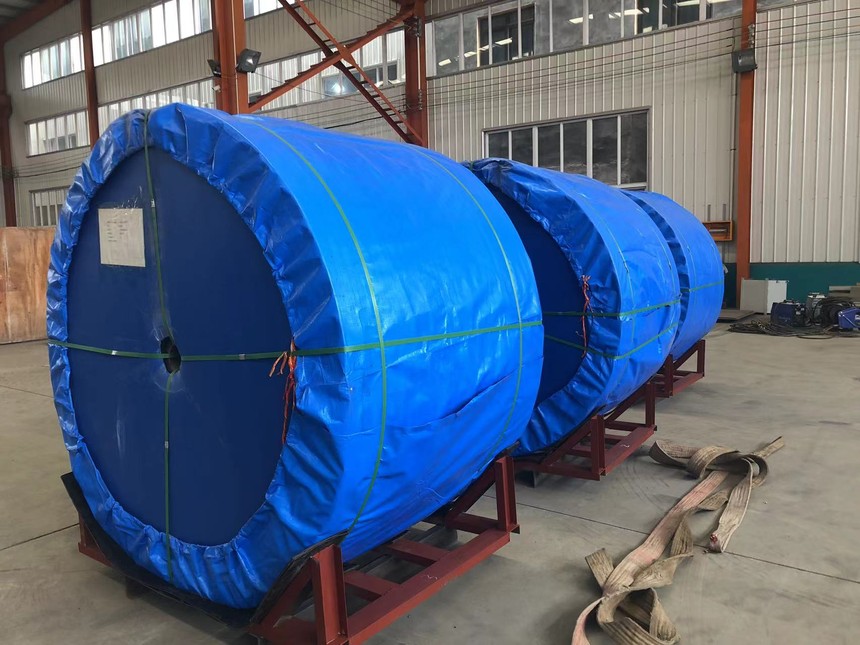
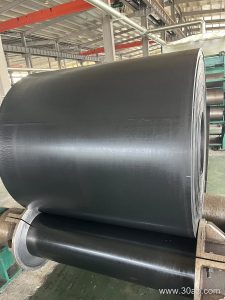
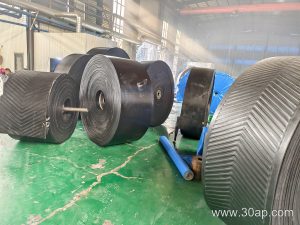
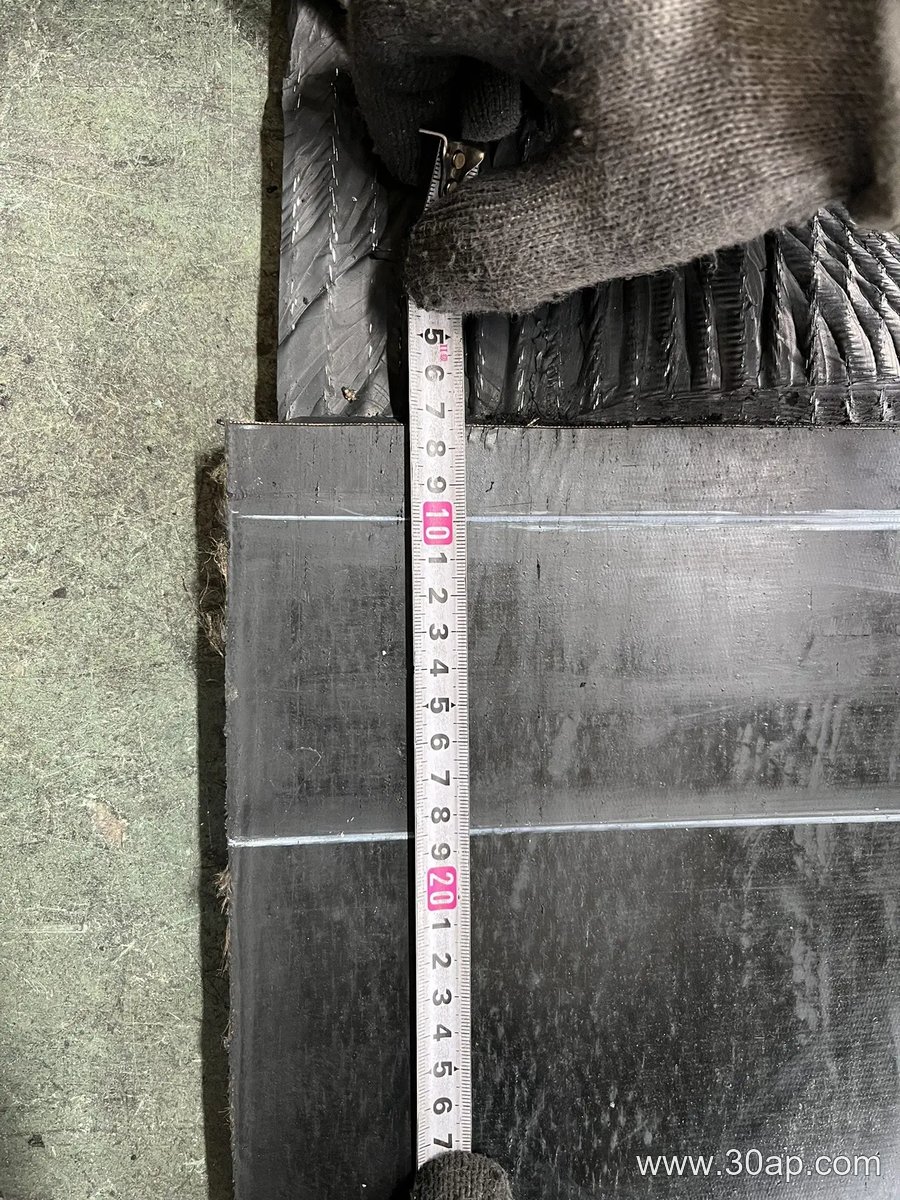
When specifying a conveyor belt for a cement plant, engineers often focus on cover abrasion resistance and ignore the belt’s tension rating. That rating—expressed as the breaking strength of the carcass, typically in N/mm—determines the maximum allowable belt tension and, consequently, the pulley diameter, drive power, and take-up stroke. A common designation is EP500, where “EP” indicates polyester-nylon (EP) fabric plies and “500” is the nominal breaking strength in N/mm. This single number forces a design trade-off: a higher EP class allows a smaller pulley and a lighter structure, but it also increases belt stiffness and cost.
How the EP Class Affects Pulley and Drive Engineering
In a hypothetical cement plant conveying clinker from a cooler to a silo, assume a 1800mm wide conveyor belt with an EP500 carcass. The belt must withstand the peak tension at the drive pulley. The minimum pulley diameter is often set by the belt manufacturer as a multiple of the carcass thickness or ply count—not by the EP number alone. However, a higher EP class (e.g., EP630) can reduce the number of plies needed for the same tension, which may allow a smaller pulley. That, in turn, reduces the drive torque required and can lower gearbox size. The trade-off is that a stiffer belt may require a larger take-up travel to maintain tension during load changes.
Comparison: EP500 vs. EP630 for the Same Duty
- EP500: Lower modulus, more plies, larger pulley, more take-up travel, lower material cost.
- EP630: Higher modulus, fewer plies, smaller pulley, less take-up travel, higher material cost and potentially higher drive shock.
Neither is universally better. The engineering decision depends on available space, drive configuration, and the belt’s ability to trough and track. For a cement plant with fixed pulley centers and limited take-up stroke, the higher EP class may be the only way to meet tension without replacing the drive. In other cases, the lower class with a larger pulley is more economical and easier on the belt splices.
FAQ: Conveyor Belt Tension Rating in Practice
What does EP500 mean on a conveyor belt?
EP500 indicates a polyester-nylon carcass with a nominal breaking strength of 500 N/mm. It is not a measure of cover wear resistance; that is a separate specification.
Can I use a higher EP class to increase capacity?
Not directly. The EP class affects tension capacity, not the belt’s ability to carry more material. Capacity depends on belt width, speed, and troughing angle. A higher EP class may allow a narrower belt or higher speed if the existing drive can handle the load.
Does a higher EP class always reduce pulley size?
No. The minimum pulley diameter is often governed by the belt’s ply thickness and the manufacturer’s recommended ratio. A higher EP class with fewer plies may reduce pulley size, but the carcass construction must be checked.