Tube Cutting and End Preparation
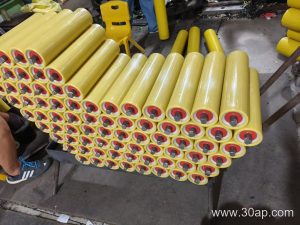
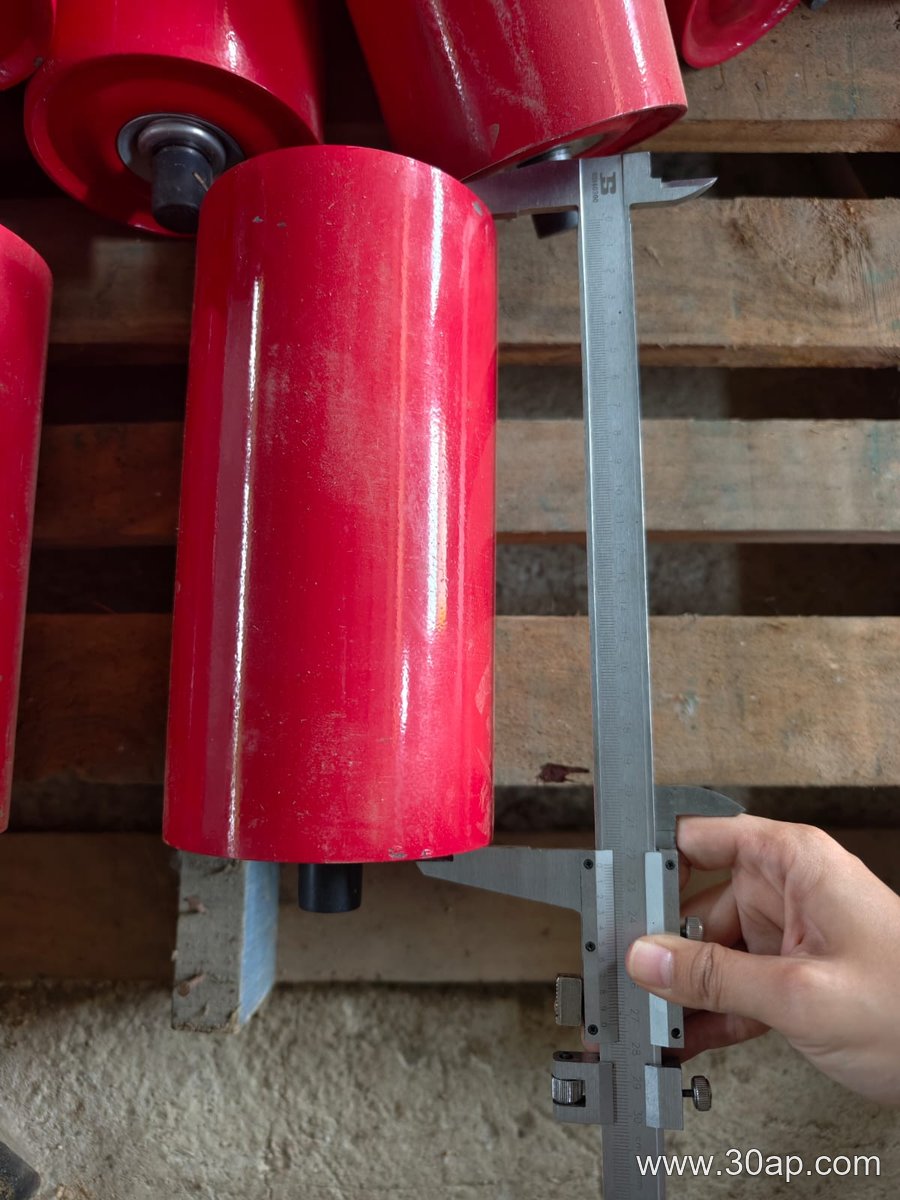
In a dusty quarry, an idler roller must resist abrasive particles that infiltrate every seam. The manufacturing process begins with cutting steel tube to length. A burr left on the tube end can damage the bearing housing seal during assembly, creating a path for dust. Therefore, deburring and chamfering are not cosmetic steps; they protect the seal interface. A properly prepared tube end ensures the bearing housing sits square, which reduces runout and extends bearing life.
Bearing Housing Welding and Alignment
Next, bearing housings are welded to the tube ends. The heat from welding can distort the tube if not controlled. Distortion leads to misalignment between the two bearings, causing the idler roller to wobble under load. In a quarry, that wobble accelerates seal wear, allowing fine dust to reach the bearings. Manufacturers often use fixtures to hold the tube and housings in alignment during welding, then verify concentricity. A concentric idler roller rolls smoothly and keeps the belt centered.
Shaft Insertion and Bearing Fit
The shaft is inserted through the bearing housings. The fit between shaft and bearing inner ring must be tight enough to prevent relative movement, but not so tight that it stresses the bearing. In dusty conditions, any looseness creates a micro-motion that pumps abrasive particles into the bearing cavity. A controlled press-fit or adhesive retention is common. The quality of this stage directly affects how long the idler roller survives in a quarry.
Sealing and Lubrication
Sealing is critical. A typical idler roller uses a labyrinth seal or a contact seal, sometimes combined. The seal must keep dust out while allowing the shaft to rotate freely. Over-greasing can push seals out; under-greasing leaves bearings dry. The manufacturing process should include a measured grease fill and a seal integrity check. In a quarry, a well-sealed idler roller can run for thousands of hours, while a poorly sealed one may fail in weeks.
Final Balancing and Surface Finish
After assembly, the idler roller is balanced to reduce vibration. Unbalance increases load on bearings and can cause belt misalignment. The tube surface may also be painted or coated for corrosion resistance, but in a dry quarry, abrasion resistance of the tube itself matters more. A smooth, concentric idler roller with a durable seal is the outcome of careful manufacturing. Each stage—cutting, welding, fitting, sealing, and balancing—contributes to the finished quality that keeps a quarry conveyor running.
Why Standard Conveyor Pulleys Struggle with Hot Clinker
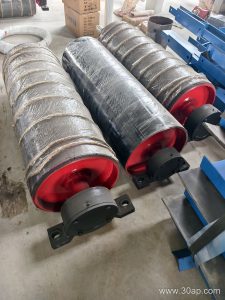
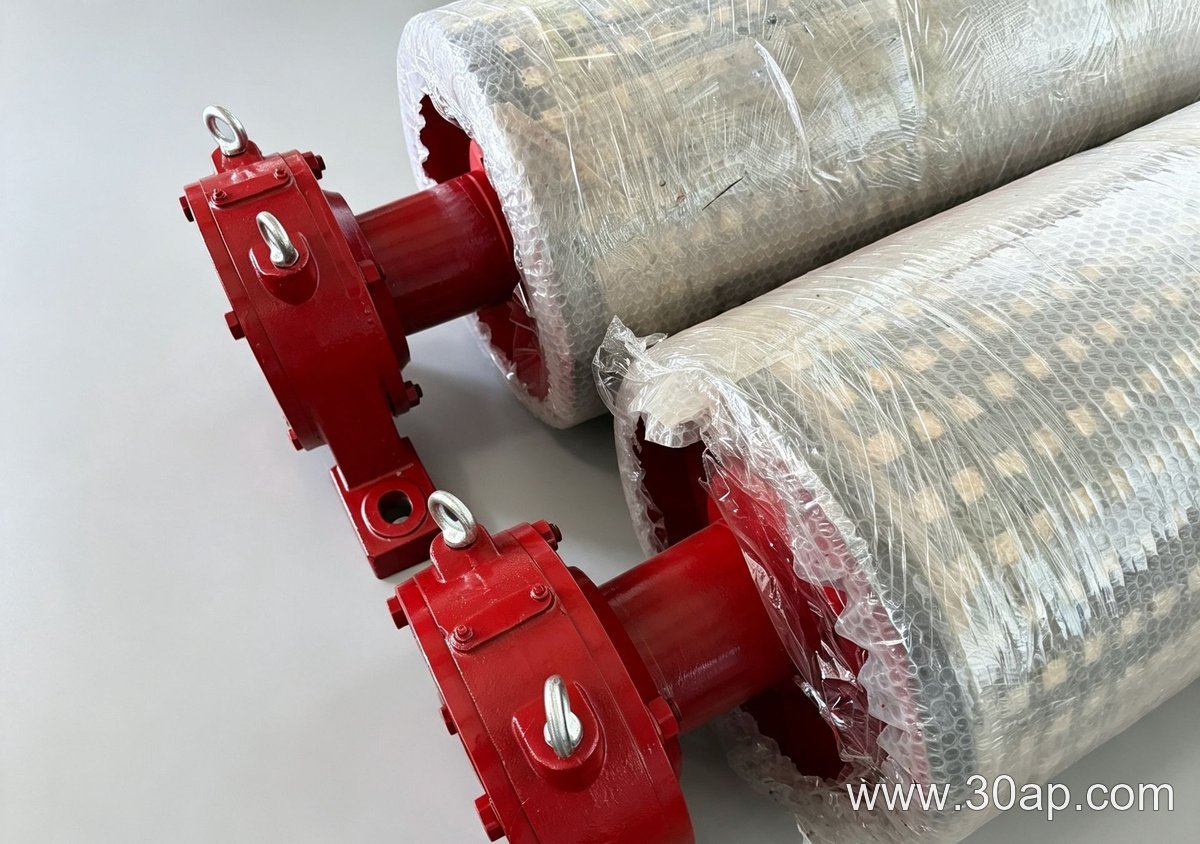
Many plant engineers assume that any heavy-duty conveyor pulley will handle hot clinker without modification. In a cement plant, however, clinker leaves the cooler at temperatures that can exceed 200°C, and that heat travels through the belt into the pulley. A standard conveyor pulley with rubber lagging may see that lagging soften, glaze, or debond. The pulley shell itself can distort if the temperature gradient is severe. The result is not just belt slip; it is a shortened pulley life and unplanned downtime.
How Heat Changes Conveyor Pulley Design
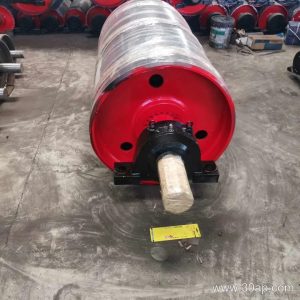
A conveyor pulley is a rotating assembly of shell, hubs, shaft, and lagging. When conveying hot clinker, each part responds differently. The shell expands, the shaft may expand less, and the lagging—if present—must tolerate the surface temperature. For this duty, engineers often specify a bare steel drum or a pulley with heat-resistant lagging rather than standard rubber. The goal is to maintain grip without trapping heat or degrading the belt cover.
Material and Construction Considerations
- Shell material: Mild steel is common, but for hot clinker a thicker shell or a material with better high-temperature strength may be needed to resist ovalization.
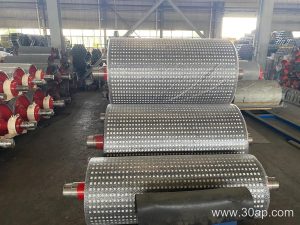
- Lagging: Standard rubber may not be suitable. Ceramic or grooved steel lagging can provide traction while withstanding heat, though each has trade-offs in noise and belt wear.
- Bearing selection: Heat conducts along the shaft to the bearings. Specifying bearings with high-temperature grease and appropriate clearance helps prevent premature failure.
- Expansion allowance: The pulley assembly should allow for thermal expansion without binding against the shaft or bearing housing.
Practical Checks for a Cement Plant Conveyor Pulley
Before selecting a conveyor pulley for hot clinker, verify the actual belt surface temperature at the pulley, not just the material temperature. A hypothetical example: if clinker leaves the cooler at 250°C but the belt surface reaches only 120°C at the head pulley due to ambient cooling, a standard lagging may still be acceptable. Always confirm with the belt manufacturer. Also check that the pulley diameter provides enough wrap angle and that the lagging pattern does not trap fines, which can bake onto the surface.
Frequently Asked Questions
Can I use a standard rubber-lagged conveyor pulley for hot clinker?
Not usually. Rubber lagging has a maximum continuous service temperature, often well below clinker temperatures. Exceeding it can cause debonding or rapid wear. Consult the lagging supplier for temperature limits.
What is the main risk of overheating a conveyor pulley?
Heat can distort the shell, degrade the lagging, and damage bearings. It can also affect the belt, causing premature cover hardening or cracking.
How do I know if my conveyor pulley is running too hot?
Use a contact thermometer or infrared gun on the pulley shell and bearing housings during operation. Compare readings with the design limits and investigate any unusual temperature rise.
How Does a Conveyor Bracket Handle Coal Dust and Impact at a Mineral Processing Plant?
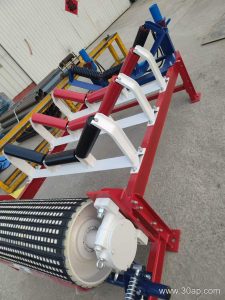
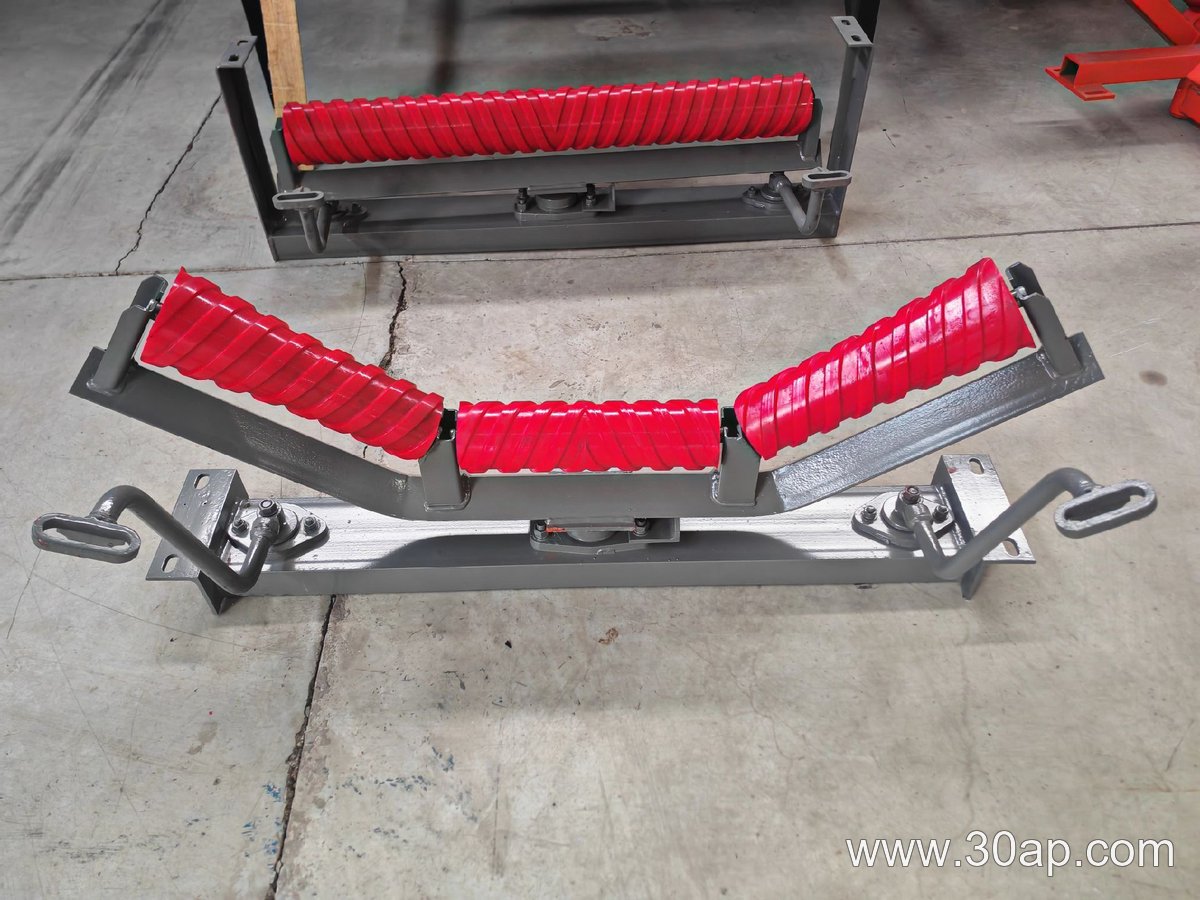
At a mineral processing plant, coal arrives in uneven lumps that drop onto the belt with significant force. The conveyor bracket that supports the idler rolls must absorb that impact without shifting, yet many maintenance teams treat it as a simple static part. In reality, the bracket is a load-bearing interface between the belt, the idlers, and the frame. Its design determines whether coal dust accumulates, whether alignment holds, and how often workers must intervene.
Impact and Abrasion from Coal
Coal is softer than ore or aggregate, but it is often wet and sticky. When it falls from a crusher or transfer chute, the impact energy travels through the idler and into the bracket. A bracket with a thin mounting plate may flex, loosening bolts and allowing the idler to tilt. Over time, that tilt misaligns the belt and spills coal. A robust bracket uses a thicker base plate and reinforced gussets to spread the load. Abrasion is another consideration: coal dust mixed with moisture can pack into crevices, so a bracket with open drainage or sloped surfaces sheds material instead of trapping it.
Mounting and Adjustability in a Dusty Plant
In a coal-handling circuit, alignment changes as the structure settles. An adjustable conveyor bracket lets maintenance staff correct idler position without cutting or rewelding. However, adjustment slots can become clogged with coal dust. A practical compromise is a bracket with covered adjustment slots or sealed threaded rods. For fixed support brackets, pre-drilled mounting holes matched to the frame pitch reduce installation errors. The bracket material should also resist corrosion from coal moisture; painted carbon steel is common, while galvanized or stainless options suit wash-down areas.
Practical Checks Before Specification
- Confirm the bracket’s load rating matches the idler spacing and coal lump size.
- Verify that the mounting holes align with the existing frame without field drilling.
- Inspect drainage paths so coal dust cannot accumulate around the bracket base.
- Consider whether future alignment adjustments are likely, and choose an adjustable type if so.
These considerations do not require a universal numerical specification. Instead, they help engineers match the conveyor bracket to the actual coal conditions at the plant. A bracket that handles impact, sheds dust, and allows controlled adjustment will keep the belt running truer and reduce unplanned stoppages.
Does a Multi-Ply Fabric Core Conveyor Belt Suit Your Ore Handling Duty?
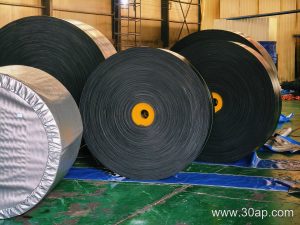
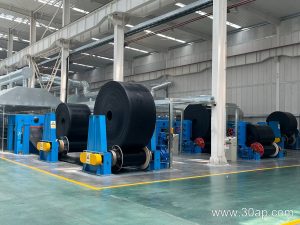
At a mineral-processing plant, a conveyor belt is not a commodity item chosen by width and length alone. It is a composite component that must survive continuous abrasion, impact from falling ore, and the structural demands of the conveyor route. When the handled material is crushed ore—typically hard, dense, and angular—the carcass construction and cover compound directly influence belt life and downtime. A multi-ply fabric core conveyor belt is one common option, but it is not automatically the right one. The following checklist highlights product considerations for ore duty.
Material and Duty Considerations for Crushed Ore
- Material characteristics: Ore is abrasive and can be sharp. Covers usually need good cut and wear resistance, and the carcass must tolerate impact without ply separation.
- Belt tension: The number of fabric plies and the tensile strength per ply determine the belt’s ability to carry the load over the required center distance. More plies increase strength but also reduce flexibility.
- Impact and loading: At transfer points, ore falls onto the belt. Impact idlers, adequate cover thickness, and a carcass that resists dynamic stress help prevent damage.
- Troughability: A multi-ply fabric belt must trough properly around idlers to contain the ore. Too stiff a construction can cause spillage and edge wear.
- Environmental conditions: Moisture, dust, and temperature variations affect cover compound choice and splice reliability.
Why Multi-Ply Fabric Core May or May Not Fit
Multi-ply fabric core conveyor belts offer good flexibility and moderate tensile capacity, making them suitable for many in-plant ore conveyors where the route has relatively short centers, multiple bends, or smaller pulleys. They can also be spliced in the field with familiar methods. However, for very long overland conveyors or high-tension duty, steel-cord belts often become the better choice because they provide higher strength with fewer plies and less stretch under load. The decision should follow the actual tension calculation and pulley diameters, not a default preference.
Practical Specification Questions
Before selecting a multi-ply fabric core conveyor belt for ore, ask: What is the maximum lump size and drop height? What is the calculated belt tension at steady state and starting? What are the minimum pulley diameters allowed by the carcass? Is the cover grade appropriate for abrasive, possibly wet ore? These answers shape the ply count, cover thickness, and splice design. A belt that is under-specified may fail early; one that is over-specified may not trough well or may cost more without practical benefit.