Conveyor Belt Cover Grade: A Technical Term That Drives Real Engineering Decisions
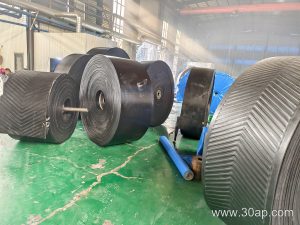
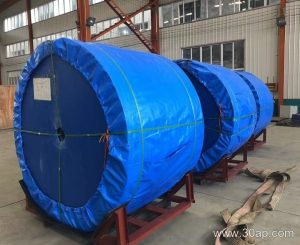
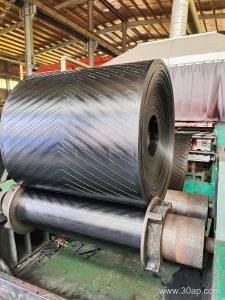
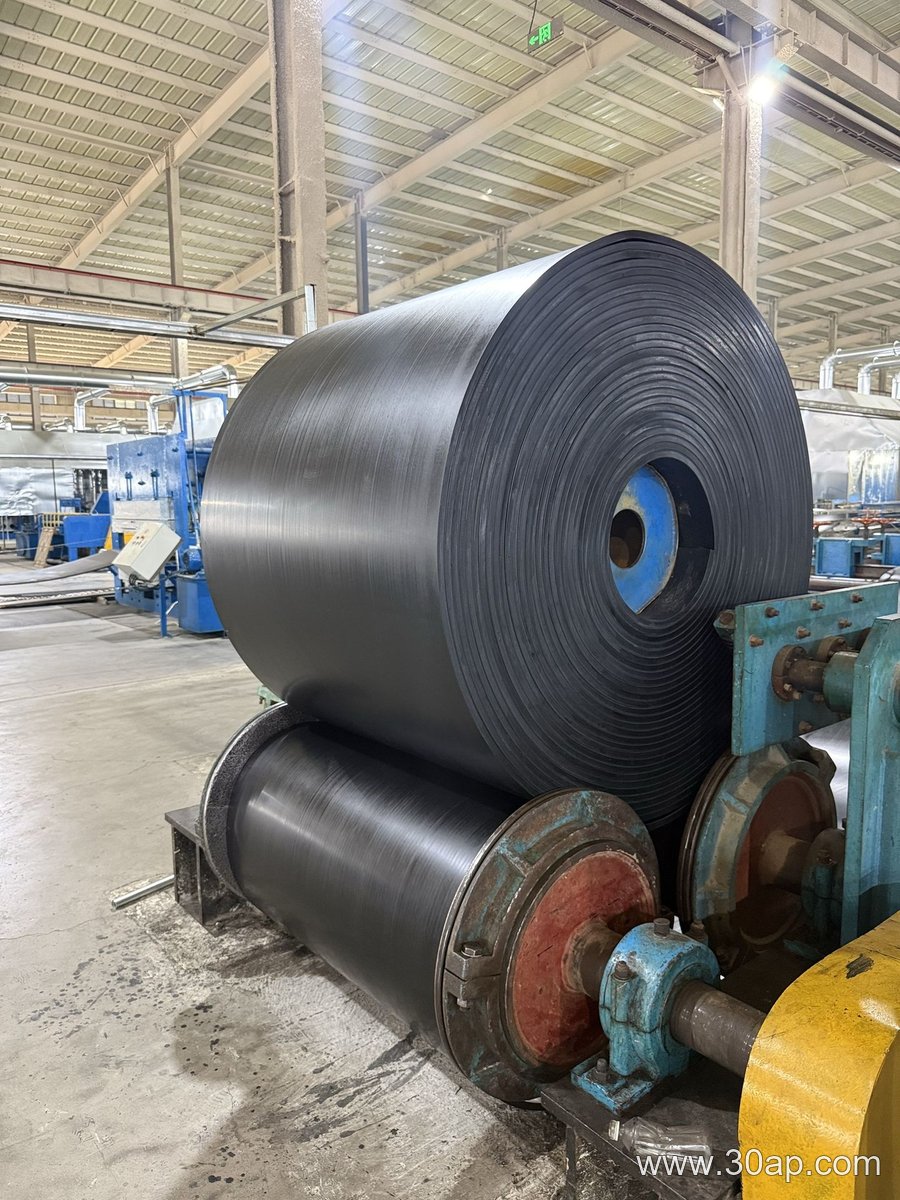
On a general manufacturing line, a conveyor belt might move stamped metal parts, cardboard, and abrasive regrind. The term cover grade describes the rubber compound’s resistance to wear, cuts, and heat. One common designation is RMA Class, which rates abrasion resistance on a scale from Grade I (highest) to Grade II (moderate). This grade directly affects how often the belt needs replacement, how well it handles sharp edges, and whether a lower-cost belt will actually save money over time.
What RMA Class Means for a Conveyor Belt
RMA Class is not a brand name or a universal guarantee. It is a relative measure of rubber loss under standardized abrasive testing. A Grade I conveyor belt resists abrasion better than a Grade II belt, but it may cost more and offer less flexibility. In a manufacturing line with mixed materials, the engineer must ask: which sections of the conveyor belt see the most abrasive load? The answer often changes the specification along the line.
How Cover Grade Affects an Engineering Decision
Consider a hypothetical 20-meter conveyor belt on a general manufacturing line. Assumptions: the belt carries 5 kg parts at 30 m/min, with occasional sharp scrap. The engineer compares Grade I and Grade II covers. Grade I lasts longer under abrasion but has a stiffer compound that may not track as well on small pulleys. Grade II is more flexible and cheaper, but wears faster at the loading point. The decision is not “always choose the highest grade.” Instead, the engineer might specify Grade I only for the first 5 meters, where impact and abrasion peak, and Grade II for the remaining length. This mixed specification reduces cost without sacrificing the belt’s weakest zone.
Practical Checklist for Specifying a Conveyor Belt Cover
- Identify the most abrasive material on the line and its particle shape.
- Check pulley diameters: thicker, harder covers may require larger pulleys.
- Confirm the belt’s splice type and whether cover grade affects splice strength.
- Review ambient temperature and any oil or chemical exposure.
- Balance initial cost against expected replacement interval.
In short, cover grade is a technical term that translates directly into wear life and capital planning. Treating it as a line-wide decision ignores how conveyor belts actually fail.
Why Idler Rollers Stall in Quarry Dust
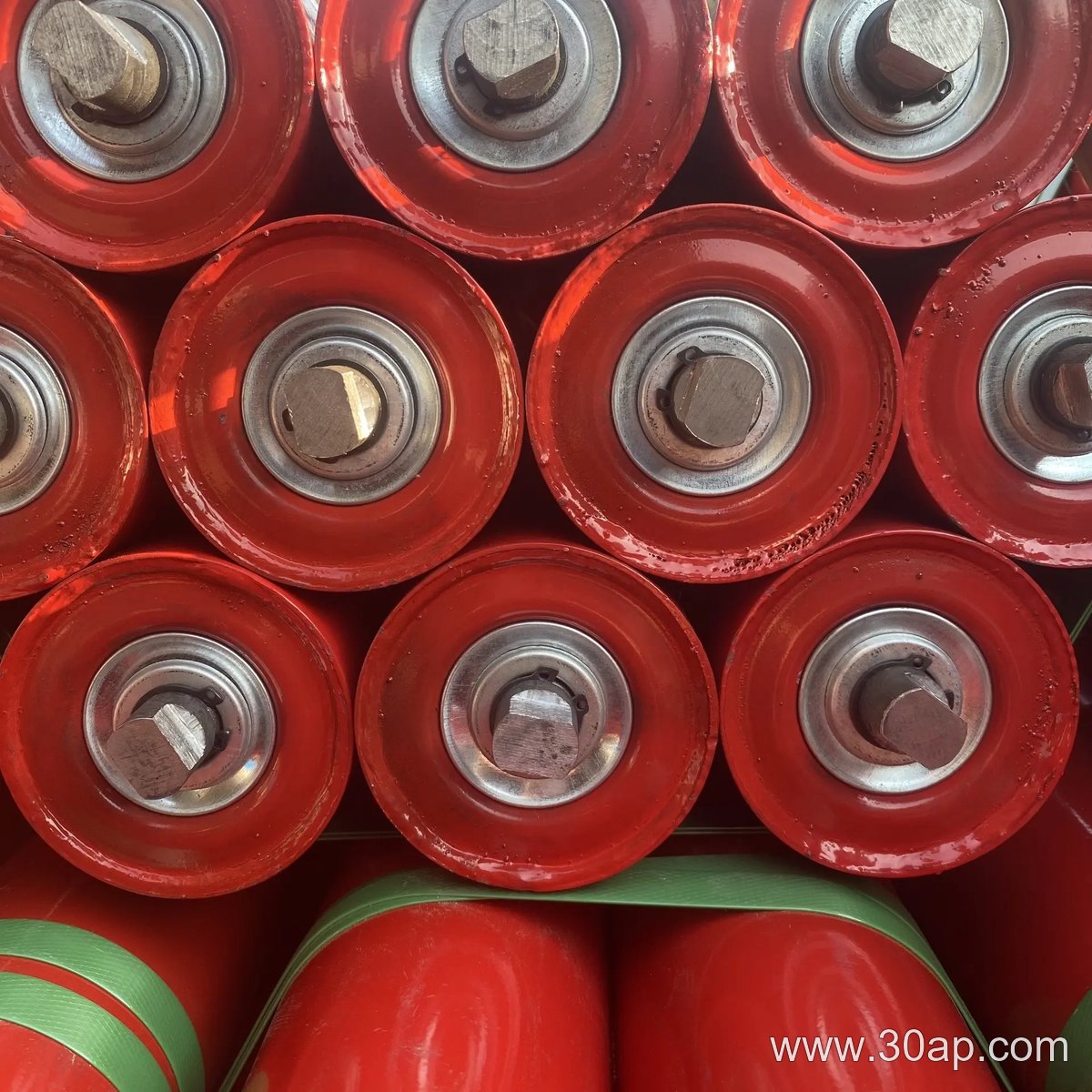
In a dusty quarry, an idler roller often seizes long before its bearings wear out. Fine rock dust combines with moisture from morning dew or washdown, forming a paste that migrates past standard seals. Once inside, this paste grinds the bearing raceway and locks the roller. A stopped roller then drags on the belt, increasing power draw and causing belt wear. The solution is not simply buying heavier rollers; it is matching the idler roller design to the dust, the belt speed, and the service routine.
Selecting Idler Rollers for Dusty Duty
Not every idler roller suits a quarry. For dusty conditions, look for these features:
- Labyrinth seals with grease purge: Multiple non-contacting stages keep dust out while allowing fresh grease to push contaminants away.
- Contact seals in series: A secondary lip seal behind the labyrinth adds a barrier when dust is extremely fine.
- Heavy-wall tubing: Thicker shells resist denting from impact at loading points, which would otherwise cause the roller to wobble and open seal gaps.
- Self-cleaning end caps: Smooth, sloped end caps prevent material build-up that can stall the roller.
These features do not guarantee performance, but they address the primary failure path in quarry conveyors: dust ingress past the sealing system.
Installation and Maintenance Practices
Even the best idler roller can fail if installed poorly. Align the roller frame so the belt runs centered; a misaligned belt pushes dust toward one seal. Use impact idlers under the crusher discharge, but transition to standard troughing idlers within a few meters. Inspect rollers monthly by hand-turning a sample along the conveyor. A roller that feels rough or does not spin freely should be replaced before it damages the belt. Avoid high-pressure washdown directly at the seals, as it can force water and dust inward.
When to Replace Rather Than Re-Grease
Re-greasing can extend an idler roller’s life only if the bearing is still smooth and the seal is intact. If the roller turns with a gritty feel or has visible grease weeping, the bearing is already contaminated. Replacement is more economical than risking a belt splice failure. Keep a small stock of idler rollers with the same shaft and drop-in dimensions to minimize downtime. In a quarry, dust is relentless, but a disciplined selection and inspection routine keeps the belt moving.
Which Standards Actually Apply to a Conveyor Pulley in a Cement Plant?
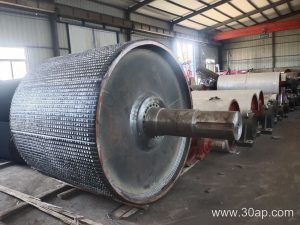
In a cement plant, a conveyor pulley on a clinker or limestone belt faces abrasive dust, high loads, and continuous duty. When specifying or replacing that pulley, engineers often ask which standards and grades are relevant. The answer is not a single certificate but a set of documents that define dimensions, materials, testing, and safety expectations.
Purpose and Scope of Common Standards
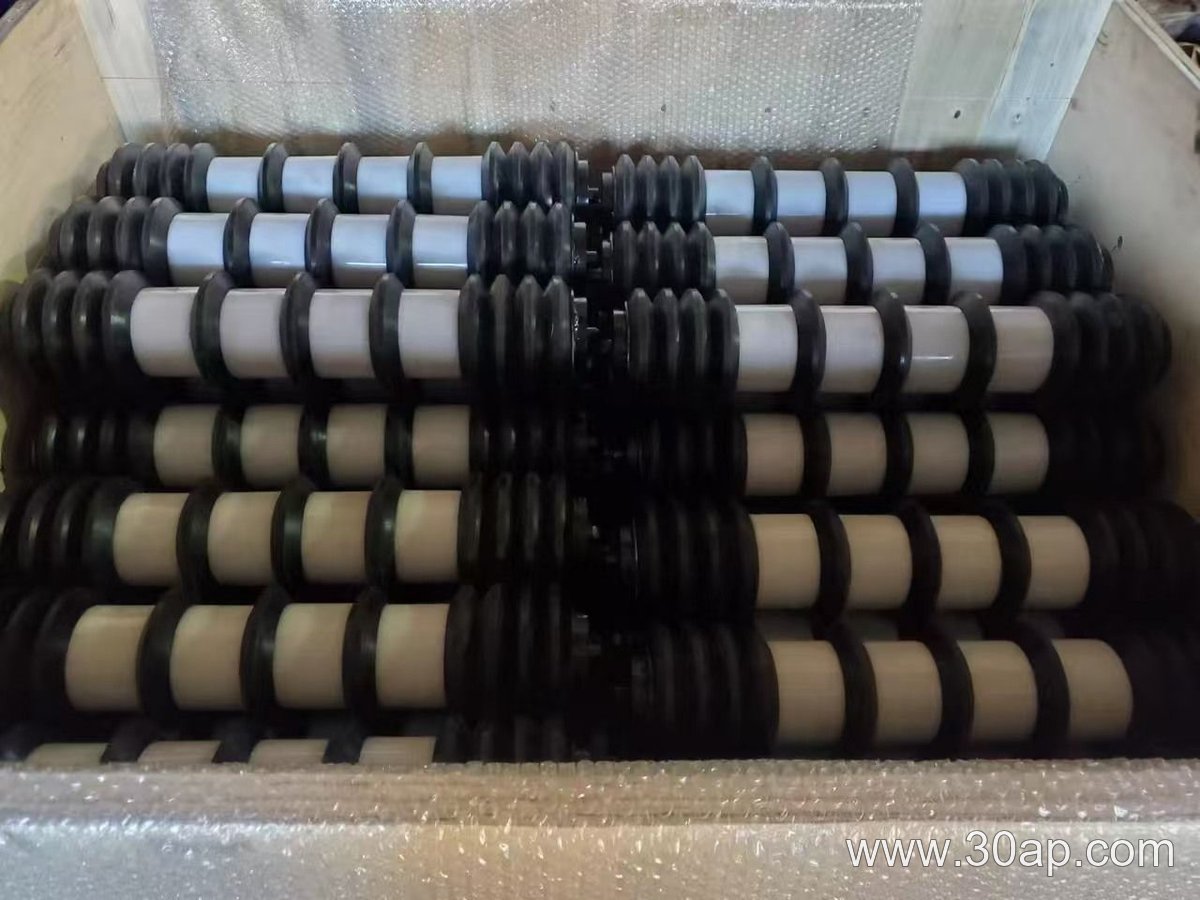
Standards for conveyor pulleys generally fall into three groups: dimensional, material, and application-specific. Dimensional standards, such as those from ISO or national bodies, set shaft diameters, keyway sizes, and face lengths so a pulley fits existing bearings and frames. Material standards cover steel grades for the shell, shaft, and hubs, plus lagging properties like abrasion resistance or flame spread. Application standards for bulk handling may address belt training, drum balancing, and guard requirements. None of these standards certifies a finished pulley; they provide a common language for design and procurement.
How Grades Are Used in Practice
Grade designations describe minimum mechanical properties—yield strength, hardness, or elongation—not a guarantee of performance in every cement plant environment. A higher grade may allow a thinner shell or lighter shaft, but it can also affect weldability and cost. For a hypothetical example, a pulley shell might be specified as S355 steel with a lagging hardness range of 60–70 Shore A for abrasive limestone. That is an engineering choice, not a universal rule. Always verify that the selected grade matches the actual load, belt tension, and temperature.
Checklist for Reviewing Pulley Documentation
- Does the drawing reference dimensional standards for shaft and keyway?
- Are material grades stated for shell, shaft, hubs, and lagging?
- Is the lagging grade suitable for the conveyed material and moisture?
- Are balancing and runout tolerances defined?
- Are inspection and test methods named without claiming third-party certification?
FAQ
Do I need a certified conveyor pulley for a cement plant?
Not necessarily. Certification is a contractual choice. What matters is that the pulley meets the project specification and applicable standards for dimensions, materials, and safety.
Can I mix grades from different standards?
Yes, if the design authority confirms equivalence in properties and dimensions. A higher grade in one standard may not match a lower grade in another.
How do I know which standard edition is current?
Check with the standards body or your engineering department. This article does not claim any edition is current.
Is Your Conveyor Bracket Quietly Failing? A Maintenance Guide for General Manufacturing Lines
Walk along any general manufacturing line and you may hear it before you see it: a rhythmic clunk or a belt that drifts to one side. Often the cause is not the belt, the pulley, or the drive. It is a conveyor bracket that has loosened, corroded, or cracked. Because the bracket is a small structural support, its decline is easy to overlook until it affects alignment, vibration, or safety. This guide covers practical inspection, preventive maintenance, and the signs that replacement is the right call.
What to Inspect on a Conveyor Bracket
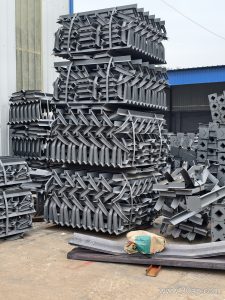
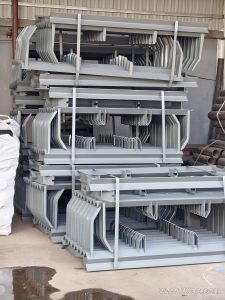
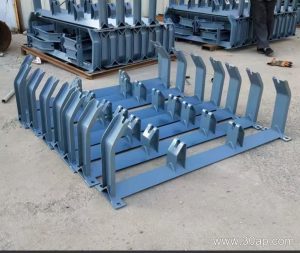
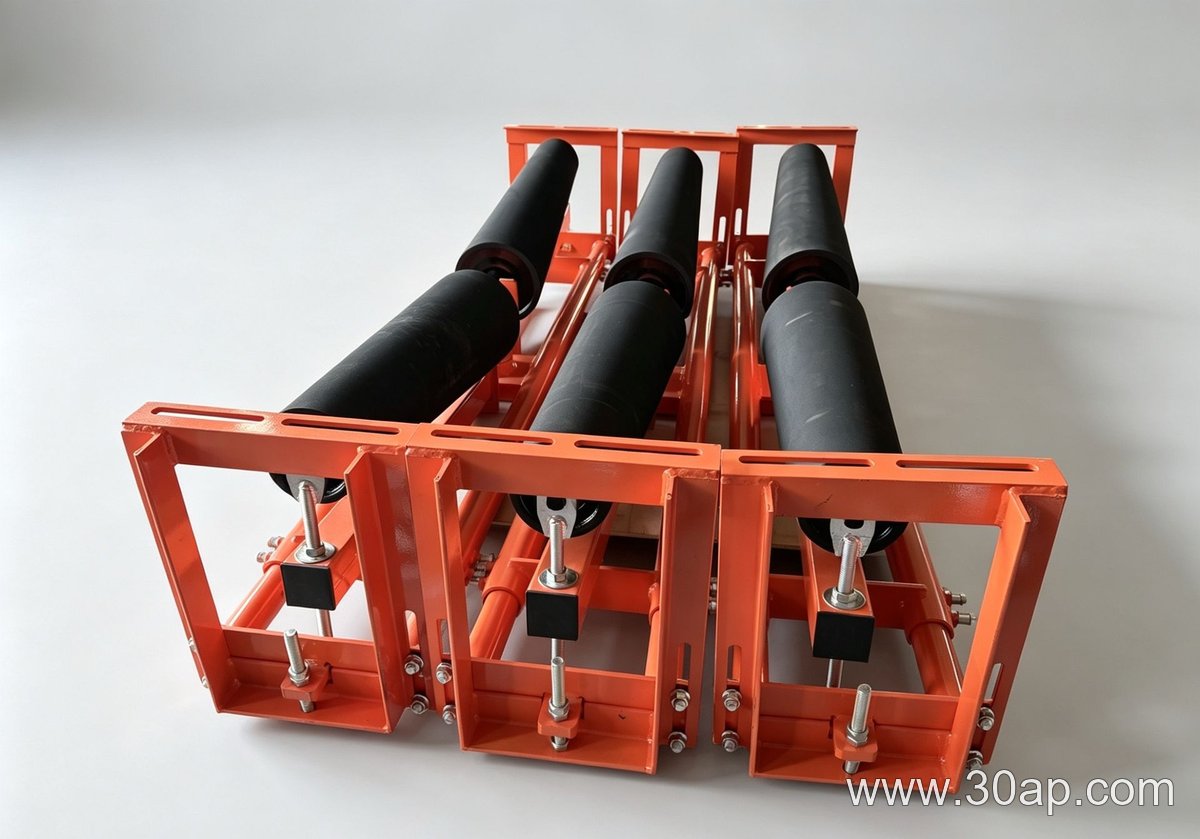
A conveyor bracket holds idler frames, return rolls, or other components in position. Inspection should focus on how well it maintains that position and how sound its material remains. In a typical manufacturing line, set a monthly walkdown and a deeper quarterly check.
- Fasteners and bolted joints: Check for loosened bolts, missing washers, or elongated holes. A bracket that has shifted can change belt tracking.
- Weld areas and bends: Look for cracks, especially at the toe of welds and along formed corners where stress concentrates.
- Corrosion and coating damage: Rust streaks, flaking paint, or pitting reduce section thickness and can hide cracks.
- Alignment and squareness: Use a straightedge or laser to confirm the bracket still holds its component perpendicular to the belt path.
- Signs of movement: Shiny wear marks around bolt heads, fretting dust, or elongated slots indicate the bracket is no longer rigid.
Preventive Maintenance That Actually Helps
Preventive maintenance for a conveyor bracket is mostly about keeping it clean, tight, and protected. After inspection, re-torque fasteners to the manufacturer’s recommendation—do not guess values. Remove accumulated material that traps moisture, because wet debris accelerates corrosion. Repair damaged coatings with a compatible paint system. If the bracket is in a washdown area, confirm that drainage does not direct water onto it. During scheduled shutdowns, verify that the bracket has not been bent by impact or overload. These steps are inexpensive and extend service life without requiring a full redesign.
When Replacement Is the Right Decision
Not every worn bracket needs replacement, but some conditions justify it. Replace a conveyor bracket if you find any of the following:
- A crack that extends through the base metal or a weld, even if it appears short.
- Visible bending or distortion that cannot be corrected without weakening the section.
- Section loss from corrosion greater than what the original design allowance can tolerate (check the drawing or a qualified engineer).
- Repeated loosening after correct re-torquing, which suggests the bracket or its mounting surface is no longer stable.
- Elongated bolt holes that prevent proper alignment.
When in doubt, consult the conveyor manufacturer or a structural engineer. A hypothetical example: a bracket with a 10 mm flange might lose 2 mm to corrosion, leaving 8 mm; whether that is acceptable depends on the load and safety factor, so it must be evaluated rather than assumed. Replacement with a correctly specified bracket is often cheaper than the downtime caused by a sudden failure.
FAQ: Conveyor Bracket Maintenance
How often should I inspect a conveyor bracket?
For a general manufacturing line, a visual check monthly and a detailed inspection quarterly is a reasonable starting point. Adjust based on dust, moisture, and load.
Can I weld a cracked conveyor bracket in place?
Field welding is sometimes possible, but it requires proper preparation, a qualified welder, and an assessment of the base material. A crack often indicates a design or load issue, so replacement may be more reliable.
What causes a conveyor bracket to fail early?
Common causes include overload, impact from material, corrosion, loose fasteners, and misalignment that adds lateral forces.