Conveyor Pulley Essentials
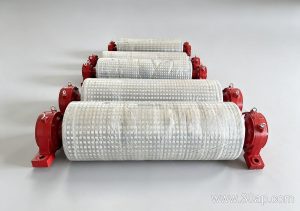
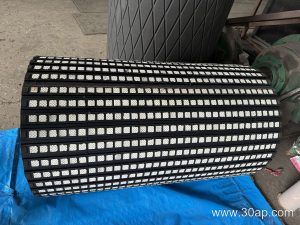
The conveyor pulley drives and tensions your belt. Choose the right one to cut downtime.
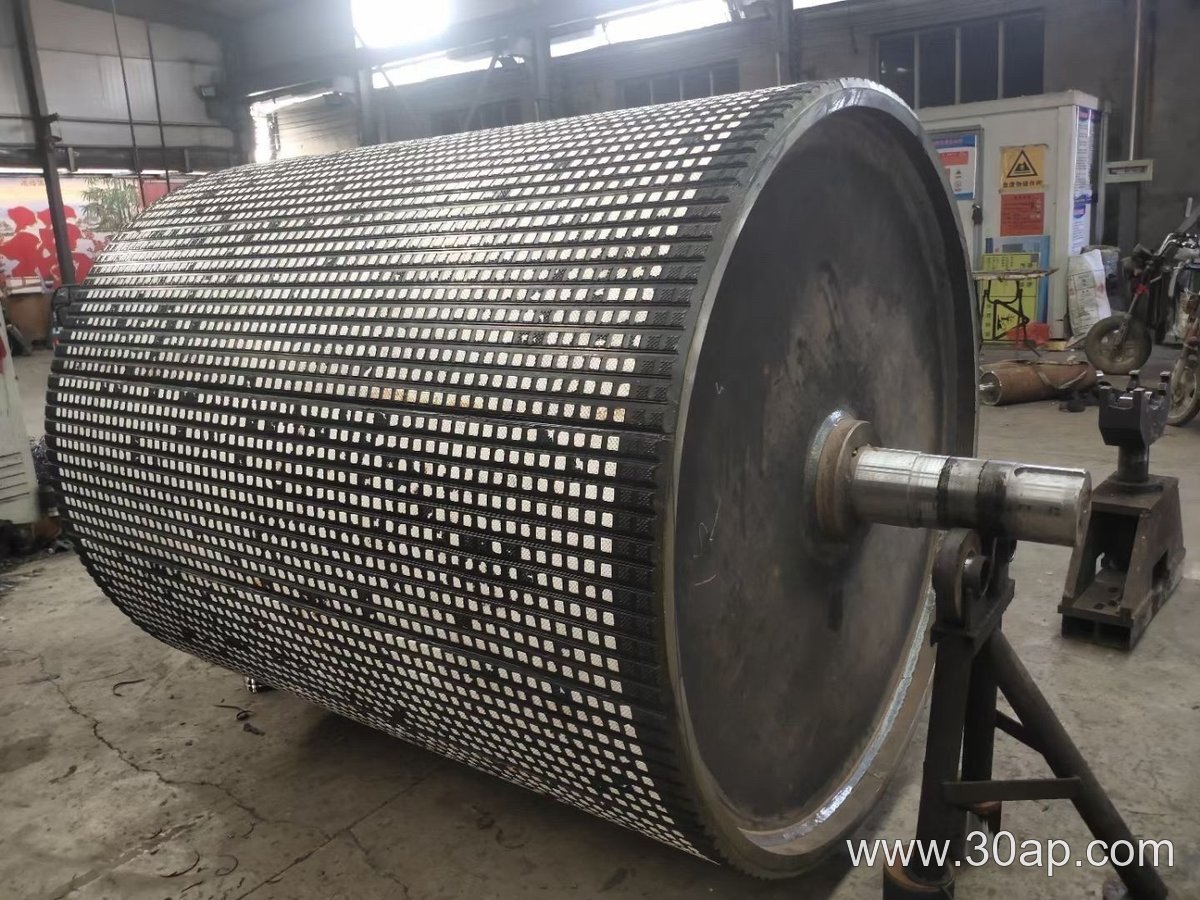
Key Selection Factors
- Belt width and load capacity
- Pulley diameter and face length
- Lagging type for grip
- Shaft and bearing specs
Purchasing Advice
Match pulley to belt tension. Prefer crowned or lagged surfaces for tracking. Verify balance and runout before order.
Why the Right Conveyor Bracket Matters
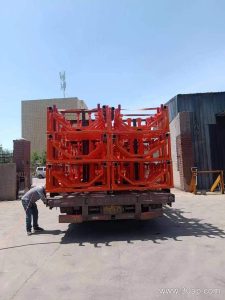
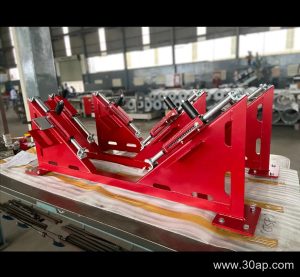
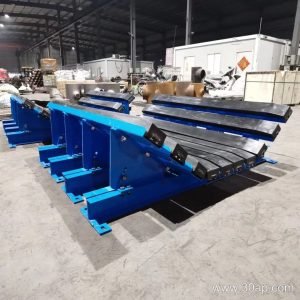
A conveyor bracket connects rollers, frames, and supports, directly affecting alignment, load capacity, and maintenance. Selecting the correct bracket prevents premature wear and costly downtime.
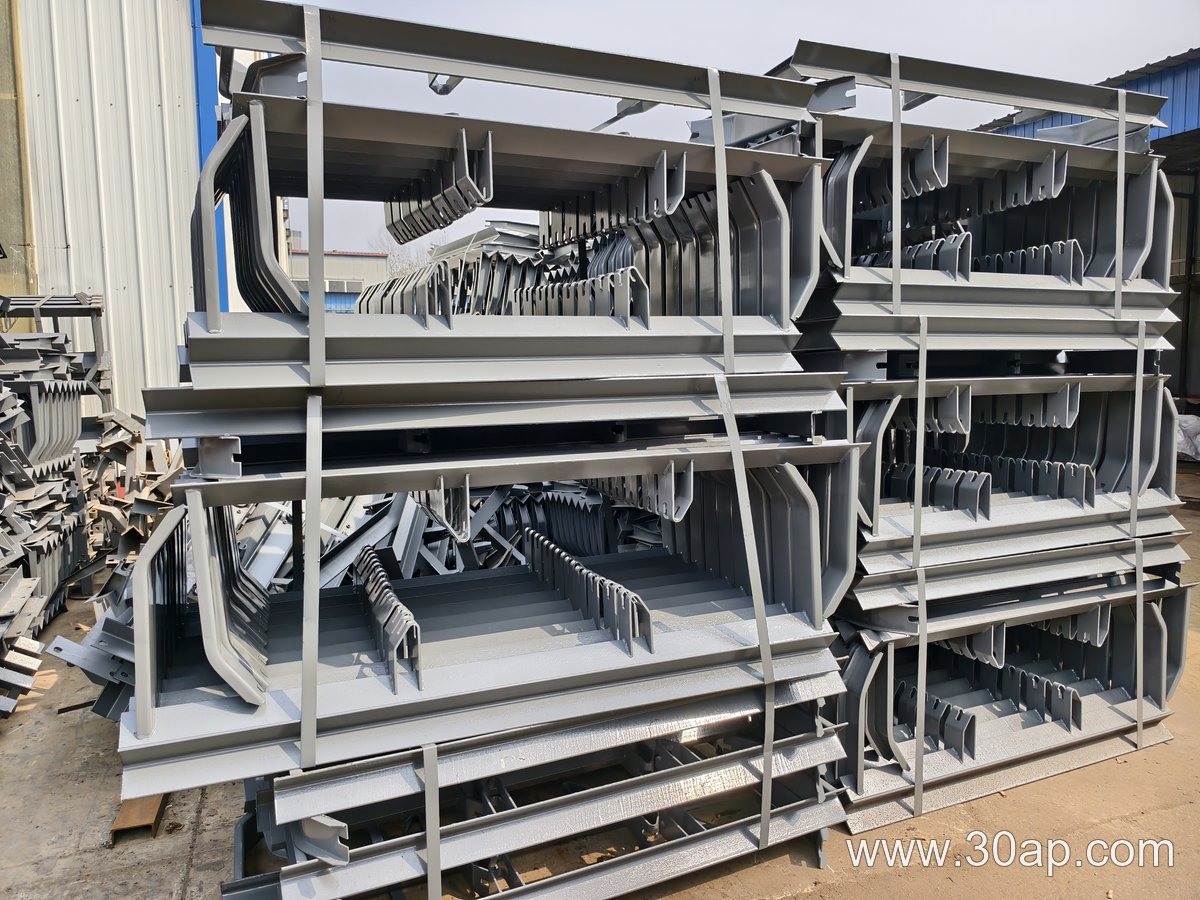
Key Selection Factors
- Match bracket material to environment: mild steel for dry, stainless for washdown, polymer for low noise.
- Confirm mounting pattern and roller diameter compatibility.
- Check load rating and adjustment range.
Purchasing Advice
Buy from suppliers offering dimensional drawings and batch traceability. For high-vibration lines, choose reinforced brackets with locking fasteners. Standardize on one or two bracket types to simplify spares.
Conveyor Belt Selection and Purchasing Guide
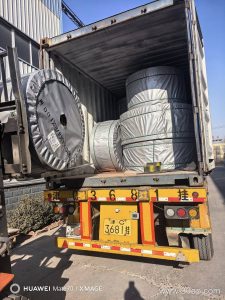
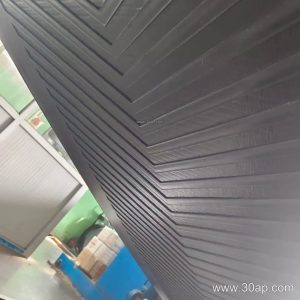
A conveyor belt is the core of any material handling system, so choose it by load, speed, and environment.

Key Selection Factors
- Material: rubber, PVC, or steel for heat and abrasion.
- Belt type: flat, cleated, or modular for your product.
- Capacity: match width, speed, and incline.
Purchasing Advice
Verify export certifications, spare parts, and warranty. Request samples and test data before bulk orders.
Idler Roller Basics
An idler roller supports and guides conveyor belts without driving them. Choose the right one to cut downtime and belt wear.

Key Selection Factors
- Load capacity and belt speed
- Roller diameter and shaft size
- Bearing type: sealed or open
- Material: steel, stainless, or polymer
Purchasing Advice
Match the roller to your environment. For dusty or wet sites, prefer sealed bearings and corrosion-resistant shells. Confirm mounting dimensions and check runout before bulk ordering.